```html
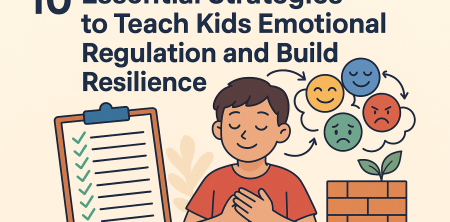
In a world filled with challenges, one of the most vital skills children can learn is emotional regulation. This ability allows them to handle big feelings, cope with stress, and bounce back from adversity. As parents and educators, understanding how to nurture emotional regulation for kids is essential for fostering resilience and a healthy emotional life.
Understanding Emotional Regulation
Emotional regulation refers to the ability to monitor, evaluate, and modify emotional reactions in various situations. For children, this skill develops gradually. It involves learning to recognize their feelings, understand the triggers behind those feelings, and manage their responses appropriately.
Research indicates that well-regulated emotions lead to better academic performance, improved social interactions, and healthier relationships. Interestingly, children who are skilled in emotional regulation are often more successful in life, effectively navigating challenges and setbacks.
The Importance of Resilience
Resilience is the capacity to recover quickly from difficulties. It encompasses not only emotional regulation but also the ability to confront challenges and adapt in the face of adversity. Resilience helps children cope with stressors like peer pressure, family changes, or academic challenges.
Teaching resilience is crucial because it empowers children to face life’s ups and downs with a positive outlook. Research conducted by the American Psychological Association shows that resilient children are likely to develop better mental health, and they often perform better academically compared to their less resilient peers.
Why Kids Struggle with Emotional Regulation
Understanding why children struggle with emotional regulation is the first step in helping them. Children often experience intense emotions but lack the tools to express or manage them appropriately. Factors contributing to these struggles include:
- Developmental Stage: Younger children are still developing cognitive abilities and may not have the language to articulate their feelings.
- Modeling Behavior: Children learn by observing adults. If they see adults struggling with emotional control, they may adopt similar behaviors.
- Environmental Influences: Stressful environments, including family issues or school challenges, can overwhelm a child's ability to manage emotions.
- Social Interactions: Negative peer interactions, such as bullying, can exacerbate emotional difficulties.
Strategies to Foster Emotional Regulation
Teaching emotional regulation for kids involves both structured approaches and natural opportunities for learning. Here are ten effective strategies parents and educators can implement:
1. Encourage Emotion Recognition
Help children identify their feelings by using tools like emotion cards or charts. Discussing various emotions, including happiness, sadness, anger, and fear, enables children to understand their own emotional landscapes better. This recognition is a crucial first step toward learning to regulate emotions.
2. Model Healthy Emotional Expression
Adults play a significant role in teaching children how to express emotions healthily. Sharing your own feelings and demonstrating appropriate responses can provide a roadmap for children. For instance, if you feel frustrated, express that feeling openly while discussing how you plan to cope with it.
3. Teach Coping Skills
Introduce various coping strategies that children can use when they’re overwhelmed. Techniques such as deep breathing, counting to ten, or taking a break can help manage intense emotions. Role-playing different scenarios can also be an engaging way to practice these skills.
4. Create a Safe Environment
Children need to feel emotionally safe to express their feelings. Creating an environment where it’s okay to talk about emotions without judgment encourages openness. Validate their feelings, letting them know that it’s okay to feel upset or anxious.
5. Use Storytelling
Stories can be a powerful tool for teaching emotional regulation. Reading books that explore various emotions and discussing the characters' responses provides children with relatable examples. Ask them how they would feel or react in similar situations to promote critical thinking about emotions.
6. Promote Problem-Solving Skills
Teaching children how to approach problems can empower them to manage their emotions better. Encourage them to brainstorm potential solutions to conflicts or challenges they face. This helps them feel more in control and less reactive. (See: Adolescent mental health facts.)
7. Encourage Physical Activity
Physical activity is a natural way to alleviate stress and improve mood. Encourage kids to engage in regular exercise, whether it’s through sports, dancing, or simple outdoor play. Exercise releases endorphins, which can boost mood and help in emotional regulation.
8. Introduce Mindfulness Practices
Mindfulness techniques can help children become more aware of their emotions. Simple practices like guided imagery, breathing exercises, or even mindful walking can be beneficial. These practices teach children to observe their feelings without immediate reaction.
9. Foster Social Connections
Encouraging positive relationships with peers and family members is essential for emotional development. Teach children to reach out for support when they’re struggling. Social connections can provide comfort and reassurance, helping kids regulate their emotions more effectively.
10. Teach Gratitude
Practicing gratitude can shift a child's focus from negative emotions to positive experiences. Encourage children to keep a gratitude journal or share daily reflections on what they are thankful for. This practice can enhance overall emotional well-being and resilience.
Current Relevance: Emotional Regulation in a Post-Pandemic World
The COVID-19 pandemic has significantly impacted children's emotional health. Many kids faced isolation, disrupted routines, and uncertainty, leading to increased anxiety and emotional struggles. As we move into a post-pandemic era, it’s more critical than ever to focus on emotional regulation for kids.
Schools and parents need to work collaboratively to create environments where emotional well-being is prioritized. Many educational institutions now incorporate social-emotional learning (SEL) into their curricula, providing structured programs that teach emotional regulation alongside academic subjects. This shift illustrates a growing recognition that academic success is intertwined with emotional health.
Expert Insights on Emotional Regulation and Resilience
Experts in child psychology emphasize the importance of early intervention in teaching emotional regulation. Dr. Lisa Damour, a well-known psychologist and author, advocates for teaching children how to navigate their feelings rather than suppress them. She notes that allowing children to experience emotions can lead to healthier coping strategies as they grow.
Moreover, research by the Collaborative for Academic, Social, and Emotional Learning (CASEL) highlights the effectiveness of SEL programs, which have been shown to improve not only emotional regulation but also academic performance and social skills. This evidence reinforces the idea that investing in emotional education is beneficial for children’s overall development.
Building a Supportive Network
Creating a supportive environment where emotional regulation skills can flourish involves collaboration between parents, educators, and mental health professionals. Regular communication among these groups can ensure that children receive consistent messages about emotional health.
Furthermore, parents should not hesitate to seek professional help for their children if they notice persistent emotional struggles. Therapists and counselors can provide tailored strategies and support for children dealing with significant emotional challenges.
Common Misconceptions About Emotional Regulation
When discussing emotional regulation, several misconceptions can cloud understanding and implementation. Let’s clarify some of these:
Myth 1: Emotional Regulation Means Suppressing Feelings
Many believe that emotional regulation involves suppressing or ignoring emotions, but this is far from the truth. Effective emotional regulation is about acknowledging and understanding feelings, which allows for healthier expression and management.
Myth 2: Only Children with Behavioral Issues Need Emotional Regulation
Emotional regulation is a critical skill for all children, not just those facing behavioral challenges. Every child can benefit from learning how to navigate their emotions, leading to better social interactions and overall happiness.
Myth 3: Emotional Regulation is a Quick Fix
Some might think that a few lessons or strategies will solve emotional regulation issues. In reality, it’s an ongoing process that requires consistent practice and reinforcement. Building these skills takes time and patience. (See: Understanding emotional regulation.)
Examples of Emotional Regulation Activities
Integrating emotional regulation exercises into daily routines can be beneficial. Here are some fun and engaging activities to try:
1. Emotion Charades
This game encourages kids to express emotions through body language and actions. One child acts out an emotion without speaking, while others guess what it is. This exercise fosters recognition and understanding of various feelings.
2. Feelings Bingo
Create bingo cards with different emotions instead of numbers. As emotions are called out, children can mark them on their cards. This game promotes discussion about each feeling as it’s recognized.
3. Mood Meter
Set up a mood meter in the classroom or at home where children can place a marker or draw a face representing how they feel each day. This visual representation helps in tracking emotional states and initiating conversations about feelings.
The Role of Technology in Emotional Regulation
In today’s digital age, technology can also play a role in enhancing emotional regulation skills. Various apps and online resources can assist in teaching children how to manage their emotions. Some popular apps include:
- Headspace for Kids: This app offers guided meditations specifically designed for children, focusing on mindfulness and emotional awareness.
- Smiling Mind: This program provides mindfulness and meditation activities tailored for young users, helping them learn emotional regulation skills.
- Calm: This app features calming music, sleep stories, and relaxation techniques that aid emotional well-being.
Factors Influencing Successful Emotional Regulation
While there are various strategies to teach emotional regulation, several factors can impact the success of these approaches. Understanding these factors can help parents and educators tailor their methods effectively:
1. Individual Temperament
Every child has a unique temperament that influences how they experience and manage emotions. Some children may naturally be more sensitive or reactive, making it important to adopt strategies that resonate with their individual styles. Tailoring emotional regulation techniques to a child's temperament can increase effectiveness.
2. Family Dynamics
The family environment plays a crucial role in a child's emotional development. Supportive relationships at home can enhance emotional regulation, while discord or instability may hinder it. Families that engage in open discussions about feelings and model healthy emotional practices create a strong foundation for their children's emotional growth.
3. Cultural Influences
Cultural backgrounds can shape how emotions are perceived and expressed. In some cultures, emotional expression may be encouraged, while in others, it may be more subdued. Being aware of cultural context can help parents and educators choose strategies that align with children's backgrounds, making them more relatable and effective.
Additional Techniques for Emotional Regulation
Beyond the earlier mentioned strategies, here are some more techniques that can enhance emotional regulation:
1. Visual Aids
Using visual aids, such as emotion wheels or feeling faces, can help children articulate what they feel. These visual tools can serve as prompts for children to express themselves, especially when they're having trouble finding the right words.
2. Breathing Techniques
Teaching children specific breathing techniques can be remarkably effective in managing anxiety and stress. Techniques such as "balloon breathing," where kids imagine inflating a balloon with their breath, can be both fun and beneficial for calming emotions.
3. Journaling
Encouraging children to keep an emotional journal can provide them with an outlet for their thoughts and feelings. Writing about their day, how they felt, and why can help kids process their emotions and reflect on their experiences, ultimately leading to better emotional understanding and regulation.
FAQ About Emotional Regulation for Kids
What age should I start teaching my child about emotional regulation?
It’s beneficial to start as early as toddlerhood. Even at a young age, children can learn to identify basic emotions and begin to understand them. As they grow, you can introduce more complex concepts and coping strategies.
Can emotional regulation be taught, or is it innate?
While some aspects of emotional response may be innate, emotional regulation is a skill that can be taught and developed through practice and guidance.
How can I tell if my child is struggling with emotional regulation?
Signs may include frequent meltdowns, difficulty calming down after being upset, trouble expressing feelings verbally, or excessive withdrawal. If you notice these behaviors, it may be time to introduce emotional regulation strategies.
Are there specific books you recommend for teaching emotional regulation?
Absolutely! Some excellent titles include The Color Monster by Anna Llenas, which explores emotions through colorful monsters, and Glad Monster, Sad Monster by Ed Emberley, which provides tools for expressing feelings.
What if my child resists learning about their emotions?
It's not uncommon for children to resist discussing emotions. Be patient and approach the topic gently. Incorporating stories, games, or relatable examples can help make the conversation feel less daunting for them.
How can I incorporate emotional regulation practices into daily routines?
Incorporate emotional check-ins during daily activities, like at dinner or during bedtime. Use everyday situations as teachable moments, such as discussing feelings when watching a movie or reading a book together. This can create an organic environment for emotional learning.
Can group activities help with emotional regulation?
Yes! Group activities, like team sports or cooperative games, can foster emotional regulation by teaching children to manage their reactions in social contexts. These settings provide opportunities to practice skills like empathy, communication, and collaboration.
The Journey Towards Emotional Mastery
Emotional regulation for kids is not just a skill; it’s a journey towards emotional mastery. By teaching children to understand and manage their feelings, we prepare them for a world that will continually test their resilience. Through patience, practice, and support, we can help the next generation grow into emotionally intelligent adults capable of facing life’s challenges head-on.
```
Trending Now
- this guide on unlock your potential as an ios developer: join nooro’s mission to revolutionize pain management
- read the full story
- Unlock Your Students’ Potential: 20 Essential Phonemic Awareness Activities for Kindergarten Teachers
- our breakdown of recognizing pragmatic language disorders in kindergarten: key signs and strategies for parents and educators
Have you experienced this yourself? We'd love to hear your story in the comments.

