```html
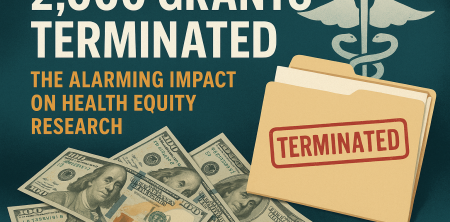
The recent decision to terminate over 2,000 scientific grants has sent shockwaves through the research community, particularly affecting health equity initiatives and those led by Black, Indigenous, and people of color (BIPOC). This drastic measure, reported in June 2026, raises critical scientific grant funding issues that not only impact researchers but also the communities they serve. The implications of these cuts are profound and multifaceted, revealing the precarious state of public health funding and its relationship with systemic equity.
The Context of Grant Cancellations
In the landscape of public health, grants often represent the lifeline for researchers striving to address pressing health disparities. With the termination of over 2,000 grants, primarily targeting health equity research, the stakes are incredibly high. This move, seemingly abrupt and politically charged, has drawn intense scrutiny from various sectors, including academia, public health advocacy, and community organizations.
This funding disruption isn’t just a financial issue—it’s a societal one. Researchers, particularly those from minority backgrounds, find themselves at the mercy of shifting political winds. For instance, previous funding decisions were often rooted in a desire to promote inclusive research that addresses the unique health challenges faced by marginalized communities. Now, that progress hangs in the balance.
The Affected Research Areas
Health equity research often focuses on understanding and mitigating the disparities experienced by BIPOC communities. This includes studies on chronic diseases, maternal health, and mental health interventions tailored to these populations. The loss of funding in these areas is a severe blow to efforts aimed at understanding and overcoming systemic barriers that lead to unequal health outcomes.
Funding cuts can stifle innovation in public health. For instance, researchers working on community-based interventions, which often require extensive fieldwork and collaboration with local organizations, may find their projects unviable without grant support. The ripple effects of such funding shortages could hinder evidence-based programs that are essential for equitable health solutions.
The Political Landscape
This decision did not occur in a vacuum. The political climate around public health funding has become increasingly contentious. The past few years have seen heightened polarization regarding health policies, especially those aimed at addressing equity issues. Critics argue that the cancellation of these grants reflects a broader trend of neglecting the health needs of minority communities in favor of more mainstream, less controversial research.
Such political maneuverings raise questions about the motivations behind funding decisions. Are they truly based on the merit of research proposals, or are they influenced by political agendas? This uncertainty only adds to the anxiety surrounding scientific grant funding issues, as researchers grapple with how to secure funds in a potentially hostile environment.
The Emotional Toll on Researchers
For researchers, the emotional impact of grant terminations can be devastating. Many individuals dedicate years of their lives to develop proposals, engage with communities, and build networks necessary for successful research. Losing funding can feel like a personal and professional setback, particularly for those whose work is deeply intertwined with their commitment to social justice.
Moreover, researchers from BIPOC backgrounds may face additional challenges. They often navigate a landscape marked by both systemic barriers and the pressure to produce impactful results in the face of adversity. The termination of grants can amplify feelings of isolation and frustration among these researchers, making it even more critical to foster supportive academic environments.
The Future of Health Equity Research
With the cancellation of such a significant number of grants, what does the future hold for health equity research? Many experts fear that the long-term consequences could reverse gains made in recent years. As funding decreases, so too does the capacity to conduct research that addresses the nuanced needs of diverse populations. (See: CDC on health disparities.)
Additionally, the academic community risks becoming less diverse, as fewer minority researchers are able to secure funding and continue their work. This could lead to a homogeneity in research perspectives, limiting the scope of public health interventions and strategies that adequately address the complexities of health equity.
Community Responses and Advocacy
In the wake of these funding cuts, many communities and advocacy groups have mobilized to voice their concern. Grassroots organizations are rallying to demand transparency and accountability from funding bodies, emphasizing the need for equitable support for research that serves marginalized populations. Social media campaigns and public demonstrations have become common, as advocates seek to draw attention to the importance of maintaining funding for health equity initiatives.
Such advocacy efforts highlight a growing recognition of the interconnectedness of research and community well-being. As communities express their dissatisfaction with funding decisions, the push for inclusive policies becomes more pronounced. This kind of activism illustrates how the community can play a vital role in shaping funding priorities and supporting equitable research.
Institutional Responses to Funding Cuts
Universities and research institutions are not sitting idly by in the face of these cuts. Many are reassessing their funding strategies and seeking alternative sources of support. Some institutions are exploring partnerships with non-profit organizations and private foundations that are committed to advancing health equity research.
Additionally, institutions are recognizing the importance of supporting their researchers during difficult times. This may include providing resources for grant writing, mentorship programs, and networking opportunities—essential tools for those navigating the increasingly competitive funding landscape. By fostering a supportive environment, institutions can help ensure that vital research continues despite funding disruptions.
Long-Term Implications for Public Health Policy
The cancellation of these grants will likely have long-term implications for public health policy. As funding for health equity research dwindles, policies informed by evidence may become less representative of the needs of diverse populations. This could lead to a public health agenda that fails to address—or worse, exacerbates—existing disparities.
Ensuring that public health policies are grounded in robust, diverse research is essential for creating equitable outcomes. Policymakers must recognize the critical role of scientific inquiry in shaping effective public health strategies. Without adequate funding for health equity research, the risk of inefficient or ineffective policies increases significantly.
Moving Forward: Strategies for Researchers
For researchers grappling with the fallout from these grant cancellations, it’s crucial to adopt adaptive strategies. Here are some actionable steps to consider:
- Networking: Build connections with other researchers and organizations focused on health equity. Collaboration can amplify efforts and open doors to new funding opportunities.
- Diversifying Funding Sources: Explore non-traditional funding sources, such as crowdfunding, private foundations, or public-private partnerships that support health equity initiatives.
- Advocacy: Engage in advocacy to raise awareness about the importance of health equity research. Mobilize support from community organizations and stakeholders.
- Flexibility: Be open to adapting research proposals to align with funding priorities while maintaining a focus on health equity.
By implementing these strategies, researchers can better position themselves to navigate the current funding landscape and continue their essential work.
Frequently Asked Questions (FAQs)
What are the main issues surrounding scientific grant funding?
The main issues include political influences on funding decisions, inequities in resource allocation, and the impact of funding cuts on the diversity and scope of research projects, particularly in health equity.
How do funding cuts specifically affect health equity research?
Funding cuts can lead to reduced capability to conduct research that addresses the unique health needs of marginalized populations. This includes fewer studies on chronic diseases, maternal health, and mental health, ultimately exacerbating existing disparities.
What can advocacy groups do in response to funding cuts?
Advocacy groups can mobilize communities, raise awareness through campaigns, demand accountability from funding bodies, and work towards more inclusive policies that prioritize health equity research. (See: NIH's commitment to health equity.)
How can researchers cope with the current funding landscape?
Researchers can diversify their funding sources by exploring private foundations, non-profit partnerships, and unconventional funding methods like crowdfunding. They should also network with other researchers to bolster collaborative efforts.
What role do institutions play in supporting researchers during funding cuts?
Institutions can provide mentorship, resources for grant writing, and foster partnerships with organizations that support health equity initiatives. Their support can help researchers navigate challenges and continue their work.
Is there hope for the future of health equity research despite current challenges?
Yes, there is hope. While the funding landscape is challenging, increased advocacy, community mobilization, and a commitment to diversity in research can create pathways for future funding and advancements in health equity research.
Alternative Funding Models for Research
With the traditional grant funding model experiencing turbulence, researchers are exploring alternative funding models that may provide more stability and support for health equity initiatives. One promising approach is the use of public-private partnerships. These collaborations can leverage resources from both government and private entities to fund research that aligns with mutual goals of improving health outcomes.
Additionally, crowdfunding has emerged as a viable option for some researchers. Platforms like GoFundMe and Experiment.com allow researchers to present their projects directly to the public, who can then choose to support them financially. This model not only diversifies funding sources but also engages the community, raising awareness about specific health issues and the importance of research.
The Role of Technology in Securing Funding
Technology plays an increasingly vital role in the pursuit of research funding. Online grant databases and platforms that aggregate funding opportunities can help researchers identify potential sources of support more efficiently. For example, websites like GrantForward and Foundation Center provide searchable databases where researchers can learn about various funding opportunities that may align with their projects.
Moreover, technology can facilitate collaboration and networking among researchers. Virtual conferences and online forums allow researchers to share ideas, discuss funding strategies, and form partnerships that can enhance their chances of securing grants. Social media platforms can also serve as powerful tools for advocacy, helping to raise awareness about the importance of health equity research and mobilizing support.
Case Studies: Successful Adaptations in Health Equity Research
Several institutions and research teams have successfully adapted to the changing funding landscape, demonstrating resilience and creativity in pursuing health equity research. For instance, the Center for Health Equity at the University of Pennsylvania pivoted to focus on partnership initiatives with local health organizations, which helped them secure alternative funding while continuing to address the health disparities in Philadelphia.
Another example comes from the Community Engagement Research Program at the University of Michigan. Facing funding challenges, they turned to innovative strategies such as community-based participatory research (CBPR), which directly involves community members in the research process. This approach not only strengthens community ties but also attracts funding from sources interested in supporting research that has direct community benefits.
The Global Perspective on Health Equity Research Funding
While the current situation in the U.S. raises significant concerns, it's also essential to consider the global perspective on health equity research funding. Many countries face similar challenges, where funding is often disproportionately allocated based on political interests rather than actual health needs. For instance, health initiatives in low- and middle-income countries frequently depend on international aid, which can be inconsistent and subject to the whims of donor countries. (See: AP News coverage on health funding.)
Global health organizations like the World Health Organization (WHO) and the Global Fund have been pivotal in funding research initiatives aimed at reducing health disparities worldwide. However, reliance on such external funding sources can lead to gaps in research priorities that are truly reflective of local needs. Strengthening local capacity to fund and conduct health equity research is vital for sustainable progress.
The Importance of Interdisciplinary Approaches
One way to navigate the complexities of health equity research is through interdisciplinary collaboration. By bringing together experts from various fields—such as epidemiology, sociology, environmental science, and public policy—researchers can develop a more holistic understanding of the factors contributing to health disparities. These collaborations can lead to innovative solutions that address the root causes of inequities, rather than just their symptoms.
For example, urban planners working alongside public health researchers can design community spaces that promote physical activity, improving health outcomes for marginalized populations. Such interdisciplinary projects are more likely to attract diverse funding sources, as they appeal to a broader range of stakeholders interested in tackling social determinants of health.
Innovative Practices in Grant Writing
As competition for grants intensifies, researchers need to refine their grant-writing skills to stand out. Innovative practices in grant writing can make a significant difference in securing funding. This includes crafting compelling narratives that not only present the research question and methodology but also illustrate the community impact. Funders are increasingly looking for projects that demonstrate real-world relevance and potential for driving change.
Additionally, incorporating storytelling techniques can engage reviewers emotionally. By sharing personal experiences or testimonials from community members, researchers can humanize their proposals, making the case for why their work matters. Furthermore, collaborating with experienced grant writers or participating in workshops can enhance the quality of submissions and improve the chances of funding.
Conclusion: The Path Ahead
The termination of over 2,000 grants highlights a critical juncture in the funding of health equity research. The implications of these cuts extend beyond individual researchers—they resonate deeply within the communities impacted by health disparities. As researchers, institutions, and advocates grapple with the reality of reduced funding, the call for action becomes clearer: now is the time to prioritize equity in public health funding.
In confronting the challenges posed by these funding disruptions, it's vital to remain vigilant and proactive. The future of health equity research depends on collective efforts to advocate for inclusive policies and to ensure that the voices of marginalized communities are heard and valued in the scientific discourse. The road ahead may be challenging, but the pursuit of health equity must continue undeterred.
```
Trending Now
Frequently Asked Questions
What are the implications of terminating 2,000 grants for health equity research?
The termination of over 2,000 grants significantly impacts health equity research, particularly affecting initiatives aimed at addressing health disparities faced by BIPOC communities. This funding disruption threatens the progress made in understanding and mitigating systemic barriers to health, potentially stalling innovative public health interventions.
How do funding cuts affect researchers from minority backgrounds?
Funding cuts disproportionately affect researchers from minority backgrounds, who often rely on grants to address unique health challenges within their communities. These financial disruptions can hinder their ability to conduct essential research, ultimately affecting the health outcomes of marginalized populations.
What areas of health equity research are impacted by grant terminations?
The areas most affected by the termination of grants include chronic disease studies, maternal health, and mental health interventions tailored to BIPOC communities. These cuts threaten vital research aimed at understanding and overcoming health disparities experienced by these populations.
Why is health equity research important?
Health equity research is crucial as it seeks to identify and address health disparities faced by marginalized communities. By understanding the unique challenges these groups face, researchers can develop targeted interventions that promote equitable health outcomes and reduce systemic barriers.
What can be done to support health equity research after grant terminations?
To support health equity research following grant terminations, stakeholders can advocate for increased funding, promote awareness of health disparities, and encourage collaborations between academia and community organizations. Additionally, fostering political support for inclusive research initiatives is essential for rebuilding momentum in this critical area.
(Health equity advocacy in Brussels)
Agree or disagree? Drop a comment and tell us what you think.

