```html
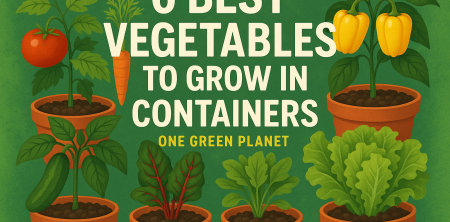
Growing your own food has become increasingly popular, and for good reason. Whether you're short on space or just want to try your hand at gardening, container vegetables are an excellent option. You don't need a sprawling backyard to enjoy homegrown produce; a simple balcony or patio can suffice. In this article, we’ll explore the six best vegetables to cultivate in containers, providing you not only with practical tips but also insights into why these selections are ideal for container gardening.
1. Tomatoes: The Container King
Tomatoes are often regarded as the quintessential container vegetable, and it’s easy to see why. They thrive in pots, providing vibrant colors and delicious flavors that make any dish better. When choosing tomato varieties for containers, look for determinate types, which grow to a certain height and produce fruit all at once. Popular choices include 'Patio Princess' and 'Tiny Tim.'
To grow tomatoes successfully in containers, opt for pots that are at least 5 gallons in size. This size allows ample room for root development. Ensure you use a high-quality potting mix enriched with nutrients. Additionally, tomatoes require plenty of sunlight—ideally 6-8 hours a day—so place your pots in a sunny area. Regular watering is essential, particularly in warmer months, but avoid waterlogged conditions as they can lead to root rot.
2. Bell Peppers: Colorful and Flavorful
Bell peppers are another fantastic choice for container gardening. They come in a variety of colors—red, yellow, green, and even purple—making them visually appealing as well as nutritious. Bell peppers are generally compact plants, which means they adapt well to container life and can grow successfully in pots as small as 3 gallons.
To ensure a bountiful harvest, select a sunny spot for your bell pepper plants. Like tomatoes, they require around 6-8 hours of sunlight daily. Regular fertilization is also key; consider using a balanced fertilizer or one specifically formulated for vegetables. Keep the soil consistently moist but not soggy, and you’ll enjoy a colorful and tasty harvest within a few months.
3. Lettuce: Quick and Easy Greens
For those who crave fresh greens without the long wait, lettuce is a must-try container vegetable. With a variety of types to choose from—such as romaine, butterhead, and leaf lettuce—you can diversify your salads easily. Lettuce grows quickly and can be harvested in as little as 30 days after planting.
When growing lettuce in containers, choose a pot that is at least 12 inches deep to allow for proper root growth. Opt for a lightweight potting mix that retains moisture yet drains well. Lettuce prefers cooler temperatures, so it's best to plant it in the spring or fall. Regular harvesting, or cutting the outer leaves while leaving the inner leaves to continue growing, will encourage more growth and ensure you have a continual supply of fresh greens.
4. Radishes: Fast and Flavorful
If you’re looking for instant gratification in your gardening experience, radishes are your answer. This root vegetable matures in just about three to four weeks, making it one of the fastest options for container gardening. Plus, their peppery flavor adds a delightful kick to salads and dishes.
Radishes require minimal space, so they can grow well in pots as small as 6-8 inches. Choose a shallow container with good drainage, and fill it with a quality potting mix. They prefer cooler weather, so spring or fall planting is ideal. Regular watering is crucial, especially during dry spells, as radishes can become woody if stressed. With a little care, you'll be enjoying your homegrown radishes in no time!
5. Herbs: Aromatic Additions
While not a vegetable in the strictest sense, herbs are essential companions to any container garden. They complement your vegetables beautifully and provide fresh flavors to myriad dishes. Some of the easiest herbs to grow in containers include basil, parsley, cilantro, and chives. Best of all, they can be grown in smaller pots, making them perfect for limited spaces.
Herbs generally thrive in well-drained soil and require about 6 hours of sunlight daily. Ensure you’re using pots with drainage holes to prevent root rot. Regularly trimming your herbs not only encourages bushier growth but also keeps them producing fresh leaves. You can rotate herb varieties to keep your container garden vibrant and aromatic throughout the seasons.
6. Carrots: A Crunchy Surprise
Carrots are often overlooked as a container vegetable, but they can thrive in pots if given the right conditions. Unlike many other vegetables, carrots grow well in deeper containers—generally, a pot about 12 inches deep is ideal. This allows the roots to develop fully, yielding a more flavorful and crunchy carrot.
Choose shorter or rounder varieties, like 'Parisian' or 'Little Finger,' which are more suited for container growth. Use a loose, well-draining potting mix to prevent the roots from becoming stunted. Carrots prefer cooler temperatures, so they can be planted in early spring or late summer. Keep the soil consistently moist, and you'll soon be rewarded with crisp, homegrown carrots. (See: USDA vegetable gardening resources.) For more on this, see Organic vegetable gardening tips.
7. Container Vegetable Tips for Success
While the six vegetables listed above are some of the best choices for container gardening, there are essential tips that can help ensure your success. First and foremost, always select the right-sized container for your plants. The larger the container, the more space there is for roots to grow, leading to healthier plants.
Secondly, pay attention to the drainage. Good drainage is vital for container vegetables to flourish. Always use pots with drainage holes and a suitable potting mix. Regular watering is also crucial—check the soil moisture frequently and water as needed, especially during dry spells. Lastly, don’t forget about fertilization. Container vegetables can deplete soil nutrients quickly, so regular feeding with an organic or balanced fertilizer will support vigorous growth.
8. Embracing Container Gardening
Container gardening is not just about growing vegetables; it’s a gateway to a fulfilling and sustainable lifestyle. Whether you’re an urban dweller with limited space or simply someone who enjoys the flexibility of container gardening, the benefits are abundant. Not only do you get fresher produce, but you also engage in a therapeutic and rewarding hobby.
As you cultivate your container vegetables, you’ll experience the joy of watching your plants thrive and produce food right at your doorstep. Plus, there’s something immensely satisfying about cooking with ingredients you’ve grown yourself. So, whether you're trying tomatoes, peppers, or herbs, container gardening offers endless possibilities and delicious rewards.
9. Additional Vegetables for Container Gardening
While we’ve highlighted some of the best container vegetables, there are many other options worth considering. Here are a few more vegetables that can thrive in containers and add diversity to your garden.
Swiss Chard
Swiss chard is a highly nutritious leafy green that can be grown in containers. It’s known for its vibrant stems and can be harvested continuously throughout the growing season. With a pot of at least 12 inches deep, Swiss chard can flourish and provide a colorful addition to your salads and dishes.
Green Beans
Green beans, particularly bush varieties, adapt well to container gardening. They are relatively easy to grow and can produce a plentiful harvest. Using a container that can hold at least 5 gallons allows for the development of strong plants that can yield beans in as little as 50-60 days.
Spinach
Spinach is another quick-growing green that can be planted in containers. It thrives in cooler temperatures and can be harvested multiple times by cutting the outer leaves. A pot that is 8-12 inches deep is sufficient for spinach, which can be planted early in the spring or in the fall for a late harvest.
Peas
Peas, particularly dwarf varieties, can be an excellent addition to your container garden. They require a support structure, such as a trellis, but can thrive in a pot as small as 12 inches. Peas grow best in cooler weather, making them an ideal early spring vegetable.
10. Container Garden Layout Ideas
Thinking about how to arrange your container garden can also impact your success. When planning your layout, consider the following:
Sunlight Needs
Group plants based on their sunlight requirements. For example, place sun-loving plants like tomatoes and peppers in the sunniest spots, while shade-tolerant herbs can be positioned in areas that receive less direct sunlight.
Height Variation
Create visual interest by varying the height of your containers. Taller plants, like tomatoes, can be placed in the back or center of a grouping, while shorter plants, like radishes and herbs, can be placed in front or on the edges.
Companion Planting
Consider companion planting when planning your layout. Some plants can benefit from each other when grown close together. For example, planting basil next to tomatoes can enhance the flavor of the tomatoes while also deterring pests.
11. Common Challenges in Container Gardening
Even with the best intentions, you might encounter some challenges while gardening in containers. Here are a few common issues and how to address them: (See: CDC on the benefits of vegetables.)
Overwatering
Container vegetables are prone to overwatering, which can lead to root rot. To combat this, ensure your containers have proper drainage and check the soil moisture regularly. Always allow the top inch of soil to dry out before watering again.
Pest Management
Pests can be just as much a problem in container gardens as in traditional gardens. Regularly inspect your plants for signs of pests like aphids or spider mites. Natural remedies, such as neem oil or insecticidal soap, can be effective in managing pest populations without harmful chemicals.
Soil Nutrient Deficiency
Container vegetables are more susceptible to nutrient deficiencies due to limited soil volume. Regularly adding organic fertilizer or compost can help maintain nutrient levels and promote healthy plant growth.
12. Frequently Asked Questions (FAQ)
Here are some common questions people have about growing container vegetables:
Can I grow container vegetables indoors?
Absolutely! Many container vegetables can be successfully grown indoors, particularly if you have a sunny spot or adequate grow lights. Herbs, lettuce, and small pepper varieties are great candidates for indoor gardening.
What size containers do I need for container vegetables?
The size of the container depends on the type of vegetable you're growing. Generally, larger vegetables like tomatoes benefit from 5-gallon pots, while smaller veggies like radishes can thrive in pots as small as 6 inches.
How often should I water my container vegetables?
Watering frequency can vary based on weather conditions, but a good rule of thumb is to check the top inch of soil. If it feels dry, it’s time to water. During hotter months, you may need to water daily.
Can I reuse potting soil from last year?
Yes, you can reuse potting soil, but it’s recommended to refresh it by mixing in new nutrients, compost, or fertilizers. This ensures your plants have the necessary nutrients for healthy growth.
Do I need to fertilize my container vegetables?
Yes, regular fertilization is important for container vegetables since nutrients can deplete quickly. Using a balanced fertilizer every 4-6 weeks can help support growth and fruit production.
13. Additional Container Vegetable Varieties to Consider
While the vegetables mentioned earlier are fantastic choices for container gardening, you might also want to explore other varieties that can thrive in limited spaces. Each of these options has unique flavors and uses in the kitchen.
Beets
Beets are not only vibrant in color but also packed with nutrients. These root vegetables can grow well in containers, especially if you choose varieties like 'Detroit Dark Red' or 'Golden Beets.' A pot with a depth of at least 12 inches allows for adequate root development. Plus, the greens are edible and can be harvested alongside the roots for added nutrition.
Zucchini
Zucchini is a prolific producer and can be grown in large containers (5 gallons or more). This plant does well in sunny spots and needs regular watering and fertilization. Look for compact varieties like 'Patio Star' that are specifically bred for container growth. (See: Research on container gardening.)
Eggplant
Eggplants are another excellent choice for container gardens. They require similar care to tomatoes and prefer warm temperatures. Varieties like 'Fairy Tale' or 'Little Finger' are well-suited for pots. Ensure you provide support for the fruits as they develop, and watch for any pests that may be attracted to these plants.
14. Seasonal Considerations for Container Vegetables
Understanding the seasons can help you maximize your container gardening success. Here’s a quick overview of what to consider for each season:
Spring
Spring is the ideal time to start most container vegetables, particularly leafy greens, radishes, and peas. As temperatures warm up, you can also start planting tomatoes and peppers. Make sure to harden off your seedlings before placing them outdoors permanently.
Summer
During summer, focus on maintaining moisture levels in your containers as the heat can quickly dry out the soil. This is the time for harvesting early crops like lettuce and radishes while continuing to care for tomatoes, peppers, and eggplants.
Fall
Fall can be a great time to plant cool-weather crops like spinach, kale, and chard. You might also be able to extend the harvest of other vegetables by using row covers to protect them from early frosts.
Winter
Depending on your climate, container gardening may slow down in winter. However, if you live in a milder area, you can still grow hardy vegetables like kale and certain herbs. Consider using cold frames or moving containers to sheltered areas to extend your growing season.
15. Container Gardening as a Sustainable Practice
Container gardening is not just convenient; it also promotes sustainability. Growing your own vegetables reduces reliance on store-bought produce, minimizing carbon footprints associated with transportation. Plus, you can control the use of pesticides and fertilizers, making your gardening practices more environmentally friendly.
Additionally, container gardening encourages biodiversity. By growing a variety of plants, you can support local pollinators and create a more robust ecosystem in your garden. This practice can help you connect more deeply with nature while contributing positively to your surrounding environment.
16. Conclusion: The Joy of Container Vegetables
Container gardening opens up a world of possibilities for growing your own food, regardless of space constraints. By selecting the right vegetables, using the proper techniques, and staying mindful of your plants' needs, you can enjoy a thriving container garden filled with delicious, homegrown produce. With a bit of patience and care, container vegetables can not only enhance your meals but also bring joy and satisfaction to your gardening journey.
```
Trending Now
Frequently Asked Questions
What are the best vegetables to grow in containers?
The best vegetables to grow in containers include tomatoes, bell peppers, lettuce, radishes, herbs, and cucumbers. These plants are well-suited for limited space and thrive in pots, making them ideal for balcony or patio gardening.
How do you grow tomatoes in containers?
To grow tomatoes in containers, choose determinate varieties that reach a specific height. Use at least a 5-gallon pot with high-quality potting mix, ensure they receive 6-8 hours of sunlight daily, and water regularly while avoiding waterlogged conditions.
Can you grow bell peppers in pots?
Yes, bell peppers can be successfully grown in pots. They adapt well to container life, and pots as small as 3 gallons are sufficient. Ensure they receive plenty of sunlight and regular fertilization for optimal growth.
What size container is best for growing vegetables?
The size of the container depends on the vegetable type; for tomatoes, use at least a 5-gallon pot, while bell peppers can thrive in 3-gallon pots. Adequate space is crucial for root development and overall plant health.
How much sunlight do container vegetables need?
Container vegetables generally require 6-8 hours of sunlight each day. Placing your pots in a sunny area will help ensure healthy growth and maximize your harvest.
What's your take on this? Share your thoughts in the comments below — we read every one.

