```html
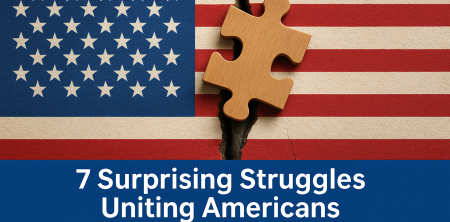
In a country that feels increasingly fragmented, a new bipartisan report reveals a shocking truth: Americans from across the political spectrum are grappling with many of the same daily challenges. Released just ahead of the United States’ 250th anniversary, this report highlights a crucial yet often overlooked aspect of our society — the shared struggles that bind us, even as we navigate the deep political divides in America.
The Report: A Call for Unity
The bipartisan nature of the report lends it significant credibility and urgency. Coming at a time when the nation is preparing to celebrate a major milestone, it serves as a stark reminder that, despite our differences, we are still united by fundamental human experiences. The report outlines various categories of struggles, ranging from economic woes to social issues, emphasizing that these challenges know no political affiliation.
The authors of the report argue that understanding these shared issues could pave the way for more meaningful conversations across party lines. They contend that the recognition of common struggles can lead to a renewed focus on collaboration and solutions, rather than division and discord. As the nation approaches its 250th birthday, this message resonates even more deeply.
Common Struggles: A Closer Look
What are these struggles that unite Americans, regardless of their political beliefs? The report details a variety of issues that people face daily, showcasing the stark reality of life in a polarized nation. Here are some of the primary concerns highlighted in the report:
- Economic Insecurity: The ongoing economic struggles, particularly in the wake of the COVID-19 pandemic, have left many Americans feeling vulnerable. High inflation rates and rising costs of living are common grievances that affect both Democrats and Republicans alike.
- Healthcare Access: Access to affordable healthcare remains a significant issue for many families. The report notes that this issue transcends party lines, with individuals from all walks of life expressing frustration over rising medical costs and the complexities of navigating healthcare systems.
- Education Challenges: Education is another area where shared concerns emerge. Parents from diverse political backgrounds worry about the quality of education their children receive and the affordability of higher education.
- Social Issues: Issues like gun violence, racial discrimination, and immigration also resonate across party lines, albeit with varying perspectives on solutions. Many Americans express a desire for safer communities and more inclusive policies.
As we delve deeper into these struggles, it becomes clear that the commonalities extend beyond political affiliation. The emotional weight of these issues can foster empathy and understanding, laying the groundwork for constructive dialogue.
Shared Values: A Foundation for Collaboration
The report argues that while political divides in America often dominate headlines, they obscure a more profound truth: most Americans want the same things for themselves and their families. These include safety, prosperity, and opportunities for success. By focusing on these shared values, citizens can begin to bridge the divide.
In many cases, when individuals come together to discuss their aspirations, they find common ground that transcends political affiliation. This realization can foster collaboration within communities, encouraging citizens to work together to address the issues that matter most to them.
For instance, grassroots initiatives often emerge when people recognize shared values. Whether it’s advocating for better schools, healthcare access, or economic assistance programs, many Americans are willing to come together — regardless of their political leanings — to pursue meaningful change.
The Role of Media in Fostering Division
While the report sheds light on the common struggles uniting Americans, it also points a finger at the media for exacerbating political divisions. Much of the news coverage tends to focus on extreme viewpoints and contentious debates, often overshadowing the stories of everyday Americans facing similar challenges.
This phenomenon creates a narrative that suggests deep divisions are the norm, when in reality, most Americans are navigating life in much the same way. The media's tendency to amplify conflict can distort public perception, making it seem as though consensus is unattainable. This report stands as a reminder that unity is possible, even in today’s polarized climate.
Political Polarization: A Historical Perspective
To fully grasp the current state of political divides in America, it’s essential to look at the historical context. The nation has experienced various waves of polarization throughout its history, often tied to significant events such as wars, civil rights movements, and economic crises. Each of these periods brought about challenges that required unity and collaboration to overcome.
However, the current era of polarization is particularly striking due to the rapid advancement of technology and social media. These platforms can quickly amplify divisive rhetoric, creating echo chambers where individuals are exposed only to viewpoints that reinforce their beliefs. This dynamic can make it increasingly difficult to see the common struggles that many Americans share.
By understanding the historical context of political divides, it becomes easier to appreciate the importance of the bipartisan report. It serves as a clarion call, reminding us that while our differences may be pronounced, our shared humanity is far more significant. (See: shared struggles in America.)
Finding Solutions: The Path Forward
So, what can be done to bridge the political divides in America? One of the report's key recommendations is a renewed focus on community engagement and dialogue. By creating spaces where individuals from different political backgrounds can engage in open conversations, we can foster understanding and collaboration.
Additionally, investing in community programs that address shared struggles can help build trust among citizens. Programs aimed at improving education, healthcare access, and economic opportunities can unite individuals in common causes, encouraging them to work together toward shared goals.
Another vital step is to hold leaders accountable for fostering division. Politicians often rely on sensationalism to energize their base, but this approach can alienate moderate voices and hinder progress. Encouraging leaders to prioritize dialogue and bipartisanship is essential for building a more cohesive society.
Recognizing the Power of Empathy
One of the most powerful tools we have in combating political divides is empathy. The report emphasizes the importance of listening to others' experiences and recognizing that everyone is fighting their own battles. When individuals take the time to understand the struggles of others, it humanizes political discourse and creates an environment conducive to collaboration.
Empathy can also combat the isolation that often accompanies political polarization. When people feel understood and connected, they are more likely to engage in constructive conversations and work together to find solutions. By prioritizing empathy in our interactions, we can cultivate an atmosphere of mutual respect and understanding.
The Role of Education in Bridging Divides
Education plays a pivotal role in addressing the political divides in America. By fostering critical thinking skills and encouraging open dialogue about complex issues, educational institutions can equip future generations with the tools to engage with differing viewpoints thoughtfully.
Moreover, incorporating discussions about shared struggles into curricula can help students recognize common ground from an early age. Teaching students about the importance of collaboration and empathy can create a culture of understanding that transcends political affiliations.
In addition to traditional education, community organizations and local initiatives can also play a role in fostering understanding. Workshops, discussions, and events that bring diverse groups together can facilitate conversations about shared experiences and help build a sense of community.
The Importance of Local Engagement
While national politics often hogs the spotlight, local engagement is where real change often occurs. Communities that prioritize collaboration and dialogue can create a ripple effect, influencing broader political dynamics. The report underscores the significance of local initiatives, where individuals can come together regardless of their political beliefs to address community issues.
These local conversations can lead to grassroots movements that challenge polarization. By focusing on what unites us at the community level, we can foster a sense of belonging and shared purpose that transcends political divides. This localized approach can empower citizens to take action, addressing the struggles highlighted in the bipartisan report.
Challenges in Bridging the Divides
Despite the shared struggles and aspirations highlighted in the report, there are significant challenges to bridging the political divides in America. One major hurdle is the growing distrust in institutions, whether it’s the government, media, or educational systems. This skepticism can lead individuals to retreat further into their ideological corners, making it harder to foster constructive dialogue.
Another challenge is the prevalence of misinformation. The rapid dissemination of false information through social media can polarize opinions and reinforce existing biases. Combating misinformation is essential for creating an informed citizenry capable of engaging in meaningful discussions.
Additionally, there’s the challenge of identity politics, where individuals may prioritize their political identity over their values or concerns. This can create an environment where compromise is viewed as betrayal, further entrenching divisions.
Examples of Successful Unity Initiatives
Across the nation, there are numerous examples of initiatives that have successfully bridged divides. For instance, the “Better Angels” organization works to bring together individuals from opposing political viewpoints for open dialogues. Their workshops aim to foster understanding, promote empathy, and reduce the animosity that often accompanies political discussions. (See: bipartisan efforts for unity.)
Another example is community town hall meetings, where citizens come together to discuss local issues and collaborate on solutions. These forums allow individuals to hear directly from one another, fostering a sense of community and shared purpose.
Moreover, initiatives like “Braver Angels” aim to facilitate conversations across political divides through structured dialogues. Participants engage in discussions designed to promote empathy and understanding, allowing them to see each other as fellow Americans rather than adversaries.
Addressing Economic Disparities
One of the key factors contributing to political divides in America is economic disparity. The report highlights how economic challenges disproportionately affect different demographics, creating a sense of injustice and frustration that can lead to political polarization. Addressing these disparities is crucial for fostering unity.
Programs focused on economic development in underserved communities can help alleviate some of these issues. Initiatives that offer job training, support for local businesses, and educational opportunities can empower individuals and foster a sense of collective progress.
Statistics suggest that economic mobility is declining in many parts of the country. According to a report by the Pew Charitable Trusts, fewer Americans are moving up the income ladder than in previous decades. Tackling these economic issues can help unite diverse communities in pursuit of shared goals.
Health and Well-Being as a Unifying Factor
Healthcare access is not just a political issue; it's a deeply personal one that affects families across the spectrum. The COVID-19 pandemic highlighted the importance of health and well-being, revealing stark disparities in healthcare access and outcomes. Many Americans share the common concern of wanting quality healthcare for themselves and their families.
Addressing these healthcare inequalities can be a powerful way to unite individuals. Community health initiatives that focus on preventative care, mental health support, and wellness programs can bring people together, creating a shared goal of improving overall community health.
Public health campaigns that emphasize unity and collective responsibility can foster collaboration across political divides. When individuals work together to address health challenges, they can create a sense of solidarity that transcends their ideological differences.
Understanding the Role of Youth in Bridging Divides
The younger generation plays a critical role in shaping the future of political dialogue in America. Research indicates that younger Americans are more open to diverse perspectives and more likely to engage with individuals from different backgrounds. By encouraging youth involvement in civic engagement and community organization, we can cultivate an environment that prioritizes collaboration over division.
Programs that empower young people to lead discussions about shared values and challenges can help create a more cohesive society. Schools and community organizations can facilitate these discussions, fostering a culture of understanding that the next generation can carry forward.
FAQ: Understanding Political Divides in America
What are the main causes of political divides in America?
Political divides in America can be attributed to a variety of factors including economic disparities, misinformation, identity politics, and the influence of social media. The growing distrust in institutions has also contributed to polarization.
How can communities work to bridge these divides?
Communities can bridge divides by fostering open dialogue, prioritizing empathy, and engaging in local initiatives that address shared struggles. Town hall meetings, community workshops, and grassroots movements can create spaces for understanding and collaboration.
What role does the media play in exacerbating political divides?
The media often focuses on extreme viewpoints, which can create a distorted perception of the political landscape. Sensationalist coverage can amplify conflict and division, overshadowing the common experiences shared by most Americans. (See: political divides and common ground.)
How can education help in bridging political divides?
Education can foster critical thinking and encourage open dialogue about complex issues. Programs that incorporate discussions about shared values and struggles can help students recognize common ground and promote empathy from an early age.
What are some successful examples of initiatives aimed at fostering unity?
Organizations like “Better Angels” and community town hall meetings have been successful in creating spaces for dialogue across political divides. These initiatives encourage understanding and collaboration among participants, emphasizing shared experiences and goals.
The Impact of Political Divides on Mental Health
Beyond the political arena, the divisions can take a toll on mental health. A study from the American Psychological Association indicates that political disagreements can lead to increased stress, anxiety, and depression among individuals, particularly as families and friendships become strained over differing beliefs. Recognizing this impact is vital, as it not only affects individual well-being but also the fabric of our communities.
When people experience heightened anxiety over political discussions, it can create barriers to open dialogue. Promoting mental health support and creating safe spaces for discussions can alleviate some of this stress. Mental health professionals can play a crucial role in helping individuals navigate their feelings about political divides, ultimately fostering healthier conversations.
The Role of Technology in Shaping Political Conversations
Technology, particularly social media, has transformed the way we communicate and engage with politics. While it has the power to connect individuals and provide platforms for dialogue, it also has the potential to deepen divides. Algorithms often prioritize content that elicits strong emotional reactions, which can skew perceptions and amplify extreme viewpoints.
Strategies for using technology positively include promoting digital literacy programs that teach individuals how to navigate online information critically. Encouraging platforms to prioritize well-researched content and moderation can also help reduce the spread of misinformation and create a healthier online discourse.
A Vision for a More Unified Future
As we look toward a more unified future, it's important to envision how America might evolve if the emphasis shifted from division to collaboration. Imagine a society where community organizations, educational institutions, and local governments actively work together to address the common challenges outlined in the bipartisan report. Picture initiatives that focus on mental health, economic development, and educational reform, where diverse voices come together to find solutions.
In this ideal future, political affiliation would be just one aspect of individuals’ identities rather than the defining characteristic. Emphasizing human connection and shared values can lead to a more cohesive society. Engaging in projects that benefit the entire community, regardless of political leanings, can create a sense of belonging and shared purpose.
Conclusion: A Call to Action
The bipartisan report serves as a powerful reminder that despite the deep political divides in America, there is much that unites us. By recognizing our shared struggles, engaging in open dialogue, and prioritizing empathy, we can begin to bridge the gaps that separate us. As we approach the 250th anniversary of our nation, let us embrace this opportunity to foster unity and collaboration. It’s time to transform our shared experiences into a foundation for a stronger, more cohesive America. Let’s work together to ensure that the next chapter of our nation’s history is defined not by division, but by collaboration and understanding.
```
Trending Now
Frequently Asked Questions
What are the common struggles Americans face despite political divides?
Americans across the political spectrum share several common struggles, including economic insecurity, access to affordable healthcare, and social issues. These challenges transcend political affiliations and highlight the fundamental human experiences that unite individuals, encouraging collaboration over division.
How does the bipartisan report highlight unity among Americans?
The bipartisan report reveals that, despite significant political divides, Americans face shared challenges such as economic woes and healthcare access. This commonality emphasizes the need for meaningful conversations and collaboration, fostering a sense of unity as the nation prepares to celebrate its 250th anniversary.
Why is the bipartisan nature of the report significant?
The bipartisan nature of the report adds credibility and urgency to its findings, showcasing that people from different political backgrounds are experiencing similar struggles. This recognition can help bridge divides and promote discussions focused on collaboration and solutions.
What impact does economic insecurity have on Americans?
Economic insecurity, exacerbated by the COVID-19 pandemic, affects many Americans, leading to feelings of vulnerability. High inflation and rising living costs are prevalent issues that resonate with both Democrats and Republicans, highlighting a shared concern that transcends political lines.
How can recognizing shared struggles lead to political collaboration?
Recognizing shared struggles can pave the way for political collaboration by fostering understanding and empathy among individuals with differing beliefs. The report suggests that focusing on common challenges can shift the narrative from division to cooperation, encouraging actionable solutions.
What's your take on this? Share your thoughts in the comments below — we read every one.

