```html
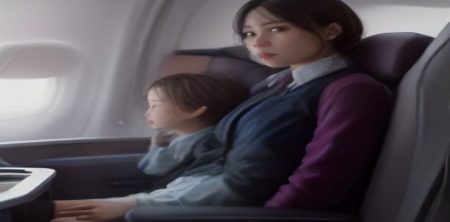
When you picture a family vacation, especially one involving air travel, what comes to mind? Likely, it's everyone together, perhaps a bit squished in economy, or if fortunes allow, enjoying the spacious comfort of business class as a unit. But a fascinating, and let's be honest, somewhat eyebrow-raising trend is bubbling up among affluent parents, challenging our conventional notions of family travel and privilege. We're talking about parents luxuriating in business or first class while their children are seated separately, further back in economy. It sounds counterintuitive, perhaps even a little harsh, but there's a method to this madness, rooted in a desire to instill financial discipline and a deep appreciation for the value of money in their kids. There's a fuller look at ConvertKit overview.
This isn't about cruelty; it's about a calculated parenting strategy that’s sparking heated debates online and among parenting experts. The core idea is simple: if you want your children to understand the effort and cost behind luxuries, sometimes you have to let them experience the difference firsthand. While many of us strive to give our children the best we possibly can, these parents are intentionally limiting those "best" experiences, particularly when it comes to travel. It’s a bold move, and one that requires careful consideration of its potential impacts, both positive and negative. Let's delve into why some parents are embracing this controversial approach, and what it might mean for the next generation.
1. The Philosophy of Deliberate Discomfort: Teaching the Value of Money
At the heart of this trend is a philosophy of deliberate discomfort, a conscious effort by parents to expose their children to less privileged circumstances, even when greater luxury is within reach. It's a direct response to the common dilemma faced by wealthy families: how do you prevent your children from growing up entitled, taking their advantages for granted? Entrepreneur Ankur Warikoo, a prominent advocate for this approach, speaks openly about his methods. He doesn't just tell his children "we can't afford it" when they ask for something extravagant. Instead, he teaches them to distinguish between 'needs' and 'wants,' fostering a more nuanced understanding of financial choices.
This isn't just about saving a few bucks on a plane ticket. It's about a holistic education in financial literacy and responsibility. By having their children experience economy class while they themselves enjoy business, parents aim to create a tangible lesson. The children see the difference in space, service, and overall comfort, prompting questions about why there's a disparity. This opens the door for conversations about cost, effort, and the choices adults make with their money. It’s a way of saying, "This comfort isn't free; it's earned, and it's a choice we make based on its value." It’s a proactive step to prevent the "golden cage" syndrome, where children of affluence grow up without a true grasp of real-world economics.
2. Fostering Independence and Problem-Solving Skills on the Go
Beyond the financial lessons, another compelling reason parents adopt this strategy is to cultivate independence and problem-solving abilities. Think about it: flying economy, especially on a long-haul flight, often comes with its own set of minor challenges. Limited legroom, shared armrests, potentially less attentive service, and the general bustle of a full cabin. For a child accustomed to having every need met, navigating these smaller discomforts can be a valuable learning experience. (financial literacy game)
When a child is in economy, they might need to figure out how to manage their limited space, resolve a minor squabble with a seatmate over an armrest, or independently ask a flight attendant for a drink or a blanket. These might seem like trivial things, but for a child who usually has everything handled by a parent or nanny, these are opportunities for growth. It encourages them to be more self-reliant, to communicate their needs effectively, and to adapt to situations that aren't perfectly tailored to them. For parents looking for effective parenting travel tips, encouraging this kind of independence, even if it means a little separation, can be quite impactful.
3. The 'Needs vs. Wants' Framework in Action
Warikoo's emphasis on 'needs' versus 'wants' is a cornerstone of this parenting philosophy. Many parents struggle with how to say "no" to their children, especially when they can afford the requested item or experience. Simply stating "we can't afford it" when it's clearly untrue can erode trust and create confusion. This alternative approach offers a more transparent and educational path.
By placing a child in economy, parents are implicitly demonstrating that basic travel (a 'need' for transportation) can be fulfilled adequately without the added luxuries (a 'want' for business class comfort). This physical separation becomes a living lesson. "Your need is to get from point A to point B, which economy fulfills perfectly. Our choice to fly business is a 'want' that comes with a higher cost and is a privilege we've earned." This framework helps children understand that while desires are natural, not every desire needs to be immediately fulfilled, especially when a perfectly acceptable, more cost-effective option exists. It's a way to teach discernment rather than just denial, a key component of robust parenting travel tips for the modern age.
4. Building Resilience and Delayed Gratification
In a world where instant gratification is often the norm, teaching children the power of delayed gratification is more important than ever. This parenting strategy directly addresses that. Imagine a child seeing their parents walk past them into a more comfortable cabin. The initial feeling might be disappointment or even a bit of envy. But these feelings, when processed with parental guidance, can be incredibly constructive. (See: teaching children about money management.)
Parents can explain that the ability to afford such luxuries comes from hard work, saving, and making strategic financial decisions over time. They might articulate that if the child wants to experience business class in the future, they'll need to work towards it themselves, perhaps through their own entrepreneurial endeavors or future careers. This fosters a long-term perspective, teaching them that significant rewards often require patience and effort. It builds resilience because they learn to cope with not always getting what they want immediately, understanding that some privileges are earned, not simply given.
5. Navigating Potential Pitfalls: Resentment and Misunderstanding
Of course, no parenting strategy is without its potential downsides, and this one is certainly no exception. A significant concern raised by some experts is the risk of fostering resentment or feelings of abandonment in children. Imagine being a young child and seeing your parents enjoying a separate, visibly superior experience. Without proper communication and context, this could easily be misinterpreted as a form of punishment or preferential treatment, rather than an educational tool.
The key here lies in clear, empathetic, and age-appropriate communication. Parents must explain *why* they are making these choices, framing it not as a deprivation but as a lesson. It's crucial to ensure the child feels loved and valued, despite the physical separation. If a child feels they are being singled out or treated unfairly, the intended lessons could be overshadowed by negative emotions, potentially damaging the parent-child relationship. This is where the delicate balance of this approach truly comes into play; it demands a high level of emotional intelligence from parents to succeed. Even with the best parenting travel tips, emotional connection remains paramount.
6. The Public Reaction: Viral Debates and Strong Opinions
This controversial parenting trend has, unsurprisingly, gone viral. It taps into deeply held beliefs about privilege, wealth, and what constitutes 'good' parenting. The online discussions are often heated, with strong opinions on both sides. Critics frequently argue that it's an unnecessary form of psychological manipulation, that it could traumatize children, or that it's simply a way for wealthy parents to justify indulging themselves while appearing virtuous.
On the other hand, proponents celebrate it as a refreshing, practical approach to raising financially savvy and grounded children in an increasingly consumerist world. They argue that traditional methods often fail to teach children about money effectively, and that experiential learning, even if it involves some discomfort, is far more impactful. This polarization makes the topic incredibly engaging, drawing in parents, educators, and even those without children, all eager to weigh in on what they believe is the 'right' way to raise kids with wealth. It's a testament to how deeply we care about the values we impart to the next generation, especially when it comes to the complex issues surrounding money and privilege. The discourse around these parenting travel tips is certainly lively! For more on this, see emerging career trends.
7. Beyond the Flight: Integrating Financial Literacy into Daily Life
While the business class/economy class scenario is a dramatic and visible example, the underlying principles of this parenting strategy extend far beyond air travel. It's about integrating financial literacy and responsibility into everyday life. This could mean involving children in household budgeting discussions, explaining the cost of utilities, or having them contribute to saving for larger family purchases.
Other practical applications include implementing an allowance system tied to chores or responsibilities, encouraging children to save a portion of their money, or even guiding them through simple investment concepts as they get older. The goal is to demystify money, making it a tool for understanding and empowerment rather than an abstract concept. Whether it’s choosing a more affordable family vacation spot or deciding between a brand-name toy and a generic one, these daily choices reinforce the lessons learned from bigger gestures like the airplane seating arrangement. Ultimately, these proactive parenting travel tips and life lessons aim to equip children with the skills to manage their finances wisely, regardless of their starting point in life.
8. The Long-Term Impact: From Childhood Lessons to Adult Habits
The hope of parents employing this strategy is that these lessons in childhood will translate into sound financial habits and a strong work ethic in adulthood. By understanding the true value of money and the effort required to earn it, children are theoretically better prepared to manage their own finances, avoid debt, and make informed investment decisions later in life. They might be more inclined to save for a significant purchase rather than relying on credit, or to pursue careers that genuinely interest them rather than simply chasing the highest salary without understanding its implications.
Moreover, proponents believe that this approach cultivates a sense of gratitude and humility. Children who have experienced both luxury and more basic conditions may develop a deeper appreciation for what they have, and perhaps even a greater empathy for those less fortunate. The aim is to raise adults who are not only financially capable but also grounded, resourceful, and understand that privilege is a gift to be stewarded wisely, not merely consumed without thought. It's a long game, but one that these parents believe is worth playing for the lasting benefit of their children.
9. Is This for Every Family? Tailoring the Approach
While fascinating, this specific parenting approach isn't a one-size-fits-all solution. The appropriateness and effectiveness of separating children and parents on flights, or similar deliberate limitations of privilege, depend heavily on the individual child's personality, age, and emotional maturity, as well as the family's overall dynamics and communication style. What works for a resilient, independent 12-year-old might be detrimental to a sensitive 7-year-old. (See: why children need to learn the value of money.)
For families considering such a strategy, open and honest discussions are paramount. It’s vital to explain the rationale to the child in an age-appropriate way, ensuring they understand the 'why' behind the decision. Furthermore, it's crucial to balance these lessons with ample displays of love, support, and quality time together. The goal is to educate, not to punish or create distance. Ultimately, effective parenting travel tips and broader financial education should always be tailored to the unique needs and understanding of each child, ensuring that any chosen method strengthens, rather than strains, family bonds and individual development.
10. Beyond the Plane: Applying Deliberate Discomfort to Other Travel Experiences
The airplane seating arrangement is a powerful, high-impact example, but the philosophy of deliberate discomfort isn't limited to air travel. Parents can extend these parenting travel tips to various other aspects of family trips, creating consistent learning opportunities. For example, instead of always opting for a five-star resort, a family might choose a more modest hotel or even a camping trip. This exposes children to different levels of comfort and service, teaching them that travel doesn't always have to be about ultimate luxury.
Another application could involve transportation at the destination. While parents might hire a private car service for themselves, children could be encouraged to use public transport with supervision. This teaches navigation skills, exposes them to local culture more directly, and underscores the cost difference between convenience and public options. Similarly, dining choices can reflect this philosophy. Instead of every meal being at a high-end restaurant, some meals could be from local markets or more budget-friendly eateries, again highlighting the spectrum of experiences and costs. The key is to make these choices intentional and to frame them as learning opportunities, not as deprivations, maintaining open communication about the reasons behind the decisions. See also educational apps for finance.
11. The Role of Technology: Managing Connectivity While Apart
In today's connected world, the practicalities of separating on a flight, especially with younger children, often bring up questions about communication. While the idea is to foster independence, absolute isolation isn't usually the goal. Many airlines now offer in-flight Wi-Fi, which can be a valuable tool for parents employing this strategy. A parent might text their child periodically to check in, or the child could message if they need something urgent.
For children who are old enough to have a phone or tablet, this also offers a chance to teach responsible device usage and managing battery life. It’s a balance: allowing enough independence for the lessons to sink in, while still providing a safety net and reassurance that parents are accessible. This also ties into the broader parenting travel tips for device management during trips – how much screen time is appropriate, and when should devices be put away to engage with the surroundings? This specific scenario adds another layer to that discussion, focusing on maintaining a connection even when physically separated.
12. Expert Perspectives: Psychology and Child Development
Child psychologists and developmental experts offer a range of opinions on this strategy. Some emphasize the importance of secure attachment and worry that physical separation, particularly on long-haul flights, could trigger anxiety in some children, especially those with pre-existing separation issues or younger kids. They stress that a child's sense of security is foundational, and any strategy that might undermine it needs careful consideration. A child needs to understand that the separation is temporary and purposeful, not a sign of being unwanted or neglected.
On the flip side, other experts highlight the benefits of age-appropriate challenges in building self-efficacy and resilience. They argue that when framed correctly and supported by loving communication, these experiences can be incredibly empowering. The key, they often point out, is the *delivery* of the lesson. It's not just *what* you do, but *how* you explain it and *how* you make your child feel loved and secure throughout the process. The impact depends heavily on the individual child's temperament and the quality of the parent-child relationship. Without a strong, trusting bond, even well-intentioned lessons can backfire, making these parenting travel tips a nuanced application of psychological principles.
13. Historical Context: Privilege and Upbringing Across Generations
This trend isn't entirely new in its essence; it echoes historical approaches to raising children of means. Historically, upper-class families often sent their children to boarding schools or had nannies raise them, separating them from the direct, constant presence of parents. The intent was often to instill discipline, independence, and specific social values. While the modern airplane scenario is different in scale and context, the underlying goal of preventing entitlement and preparing children for future responsibilities remains a thread throughout history.
In a globalized world where wealth can be amassed quickly and displayed prominently, the challenge of raising grounded children is perhaps more acute than ever. Previous generations might have had fewer overt displays of luxury, making the distinction less stark. Today, with social media amplifying perceptions of wealth and lifestyle, parents face renewed pressure to consciously counteract potential entitlement. This strategy, therefore, can be seen as a modern adaptation of long-standing parental concerns about the impact of privilege on character development, making it a relevant discussion for contemporary parenting travel tips.
Frequently Asked Questions about Parenting Travel Tips and This Strategy
Q1: Is this strategy only for very wealthy families?
While the business class/economy example is most stark among affluent families, the underlying philosophy of teaching financial literacy and independence can be adapted by any family. This might mean choosing a budget airline over a full-service one, or opting for a road trip instead of flying. The core idea is to make intentional choices that teach children about value, cost, and earning privileges, regardless of the family's income level.
Q2: At what age is it appropriate to separate children from parents on a flight?
There's no single "right" age. It depends entirely on the child's maturity, independence, and comfort level with flying alone (albeit in the same plane). Some parents might start with older children (10-12+) who are already quite self-sufficient, while others might feel their 15-year-old isn't ready. It's crucial to have open conversations with your child and assess their readiness, perhaps starting with shorter flights before attempting long-haul journeys.
Q3: What if my child gets upset or feels abandoned?
This is a significant concern and highlights the importance of communication. Before the trip, explain the "why" in a way they understand. During the flight, make sure they know you're accessible (via text, a quick visit if allowed, or knowing a flight attendant can reach you). Reassure them of your love and the purpose of the lesson. If a child consistently expresses distress, it might be a sign that the strategy isn't suitable for them, or that the approach needs adjusting to prioritize their emotional well-being.
Q4: How do I explain this to my children without making them feel bad?
Frame it as an opportunity for growth and learning, not a punishment. You can say something like, "We're going on an adventure, and part of that adventure is learning about different ways we can travel. Mommy and Daddy are choosing to experience a different kind of comfort this time, which costs more, and we've worked hard for that. You'll get to experience the standard way of traveling, which is perfectly fine, and it's a great chance for you to be independent and manage your own space." Emphasize that it's about choices and value, not about them being less deserving. This builds on edtech in financial education.
Q5: Are there legal or airline restrictions on children flying alone in economy while parents are in business/first?
Most airlines have policies regarding unaccompanied minors, but this usually applies to children flying entirely alone, without a parent or guardian on the same flight. If parents are on the same plane, even in a different cabin, children are typically not considered unaccompanied. However, it's always wise to check your specific airline's policy, especially concerning younger children, as some may have age minimums for sitting separately, even if a parent is on board.
Q6: What are some alternative parenting travel tips for teaching financial literacy without physical separation?
Plenty of ways! Involve kids in planning the travel budget: "We have X amount for this trip, how should we spend it on activities and food?" Let them earn their own spending money for souvenirs. Discuss the costs of different travel options (train vs. plane, budget hotel vs. luxury resort). Have them research destinations for cost-effective activities. The key is transparency and involvement, showing them the real-world implications of financial decisions.
```
Trending Now
Frequently Asked Questions
Why are some parents choosing to fly business class while their kids are in economy?
Some affluent parents opt to fly business class while their children are in economy as a strategy to teach financial discipline and the value of money. This deliberate discomfort aims to expose kids to less privileged circumstances, helping them appreciate luxuries and avoid entitlement.
What are the benefits of parents flying separately from their children on flights?
Flying separately allows parents to enjoy a more comfortable experience while teaching their children important lessons about money management and the value of experiences. It encourages kids to understand the effort behind luxuries and fosters a sense of appreciation for what they have.
Is it common for wealthy families to separate travel arrangements for their children?
Yes, this trend is becoming increasingly common among wealthy families. Parents believe that by allowing their children to experience economy class, they can instill a greater appreciation for financial realities and prevent feelings of entitlement.
What do experts say about the practice of parents flying business class while kids are in economy?
Experts are divided on this practice. Some argue it can be a valuable lesson in financial awareness, while others warn it may lead to feelings of abandonment or resentment in children. The effectiveness of this approach largely depends on the family dynamics and communication.
How can parents teach their children the value of money while traveling?
Parents can teach their children the value of money while traveling by choosing budget-friendly accommodations, involving them in travel planning, and discussing the costs associated with travel. Allowing kids to experience different travel classes can also serve as a practical lesson in financial appreciation.
Have you experienced this yourself? We'd love to hear your story in the comments.

