```html
It's a conversation happening at dinner tables, in schoolyards, and frankly, in the deepest anxieties of parents everywhere: What exactly is social media doing to our kids? It feels like an unstoppable force, a digital tide that's swept over an entire generation, leaving us to wonder about the long-term consequences. For years, we've relied on anecdotal evidence, gut feelings, and the occasional alarming news report. But now, finally, there's a concerted effort to get some real answers, backed by serious academic rigor.
That's why the recent announcement from Rutgers University is such a significant development. On October 19, 2026, New Jersey Governor Mikie Sherrill and Higher Education Secretary Margo Chaly unveiled plans for the New Jersey Social Media Research Center. This isn't just another academic initiative; it's a direct response to a burgeoning public health crisis. With a substantial $500,000 in state funding, this new center is specifically tasked with investigating the nuanced, often insidious, social media impact on children and teenagers. It's a recognition that we can no longer afford to guess; we need data, we need evidence, and most importantly, we need solutions.
The Genesis of a Critical Research Hub
The establishment of the New Jersey Social Media Research Center isn't happening in a vacuum. It reflects a palpable, widespread parental anxiety that has been building for years. Every parent I know, myself included, has grappled with the dilemma of screen time, the fear of cyberbullying, and the unsettling feeling that these platforms are designed to be addictive. This funding, a half-million dollars from the state, signifies that policymakers are finally catching up to what parents have known instinctively: the digital landscape our children inhabit is fraught with peril, and we lack the comprehensive understanding to effectively guide them through it.
This initiative goes beyond just acknowledging a problem; it's about proactively seeking concrete, actionable insights. The goal isn't just to document the negative social media impact on children, but to understand the mechanisms behind it. What specific platform features, for instance, contribute to the mental health struggles we're seeing? How do infinite scrolls, 'likes,' and carefully curated feeds impact developing brains? These are the kinds of questions that will drive the center's research, moving us past broad generalizations to pinpoint interventions.
Unpacking the Core Mission: From Features to Fixes
What makes the New Jersey Social Media Research Center particularly promising is its multi-faceted approach. It's not content to merely identify issues; it aims to move from diagnosis to prescription. The research will delve deep into how specific platform functionalities – from algorithmic recommendations to notification systems – contribute to two major concerns: mental health problems and addictive behaviors among young users. This is a crucial distinction. It's not just about the content itself, but the architecture of the platforms that delivers it, and how that architecture exploits developmental vulnerabilities.
Imagine, for a moment, a child scrolling through TikTok. Is it the dances they see that are the problem, or the endless, personalized stream that keeps them hooked for hours, often past bedtime? Is it the filtered images on Instagram that cause body image issues, or the constant validation loop of 'likes' that rewires their self-worth? The center's leaders, associate professors Jessica Hamilton, Jeffrey Lane, and Vivien Wen Li Anthony, bring diverse expertise to this challenge, suggesting a holistic examination of these complex interactions. Their collective insight will be vital in dissecting the intricate web of digital design and its psychological fallout.
The Looming Crisis in Youth Mental Health
It's impossible to discuss the social media impact on children without acknowledging the alarming rise in youth mental health issues. Pediatricians, school counselors, and child psychologists have been sounding the alarm for years. Rates of anxiety, depression, self-harm, and even suicide attempts among adolescents have seen a concerning uptick, coinciding almost perfectly with the widespread adoption of social media platforms. While correlation doesn't always equal causation, the evidence is mounting that these digital environments play a significant, often detrimental, role.
The pressure to maintain a perfect online persona, the constant comparison to others' highlight reels, the fear of missing out (FOMO), and the relentless cycle of seeking external validation can be crushing for a developing mind. Teenagers, whose identities are still forming, are particularly vulnerable to these pressures. This center's work is critical because it seeks to provide the empirical data needed to definitively link specific social media practices to these mental health outcomes, offering a clearer picture of what's truly happening behind those glowing screens. It's about moving beyond speculation to evidence-based understanding.
Beyond Awareness: Developing Tangible Interventions
One of the most exciting aspects of this new center is its commitment to developing practical interventions. It’s not enough to simply say, 'Social media is bad.' Parents need tools. Schools need guidance. Lawmakers need actionable policy recommendations. The New Jersey Social Media Research Center aims to deliver precisely that. This could take many forms, from educational programs for parents on how to navigate digital boundaries, to curricula for schools that teach digital literacy and critical thinking skills, to strategies for tech companies themselves to design more 'kid-friendly' or 'teen-safe' platforms.
Think about the potential here. Imagine a future where parents receive clear, research-backed guidelines on appropriate screen time, not just arbitrary limits. Or schools implementing programs that help students build resilience against online pressures. This proactive approach, moving beyond problem identification to solution creation, is what makes this initiative so vital. It’s a shift from merely observing the digital storm to helping equip our children with stronger umbrellas and better navigational skills. (See: Youth Risk Behavior Surveillance.)
The Warning Label Debate: A Public Health Precedent?
Among the specific interventions the center plans to explore is the effectiveness of warning labels on social media platforms. This isn't a novel concept; we see warning labels on everything from cigarettes to alcoholic beverages, products known to have adverse health effects. The idea here is to apply a similar public health model to social media. Could a simple, clear warning – perhaps about the potential for addiction or mental health impact – influence user behavior, especially among young people and their parents?
This is a fascinating and potentially controversial area of research. Critics might argue that such labels are ineffective or infringe on free speech. However, proponents would point to the precedent set by tobacco and alcohol, where warning labels, combined with public education campaigns, have significantly altered public perception and usage patterns over decades. The center's research will be crucial in determining if a similar strategy could be effective in mitigating the social media impact on children. It's about empowering users with information, allowing them to make more informed choices, much like nutritional labels on food products.
Holding Tech Companies Accountable: The Push for Safer Design
The establishment of this center also signals a growing societal demand for accountability from tech companies. For too long, social media platforms have operated with relative impunity, their algorithms optimized for engagement and profit, often at the expense of user well-being. The public outcry, fueled by a deeper understanding of the social media impact on children, is finally reaching a fever pitch. Parents, advocacy groups, and now, government-funded research centers, are all asking the same question: What are these companies doing to protect their youngest users?
This center's findings could provide the empirical ammunition needed to push for more responsible platform design. Imagine regulations that mandate age-appropriate default settings, stricter privacy controls, or even a redesign of addictive features like endless scrolls or 'like' counts. The research could inform policy that moves beyond voluntary corporate guidelines to enforceable standards, ensuring that platforms are built with the well-being of young people in mind, not just maximizing screen time.
A Collaborative Effort: Academia, Policy, and Public Health
What’s truly exciting about the New Jersey Social Media Research Center is its inherent collaborative nature. This isn't just an academic exercise confined to university halls. It’s a direct bridge between rigorous scientific inquiry and practical policy implementation. The involvement of Governor Sherrill and Secretary Chaly from the outset underscores a political will to translate research findings into tangible change for the citizens of New Jersey and potentially beyond.
This kind of interdisciplinary work is essential when tackling complex societal challenges like the social media impact on children. Researchers like Hamilton, Lane, and Anthony will provide the data, but it will take policymakers to enact legislation, educators to implement programs, and parents to enforce new guidelines. This center is positioned to be a nexus for these various stakeholders, fostering a collaborative environment where evidence-based solutions can emerge and be put into practice.
The Road Ahead: Hope for a Healthier Digital Future
The widespread parental anxiety about social media's effects, and the increasing calls for accountability from tech companies, have created a perfect storm for this kind of initiative. The New Jersey Social Media Research Center isn't just about studying a problem; it's about building a better future for our kids. It's about giving parents the knowledge and tools they need to protect their children, giving schools the resources to educate, and giving lawmakers the evidence to legislate responsibly.
This half-million-dollar investment is a beacon of hope in a landscape that often feels overwhelming. It signals a turning point where we collectively acknowledge the profound social media impact on children and commit to understanding it, mitigating its harms, and ultimately, shaping a healthier digital environment for the next generation. It won't be an easy road, but with dedicated research and a collaborative spirit, we can empower our children to thrive, not just survive, in the digital age.
Understanding the Nuances: Positive and Negative Impacts
While much of the current discussion understandably focuses on the negative social media impact on children, it's also important for research to acknowledge the potential upsides. Social media isn't a monolith of evil; it's a tool, and like any tool, it can be used for good or ill. For some children, especially those in marginalized communities or with niche interests, social media can provide a vital sense of belonging and connection. It can be a place to find support groups, explore identities, and access information that might not be readily available in their immediate offline environments.
Think about a queer teenager in a conservative rural area. Social media might be their only lifeline to understanding their identity, connecting with others like them, and feeling less isolated. Or a child with a rare chronic illness who finds a community of peers sharing coping strategies and emotional support. These positive aspects are real and shouldn't be overlooked. The center's research needs to be sophisticated enough to differentiate between healthy and unhealthy engagement, recognizing that simply banning platforms isn't a realistic or even entirely desirable solution. Instead, the goal is to maximize the benefits while minimizing the risks, which requires a deep dive into specific user behaviors and platform designs.
The Developing Brain and Digital Exposure: A Biological Perspective
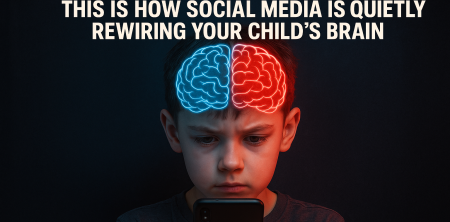
A crucial aspect of understanding the social media impact on children involves looking at the developing brain. Children and adolescents aren't just miniature adults; their brains are undergoing rapid development, particularly in areas related to impulse control, emotional regulation, and decision-making. The prefrontal cortex, responsible for executive functions, isn't fully mature until the mid-20s. This biological reality makes young people particularly susceptible to the persuasive design tactics employed by social media companies. (See: New York Times on social media and mental health.)
For example, the reward pathways in the adolescent brain are highly sensitive to dopamine. 'Likes,' notifications, and the unpredictable nature of viral content can trigger these pathways, creating a powerful reinforcement loop that can mimic addiction. Constant exposure to idealized images can also impact self-perception and body image during a critical period of identity formation, potentially contributing to conditions like body dysmorphia. The Rutgers center will likely explore these neurobiological underpinnings, perhaps using fMRI or other brain imaging techniques, to provide concrete evidence of how digital environments are physically shaping young minds. This biological lens is essential for developing interventions that are truly developmentally appropriate.
Parental Strategies in the Digital Age: Equipping Families
While research and policy are vital, the immediate front line in addressing the social media impact on children is often the family. Parents frequently feel overwhelmed and ill-equipped to navigate the complexities of their children's digital lives. They're often playing catch-up, trying to understand platforms their kids already master. The New Jersey Social Media Research Center's focus on practical interventions will be a game-changer for parents.
This could involve creating accessible, evidence-based guides on setting screen time limits that actually work, teaching children critical media literacy skills, or fostering open communication about online experiences. Imagine workshops for parents on how to identify signs of cyberbullying or online predatory behavior. Or resources that explain privacy settings in plain language. The goal isn't just to tell parents what the problems are, but to empower them with concrete strategies, moving beyond vague advice to actionable steps. This might even include advocating for 'digital nutrition labels' on apps that clearly outline potential risks and age appropriateness, making it easier for parents to make informed choices, similar to how they select food for their children.
The Role of Schools: Education as Prevention
Schools also have a significant, often untapped, role to play in mitigating the negative social media impact on children. Beyond simply banning phones in classrooms, schools can become crucial hubs for digital literacy education. This involves teaching students not just how to use technology, but how to critically evaluate information, understand algorithmic biases, recognize manipulation tactics, and develop healthy online habits.
Curricula could incorporate modules on digital citizenship, online etiquette, and the psychological effects of social media. Imagine peer-led programs where older students mentor younger ones on navigating online pressures. Schools could also partner with mental health professionals to offer support groups or counseling for students struggling with social media-related anxiety or depression. The center's research could provide schools with the data and best practices needed to develop comprehensive, age-appropriate digital wellness programs, turning schools into proactive environments for building resilient digital citizens rather than just reactive spaces dealing with the fallout.
Global Perspectives: Learning from Other Nations
It's worth noting that the social media impact on children isn't unique to New Jersey or even the United States. This is a global phenomenon, and other countries are also grappling with similar challenges. The New Jersey Social Media Research Center could benefit immensely by looking at international approaches to regulation, education, and platform design.
For example, some European countries have stricter data privacy laws (like GDPR) that offer more protection for minors online. China has implemented daily screen time limits for minors on certain platforms and restricted gaming hours. While these approaches have their own controversies and cultural contexts, studying their efficacy and unintended consequences could offer valuable lessons. Understanding how different societies are addressing the same problems can help the center develop more robust, well-informed recommendations that are tailored to the American context but benefit from a broader understanding of potential solutions and pitfalls.
Future Directions: AI, VR, and Emerging Technologies
The digital landscape is constantly evolving, and what constitutes 'social media' today might look very different in five or ten years. The New Jersey Social Media Research Center will need to be agile and forward-thinking, anticipating the social media impact on children from emerging technologies. We're already seeing the rise of AI-powered companions, virtual reality (VR) social spaces, and augmented reality (AR) experiences that blur the lines between the digital and physical worlds.
How will children's developing sense of reality be affected by immersive VR environments where they spend significant time? What are the implications of interacting with AI chatbots that mimic human connection? The center's long-term vision should include a focus on these future trends, proactively researching their potential effects rather than waiting for problems to emerge. This foresight will ensure that the research remains relevant and continues to provide timely guidance as technology continues its rapid advancement.
FAQ: Addressing Common Concerns about Social Media Impact on Children
Q1: Is all social media bad for children?
No, not inherently. Social media is a tool, and its impact depends heavily on how it's used, the specific platform, the child's developmental stage, and their individual vulnerabilities. While there are significant risks, especially regarding mental health and addiction, some children find positive benefits like community connection, skill development, and accessing diverse perspectives. The goal isn't necessarily to ban it entirely, but to understand and mitigate the harms while maximizing potential benefits.
Q2: What age is appropriate for a child to start using social media?
There's no single, universally agreed-upon age, but most platforms technically require users to be at least 13 years old. However, many children circumvent these rules. Experts often suggest that younger children (under 13) lack the cognitive and emotional maturity to navigate the complexities and pressures of social media responsibly. For teenagers, parental guidance, clear boundaries, and open communication are crucial, regardless of age. The New Jersey Social Media Research Center aims to provide more evidence-based recommendations on this.
Q3: How can parents protect their children from the negative effects of social media?
Parents can take several proactive steps: set clear boundaries for screen time and platform usage, use privacy settings, teach digital literacy and critical thinking skills, foster open communication about online experiences, model healthy tech habits themselves, and stay informed about the platforms their children use. It's also important to monitor for signs of distress, cyberbullying, or addictive behaviors and seek professional help if needed.
Q4: What are the biggest risks of social media for children's mental health?
Key risks include increased rates of anxiety, depression, body image issues due to constant comparison to idealized images, cyberbullying, fear of missing out (FOMO), sleep disruption from late-night use, and exposure to inappropriate or harmful content. The constant pursuit of external validation through 'likes' and comments can also negatively impact self-esteem and self-worth.
Q5: Can social media be addictive for children?
Yes, social media platforms are designed to be engaging, and for children whose brains are still developing impulse control, this engagement can become problematic. The reward systems in the brain can be triggered by notifications and novel content, leading to compulsive checking and difficulty disengaging, exhibiting behaviors similar to other addictions. Research is ongoing to understand the full extent of social media addiction in youth.
Q6: What is "digital literacy" and why is it important for kids?
Digital literacy goes beyond just knowing how to use apps. It's the ability to find, evaluate, create, and communicate information effectively on digital platforms. For kids, this means understanding privacy settings, recognizing fake news or manipulative content, understanding algorithms, being aware of their digital footprint, and interacting respectfully online. It's crucial for navigating the digital world safely and critically.
Q7: How will the New Jersey Social Media Research Center help?
The center aims to conduct rigorous research into the social media impact on children, identifying specific platform features that contribute to harm. This evidence will then be used to develop practical interventions for parents, educational programs for schools, and policy recommendations for lawmakers. It seeks to move beyond anecdotal evidence to data-driven solutions for a healthier digital future.
Q8: Should schools ban cell phones to help with social media issues?
School phone bans are a complex issue with pros and cons. While they can reduce distractions and cyberbullying during school hours, they don't address the core issues of social media use outside of school. Some argue that bans prevent students from learning responsible phone usage. The center's research might explore the effectiveness of various school policies, including bans, as part of a broader strategy for digital well-being.
```
Trending Now
- this guide on unprecedented: washington parental rights battle reignites — what you must know before november
- this guide on the silent crisis: why our kids are losing their love for learning and how we can fix it
- this guide on wyoming’s education showdown: 8 critical issues that defined the superintendent debate
Frequently Asked Questions
What are the effects of social media on children's brains?
Social media can alter children's brain development, affecting their attention span, emotional regulation, and social skills. Studies indicate potential links to increased anxiety, depression, and addictive behaviors, prompting concerns about long-term mental health.
How is social media impacting youth mental health?
Social media can exacerbate mental health issues in youth, leading to heightened feelings of isolation, anxiety, and depression. The constant comparison and cyberbullying prevalent on these platforms contribute to a challenging environment for young users.
What is the New Jersey Social Media Research Center?
The New Jersey Social Media Research Center, announced on October 19, 2026, aims to investigate the impact of social media on children and teenagers. Funded with $500,000, it seeks to provide data-driven insights and solutions to address parental concerns about social media's effects.
What concerns do parents have about children's social media use?
Parents are increasingly worried about issues like screen time, cyberbullying, addiction, and the overall impact of social media on their children's mental health and development. This anxiety has led to calls for more comprehensive research and understanding.
Why is research on social media's effects on kids important?
Research is crucial to understand how social media affects children's development and mental health. With the rise of digital platforms, evidence-based insights are needed to guide parents, educators, and policymakers in creating safer online environments for youth.
What did we miss? Let us know in the comments and join the conversation.


0 Responses