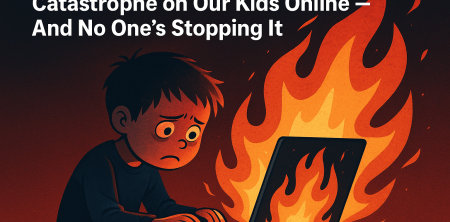
As parents, we're constantly juggling a million things, but perhaps no challenge feels as vast and overwhelming today as ensuring the online safety for children. It's a landscape that shifts by the minute, a digital Wild West where our kids are often left to navigate treacherous terrain without adequate maps or protection. The conversation around this isn't new, but it's reached a fever pitch lately, spurred by a confluence of factors: the pervasive influence of social media, the rapid evolution of artificial intelligence, and the tragic, real-world consequences playing out in families across the globe. It's not just a debate anymore; it's an urgent call to action, demanding a robust response from lawmakers, tech companies, and every single one of us.
Consider the recent stirrings in legislative chambers. The UK's House of Lords, for instance, has carved out October 22, 2026, for a pivotal debate, zeroing in on the profound effects of AI, screen usage, and social media on young minds. Across the Atlantic, in Georgia, a state court recently lifted a temporary block on a 2024 law designed to restrict minors' access to certain social media platforms. These aren't isolated incidents; they're symptomatic of a global reckoning with the digital forces shaping our children's lives. We're seeing a growing consensus that the current status quo isn't sustainable, and that the stakes for our kids' mental health and physical safety are simply too high to ignore.
The Rising Tide of Concern: Why Now?
It feels like we've been talking about screen time and social media dangers for years, so why is the concern reaching such a critical point right now? Part of it is the sheer scale and ubiquity. Social media isn't just a niche activity for teenagers anymore; it's deeply integrated into the fabric of daily life for children as young as elementary school. Apps and platforms are designed with sophisticated algorithms to maximize engagement, often at the expense of well-being. These aren't just benign tools; they're powerful psychological instruments, and our kids are often the unwitting subjects of constant experimentation.
Then there's the explosive growth of artificial intelligence. What once felt like science fiction is now part of our children's everyday interactions, from AI-powered chatbots to personalized content feeds. While AI holds immense potential, it also introduces new, complex risks for online safety for children. How do we ensure these AI systems are designed ethically, without inadvertently exposing kids to harmful content, manipulative tactics, or even predatory individuals? These are questions we're only just beginning to grapple with, and the answers are far from clear. The convergence of these technologies has created an environment where the lines between healthy exploration and genuine peril are increasingly blurred, making the job of parenting in the digital age infinitely more challenging.
Predatory Algorithms: The Unseen Threat
One of the most insidious threats to online safety for children comes from the very core of social media platforms: their algorithms. These aren't just random suggestions; they are highly sophisticated pieces of code designed to keep users hooked, scrolling, and engaged for as long as possible. For adults, this can be a time sink; for children, it can be devastating. These algorithms often prioritize content that elicits strong emotional responses, which can inadvertently amplify harmful narratives, promote unhealthy body images, or even steer vulnerable children towards dangerous communities or ideas.
Think about it: a child searching for diet tips might be quickly funneled into pro-anorexia content. A curious teen exploring mental health issues could be shown self-harm videos. These aren't isolated glitches; they are often direct consequences of algorithms optimized for engagement over safety. The platforms claim they're working to mitigate these issues, but the evidence often suggests otherwise. Parents like Matt Riviere, who tragically lost two sons to fentanyl poisoning from drugs purchased online, point directly to these algorithms as enablers, connecting vulnerable youth with illicit activities and predatory individuals. It’s a stark reminder that the digital world has very real, very tragic consequences in the physical one.
The Fentanyl Crisis: A Digital Pipeline to Devastation
The story of Matt Riviere is a gut-wrenching illustration of how online dangers can manifest with the most devastating real-world outcomes. His two sons, aged 16 and 17, died after consuming what they believed were Percocet pills, purchased through a social media platform, that were in fact laced with fentanyl. This isn't just an isolated tragedy; it's a chilling example of a growing crisis. Social media platforms have, perhaps unintentionally, become marketplaces for illicit drug sales, with drug dealers leveraging the direct messaging features and the anonymity these platforms can provide to target young people.
The ease with which children can connect with strangers online, combined with the often-understated risks of drug experimentation, creates a deadly cocktail. Dealers use emojis and code words to circumvent detection, and the private nature of direct messages makes it incredibly difficult for parents or even platform moderators to intervene. For many parents, the idea that their child could be exposed to and purchase deadly drugs through the very apps they use to connect with friends is almost unfathomable. Yet, it's happening with terrifying regularity, underscoring a critical failing in current online safety for children protocols and enforcement.
AI Chatbots: Friend or Foe?
The emergence of AI chatbots presents a fresh set of challenges and questions regarding online safety for children. On one hand, these tools can be incredibly helpful for learning, creativity, and even companionship. Imagine a child struggling with a homework assignment getting instant, personalized tutoring, or a lonely teen finding a non-judgmental ear. The potential educational and emotional benefits are significant.
However, the risks are equally profound. How do we ensure these chatbots don't inadvertently spread misinformation, promote harmful biases, or even engage in inappropriate conversations? There's a real concern that a child, particularly a vulnerable one, could develop a deep emotional attachment to an AI, mistaking it for a real friend or confidant, and potentially be influenced in ways we don't yet fully understand. Moreover, the data privacy implications are enormous. What information are these chatbots collecting from our children, and how is it being used? As these technologies become more sophisticated and ubiquitous, establishing clear ethical guidelines and robust safeguards for online safety for children will be paramount. We're in uncharted territory, and the potential for both good and harm is immense. (See: CDC Youth Risk Behavior Survey.)
Legislative Battles: Balancing Protection and Rights
The push for legislative action is gaining momentum, but it's a complex tightrope walk between protecting children and preserving their digital rights. On one side, you have advocates like Matt Riviere, passionately arguing for stronger regulations, age verification, and greater accountability for tech companies. Their focus is squarely on preventing the tragic outcomes that result from unchecked online exposure to harms like illicit drug sales and predatory content. The Georgia law lifting the block on restricting minors' social media access is a testament to this growing sentiment that something *must* be done.
However, this isn't a universally embraced solution. Child rights advocates, particularly in regions like the Philippines, are raising legitimate concerns. They point to proposed measures, such as Senate Bill No. 2424, which seeks to ban minors from social media, as potentially restrictive. Their argument is compelling: social media, for all its flaws, has become a vital channel for information, education, and social connection for many young people, especially in underserved communities. Banning access wholesale could inadvertently deprive children of valuable resources and opportunities, without truly addressing the root causes of online harm – the perpetrators and the platforms' lack of accountability. The challenge, then, is to craft legislation that is both effective in safeguarding children and respectful of their evolving digital citizenship.
The Philippines' Perspective: Access vs. Protection
The debate in the Philippines provides a crucial counterpoint to the more restrictive approaches being considered elsewhere. While the impulse to protect children from online harms is universal, the proposed solutions, like Senate Bill No. 2424, highlight a fundamental tension. Child rights advocates there argue that a blanket ban on social media for minors, while seemingly protective, could have unintended negative consequences. Many children, particularly those in remote or disadvantaged areas, rely on these platforms for educational resources, communication with family, and access to vital information.
Consider the impact on distance learning, which became a necessity during the pandemic. Social media platforms often serve as informal learning hubs, connecting students with teachers and resources. Restricting this access without providing viable alternatives could exacerbate existing inequalities. Furthermore, these advocates contend that focusing solely on banning children misses the point: the real problem lies with the perpetrators of harm and the platforms that enable them. True online safety for children, they argue, requires holding platforms accountable for content moderation, implementing robust reporting mechanisms, and educating children on digital literacy, rather than simply shutting them out of the digital world entirely.
A Call for Platform Accountability and Transparency
At the heart of many of these discussions is the undeniable need for greater platform accountability. It's no longer sufficient for tech companies to claim ignorance or simply issue vague statements about their commitment to safety. They design these platforms, they profit from their use, and they have the technological capability to implement far more robust safeguards than they currently do. This means more than just reacting to scandals; it means proactive design choices that prioritize user well-being, especially for children.
We need transparency from these companies about how their algorithms work, how they moderate content, and what data they collect from minors. Independent audits and regulatory oversight are becoming increasingly necessary to ensure that their claims of safety align with their actual practices. Moreover, there should be clear legal consequences for platforms that consistently fail to protect children from known harms, whether that's illicit drug sales, predatory content, or algorithmic amplification of dangerous material. Without real pressure and consequences, the incentive to truly prioritize online safety for children will remain secondary to profit motives.
Empowering Parents and Educating Children
While legislative and corporate actions are crucial, we can't wait for them to solve everything. Parents play an indispensable role in safeguarding their children online. This isn't about being digital police; it's about being informed guides. It starts with open, ongoing conversations with our kids about what they're doing online, who they're interacting with, and the potential risks. These conversations shouldn't be one-offs; they need to evolve as our children grow and their online activities change.
Equipping ourselves with knowledge about parental controls, privacy settings, and the latest online trends is also vital. We need to understand the platforms our kids are using, not just from a distance, but by actually engaging with them ourselves. Furthermore, empowering children with digital literacy skills is paramount. Teaching them critical thinking, how to identify misinformation, recognize predatory behavior, and understand their own digital footprint gives them the tools to navigate the online world more safely and confidently. It’s a shared responsibility, and our active involvement is perhaps the most immediate and impactful line of defense.
The Mental Health Toll: Beyond Physical Harm
While stories of physical harm, like the fentanyl crisis, are undeniably horrific, it's crucial to acknowledge the pervasive and often invisible mental health toll of online exposure on children. Social media, in particular, has been linked to increased rates of anxiety, depression, body image issues, and even self-harm ideation among young people. The constant pressure to present a curated, perfect image, the relentless comparison with others, and the fear of missing out (FOMO) can create a toxic environment for developing minds.
A recent report by the American Psychological Association found that frequent social media use is associated with structural and functional changes in the adolescent brain, particularly in areas related to reward processing and social cognition. This isn't just about feeling bad; it's about potentially altering brain development. Cyberbullying, another rampant issue, can have devastating psychological effects, sometimes leading to extreme distress and even suicide. The ephemeral nature of online interactions often makes it difficult for children to escape these pressures, as the digital world follows them everywhere, even into their homes and bedrooms. We're talking about a generation growing up under unprecedented scrutiny and social pressure, all amplified by algorithms designed to maximize their time online, regardless of the emotional cost. (See: New York Times on social media effects.)
The Role of Educational Institutions: Digital Literacy as a Core Subject
Our schools have a vital part to play in bolstering online safety for children. While parents do their best at home, a structured educational approach to digital literacy can reach every child and provide consistent, age-appropriate guidance. This means moving beyond just teaching kids how to use computers and instead focusing on critical thinking skills specific to the digital realm.
Imagine curricula that teach children how to identify phishing scams, understand the concept of digital footprints, recognize manipulative content, and know when and how to report online harassment. This isn't just an elective; it should be integrated into core subjects, becoming as fundamental as reading and writing. Schools can also foster a culture of open communication where students feel safe reporting online incidents to trusted adults, rather than suffering in silence. By making digital citizenship a cornerstone of education, we equip children with the resilience and knowledge they need to navigate the complexities of the internet safely, turning them into active participants in their own online protection rather than passive recipients of information.
International Perspectives: A Global Challenge
It's important to remember that online safety for children isn't just a national issue; it's a global challenge with diverse approaches and shared concerns. While the US and UK grapple with social media legislation and AI ethics, other countries are also implementing their own strategies. For example, some European nations have stricter data privacy laws, like GDPR, which offer stronger protections for children's data online. Countries in Asia are often focusing on parental control technologies and public awareness campaigns due to high mobile phone penetration among youth.
The differences in cultural norms, legal frameworks, and technological infrastructure mean there's no one-size-fits-all solution. However, the core problems – predatory content, cyberbullying, data exploitation, and algorithmic harm – remain universal. This global nature highlights the need for international collaboration among governments, tech companies, and non-profits. Sharing best practices, coordinating enforcement efforts, and developing universal standards for child online safety could create a more secure digital environment for children everywhere. It’s a testament to the fact that the internet knows no borders, and neither should our efforts to protect the youngest users.
Expert Perspectives: Insights from Child Psychologists and Tech Ethicists
To truly understand the depth of this challenge, we need to lean on the expertise of those who study child development and technology. Child psychologists consistently emphasize the unique vulnerability of young brains to persuasive design and constant social comparison. Dr. Jean Twenge, known for her research on "iGen," points to a correlation between increased smartphone use and rising rates of mental health issues among adolescents, suggesting a causal link that warrants serious attention. She highlights how platforms exploit developmental vulnerabilities, leading to anxiety and depression.
Tech ethicists, on the other hand, often focus on the inherent design flaws and business models of these platforms. Dr. Tristan Harris, co-founder of the Center for Humane Technology, frequently discusses how "attention-extraction" models are fundamentally at odds with human well-being, especially for children. He argues that the incentives of these companies are not aligned with what's best for young users, leading to the creation of systems that are intrinsically harmful. These experts call for a fundamental re-evaluation of how technology is designed and regulated, urging a shift from a profit-first to a child-first approach, emphasizing ethical AI development, transparent algorithms, and robust age-appropriate design.
Moving Forward: A Multi-faceted Approach
The escalating concerns over online safety for children demand a multi-faceted, collaborative response. There's no single magic bullet, no one piece of legislation or technological fix that will solve all the problems. Instead, we need a concerted effort from all stakeholders.
This means lawmakers enacting thoughtful, effective regulations that hold platforms accountable without stifling children's access to valuable resources. It means tech companies innovating with safety and well-being as core design principles, not as afterthoughts. It means educators integrating robust digital literacy into curricula from an early age. And critically, it means parents staying engaged, informed, and proactive in guiding their children through the complexities of the digital world. The future well-being of an entire generation hinges on our collective ability to rise to this challenge. It's a daunting task, no doubt, but one we simply cannot afford to fail.
Frequently Asked Questions About Online Safety for Children
What are the biggest online safety risks for children today?
The biggest risks include exposure to inappropriate or harmful content (like violence, pornography, or self-harm promotion), cyberbullying, online predators attempting to groom children, data privacy breaches, and manipulative algorithms that can lead to addiction or exposure to dangerous trends. The fentanyl crisis, where drugs are sold via social media, is also a devastating and growing risk. (See: WHO on adolescent mental health.)
How can I talk to my child about online safety without scaring them?
Start early and make it an ongoing conversation, not a one-time lecture. Frame it as helping them navigate the digital world smartly, just like you'd teach them road safety. Use real-world examples (age-appropriately) and encourage them to ask questions and come to you if they ever encounter something uncomfortable or confusing online. Emphasize that you're a team in keeping them safe.
What are some practical tools parents can use for online safety?
Utilize parental control features on devices and internet service providers to filter content and manage screen time. Turn on privacy settings on all apps and platforms your child uses. Consider using family safety apps that allow you to monitor activity (with their knowledge and consent, especially for older children). Always ensure strong, unique passwords are used, and two-factor authentication is enabled where possible.
Should I ban my child from social media entirely?
There's no single answer, and it depends on your child's age, maturity, and your family's values. While some legislative proposals suggest bans, many experts and child advocates argue that a complete ban can isolate children and deprive them of valuable learning and social opportunities. Instead, focus on gradual introduction with strict boundaries, open communication, and active monitoring, teaching them to be responsible digital citizens.
How do I know if an AI chatbot is safe for my child to use?
It's tricky, as AI technology is evolving rapidly. Look for chatbots specifically designed for children, which often have stricter content filters and privacy policies. Always review the terms of service and privacy policies yourself. Supervise initial interactions, and discuss with your child that the AI is not a human and may not always provide accurate or appropriate information. Prioritize tools that emphasize educational or creative uses over purely social interaction.
What is "digital literacy" and why is it important for children?
Digital literacy means having the skills and knowledge to use digital technologies effectively, safely, and critically. For children, it's crucial because it empowers them to think critically about online content, understand their digital footprint, recognize misinformation, identify potential online dangers (like scams or predators), and use technology responsibly and ethically. It's about teaching them to navigate the internet with confidence and wisdom.
What role do tech companies play in ensuring online safety for children?
Tech companies have a significant responsibility. They design the platforms and algorithms children use, and they collect their data. Their role includes implementing robust age verification, designing platforms with child safety as a priority (safety by design), employing effective content moderation, making privacy settings user-friendly, and being transparent about their data collection and algorithmic practices. They should also provide clear reporting mechanisms for harmful content or behavior.
How can I stay updated on the latest online threats and safety measures?
Regularly check reputable online safety organizations and government resources (e.g., Common Sense Media, National Center for Missing and Exploited Children, government digital safety initiatives). Follow child psychology experts and tech ethicists on social media or through their publications. Most importantly, maintain open communication with your children; they are often the first to encounter new trends and challenges.
Trending Now
Frequently Asked Questions
What are the dangers of social media for children?
Social media poses several dangers for children, including exposure to harmful content, cyberbullying, and mental health issues. The algorithms used by these platforms often prioritize engagement over well-being, leading to addictive behaviors and negative self-image among young users.
How can parents protect their kids online?
Parents can protect their kids online by establishing open communication about internet safety, setting clear rules for social media use, and utilizing parental controls. It's also important to educate children about the potential risks and encourage them to report any inappropriate content or interactions.
Why is online safety for kids becoming a bigger issue?
Online safety for kids is becoming a bigger issue due to the increased integration of social media into daily life and the rapid evolution of technology. With younger children gaining access to smartphones and apps, the risks associated with online engagement have escalated, prompting urgent discussions among parents, lawmakers, and tech companies.
What is the impact of AI on children's online experiences?
The impact of AI on children's online experiences is significant, as it drives the algorithms behind social media platforms. These algorithms can create addictive patterns of use, expose kids to inappropriate content, and contribute to mental health challenges by prioritizing engagement over safety.
What legislative actions are being taken to protect children online?
Legislative actions to protect children online include debates in government bodies, like the UK's House of Lords, focusing on the effects of AI and social media. Additionally, some states, such as Georgia, are passing laws to restrict minors' access to certain platforms, highlighting a growing recognition of the need for protective measures.
Agree or disagree? Drop a comment and tell us what you think.


0 Responses