```html
Mace's Radical School Freedom Act: A Seismic Shift for Parents in Charge of Education?
It feels like we're constantly debating who truly holds the reins when it comes to our children's upbringing, doesn't it? From what they learn in school to the values they absorb at home, the question of parental authority versus institutional influence is an evergreen one. But now, it's hitting a fever pitch, particularly in the realm of education. We’re seeing a significant push, led by figures like Representative Nancy Mace, to redefine the power dynamic, aiming to put parents in charge of education in a way that could fundamentally reshape the American schooling landscape. This isn't just about curriculum tweaks; it's about control over billions of federal dollars and, ultimately, over the educational path each child takes.
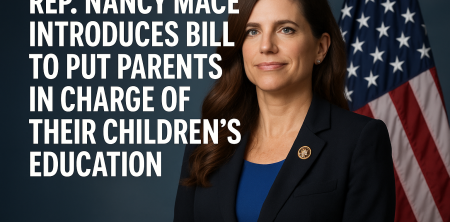
On October 15, 2026, Representative Nancy Mace (R-S.C.) threw a legislative hand grenade into the ongoing debate with the introduction of her "School Freedom Act of 2026." This bill isn't just another piece of legislation; it's a direct challenge to the status quo, designed to empower parents by making federal education funding follow students, rather than institutions. Imagine the implications: whether a child attends a public school, a private academy, a charter school, or is homeschooled, the federal dollars allocated for their education would go directly towards their chosen path. This initiative proposes a phased elimination of existing federal elementary and secondary education programs, setting the stage for a contentious, emotionally charged discussion about who really calls the shots in a child's academic journey.
1. The School Freedom Act of 2026: A Radical Funding Shift
Let's get right to the heart of what Representative Mace is proposing. The "School Freedom Act of 2026" is a bold, some might say audacious, piece of legislation. Its core premise is simple yet revolutionary: federal education funding should be student-centric, not institution-centric. What does this mean in practice? Currently, a significant portion of federal education dollars flows directly to public school districts, often with strings attached regarding how that money can be spent on programs, resources, and staffing. Mace’s bill would essentially cut out the middleman, or at least re-route the money, by directing those funds to follow individual students.
This isn't a minor adjustment; it's a complete paradigm shift. If enacted, it would mean that if your child attends a private school, a portion of federal funds could potentially go towards their tuition. If you choose a charter school, those funds would support their enrollment there. And yes, even for families who dedicate themselves to homeschooling, the bill suggests a mechanism for these federal dollars to support their educational efforts. This move is squarely aimed at putting parents in charge of education, giving them direct financial leverage over their children's learning environments. It promises a level of choice and flexibility that many advocates of school reform have only dreamed of.
2. Empowering Parents: The Core Philosophy Behind the Bill
At its heart, the School Freedom Act is an ode to parental empowerment. For years, a common refrain from many parents has been a feeling of being sidelined in their children's education, particularly in public school systems where curriculum decisions, disciplinary policies, and even certain health-related discussions often feel beyond their direct control. Representative Mace's bill seeks to directly address this sentiment by giving parents the ultimate tool of control: financial power.
When federal funds are tied directly to a student and can be allocated by their parents to the educational institution of their choice, it fundamentally alters the dynamic. Schools, whether public or private, would suddenly have a much stronger incentive to attract and retain students by catering to parental preferences and offering superior educational outcomes. This isn't just about competition; it's about accountability. If parents can take their child's funding elsewhere, schools would be under increased pressure to demonstrate value, transparency, and responsiveness to the families they serve. It’s a powerful argument for truly making parents in charge of education, transforming them from passive recipients of a system into active consumers with significant leverage.
3. Phasing Out Federal Programs: A Contentious Move
One of the most radical, and certainly most controversial, aspects of the School Freedom Act is its proposal to phase out existing federal elementary and secondary education programs. This isn't just about re-routing funds; it’s about dismantling established federal structures that have been in place for decades. Think about programs like Title I, which provides financial assistance to local educational agencies and schools with high numbers or high percentages of children from low-income families. Or federal initiatives for special education, language acquisition, and STEM programs.
The idea here is that by phasing out these categorical programs, the federal government would be streamlining its involvement and returning more control, both financially and philosophically, to states and individual families. However, this move is bound to spark immense debate. Critics will argue that these programs serve vital functions, ensuring equitable access to education for disadvantaged students and providing necessary resources that many schools couldn't otherwise afford. Eliminating them without a clear, robust replacement mechanism at the state or local level could, in their view, exacerbate existing inequalities. It's a high-stakes gamble that truly challenges the prevailing wisdom about federal oversight in education.
4. The Public School Dilemma: Funding and Future
The School Freedom Act, if passed, would undoubtedly send shockwaves through the traditional public school system. For generations, public schools have been the bedrock of American education, funded primarily by local property taxes, state allocations, and a smaller, but still significant, portion of federal dollars. The idea of federal funding following individual students to other educational options could potentially drain resources from public schools, especially in areas where alternative options are plentiful and attractive. (See: U.S. Department of Education.)
Supporters of the bill might argue that this increased competition would force public schools to innovate and improve, ultimately benefiting all students. They'd say that if public schools are truly providing the best education, parents will continue to choose them, and the funding will remain. However, opponents fear a 'death spiral' scenario, where a loss of federal funds leads to cuts in programs, larger class sizes, and a decline in quality, prompting more families to leave, further reducing funding, and so on. This isn't just an economic debate; it's a philosophical one about the role of public education in a democratic society. How do we ensure a strong, accessible public system while simultaneously empowering parents in charge of education with maximum choice?
5. The Parent's Bill of Rights in Washington State: Another Front in the Battle
While Representative Mace's bill tackles federal funding, another highly charged initiative is making waves at the state level. In Washington state, a "Parent's Bill of Rights" ballot measure is drawing intense controversy, particularly concerning parental access to student health and counseling records. This isn't about where the money goes, but about the boundaries of privacy and parental oversight within school systems. The measure aims to codify into law parents' rights to access all information related to their child's education, health, and well-being, often without exceptions for sensitive topics.
This initiative springs from a growing concern among some parents that schools are making decisions or holding confidential discussions with their children, especially teenagers, without their knowledge or consent. This could involve everything from mental health counseling to gender identity discussions. It's a direct challenge to the idea that schools, in certain situations, might act in loco parentis or that students have a right to privacy regarding sensitive issues, even from their parents. The debate here isn't just legal; it's deeply personal and touches on evolving social norms around adolescence, autonomy, and family dynamics. It’s another powerful example of the broader movement to make parents in charge of education and all aspects of their children's lives within school walls.
6. Teenagers' Perspectives: Autonomy vs. Oversight
What do the students themselves think about these efforts to put parents in charge of education? In Washington state, where the Parent's Bill of Rights is a hot topic, local teenagers are expressing varied opinions, highlighting the complex tension between parental involvement and adolescent autonomy. Some teens welcome greater parental involvement, feeling that open communication and their parents' guidance are essential. They might see their parents as their primary advocates and trust them with all information.
However, many others express concern about the extent of parental access, particularly regarding health and counseling records. For some, the school counselor's office is a safe space where they can discuss sensitive issues – mental health struggles, identity questions, peer pressure – without immediate parental judgment or intervention. They fear that mandatory parental notification or access to these records could deter them from seeking help, potentially leading to worse outcomes if they feel they have nowhere to turn confidentially. This perspective underscores a critical aspect of the debate: while parents certainly have a right to know, teenagers also have evolving rights to privacy and the need for spaces where they can explore their identities and challenges independently. It's a nuanced discussion that can't be brushed aside.
7. Viral Traction and Emotional Charges: Why These Debates Matter
Both Representative Mace's School Freedom Act and Washington's Parent's Bill of Rights are gaining significant viral traction, and it's not hard to see why. These initiatives are deeply, profoundly emotionally charged. They don't just tinker with policy; they strike at the fundamental questions about family autonomy, educational philosophy, and the appropriate role of government in children's upbringing. When you touch on these core values, you ignite passionate responses from all sides.
For many parents, the idea of being more directly in charge of education, with financial leverage or guaranteed access to information, feels like a necessary reclamation of authority. They see it as protecting their children and upholding their fundamental rights as parents. For others, particularly those concerned about public education or student privacy, these proposals represent an overreach, a threat to established systems, or a potential violation of a child's developing autonomy. The stakes feel incredibly high because they truly are: we're talking about the future of our children and the very fabric of our communities. This isn't a dry policy debate; it's a cultural flashpoint.
8. Family Autonomy vs. Government Oversight: The Philosophical Divide
At the core of these legislative and ballot initiatives lies a fundamental philosophical divide: where do we draw the line between family autonomy and government oversight in education? Advocates for bills like the School Freedom Act argue for maximum family autonomy, believing that parents, by virtue of their inherent role and responsibility, are best equipped to make decisions about their children's education and well-being. They see government intervention, especially at the federal level, as an intrusion that often complicates matters, imposes one-size-fits-all solutions, and ultimately dilutes parental authority.
Conversely, those who advocate for a more robust role for government and public institutions often point to the need for oversight to ensure equity, maintain standards, and protect children's interests, especially when individual families might lack the resources or knowledge to make optimal choices. They argue that a strong public education system is a societal good, providing a common foundation for all citizens, regardless of their family's economic status or educational philosophy. This isn't an easy either/or question; it’s a constant balancing act that reflects deeply held beliefs about individualism, community, and the collective good. The push for parents in charge of education is a strong current in this ongoing philosophical tug-of-war.
9. Expert Perspectives on Educational Choice Models
When we talk about funding following students, we're really talking about a form of educational choice, often through mechanisms like vouchers or education savings accounts (ESAs). Education economists and policy experts have spent decades studying the impacts of these models. For instance, studies on voucher programs in cities like Milwaukee and Washington D.C. have shown mixed results. Some research suggests that students, particularly those from low-income backgrounds, who utilize vouchers to attend private schools show modest gains in test scores, especially in reading. Other studies find little to no significant academic improvement, though parents often report higher satisfaction with school safety and the moral instruction their children receive. (See: New York Times on education policy.)
On the other hand, critics often raise concerns about the lack of accountability for private schools receiving public funds, as they typically aren't subject to the same reporting requirements as public schools. There's also the question of whether these programs truly expand choice for the most marginalized families, or if they primarily benefit those who are already actively engaged in seeking alternatives. Some experts, like Dr. Sarah Whetstone, a professor of education policy, point out that while choice can be empowering, a fragmented system might weaken the civic mission of public education, which traditionally aims to unite diverse populations. These nuanced perspectives highlight that there's no single, universally agreed-upon outcome when shifting educational funding models; it's a complex interplay of factors.
10. Potential Economic Impacts Beyond Schools
The economic ripples of a bill like the School Freedom Act could extend far beyond just school budgets. Imagine a scenario where federal funds become directly accessible to families for educational expenses. This could spur a significant boom in educational entrepreneurship. We might see an explosion of new learning pods, specialized tutoring services, micro-schools, and online curricula providers designed to cater to diverse parental preferences. This shift could create new jobs in the education sector outside of traditional school settings and foster innovation in educational technologies.
However, there's also the potential for economic disruption. Public school districts are often major employers in their communities, and significant funding shifts could lead to job losses for teachers, administrators, and support staff. Local economies that rely on the stability and employment provided by public schools could face challenges. Additionally, the administrative burden on families to manage and allocate these funds, and on states to track and regulate a multitude of new educational providers, could be substantial. It's a complex economic equation, not just for individual families, but for entire communities and state treasuries.
11. Comparisons to International Models of Education Funding
While the debate around the School Freedom Act feels distinctly American, many countries around the world employ diverse models for funding and managing education that offer interesting comparisons. For example, some European countries, like the Netherlands, have long-standing systems where public funds directly support both public and private schools, often based on student enrollment. This has created a highly diverse educational landscape with a wide array of religious and pedagogical options, all accessible to families without additional tuition costs.
However, even in these systems, there are ongoing debates about equity, standards, and the role of the state in ensuring a cohesive national curriculum. Other countries, like Canada, primarily rely on publicly funded secular schools, with limited public support for private options. These international examples show that while empowering parents with choice is a common theme, the specific mechanisms and their societal impacts vary greatly. Learning from these different approaches could offer valuable insights into potential benefits and pitfalls for the U.S. context, rather than viewing this as an entirely novel concept.
12. The Role of Technology in Future Educational Choices
It's impossible to discuss the future of education and parental choice without considering the rapidly evolving role of technology. The pandemic dramatically accelerated the adoption of online learning platforms, virtual schools, and educational apps. If federal funding were to follow the student, it could significantly boost the development and accessibility of these tech-driven educational options. Imagine parents using federal funds to subscribe to personalized AI-driven learning programs, virtual reality field trips, or online courses taught by specialists from anywhere in the world.
This technological integration could democratize access to high-quality instruction, allowing students in rural areas, for example, to access advanced courses not available at their local brick-and-mortar schools. However, it also raises questions about the digital divide – ensuring all students have equitable access to devices and reliable internet – and the potential for increased screen time. The ability of parents to curate a tech-rich, personalized learning environment for their children would be vastly expanded under such a funding model, marking a significant departure from traditional classroom-centric education.
13. The Road Ahead: A Long and Winding Debate
The introduction of the School Freedom Act and the ongoing battle over the Parent's Bill of Rights are just the latest skirmishes in a much larger, enduring war over the future of education in America. These initiatives are unlikely to pass without significant modifications, or perhaps not at all, given the deep divisions they expose. However, their very existence signals a powerful and growing movement to empower parents in charge of education, not just in theory, but with tangible policy changes.
Expect a protracted and passionate debate. We'll hear from public school advocates defending the vital role of traditional institutions, from private and charter school proponents championing choice and innovation, from homeschooling families asserting their rights, and from parents across the spectrum demanding more say in their children's lives. We'll also hear from students, teachers, and administrators, all with valid perspectives that need to be considered. This isn't a debate with easy answers, but it's one that is essential for us to have as we collectively shape the educational landscape for generations to come. How we navigate these challenging waters will determine not just where federal funds go, but who truly holds the power in shaping young minds. (See: CDC on education and youth health.)
14. Frequently Asked Questions about Parents in Charge of Education
Q1: What exactly does "parents in charge of education" mean in practice?
It generally refers to increasing parental authority and decision-making power over their children's schooling. This can manifest in several ways: financial control (like the School Freedom Act), curriculum input, access to records (like the Parent's Bill of Rights), or the ability to choose among various educational settings (public, private, charter, homeschool) with public support.
Q2: How is the School Freedom Act different from traditional school choice programs?
Traditional school choice often involves state-level voucher or charter school programs. The School Freedom Act is unique in its proposal to redirect *federal* education funding directly to students, rather than institutions, and to phase out existing federal categorical programs. This would represent a much larger-scale shift of funds and control compared to most state-level initiatives.
Q3: What are the main arguments for giving parents more control over education?
Advocates argue that parents know their children best and are ultimately responsible for their upbringing. Greater control can lead to more personalized education, better alignment with family values, increased school accountability through competition, and a stronger sense of parental agency in their child's development. It's about empowering families as primary decision-makers.
Q4: What are the main concerns or criticisms about increasing parental control?
Critics worry about potential impacts on public schools, including reduced funding and resources, which could disproportionately affect disadvantaged students. They also raise concerns about equitable access to quality alternatives, potential lack of accountability for private entities receiving public funds, and the erosion of a common civic education that public schools traditionally provide. There are also concerns about student privacy and autonomy, particularly for teenagers.
Q5: How might this affect homeschooling families?
Under the School Freedom Act, homeschooling families could potentially receive federal funds to support their educational efforts, which is a significant change. Currently, most federal education funding is not directly accessible to homeschoolers. This could help offset the costs of curriculum, materials, and extracurricular activities, making homeschooling more financially viable for a broader range of families.
Q6: Is there a precedent for federal education funding following students?
While federal funding has historically gone to districts and specific programs, there are some existing, albeit smaller-scale, federal programs that offer a degree of student-centric funding. For example, federal Pell Grants assist students directly with higher education costs, but a widespread elementary and secondary school model where federal funds follow individual students to any chosen education path would be unprecedented.
```
Trending Now
Frequently Asked Questions
What is the School Freedom Act of 2026?
The School Freedom Act of 2026, introduced by Rep. Nancy Mace, aims to shift federal education funding directly to students rather than institutions. This legislation seeks to empower parents by allowing them to choose educational paths for their children, whether public, private, charter, or homeschooling.
How does the School Freedom Act affect federal education funding?
The act proposes a significant change by making federal education funding follow students instead of being tied to schools. This means that the funds allocated for a child's education would be directed based on parental choice, potentially transforming the educational landscape.
What are the implications of the School Freedom Act for parents?
The implications for parents include increased control over their children's education and the ability to choose the best educational setting. This could lead to a more personalized learning experience, as parents can direct funding to the schools or programs they believe are best suited for their children.
What are the potential controversies surrounding the School Freedom Act?
The School Freedom Act could spark significant controversy as it challenges existing educational structures and funding models. Critics may argue it undermines public schools, while supporters see it as a way to enhance parental choice and accountability in education.
Why is parental control in education a hot topic right now?
Parental control in education is a hot topic due to ongoing debates about curriculum content, educational standards, and the influence of institutions on children's upbringing. The push for more parental authority reflects broader societal concerns about values and educational outcomes.
What's your take on this? Share your thoughts in the comments below — we read every one.

