```html
Introduction
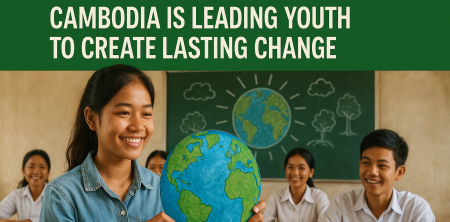
Climate change is no longer an abstract concept confined to scientific reports and documentaries; it is a pressing reality that affects communities worldwide. In Cambodia, the urgency of climate change has ignited a wave of climate education that not only raises awareness but also empowers the youth to take action. By integrating climate education into the curriculum, Cambodian schools are fostering a new generation of leaders who are equipped to address environmental challenges both within their classrooms and in their broader communities.
This article delves into the transformative impact of climate education in Cambodia, exploring how it is reshaping perceptions, inspiring local activism, and contributing to a sustainable future. This journey reveals the remarkable ways in which educators and students alike are responding to local environmental pressures, cultivating a deeper understanding of climate issues while fostering a sense of responsibility and agency.
Understanding the Context of Climate Change in Cambodia
Cambodia, a country characterized by its rich biodiversity and cultural heritage, is facing significant environmental challenges. Factors such as deforestation, rising sea levels, and erratic weather patterns threaten the livelihoods of many Cambodians, particularly those in rural areas who rely on agriculture.
According to the World Bank, climate change could push an additional 1.5 million Cambodians into poverty by 2030 if no action is taken. The urgency of this crisis calls for immediate educational reforms that can equip students with the necessary tools to understand and address these pressing issues. Climate education in Cambodia is not just an academic subject; it is a vital component of the nation's response to environmental degradation.
The Role of Educators in Promoting Climate Awareness
Educators play a pivotal role in translating complex climate science into relatable and actionable knowledge for students. In Cambodian schools, teachers are developing innovative lesson plans that contextualize climate change within the local environment and culture. By utilizing hands-on activities and real-world examples, educators are making the subject feel immediate rather than distant.
For instance, teachers may take students on field trips to local ecosystems, allowing them to observe firsthand the impacts of pollution or climate-related changes. This experiential learning not only deepens students' understanding but also fosters emotional connections to their environment, motivating them to advocate for sustainable practices.
Empowering Students as Climate Leaders
One of the most transformative aspects of climate education in Cambodia is its emphasis on empowering students to become leaders in their communities. Programs such as Teach For Cambodia are at the forefront of this movement, providing students with the skills and confidence to voice their opinions on environmental issues.
Through initiatives like community clean-up campaigns, tree-planting events, and advocacy projects, students are given opportunities to engage directly with their communities. This hands-on approach not only reinforces the lessons learned in the classroom but also instills a sense of agency among young people, showing them that they can make a tangible difference.
Case Studies: Success Stories from Cambodian Schools
Across the country, various schools are implementing innovative climate education programs that serve as models for others. For example, at the Sangkum Thmey High School in Siem Reap, students have initiated a composting project that not only reduces waste but also educates their peers about sustainable practices. (See: CDC on climate and health.)
Similarly, the Phnom Penh International School has integrated climate change discussions into its science curriculum, encouraging students to explore solutions to local environmental issues. These initiatives highlight that effective climate education goes beyond the theoretical—it prompts students to engage with their environment actively and critically.
Challenges and Barriers to Climate Education
Despite the progress made in advancing climate education in Cambodia, several challenges remain. Limited resources, lack of training for educators, and inadequate infrastructure can hinder the implementation of effective climate education programs. Many teachers may feel overwhelmed by the breadth of climate issues and uncertain about how to incorporate them into their teaching.
Moreover, societal attitudes towards climate change can impact the prioritization of environmental education in schools. In some communities, traditional views may dismiss the urgency of climate action, making it crucial for educators to bridge cultural beliefs with scientific understanding.
The Importance of Community Engagement
For climate education in Cambodia to be truly impactful, it must extend beyond the classroom and involve the entire community. Schools are beginning to recognize the value of engaging parents, local leaders, and community members in climate-related initiatives. This collective approach not only enhances the educational experience but also reinforces the importance of local ownership of climate solutions.
Community workshops, public forums, and collaborative projects foster an environment where knowledge is shared, and diverse perspectives are valued. By involving the community, students are better equipped to advocate for change and create a support network that amplifies their efforts.
Global Perspectives on Climate Education
Cambodia's approach to climate education is part of a broader global movement recognizing the importance of empowering youth to address climate change. International organizations, including UNESCO and the United Nations, have highlighted the need for comprehensive climate education as a fundamental aspect of sustainable development.
As countries grapple with the effects of climate change, they are increasingly recognizing that equipping young people with the knowledge and skills to understand and combat these challenges is vital. Cambodia stands as a beacon of hope, demonstrating that meaningful change can begin at the grassroots level through education.
Future Directions for Climate Education in Cambodia
Looking ahead, the future of climate education in Cambodia holds immense potential. By fostering partnerships between schools, NGOs, and government agencies, a more cohesive approach to climate education can be developed. This collaboration can lead to the creation of standardized curricula that address local climate issues while also allowing room for innovative teaching methods.
Investing in teacher training is also crucial. As educators become more knowledgeable about climate science and teaching strategies, they will be better equipped to inspire their students and lead meaningful discussions about environmental issues. Furthermore, expanding access to resources—such as educational materials and technology—can significantly enhance the learning experience.
Integrating Climate Education in Existing Curricula
To maximize the reach and impact of climate education, it is essential to integrate these lessons into existing curricular frameworks rather than treating them as standalone subjects. This can be accomplished by aligning climate education with science, geography, and social studies, making it relevant across various disciplines.
For example, while studying biology, teachers can introduce the concept of ecosystems and biodiversity loss due to climate change. In geography classes, students can analyze data related to local flooding or soil erosion, thereby applying mathematical skills to real-world problems. This interdisciplinary approach helps students understand the interconnectedness of climate issues with various aspects of life and the environment.
Research indicates that students retain information better when they see its application in multiple contexts. Therefore, creating projects that require collaboration across different subjects can enhance critical thinking and problem-solving skills, essential for future leaders. (See: Nature article on climate education.)
Statistics and Evidence Supporting Climate Education
Statistics underscore the urgency of climate education in Cambodia and globally. The Intergovernmental Panel on Climate Change (IPCC) reports that climate change is projected to exacerbate existing health, economic, and social inequalities. In Cambodia, where 70% of the population depends on agriculture, the impacts are particularly severe.
Furthermore, according to a 2022 UNICEF report, approximately 1.8 million children in Cambodia are expected to be affected by climate-induced disasters, such as flooding and drought, by 2030. These figures highlight the critical need for a population that is informed and prepared to address climate-related challenges proactively.
Educational programs that focus on climate science can help mitigate these impacts by fostering a culture of resilience and preparedness among youths. Schools that have implemented comprehensive climate education reported increased student participation in sustainability initiatives, such as recycling programs and energy conservation measures.
Expert Perspectives on Climate Education
Experts in the field of education and environmental science emphasize the importance of climate education. Dr. Chanthou Ly, a noted environmental educator in Cambodia, states, “Empowering our youth with the knowledge of climate change is not just an educational duty; it is a moral obligation. They are the stewards of our planet, and equipping them with the tools to tackle these issues is essential for their future.”
Additionally, international organizations like UNESCO advocate for education as a critical component of climate action. They argue that when young people are informed about climate science, they are more likely to engage in civic activities and support policies that prioritize environmental sustainability.
These expert opinions highlight the shared belief that education is a powerful tool in combating climate change and fostering a generation that is not only aware of the issues but actively engaged in finding solutions.
Frequently Asked Questions (FAQ) about Climate Education in Cambodia
What is climate education?
Climate education refers to teaching about climate change, its causes, effects, and solutions. It aims to equip students with the knowledge and skills to understand environmental issues and inspire them to take action.
Why is climate education important in Cambodia?
Given Cambodia’s vulnerability to climate impacts, such as flooding and drought, climate education is essential for preparing young people to respond effectively. It fosters awareness and encourages proactive measures to mitigate environmental degradation and adapt to changing conditions.
How can parents and communities support climate education?
Parents and community members can support climate education by participating in school initiatives, volunteering for environmental projects, and encouraging discussions about sustainability at home. Engaging in community events focused on environmental issues can also reinforce the lessons learned in schools.
What are some effective teaching methods for climate education?
Effective teaching methods for climate education include hands-on activities, field trips, project-based learning, and interdisciplinary approaches. These methods engage students and promote critical thinking, enabling them to apply what they have learned in real-world contexts.
How can students get involved in climate activism?
Students can get involved in climate activism by participating in local environmental groups, joining school clubs focused on sustainability, and initiating their own projects, such as tree planting or recycling campaigns. Advocacy, both online and offline, can also help raise awareness about climate issues.
What role do local NGOs play in climate education?
Local NGOs are vital in promoting climate education by providing resources, training, and expertise. They often collaborate with schools to develop curricula, organize workshops, and facilitate community engagement initiatives that enhance the understanding of climate issues while supporting local context.
How can technology enhance climate education?
Technology can enhance climate education by providing access to a wealth of resources, including online courses, interactive simulations, and global climate data. Tools like GIS mapping can help students visualize environmental changes over time, while social media platforms can facilitate dialogue and collaboration among youth across the globe.
Are there any international collaborations in climate education involving Cambodia?
Yes, multiple international organizations collaborate with Cambodian educational institutions to enhance climate education. Programs funded by entities like the Asian Development Bank and partnerships with universities in developed nations focus on curriculum development, teacher training, and student exchange programs designed to share best practices in climate education.
What is the future outlook for climate education in Cambodia?
The future of climate education in Cambodia looks promising, with increasing recognition of its importance at both the governmental and grassroots levels. Continued investment in educational infrastructure, community involvement, and international partnerships will likely enhance the quality and reach of climate education, preparing future generations to address emerging climate challenges effectively.
Conclusion: A Call to Action
Climate education in Cambodia is more than a curriculum addition; it is a foundational step toward creating a sustainable future. As students learn to navigate the complexities of climate change, they are also cultivating a sense of responsibility that transcends borders. The initiatives undertaken in Cambodian schools provide a powerful example of how education can ignite change at both local and global levels.
To ensure a resilient future, stakeholders must continue to prioritize and invest in climate education, empowering the next generation to tackle the challenges that lie ahead. As educators and students work together, their collective efforts can lead to lasting impacts that extend far beyond the confines of the classroom.
```
Trending Now
- our breakdown of 1000 education technology tools and platforms that we love
- read the full story
- our breakdown of navigating nutritional care for obesity: what you need to know about glp-1 treatments
- our breakdown of the hidden truth about your protein needs: how much do you really require?
- this guide on why you should keep an eye on emerging trends in lifestyle articles
Frequently Asked Questions
How is climate education being implemented in Cambodia?
In Cambodia, climate education is integrated into the school curriculum, focusing on raising awareness and empowering youth to address environmental challenges. This approach helps students understand local climate issues and fosters a sense of responsibility and agency, preparing them to become future leaders in sustainability.
What are the environmental challenges facing Cambodia?
Cambodia faces significant environmental challenges, including deforestation, rising sea levels, and erratic weather patterns. These issues threaten the livelihoods of many, particularly in rural areas dependent on agriculture, and highlight the urgent need for effective climate education.
What impact does climate education have on Cambodian youth?
Climate education in Cambodia inspires local activism among youth, reshaping perceptions of environmental issues. It equips them with the knowledge and skills needed to take meaningful action, fostering a generation that is proactive in addressing climate challenges within their communities.
Why is climate education important for Cambodia's future?
Climate education is crucial for Cambodia's future as it prepares students to tackle pressing environmental issues. By understanding climate science and its impact, youth can contribute to sustainable practices and policies, ultimately helping to mitigate the effects of climate change on their communities.
How are educators contributing to climate awareness in Cambodia?
Educators in Cambodia play a vital role by translating complex climate science into relatable knowledge. They create engaging learning experiences that not only inform students about climate issues but also motivate them to take action in their communities and promote sustainability.
Agree or disagree? Drop a comment and tell us what you think.

