```html
The debate surrounding protein needs has gained significant traction in recent years, with varying recommendations leading to confusion among consumers and health enthusiasts alike. The traditional understanding of protein intake has evolved, and the implications are essential for anyone interested in optimizing their diet. This article will break down the essentials of protein needs, the evolving guidelines, and how to effectively meet your own dietary requirements.
Understanding Protein Needs
Protein is a macronutrient essential for the growth, repair, and maintenance of tissues in the body. It plays a critical role in producing enzymes and hormones and is a vital component of muscles, skin, and bones. In determining how much protein you need, various factors come into play, including age, sex, activity level, and overall health.
Historically, the Recommended Dietary Allowance (RDA) for protein has been established at 0.36 grams of protein per pound of body weight. For an average adult weighing 150 pounds, this translates to approximately 54 grams of protein per day. However, recent developments in dietary guidelines have sparked new discussions regarding optimal protein intake.
New Guidelines: A Shift in Recommendations
The updated federal dietary guidelines now suggest a higher protein intake of 1.2 to 1.6 grams per kilogram of body weight for adults. This change reflects a shift towards a more individualized approach to nutrition, emphasizing the importance of tailoring dietary guidelines to fit personal needs and lifestyles.
For example, a 150-pound individual (which is about 68 kilograms) would require between 82 to 109 grams of protein daily under these new recommendations, a significant increase from the traditional RDA. This new perspective prompts individuals to reconsider their protein consumption and its implications for their overall health.
Factors Influencing Individual Protein Needs
Your protein needs can vary significantly based on several factors:
- Age: As you age, your protein requirements tend to increase due to the body's reduced efficiency in utilizing protein for muscle synthesis.
- Activity Level: Athletes and individuals engaged in regular intense physical activity may require more protein to support muscle recovery and growth.
- Health Conditions: Certain medical conditions, such as chronic diseases or recovery from surgery, can influence protein needs as the body may require additional protein to heal and recover.
- Body Composition: Those with higher muscle mass may need more protein compared to individuals with lower muscle mass due to the greater demand for repair and maintenance.
Protein Sources: Choosing High-Quality Options
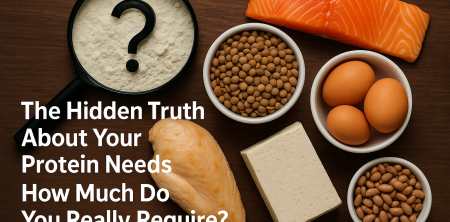
When determining how to meet your protein needs, the quality of protein sources matters just as much as the quantity. High-quality proteins, also known as complete proteins, contain all nine essential amino acids required by the body. Below are some excellent sources of protein to consider:
- Animal Sources: Include lean meats, poultry, fish, eggs, and dairy products. These are all complete protein sources that provide essential nutrients.
- Plant Sources: While most plant proteins are incomplete, combining sources like beans, lentils, quinoa, and nuts can provide a complete amino acid profile.
- Protein Supplements: For those on-the-go, protein bars and shakes can be a convenient option. Look for options that contain at least 20 grams of protein per serving and low added sugars.
Practical Ways to Increase Your Protein Intake
For individuals looking to increase their protein consumption, consider these simple strategies:
- Start Your Day with Protein: Incorporate protein-rich foods such as eggs or Greek yogurt into your breakfast. This can set a positive tone for your protein intake throughout the day.
- Snack Wisely: Opt for snacks like cottage cheese, edamame, or protein bars instead of chips or candy to boost your protein levels.
- Enhance Your Meals: Add legumes to salads or soups, sprinkle nuts on yogurt or oats, and choose whole grains like quinoa, which contain more protein than traditional grains.
Common Misconceptions About Protein Needs
Despite the wealth of information available, several myths persist regarding protein consumption: (See: Recommended Dietary Allowance for protein.)
- More is Always Better: While protein is essential, excessive intake can lead to unnecessary weight gain or other health issues. It's crucial to find a balance that meets your individual needs.
- Only Athletes Need Extra Protein: While athletes often require more protein, individuals of all activity levels can benefit from a higher intake, especially as they age.
- Plant-Based Diets Lack Protein: Many plant-based foods are rich in protein, though they may require careful planning to ensure all essential amino acids are included.
Monitoring Your Protein Intake
To effectively monitor your protein needs, consider using food tracking apps or consulting with a registered dietitian. These professionals can provide tailored advice based on your specific health goals and lifestyle. Additionally, keeping a food diary for a few days can help you understand your current protein intake and identify areas for improvement.
The Role of Protein in Weight Management
Protein plays a pivotal role in weight management by promoting satiety, which can help control hunger and reduce overall calorie intake. Studies have shown that diets higher in protein can lead to better weight loss results when combined with regular physical activity. Moreover, protein has a higher thermic effect than fats or carbohydrates, meaning the body burns more calories digesting and metabolizing protein.
Protein Needs for Special Populations
Different groups of people may have unique protein requirements that should be considered when planning their diets:
- Pregnant and Nursing Women: Increased protein intake is essential for supporting the growth and development of the fetus, as well as the production of breast milk.
- Older Adults: Higher protein needs can help combat muscle loss associated with aging, improving overall health and mobility.
- Individuals with Chronic Illnesses: Those suffering from conditions such as cancer or kidney disease may require modified protein intake tailored to their specific needs.
How to Calculate Your Protein Needs
Calculating your protein needs can be a straightforward process if you follow these steps:
- Determine Your Body Weight: Start with your body weight in kilograms. If you're measuring in pounds, divide your weight by 2.2046 to convert it to kilograms.
- Select Your Activity Level: Identify your activity level. Sedentary adults typically need about 0.8 grams per kilogram of body weight, while those who are moderately active may require around 1.0 to 1.2 grams. Active individuals and athletes may need between 1.2 to 2.0 grams.
- Multiply: Multiply your weight in kilograms by the appropriate protein factor based on your activity level.
For example, a 70 kg moderately active adult would need about 84 to 90 grams of protein per day (70 kg x 1.2 g/kg).
Protein Timing and Distribution
Aside from total protein intake, the timing and distribution of protein across meals can also influence muscle protein synthesis and recovery. Recent research indicates that evenly distributing protein intake throughout the day, rather than consuming a large amount at one meal, may optimize muscle repair and growth.
As a guideline, consider spreading your protein intake across 3-5 meals or snacks. Each meal should ideally contain around 20-30 grams of high-quality protein to maximize muscle protein synthesis. This approach not only supports muscle health but may also help with appetite regulation and body composition.
Protein Needs for Different Diet Tactics
People following various diet strategies may find their protein needs shifting. Here’s how protein needs can vary based on specific diets:
- Ketogenic Diet: This high-fat, low-carb diet often has higher protein requirements to help maintain muscle mass during weight loss. Individuals on a ketogenic diet might aim for 1.2 to 1.5 grams of protein per kilogram of body weight.
- Vegetarian and Vegan Diets: Those following plant-based diets should pay special attention to protein sources. While they can meet protein needs through legumes, nuts, seeds, and whole grains, monitoring intake is crucial to ensure adequate levels of all essential amino acids.
- Intermittent Fasting: Individuals practicing intermittent fasting may benefit from prioritizing protein during their eating windows, as it can help with satiety and muscle preservation.
Expert Perspectives on Protein Intake
Nutrition experts have become increasingly vocal about the importance of protein in the diet. According to Dr. Stuart Phillips, a leading researcher in protein metabolism, "The evidence suggests that protein should be prioritized across the lifespan, particularly in older adults to mitigate sarcopenia (age-related muscle loss)." He emphasizes that achieving sufficient protein intake is key for maintaining muscle health and overall function.
Similarly, registered dietitian and nutritionist, Keri Glassman, points out that "not all proteins are created equal." She advocates for a varied diet that includes both animal and plant sources of protein, as each offers unique nutritional benefits that contribute to a well-rounded diet. (See: Protein and amino acid requirements.)
Frequently Asked Questions (FAQ)
What are the best sources of protein?
High-quality sources of protein include lean meats, poultry, fish, dairy products, eggs, legumes, nuts, and seeds. Combining different plant sources can also provide complete proteins.
Can I get enough protein from a vegetarian or vegan diet?
Yes, with careful planning, it is entirely possible to meet protein needs on a vegetarian or vegan diet. Incorporating a variety of legumes, grains, nuts, and seeds can help achieve sufficient protein intake.
How much protein should I consume after a workout?
Post-workout, it’s recommended to consume 20 to 30 grams of protein within 30 minutes to two hours after exercise to support muscle recovery and growth.
Is excessive protein harmful?
While adequate protein is vital, excessive intake, particularly from animal sources, can lead to health issues such as kidney strain, dehydration, or an imbalance in nutrient intake. It's essential to find a balance that supports your individual health needs.
What if I have kidney disease? How do protein needs change?
Individuals with kidney disease may require lower protein intake to reduce the burden on the kidneys. It is crucial to consult a healthcare provider or dietitian to determine the appropriate level of protein for your specific condition.
Protein Needs: Recent Research and Trends
Recent studies have shown that the optimal protein intake may differ based on specific health outcomes. For example, a meta-analysis published in the journal *Nutrients* found that individuals aiming for muscle gain might benefit from protein intakes exceeding 1.6 grams per kilogram of body weight. Moreover, older adults have been shown to benefit from higher protein consumption to combat muscle loss and support bone health.
Another notable trend is the increasing popularity of plant-based proteins. Research indicates that plant-derived proteins can be just as effective in muscle synthesis as animal proteins when consumed in adequate amounts. A key study published in *The Journal of Nutrition* suggests that combining different plant protein sources can provide similar muscle-building benefits as whey protein, a common animal protein supplement.
Protein Needs in Different Cultures and Dietary Patterns
Protein needs can also vary greatly across different cultures and dietary patterns. For example, the Mediterranean diet, which emphasizes fish, legumes, and nuts, has been associated with numerous health benefits, including lower rates of chronic diseases. This dietary pattern typically achieves protein needs through a variety of sources, showcasing the importance of diversity in protein consumption. (See: Dietary Reference Intakes for protein.)
Similarly, traditional Asian diets often include soy products, tofu, and a variety of legumes, providing ample protein while maintaining lower levels of saturated fats. These diets highlight that protein needs can be met through a wide array of cultural foods, promoting both health and culinary diversity.
Challenges in Meeting Protein Needs
While many people aim to meet their protein needs, several challenges can arise. For one, busy lifestyles can make it difficult to prepare protein-rich meals consistently. Meal prepping and planning can mitigate this challenge, allowing individuals to have protein-rich options readily available.
Additionally, dietary restrictions due to allergies or intolerances, ethical considerations regarding animal products, and economic factors can impact protein intake. Understanding how to substitute protein sources effectively, such as using legumes for animal proteins or exploring affordable protein-rich foods, is essential for overcoming these barriers.
Future Directions in Protein Research
As research in nutrition continues to evolve, future studies are likely to focus on the role of protein in disease prevention and health promotion. Investigating the effects of different types of protein, such as plant versus animal sources, will help refine dietary recommendations. Moreover, the environmental impact of protein sources is gaining attention, leading to an increased emphasis on sustainable protein options, such as insect protein and lab-grown meat alternatives.
Incorporating findings from these studies into public health guidelines could further enhance our understanding of protein needs and their significance in our diets.
Conclusion: Finding Your Balance
Understanding your protein needs is crucial for maintaining overall health and well-being. With evolving dietary guidelines and a growing awareness of personalized nutrition, individuals must stay informed about their protein intake. By recognizing the factors that influence your protein needs and incorporating a variety of high-quality protein sources into your diet, you can optimize your nutrition and improve your health outcomes. Remember, the key to success lies in finding the right balance that works for your individual lifestyle and dietary preferences.
```
Trending Now
Frequently Asked Questions
How much protein do I really need?
The amount of protein you need depends on factors like age, sex, activity level, and overall health. Recent guidelines suggest adults require between 1.2 to 1.6 grams of protein per kilogram of body weight, which is significantly higher than the traditional RDA of 0.36 grams per pound.
What are the new dietary guidelines for protein intake?
The updated dietary guidelines recommend that adults consume between 1.2 to 1.6 grams of protein per kilogram of body weight. This represents a shift toward a more personalized approach to nutrition, emphasizing the importance of adjusting protein intake based on individual needs.
Why is protein important for my health?
Protein is essential for the growth, repair, and maintenance of tissues in the body. It plays a critical role in producing enzymes and hormones and is vital for the health of muscles, skin, and bones, making adequate protein intake crucial for overall health.
What factors influence my protein requirements?
Several factors influence protein needs, including age, sex, activity level, and overall health. For example, physically active individuals or those recovering from illness may require more protein to support muscle repair and recovery.
How can I meet my daily protein needs?
To meet your daily protein needs, incorporate a variety of protein-rich foods into your diet, such as lean meats, dairy products, legumes, nuts, and seeds. Tailoring your protein sources to fit your dietary preferences and lifestyle can help you achieve optimal intake.
Agree or disagree? Drop a comment and tell us what you think.

