```html
1. Understanding Women's Foodwork
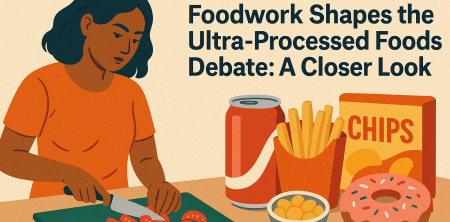
Women's foodwork refers to the often-invisible domestic labor associated with meal preparation, food provisioning, and family nutrition. This concept extends beyond mere cooking; it encompasses planning, budgeting, shopping, and ultimately, the social and emotional labor involved in nourishing a household. Traditional gender roles have historically positioned women as the primary caregivers and managers of family meals, a role that continues to impact societal perspectives on nutrition.
This role is significant, especially when discussing contemporary nutrition debates, such as those surrounding ultra-processed foods (UPFs). As the discussion around UPFs often focuses on their health implications, it is crucial to recognize the underlying social dynamics that shape women’s foodwork and the choices they make. By understanding the context of women's foodwork, we can better analyze the implications of UPFs on health and well-being.
2. The Rise of Ultra-Processed Foods
Ultra-processed foods are defined as industrial formulations that contain little or no whole foods and often include additives and preservatives. These products have become ubiquitous in modern diets, often marketed for their convenience and affordability. In many households, especially those with time constraints, these foods are perceived as practical solutions to the problem of busy lifestyles.
However, the rise of UPFs has sparked a heated debate regarding their health impacts. Critics argue that these foods are linked to various health issues, including obesity, diabetes, and heart disease. Yet, this debate tends to overlook the realities of women's foodwork, where time and energy constraints often dictate food choices. By framing the conversation around UPFs through the lens of women’s foodwork, we can better understand why such foods are so prevalent in today's society.
3. The Hidden Labor of Meal Preparation
Meal preparation is often seen as a routine task, but it involves significant time and effort. Research indicates that women typically spend more time on food-related activities compared to men, which can lead to unequal workloads in households. This disparity is especially pronounced in families with children, where meal planning and preparation can be a full-time job in itself.
The hidden labor of meal preparation also includes emotional labor, such as considering family preferences, dietary restrictions, and nutritional needs. The pressure to provide healthy meals can be overwhelming, particularly in a society inundated with messages about the dangers of UPFs. Women must navigate not only their family's needs but also external pressures from society regarding what constitutes a healthy diet.
4. Gender Roles and Food Choices
Gender roles significantly influence food choices within households. Traditional expectations often assign women the responsibility of managing food, which can limit their options and exacerbate the stress of meal preparation. In this context, UPFs can appear as a convenient solution, allowing women to meet their family's needs despite busy schedules.
This reliance on UPFs raises questions about health equity and the implications of these choices. Women, particularly those in low-income households, might feel pressured to purchase more affordable, ultra-processed options rather than fresh, whole foods. By acknowledging these gendered dynamics, we can foster a more nuanced understanding of the UPF debate and its implications for women's health and well-being.
5. The Impact of Socioeconomic Factors
Socioeconomic factors play a crucial role in shaping dietary choices and foodwork. Women in lower-income households often face significant barriers to accessing fresh and nutritious foods, such as limited transportation, higher prices for healthy options, and a lack of time due to multiple jobs or caregiving responsibilities. As a result, these women may turn to UPFs as a more accessible option.
This reliance on UPFs can perpetuate health disparities, contributing to the cycle of poor nutrition and related health issues. Understanding these socioeconomic dynamics is essential for addressing the UPF debate, as it highlights the need for systemic changes that support equitable access to healthy food options, ultimately reducing the burden on women’s foodwork.
6. Rethinking Nutrition Education and Policies
Nutrition education and public health policies often focus on individual responsibility, placing the onus on women to make healthier choices in their foodwork. However, this approach neglects the structural inequalities that shape these choices. By emphasizing women's foodwork and the challenges they face, we can advocate for more inclusive policies that acknowledge the complexities of food-related decisions. (See: Healthy diet fact sheet.)
For instance, policies could support community programs that provide resources and education on meal planning, budgeting, and cooking skills. Such initiatives could empower women by equipping them with the tools needed to navigate the food landscape effectively. By addressing the systemic barriers women face, we can promote healthier food choices and reduce reliance on UPFs.
7. The Role of Technology and Convenience
In today's fast-paced world, technology plays a significant role in shaping women's foodwork. The rise of meal delivery services, grocery apps, and social media platforms has transformed how women approach meal planning and preparation. While technology can offer convenience, it can also reinforce unhealthy eating habits through the promotion of UPFs.
Women often find themselves torn between the desire for healthy meals and the convenience offered by UPFs. The challenge lies in leveraging technology to facilitate healthier choices while still addressing the realities of time and labor involved in women's foodwork. Fostering a culture that values whole food preparation and cooking skills, even in a digital age, is essential for promoting better dietary habits.
8. Creating Supportive Communities
Building supportive communities is vital in addressing the challenges associated with women's foodwork. Community initiatives that encourage shared cooking experiences, cooperative meal planning, and resource sharing can alleviate some of the burdens women face. These efforts can also promote healthier eating habits by fostering a sense of belonging and mutual support.
Such communal approaches can empower women, enabling them to take charge of their foodwork while also addressing the systemic issues that contribute to reliance on UPFs. By creating spaces where women can share experiences, recipes, and knowledge, we can shift the narrative around foodwork from one of isolation to one of collaboration.
9. Conclusion: The Path Forward in the Ultra-Processed Foods Debate
The debate surrounding ultra-processed foods cannot be viewed in isolation from the realities of women's foodwork. As we continue to discuss the health implications of these foods, it is essential to consider the social, economic, and cultural factors that shape dietary choices. Acknowledging the hidden labor of meal preparation and the pressures women face can lead to a more productive and inclusive discourse.
Moving forward, it is imperative to advocate for policies and community initiatives that support women in their foodwork, ultimately promoting healthier eating habits and reducing the reliance on UPFs. By reframing the conversation around women's foodwork, we can foster a more comprehensive understanding of nutrition that empowers individuals and families to make informed food choices.
10. The Intersection of Culture and Women's Foodwork
Women's foodwork is deeply intertwined with cultural traditions and practices that shape cooking and meal sharing. Different cultures have unique culinary practices that influence how women approach their roles in foodwork. For instance, in many Mediterranean cultures, cooking is often a communal activity that involves extended families and gatherings, reinforcing social bonds and shared responsibilities. In contrast, in some Western contexts, cooking may be seen more as a personal or individual task.
Moreover, these cultural dimensions impact how women perceive UPFs. For example, in cultures that prioritize fresh ingredients and traditional cooking methods, there is often more resistance to adopting ultra-processed foods. Conversely, in cultures where convenience foods are prevalent, UPFs may be more readily accepted as part of daily life. Recognizing these cultural nuances adds depth to our understanding of women's foodwork and the societal pressures they experience.
11. Statistics on Women's Foodwork and Health
Understanding the impact of women's foodwork requires examining statistics that highlight the relationship between food choices, health outcomes, and demographics. Studies indicate that women are typically responsible for approximately 70% of food preparation and meal planning in households. This statistic illustrates not only the heavy burden placed on women but also how this labor can impact their health.
Additionally, research shows that households led by women are more likely to consume higher quantities of UPFs, with a study revealing that women with lower education levels and income were more likely to rely on processed foods than their more affluent counterparts. Strikingly, women who frequently prepare meals from scratch report better health outcomes compared to those who rely heavily on UPFs, underscoring the significant implications of choices made in women's foodwork.
12. Expert Perspectives on Women's Foodwork
Experts in nutrition, sociology, and gender studies emphasize the importance of addressing women's foodwork in discussions about public health and nutrition policy. Dr. Julia Smith, a sociologist specializing in family dynamics, states, "Understanding the factors that influence women's foodwork is critical for developing effective public health interventions. We cannot simply tell women to make healthier food choices without recognizing the pressures they face in their daily lives."
Nutritionist Sarah Rodriguez adds, "The convenience factor of UPFs cannot be understated. For many women juggling jobs and family responsibilities, the time it takes to prepare healthy meals can feel overwhelming. We need to offer solutions that support them in their food decisions, not just tell them to eat better." (See: Nutrition and healthy eating resources.)
These expert insights highlight the need for a holistic approach to women's foodwork that considers both individual and systemic factors, particularly in addressing the challenges posed by UPFs.
13. Comparative Analysis: Women’s Foodwork Across Countries
Women's foodwork is not a monolithic experience; it varies significantly across different countries and cultures. In countries like Italy and Greece, food preparation is often a communal and familial activity, with a strong emphasis on fresh, local ingredients. Here, women's foodwork is celebrated and valued, with cooking seen as an act of love and connection.
In contrast, in fast-paced societies like the United States, the prevalence of UPFs has shifted the landscape of women's foodwork, where efficiency often supersedes traditional cooking methods. This shift is reflected in dietary patterns, with higher rates of diet-related illnesses reported in areas with greater reliance on ultra-processed food options.
The differences in women's foodwork across cultures highlight the importance of context in shaping dietary choices and health outcomes. Understanding these comparative aspects can inform more tailored interventions that respect and incorporate cultural practices in promoting healthy eating.
14. FAQ: Common Questions About Women's Foodwork
What is women's foodwork?
Women's foodwork encompasses all the tasks related to food preparation, planning, budgeting, and emotional labor involved in feeding a household. It highlights the significant role women play in managing family nutrition and dietary choices.
Why is women's foodwork often invisible?
Women's foodwork is often deemed invisible because it is typically unpaid and occurs within the private sphere of the home. The social and emotional labor associated with meal preparation is often overlooked, contributing to the perception that foodwork is a mundane task rather than a skilled and labor-intensive activity.
How do socioeconomic factors impact women's foodwork?
Socioeconomic factors significantly influence the ability of women to access fresh and nutritious foods. Women in lower-income households may face barriers like higher prices for healthy options and limited transportation, leading to a reliance on more affordable ultra-processed foods.
What role does culture play in women's foodwork?
Culture shapes women's foodwork by influencing cooking practices, meal sharing, and attitudes toward food. Cultural traditions can either support or hinder healthy eating habits, impacting how women perceive and engage with UPFs.
How can communities support women's foodwork?
Communities can support women's foodwork by creating initiatives that promote shared cooking experiences, resource sharing, and education on meal planning and budgeting. Building networks of support can alleviate the pressures women face and encourage healthier food choices.
What are some strategies for reducing reliance on ultra-processed foods?
Strategies for reducing reliance on UPFs include enhancing access to fresh produce through community gardens, providing cooking classes, and promoting meal planning resources. Encouraging families to cook together can also cultivate positive food practices and reduce dependence on convenience foods. (See: Debate on ultra-processed foods.)
What are the health implications of relying on ultra-processed foods?
Relying on ultra-processed foods is linked to various health issues, including obesity, diabetes, and heart disease. These foods are typically high in sugar, unhealthy fats, and salt, contributing to poor dietary patterns and negative health outcomes.
15. The Future of Women's Foodwork
The future of women's foodwork is likely to be shaped by various trends and societal changes. One significant influence is the growing awareness of health and wellness, which has led to increased interest in whole foods and sustainable eating practices. As more women become health-conscious and seek to make informed dietary choices, there could be a resurgence in traditional cooking methods and a shift towards local and organic food sources.
Furthermore, the rise of the feminist movement has led to greater advocacy for shared responsibilities in households, which could redistribute foodwork more equitably between genders. The integration of male partners into domestic cooking roles could help alleviate the burden on women, allowing for a more balanced approach to nutrition and meal preparation.
16. Women’s Foodwork in the Age of Social Media
Social media has transformed how women engage with foodwork, creating platforms for sharing recipes, cooking tips, and nutritional advice. Influencers and food bloggers often promote healthy eating habits and cooking techniques, which can inspire women to try new foods and recipes. However, this can also lead to unrealistic expectations and the pressure to present an idealized version of cooking and eating.
Moreover, social media can facilitate community building among women, allowing them to connect with others facing similar challenges in their foodwork. By fostering online support networks, women can share experiences, advice, and resources that help navigate the complexities of meal preparation and family nutrition.
17. The Psychological Impact of Foodwork
The psychological impact of women's foodwork is another critical area of exploration. The pressure to consistently provide healthy and appealing meals can lead to stress and anxiety. Furthermore, the emotional labor involved in cooking—considering family preferences, dietary restrictions, and time constraints—can take a toll on women's mental well-being.
Conversely, foodwork can also be a source of joy and fulfillment. For many women, cooking is an act of love, providing an opportunity to express creativity and care for their families. Understanding the dual nature of foodwork, as both a burden and a source of satisfaction, is essential for supporting women's mental health in relation to their roles in the kitchen.
18. Conclusion: Embracing Change in Women's Foodwork
As we look to the future of women's foodwork, it is essential to embrace change and advocate for a more equitable division of labor within households. Recognizing the challenges women face in their food-related responsibilities can lead to a more nuanced understanding of nutrition and health. By promoting supportive communities, leveraging technology positively, and fostering a culture that values home-cooked meals, we can empower women to make informed food choices while alleviating some of the pressures associated with their foodwork.
```
Trending Now
Frequently Asked Questions
What is women's foodwork?
Women's foodwork refers to the domestic labor involved in meal preparation, food provisioning, and family nutrition. It includes planning, budgeting, shopping, and the emotional labor associated with nourishing a household, often shaped by traditional gender roles.
How do ultra-processed foods impact health?
Ultra-processed foods are linked to various health issues, including obesity, diabetes, and heart disease. Critics argue that their convenience and affordability come at a significant health cost, especially when they dominate busy lifestyles.
Why are ultra-processed foods so popular?
Ultra-processed foods have gained popularity due to their convenience and affordability, making them practical solutions for busy households. This trend often reflects the time and energy constraints faced by families, particularly women managing meal preparation.
What role do women play in food choices?
Women traditionally play a significant role in food choices within households, often managing meal preparation and nutrition. Their responsibilities influence the types of foods purchased and consumed, including the prevalence of ultra-processed options.
What are the social dynamics around women's foodwork?
The social dynamics of women's foodwork involve the intersection of traditional gender roles and contemporary nutritional debates. Understanding these dynamics helps illuminate why ultra-processed foods are prevalent, despite their health implications.
Agree or disagree? Drop a comment and tell us what you think.

