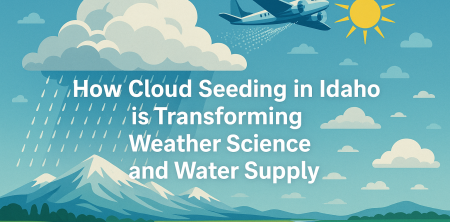
```html
As the effects of climate change and ongoing droughts continue to raise concerns about water availability, innovative solutions like cloud seeding in Idaho have garnered significant attention. Located in the heart of the American West, Idaho has been at the forefront of this weather modification technique since the early 1950s. This article delves into the science behind cloud seeding, its historical context in Idaho, recent advancements, and the ongoing debate surrounding its effectiveness and ethical implications.
The Science of Cloud Seeding
Cloud seeding is a form of weather modification that aims to enhance precipitation by introducing substances into the atmosphere. These substances, typically silver iodide, sodium chloride, or liquid propane, serve as nuclei around which moisture can condense, forming raindrops or snowflakes. The process begins with identifying suitable clouds that possess a sufficient amount of moisture but lack adequate condensation nuclei.
When cloud seeding materials are introduced into these clouds, they facilitate the process of droplet formation. As these droplets grow larger, they eventually become heavy enough to overcome air resistance and fall to the ground as precipitation. Importantly, cloud seeding does not create precipitation out of thin air; it merely enhances the natural processes already occurring in the atmosphere. The Idaho Department of Water Resources (IDWR) plays a pivotal role in overseeing and managing cloud seeding programs throughout the state, ensuring that they are conducted safely and responsibly.
Historical Context of Cloud Seeding in Idaho
Idaho's journey with cloud seeding began in the 1950s, a time when the concept of weather modification was still in its infancy. The early efforts revolved around understanding the dynamics of clouds and experimenting with seeding techniques. Over the decades, Idaho has developed a robust cloud seeding program, making it one of the leaders in this field.
In the 1970s, the state established formal programs to systematically assess the potential of cloud seeding as a viable method for increasing water supply. These initiatives were primarily driven by concerns over water scarcity, particularly during the hot summer months when irrigation demands peaked. The program has evolved significantly since its inception, with advancements in technology and scientific understanding enhancing its efficacy.
The SNOWIE Experiment: A Breakthrough in Cloud Seeding
A significant milestone in the history of cloud seeding in Idaho was the 2017 SNOWIE (Seeded and Natural Orographic Wintertime Precipitation Study) experiment. This large-scale scientific study aimed to provide definitive evidence regarding the impact of cloud seeding on winter precipitation. Conducted in the Payette National Forest, the SNOWIE experiment utilized advanced techniques and instrumentation to monitor and analyze the effects of cloud seeding in real-time.
The results were groundbreaking, offering the first unambiguous field evidence that seeded clouds could indeed produce additional winter precipitation. This validation has been crucial in bolstering support for cloud seeding initiatives across Idaho, as it provides tangible proof of their effectiveness. The findings from the SNOWIE experiment have not only advanced scientific knowledge but have also served as a catalyst for discussions surrounding the future of water resource management in the region.
Controversies and Concerns
Despite the advancements and successes of cloud seeding in Idaho, the practice is not without its controversies. Skepticism exists regarding the long-term impacts of introducing foreign materials into the atmosphere. Environmentalists, scientists, and local communities often voice concerns about the potential ecological consequences of cloud seeding.
Critics argue that cloud seeding may alter local weather patterns, potentially leading to unintended consequences. For instance, while some areas may benefit from increased precipitation, others may experience unintended drought conditions. Moreover, there are concerns about the use of chemicals in cloud seeding, particularly silver iodide, which raises questions about its effects on water quality and ecosystems.
Furthermore, the ethical implications of weather modification provoke debates about human intervention in natural processes. Many individuals wonder whether it is appropriate to manipulate weather patterns, especially in a world grappling with climate change. Addressing these concerns requires transparency, thorough scientific research, and ongoing dialogue between stakeholders.
The Role of Technology in Cloud Seeding
Advancements in technology have revolutionized the field of cloud seeding, providing scientists with enhanced tools for monitoring and analysis. The integration of satellite imagery, ground-based weather stations, and sophisticated modeling software allows researchers to identify suitable conditions for cloud seeding more efficiently. (See: Wikipedia article on cloud seeding.)
In Idaho, the use of drones equipped with seeding materials has emerged as a game-changer, allowing for more precise delivery of cloud seeding agents. Drones can navigate challenging terrains, ensuring that seeding occurs in optimal locations. This technology not only improves the efficacy of cloud seeding but also enhances safety for personnel involved in the operations.
Moreover, data collected during cloud seeding operations can be analyzed to refine techniques and better understand atmospheric dynamics. This feedback loop between technology and scientific inquiry continues to shape the future of cloud seeding in Idaho and beyond.
Future Implications for Water Resource Management
As climate change exacerbates water shortages across the Western United States, cloud seeding in Idaho presents a potential solution for enhancing water supply. The state's reliance on agriculture and recreational activities makes water availability a top priority, and cloud seeding could play a pivotal role in mitigating future challenges.
However, the implementation of cloud seeding must be approached with caution. Ongoing research is essential to fully understand the long-term effects of weather modification and to develop comprehensive management strategies. This includes monitoring the environmental impacts, assessing water quality, and evaluating the success of cloud seeding in different geographic regions.
Additionally, collaboration between state agencies, researchers, and local communities is crucial to ensure that cloud seeding initiatives are transparent and equitable. Engaging stakeholders in discussions about the benefits and challenges of cloud seeding can foster a sense of shared responsibility for water resource management.
Public Perception and Acceptance
The public's perception of cloud seeding in Idaho is influenced by various factors, including media coverage, personal experiences, and cultural beliefs. While many individuals view cloud seeding as a promising solution to water scarcity, others remain skeptical about its effectiveness and potential consequences.
Education plays a vital role in shaping public understanding of cloud seeding. Informational campaigns that highlight the scientific basis for the practice, its benefits, and its limitations can help demystify cloud seeding and foster acceptance. Furthermore, addressing common misconceptions about the safety and efficacy of cloud seeding is essential for building trust among communities.
Public forums, workshops, and collaboration with environmental organizations can facilitate productive discussions about cloud seeding and its role in water resource management. By actively engaging the public, stakeholders can ensure that decisions regarding cloud seeding are informed by diverse perspectives and priorities.
Cost-Benefit Analysis of Cloud Seeding in Idaho
One of the critical aspects of evaluating cloud seeding in Idaho is conducting a thorough cost-benefit analysis. The costs associated with cloud seeding programs can vary significantly based on the scale of the operation, the technology used, and the geographic area targeted. These costs may include the procurement of seeding materials, operational expenses related to aircraft or drone deployment, and the salaries of personnel involved in the program.
However, the potential benefits of cloud seeding can be substantial. Increased precipitation resulting from cloud seeding can enhance water supplies for agriculture, hydropower generation, and domestic use. In Idaho, where agriculture is a significant component of the economy, the ability to increase water availability during critical growing seasons can lead to improved crop yields and economic stability.
Moreover, studies have estimated that for every dollar spent on cloud seeding, there can be a return on investment of up to several dollars in terms of agricultural output and water resource management. This economic justification can be a compelling argument for continued investment in cloud seeding projects.
As part of this analysis, it is also essential to consider the potential risks and uncertainties associated with cloud seeding. This includes evaluating the likelihood of adverse ecological impacts or changes in weather patterns, which could have economic repercussions. A comprehensive cost-benefit analysis will help policymakers make informed decisions about the future of cloud seeding in Idaho.
Cloud Seeding Success Stories and Case Studies
Successful cloud seeding operations in various regions have provided valuable insights and case studies that can be applied to Idaho's initiatives. For instance, in California, cloud seeding has been employed successfully to augment water supplies in drought-prone areas. The program showed that cloud seeding could increase precipitation by 10% to 20% during winter storms, translating into millions of gallons of additional water for reservoirs and agricultural use. (See: NOAA's FAQ on cloud seeding.)
Similarly, a project in Utah demonstrated the potential of cloud seeding to improve snowfall in mountain regions, which is vital for water reservoirs. The project reported an increase in snowpack accumulation, which directly contributed to enhanced water supply for rivers and irrigation systems downstream.
These case studies highlight the importance of tailored approaches to cloud seeding based on regional climatic conditions and water needs. By analyzing the successes and challenges faced in other states, Idaho can refine its cloud seeding strategies to maximize effectiveness and mitigate risks.
Collaborations and Partnerships in Cloud Seeding Efforts
Collaboration is essential for the success of cloud seeding programs. In Idaho, partnerships among government agencies, research institutions, and private stakeholders are crucial for developing and implementing effective cloud seeding strategies. The Idaho Department of Water Resources often collaborates with universities and research organizations to advance scientific understanding and improve cloud seeding techniques.
Additionally, engaging local farmers, water management authorities, and environmental groups in discussions about cloud seeding can foster a collaborative approach to water resource management. Stakeholder engagement is vital to ensure that the diverse interests and concerns of the community are considered, leading to more comprehensive and accepted cloud seeding initiatives.
Through partnerships, Idaho can also share knowledge and experiences with other states and countries that have implemented cloud seeding. International collaborations can lead to shared research, technology transfer, and better understanding of the broader implications of weather modification practices.
Frequently Asked Questions about Cloud Seeding in Idaho
What is cloud seeding?
Cloud seeding is a weather modification technique that involves dispersing substances such as silver iodide, sodium chloride, or liquid propane into the atmosphere to encourage precipitation. The goal is to enhance rainfall or snowfall in target areas.
How effective is cloud seeding in Idaho?
Studies, including the SNOWIE experiment, have shown that cloud seeding can significantly increase winter precipitation in Idaho. However, the effectiveness varies depending on atmospheric conditions and the type of clouds targeted.
Are there any environmental risks associated with cloud seeding?
There are concerns about the long-term ecological impacts of introducing chemicals like silver iodide into the atmosphere. Ongoing research is necessary to assess these risks fully and to develop safe practices for cloud seeding.
Who oversees cloud seeding programs in Idaho?
The Idaho Department of Water Resources (IDWR) is responsible for managing and overseeing cloud seeding initiatives in the state, ensuring that they align with environmental regulations and community needs.
How can the public get involved in discussions about cloud seeding?
Public involvement can occur through community forums, workshops, and informational sessions organized by local government agencies or environmental organizations. Engaging in these discussions provides an opportunity for residents to voice their concerns and preferences regarding cloud seeding initiatives. (See: Scientific article on weather modification.)
Is cloud seeding a permanent solution to water scarcity?
While cloud seeding can enhance water supplies, it is not a standalone solution to water scarcity. It should be viewed as a complementary measure alongside sustainable water management practices, conservation efforts, and climate adaptation strategies.
What are the economic implications of cloud seeding in Idaho?
The economic implications of cloud seeding can be significant, especially in a state like Idaho where agriculture plays a crucial role in the economy. By potentially increasing water availability during critical growing seasons, cloud seeding can lead to improved crop yields and thus contribute to the overall economic stability of farming communities.
Are there any case studies that demonstrate the effectiveness of cloud seeding?
Yes, several case studies from states like California and Utah have shown that cloud seeding can effectively increase precipitation and snowpack levels. These studies highlight the potential for improved water management through cloud seeding initiatives and can serve as a model for Idaho's own programs.
How does cloud seeding interact with climate change?
Cloud seeding is not a direct solution to climate change but can be a tool to help manage the impacts of reduced water availability due to changing climatic conditions. By enhancing precipitation during dry periods, it may help mitigate some of the adverse effects of climate change on water resources.
What are the public's concerns regarding cloud seeding?
Public concerns about cloud seeding often revolve around environmental risks, efficacy, and ethical considerations. Questions about the long-term impact of chemicals used in cloud seeding, potential alterations to local weather patterns, and the morality of intervening in natural processes are common themes in community discussions.
Conclusion: A Cloudy Future Ahead
Cloud seeding in Idaho represents a fascinating intersection of science, technology, and environmental stewardship. As the state grapples with the challenges posed by climate change and water scarcity, innovative solutions like cloud seeding could play an increasingly important role in ensuring a sustainable water supply.
While the practice is still mired in debate and requires careful consideration of its ecological impacts, the advancements made through studies like the SNOWIE experiment offer hope for a future where cloud seeding can be harnessed effectively. By prioritizing transparency, collaboration, and ongoing research, Idaho can navigate the complexities of weather modification and work toward a more resilient water management strategy.
In summary, cloud seeding in Idaho is not just a scientific endeavor; it is a reflection of humanity's desire to intervene in natural processes for the greater good. As we continue to explore the possibilities of weather modification, we must balance innovation with responsibility, ensuring that our actions today pave the way for a sustainable tomorrow.
```
Trending Now
Frequently Asked Questions
What is cloud seeding and how does it work?
Cloud seeding is a weather modification technique that enhances precipitation by introducing substances like silver iodide or sodium chloride into clouds. These materials act as nuclei for moisture to condense around, forming raindrops or snowflakes that eventually fall to the ground as precipitation.
How long has cloud seeding been used in Idaho?
Cloud seeding in Idaho began in the early 1950s, making it one of the first states to explore and implement this weather modification technique. Over the years, Idaho has developed a comprehensive cloud seeding program that has placed it at the forefront of this field.
What are the benefits of cloud seeding?
Cloud seeding can help increase precipitation, which is particularly beneficial in areas facing drought or water shortages. By enhancing natural rainfall, it can support agriculture, replenish water supplies, and contribute to overall water resource management.
Is cloud seeding effective?
The effectiveness of cloud seeding is a topic of ongoing debate. While some studies suggest it can increase precipitation under certain conditions, others argue that its impact may be minimal. Research continues to assess its overall efficacy and the best practices for implementation.
What are the ethical implications of cloud seeding?
The ethical implications of cloud seeding include concerns about environmental impacts, potential changes to local weather patterns, and the fairness of water distribution. Ongoing discussions aim to address these issues while ensuring that cloud seeding programs are conducted safely and responsibly.
Have you experienced this yourself? We'd love to hear your story in the comments.

