```html
The conversation surrounding climate change has become increasingly urgent in recent years, with numerous environmental articles highlighting its effects on our planet. One prominent resource for understanding these changes is the EPA Climate Indicators page. This comprehensive data resource provides critical insights into various climate-related trends and has significant implications for policymakers, researchers, and the public alike. In this article, we will explore the various climate indicators available through the EPA, their relevance to current environmental discussions, and what they mean for our future.
Understanding Climate Indicators
Climate indicators are essential for tracking changes in weather and climate patterns over time. They include a range of metrics, from temperature and precipitation levels to extreme weather events and sea level rise. By examining these indicators, scientists can better understand the impacts of climate change on ecosystems, human health, and economic stability.
The EPA’s collection of climate indicators serves as a vital tool for researchers and policymakers. It consolidates data from various sources, including satellite imagery, ground-level measurements, and historical records, providing a comprehensive overview of how climate is evolving. These indicators help in making informed decisions about how to mitigate and adapt to climate change.
Key Climate Indicators from the EPA
Among the numerous indicators listed on the EPA website, several are particularly noteworthy. Below, we discuss some of the most critical indicators that illustrate the changing climate.
1. Temperature Trends
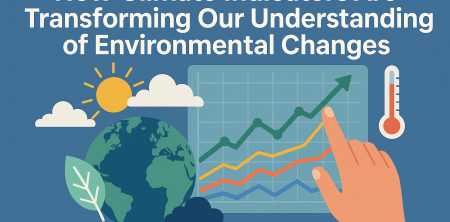
One of the most significant indicators of climate change is the increase in average global temperatures. According to the EPA, the United States has experienced a temperature rise of about 1.8 degrees Fahrenheit (1 degree Celsius) since the late 19th century. This warming trend is not uniform, with some regions experiencing more significant increases than others.
Temperature changes impact various aspects of the environment, including ecosystems and weather patterns. For example, warmer temperatures can lead to more frequent and intense heatwaves, affecting human health, agriculture, and water resources.
2. Precipitation Patterns
Changes in precipitation patterns are another critical climate indicator. The EPA reports that while some regions are experiencing increased rainfall, others are facing prolonged droughts. This variability can lead to severe consequences for water supply and food production.
For instance, states like Wyoming have seen significant droughts affecting agricultural yields, while others in the eastern U.S. may experience flooding due to heavy rainfall. Understanding these patterns is crucial for managing water resources and preparing for extreme weather events.
3. Sea Level Rise
Sea level rise is a pressing concern as it poses a threat to coastal communities and ecosystems. The EPA indicates that sea levels have risen by about 8 inches in the U.S. since 1880, with projections suggesting an increase of 1 to 8 feet by the end of the century, depending on greenhouse gas emissions and other factors.
This rise can lead to increased flooding, erosion, and habitat loss, particularly for vulnerable coastal communities. Policymakers must consider these risks when planning for future infrastructure and urban development.
4. Ocean Acidification
Oceans absorb a significant portion of the CO2 emissions generated by human activities, leading to ocean acidification. The EPA highlights that increased acid levels negatively impact marine life, particularly organisms such as coral reefs and shellfish, which are integral to marine ecosystems.
As these ecosystems face threats, communities that rely on fishing and tourism may also suffer economically. Understanding ocean acidification is essential for developing strategies to protect marine biodiversity and the livelihoods dependent on it.
Impacts of Climate Change on Public Health
Beyond environmental consequences, climate change poses significant risks to public health. Increased temperatures and changing weather patterns can exacerbate health issues, leading to higher rates of heat-related illnesses, respiratory problems, and vector-borne diseases. (See: EPA Climate Indicators page.)
For example, air quality may deteriorate due to rising temperatures, leading to increased pollen production and worsening asthma for many individuals. Furthermore, conditions favorable for the spread of diseases, such as Lyme disease or West Nile virus, may become more prevalent in previously unaffected areas.
Global Responses to Climate Indicators
Countries around the world are beginning to recognize the importance of climate indicators in shaping environmental policy. For instance, the Paris Agreement aims to limit global warming to below 2 degrees Celsius, with countries setting nationally determined contributions (NDCs) to reduce emissions.
By utilizing climate indicators, nations can track progress toward these goals, ensuring accountability and transparency in their efforts. This data-driven approach enables countries to adjust their strategies and initiatives in response to changing climate conditions and new scientific findings.
The Role of Technology in Monitoring Climate Indicators
Advancements in technology play a critical role in monitoring climate indicators. Satellite imagery, remote sensing, and data analytics allow scientists to gather and analyze vast amounts of data related to climate variations efficiently. These technological tools enable a more comprehensive understanding of climate change impacts and help to inform policy decisions.
For example, NASA's Earth Observing System satellites collect data on various climate indicators, including temperature, precipitation, and land-use changes. This information is invaluable for researchers studying environmental changes and their implications for human activity.
The Importance of Public Awareness and Education
Raising public awareness about climate indicators is crucial in fostering a collective response to climate change. Environmental articles and educational initiatives that inform the public about the science behind climate change can inspire individuals to take action in their communities.
By understanding the implications of climate indicators, citizens can become advocates for smarter policies that promote sustainability and environmental stewardship. Encouraging individuals to reduce their carbon footprint, conserve water, and support renewable energy initiatives can significantly impact climate change mitigation efforts.
Challenges in Addressing Climate Change
Despite growing awareness of climate change, significant challenges remain in addressing its impacts effectively. Political polarization, economic interests, and misinformation can hinder progress on crucial climate initiatives.
Some policymakers may prioritize short-term economic gains over long-term environmental sustainability, making it difficult to implement meaningful climate policies. Furthermore, misinformation surrounding climate science may lead to public skepticism and resistance to change.
Looking Ahead: The Future of Climate Indicators
As we move forward, the use of climate indicators will be crucial in shaping our understanding of environmental changes and guiding our responses. The ongoing collection and analysis of climate data will enable researchers and policymakers to adapt to new challenges and threats posed by climate change.
Collaboration among governments, scientists, and the public will be essential in addressing the multifaceted challenges of climate change. By leveraging data from climate indicators, we can work towards a more resilient and sustainable future for all.
Conclusion
The EPA’s climate indicators provide vital insights into the changing landscape of our environment. As we confront the realities of climate change, understanding these indicators is essential for making informed decisions that impact our planet's future. By fostering public awareness, utilizing technology, and promoting collaborative efforts, we have the potential to address the challenges posed by climate change effectively. In doing so, we can pave the way for a healthier and more sustainable world.
Expanded Analysis of Climate Indicators
While we have covered the key climate indicators from the EPA, we can delve deeper into their implications and broader context. Understanding the interconnectedness of these indicators is crucial for grasping the comprehensive picture of climate change. For instance, rising temperatures influence precipitation patterns, which in turn can exacerbate sea level rise due to increased melting of polar ice. This interconnectedness emphasizes the need for a holistic approach in climate science and policy-making.
Case Studies: Regional Impacts of Climate Change
Examining specific regions can provide insight into the localized impacts of climate change as indicated by the EPA. For instance, in the Pacific Northwest, increased rainfall and changing snowmelt patterns are affecting water availability during the summer months. Conversely, in the Southwestern U.S., prolonged drought conditions are impacting water supply and agriculture, emphasizing the variance in climate impacts based on geographical location. These case studies highlight the necessity of tailored approaches to climate adaptation and resilience strategies. (See: NOAA Climate Information.)
Statistical Overview of Climate Change Effects
Recent studies provide alarming statistics that illustrate the urgency of addressing climate change. For example, a report by the National Oceanic and Atmospheric Administration (NOAA) indicates that the frequency of extreme weather events has increased significantly over the past few decades. Between 1980 and 2020, the U.S. experienced a doubling of the number of billion-dollar weather disasters, which is a clear indicator of increasing climate volatility. Furthermore, the Intergovernmental Panel on Climate Change (IPCC) warns that without immediate action, global temperatures could rise by 3 degrees Celsius or more by 2100, leading to catastrophic consequences worldwide.
Expert Perspectives on Climate Indicators
Expert opinion plays a crucial role in understanding climate indicators and their implications. Renowned climate scientists, such as Dr. Michael Mann, emphasize that the data from climate indicators is unequivocal and demands urgent action. According to Dr. Mann, “We are living in a climate emergency, and the data shows that we must transition to renewable energy sources and implement widespread conservation measures.” Experts agree that the integration of climate data into policy-making is essential for effective action against climate change.
International Collaboration on Climate Indicators
International collaboration is vital for addressing climate change effectively. Organizations like the United Nations Framework Convention on Climate Change (UNFCCC) work to unite member countries in their efforts to combat climate change. The Global Climate Observing System (GCOS) also plays a significant role in coordinating international efforts to gather and share data on climate indicators. By fostering collaboration, nations can share best practices and strategies, ensuring that efforts to combat climate change are more effective.
FAQ Section on Climate Indicators
What are climate indicators?
Climate indicators are measurable features that provide insights into climate change and its impacts. They include metrics such as temperature, precipitation patterns, sea level rise, and the frequency of extreme weather events.
Why are climate indicators important?
Climate indicators are crucial for understanding the current state and trends of our climate, helping policymakers make informed decisions regarding climate action and adaptation strategies.
How does the EPA collect climate data?
The EPA collects climate data from various sources, including satellite observations, ground-based measurements, and historical weather records, to provide a comprehensive analysis of climate trends.
Can individuals contribute to addressing climate change?
Yes, individuals can play a significant role by reducing their carbon footprint, advocating for sustainable practices, supporting renewable energy initiatives, and participating in community efforts focused on climate awareness and action.
What role does technology play in climate monitoring?
Technology is essential for monitoring climate indicators as it enables scientists to efficiently collect and analyze large datasets, providing critical insights into climate changes and trends over time.
How can I learn more about climate change?
Numerous resources are available to learn more about climate change, including educational articles, documentaries, and websites dedicated to climate science and advocacy. Engaging with local environmental organizations can also provide valuable information and opportunities for involvement.
Conclusion: The Path Forward
As we navigate the complexities of climate change, understanding climate indicators remains a cornerstone of effective response strategies. From individual actions to international collaboration, every effort contributes to creating a more sustainable future. By prioritizing education, leveraging technology, and promoting public engagement, we can collectively work towards mitigating the impacts of climate change and safeguarding our planet for future generations. The time to act is now, and the data from climate indicators will guide us on this critical journey.
Future Trends in Climate Data Collection
The evolution of climate science is intrinsically linked to advancements in data collection technologies. Emerging methodologies such as the Internet of Things (IoT) and artificial intelligence (AI) are poised to revolutionize how we monitor climate indicators. IoT devices are increasingly being deployed in remote areas to provide real-time data on temperature, humidity, and air quality. This allows for quicker responses to environmental changes and helps researchers identify patterns that were previously unnoticed.
Moreover, AI algorithms can analyze vast datasets to predict future climate scenarios more accurately. Such predictive modeling is crucial for preparing communities for potential climate impacts and developing adaptive strategies. For instance, AI could help in predicting heatwaves and their likely impacts on urban areas, enabling preemptive measures to protect vulnerable populations. (See: Climate Change and Health.)
The Role of Policy in Climate Change Mitigation
Policy frameworks play a significant role in shaping how societies respond to climate indicators. Effective policies must not only address immediate concerns but also promote long-term sustainability. For example, the Green New Deal in the U.S. envisions a comprehensive approach that integrates climate action with economic growth and social equity. This holistic policy approach recognizes that combating climate change is not solely an environmental issue but also an economic and social one.
Globally, policies like carbon pricing mechanisms incentivize industries to reduce greenhouse gas emissions. Countries that have implemented such policies have reported significant decreases in emissions while simultaneously boosting economic growth. These examples underscore the importance of proactive policy-making in the fight against climate change.
Community Actions and Grassroots Movements
Community-level initiatives have become increasingly influential in addressing climate change. Grassroots movements often lead the charge in advocating for climate action and holding policymakers accountable. Organizations like Fridays for Future and Extinction Rebellion mobilize young people and communities to demand urgent action from their governments.
Local communities can implement sustainability practices such as urban gardening, recycling programs, and renewable energy co-ops. These initiatives not only help mitigate climate change but also foster a sense of community and resilience. Engaging residents in environmental stewardship creates a culture of sustainability that encourages long-lasting change.
Economic Implications of Climate Change
The economic ramifications of climate change are profound and far-reaching. The increasing frequency of natural disasters leads to substantial financial losses for businesses and governments alike. According to a report from the National Oceanic and Atmospheric Administration (NOAA), the U.S. faced over $95 billion in weather and climate disasters in 2020 alone. These figures highlight the urgent need for climate resilience in economic planning.
Transitioning to a green economy presents both challenges and opportunities. While some traditional sectors may decline, new industries focused on renewable energy and sustainability are emerging. The shift towards green jobs not only helps mitigate climate change but also stimulates economic growth, with the potential to create millions of jobs in the renewable energy sector.
Psychological Impact of Climate Change Awareness
Understanding and awareness of climate change can have psychological effects on individuals, often referred to as eco-anxiety. As people learn about the dire implications of climate change, feelings of helplessness and despair can arise. It is vital to address these emotional responses and provide individuals with actionable steps they can take, instilling a sense of agency and empowerment.
Community programs and workshops focusing on climate resilience can help individuals connect with like-minded individuals, reducing feelings of isolation. By fostering a supportive environment, we can cultivate a collective spirit that encourages proactive engagement with climate issues.
Conclusion: Embracing a Sustainable Future
In conclusion, the conversation around climate indicators and their implications is multifaceted and requires a concerted effort from individuals, communities, policymakers, and scientists. As we face the challenges of climate change, it is imperative to leverage technology, education, and grassroots movements to foster meaningful change. The road to sustainability is a shared journey—one that requires collaboration, innovation, and a commitment to protecting our planet for future generations. Together, we can turn the tide and create a healthier, more sustainable world.
```
Trending Now
- The Astonishing Impact of Google Review Statistics on Local Business Success
- this guide on how google ai search 2026 will transform seo strategies forever
- the complete explanation
- this guide on how polymarket culture predictions are shaping the future of entertainment
- this guide on the impact of google dropping faq rich results: what this means for seo and ai search
Frequently Asked Questions
What are climate indicators?
Climate indicators are metrics used to track changes in weather and climate patterns over time. They include data on temperature, precipitation levels, extreme weather events, and sea level rise, helping scientists understand the impacts of climate change on the environment and human health.
How does the EPA use climate indicators?
The EPA utilizes climate indicators to consolidate data from various sources, such as satellite imagery and historical records. This comprehensive overview aids researchers and policymakers in making informed decisions regarding climate change mitigation and adaptation strategies.
What are some examples of climate indicators?
Some key examples of climate indicators include temperature trends, precipitation patterns, the frequency of extreme weather events, and sea level rise. These indicators provide critical insights into the ongoing changes in our climate and their potential impacts.
Why are climate indicators important?
Climate indicators are crucial because they allow us to track and understand the evolving patterns of climate change. By analyzing these indicators, we can assess the effects on ecosystems, public health, and economic stability, which is essential for effective policymaking.
What trends have been observed in temperature due to climate change?
The EPA reports that the average global temperature has risen by about 1.8 degrees Fahrenheit (1 degree Celsius) since the late 19th century. This warming trend varies across regions, highlighting the uneven impacts of climate change.
Have you experienced this yourself? We'd love to hear your story in the comments.

