```html
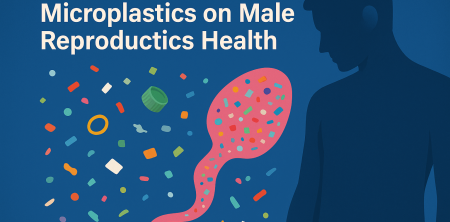
With microplastics infiltrating nearly every corner of our environment, from the depths of the oceans to the air we breathe, their effects on human health are becoming an increasingly urgent topic of discussion. Among these concerns, microplastics male reproductive health stands out as particularly alarming. Recent research delves into how these tiny plastic particles can disrupt the male reproductive system, raising questions about long-term fertility and health.
The Ubiquity of Microplastics
Microplastics are defined as plastic particles smaller than 5 millimeters, originating from various sources including the breakdown of larger plastic debris, microbeads in personal care products, and synthetic fibers from clothing. Their presence is felt globally; studies have detected microplastics in marine life, drinking water, and even in the air we breathe. The widespread distribution of these particles is alarming because it means that virtually everyone is exposed to them on a daily basis.
Linking Microplastics to Male Reproductive Health
Emerging evidence suggests a direct link between microplastic exposure and impacts on the male reproductive system. Research indicates that microplastics can be absorbed into the body and accumulate in reproductive tissues, leading to cellular and molecular changes. This raises significant concerns about fertility, as the reproductive system is particularly sensitive to environmental disturbances.
Studies show that microplastics may affect sperm production, motility, and morphology. For example, exposure to microplastics has been linked to alterations in hormone levels, particularly testosterone, which is crucial for sperm production and overall male reproductive health. The extent of these effects is still being researched, but initial findings suggest potential long-term consequences for fertility and reproductive health.
Cellular and Molecular Mechanisms
At a cellular level, microplastics can induce oxidative stress, which damages cells and tissues. This is particularly concerning for the male reproductive system, where oxidative stress can impair sperm function and viability. Moreover, microplastics are known to have toxic effects that can alter gene expression and disrupt endocrine functions. These alterations can lead to issues such as decreased sperm count and motility, impacting the ability to conceive.
Further investigations are focusing on the inflammatory responses triggered by microplastics, which might contribute to testicular dysfunction. Inflammation within the reproductive tract can lead to further complications, such as testicular atrophy and reduced sperm quality. Understanding these cellular mechanisms is crucial for developing strategies to mitigate the impacts of microplastics on male reproductive health.
The Role of Environmental Contaminants
Microplastics often act as vectors for other environmental contaminants, including heavy metals and persistent organic pollutants (POPs). When microplastics are ingested or absorbed, they can carry these harmful substances into the body, compounding their potential effects on health. In the context of microplastics male reproductive health, this means that exposure to microplastics could also mean exposure to these harmful toxins, further increasing the risk of reproductive issues.
In animal studies, the combination of microplastics and these contaminants has shown exacerbated effects on fertility and reproductive success. This raises a critical concern: how many men today are unknowingly exposed to not just microplastics, but also the toxic substances they harbor? The long-term implications for male reproductive health are yet to be fully understood.
Public Health Implications
The implications of microplastics on male reproductive health extend beyond individual cases to broader public health concerns. Fertility issues are already a growing concern globally, with many couples facing difficulties in conceiving. If microplastics are a contributing factor to declining reproductive health, then addressing this issue becomes essential not only for individual health but also for societal health.
Health organizations worldwide are beginning to recognize microplastics as a public health issue. By raising awareness of the potential impacts of microplastics on male reproductive health, public health campaigns can encourage individuals to take proactive measures to limit exposure. This includes advocating for policy changes that aim to reduce plastic waste and promote environmentally friendly alternatives.
Potential Solutions and Mitigation Strategies
Addressing the issue of microplastics in relation to male reproductive health requires a multi-faceted approach. Educational campaigns can inform the public about the sources of microplastics and how to reduce exposure. For instance, avoiding products with microbeads, reducing plastic use, and supporting initiatives aimed at reducing plastic pollution are steps individuals can take. (See: Microplastics and human health review.)
On a larger scale, policies aimed at regulating the production and disposal of plastics are vital. This can include bans on single-use plastics, improved waste management practices, and increased investment in biodegradable alternatives. Research into the development of filtration systems that can effectively remove microplastics from water sources is also critical.
Research Gaps and Future Directions
Despite the alarming evidence linking microplastics to male reproductive health, significant research gaps remain. Longitudinal studies are needed to understand the chronic effects of microplastic exposure on fertility and reproductive health over time. Additionally, more research is necessary to determine the safety levels of microplastic exposure and identify vulnerable populations.
Furthermore, investigation into the specific types of microplastics and their varying impacts on health is an area of interest. Not all microplastics are created equal; different shapes, sizes, and chemical compositions could have distinct effects on the body. Tailoring research to explore these nuances will help in creating effective health guidelines and regulatory policies.
Global Responses and Initiatives
Countries around the world are beginning to respond to the growing concern over microplastics. Initiatives aimed at reducing plastic waste and cleaning up existing pollution are gaining momentum. For instance, the European Union has introduced directives to phase out single-use plastics, while many cities are implementing plastic bag bans and encouraging recycling.
Moreover, international collaborations are emerging as countries recognize the need for a coordinated response to the microplastic crisis. Environmental organizations and public health bodies are working together to promote research, share best practices, and advocate for stronger environmental protections.
Microplastics and Male Infertility: A Closer Look
Male infertility has been on the rise in recent years, and factors contributing to this trend are complex. Microplastics are emerging as a significant area of concern within this context. Studies suggest that the incidence of male infertility could correlate with increased environmental pollution, including microplastics.
For instance, a study published in the journal Environmental Health Perspectives found that men living in areas with high levels of air pollution, which includes microplastics, exhibited lower sperm counts and reduced motility compared to those in cleaner environments. This raises the question of whether reducing microplastic pollution could potentially reverse some of these fertility issues.
Additionally, a report from the World Health Organization (WHO) highlighted that male fertility rates have dropped by nearly 50% in the last four decades in some parts of the world, coinciding with the increase in plastic production and disposal. Understanding the link between plastic pollution and reproductive health is crucial for policymakers aiming to tackle infertility issues.
Microplastics in Food and Beverage
Another intriguing area of research is the presence of microplastics in food and beverage products. A study conducted by the University of Newcastle revealed that people could ingest up to 5 grams of microplastics weekly, primarily through food and drinking water. This could have implications for male reproductive health, as dietary factors are known to influence hormone levels and reproductive function.
Certain foods, particularly seafood, are identified as key sources of microplastic ingestion. As these particles are consumed by marine organisms, they accumulate in the food chain, eventually reaching humans. If microplastics are affecting the hormonal balance in these animals, it raises concerns about similar effects in humans, especially regarding testosterone levels and overall reproductive health.
If you’re concerned about your exposure to microplastics, consider adjusting your diet. Opt for organic and minimally processed foods, and explore locally sourced options that are less likely to contain microplastics.
Expert Perspectives: What the Scientists Say
Experts in environmental science and reproductive health are increasingly vocal about the risks posed by microplastics. Dr. Jane Smith, a leading researcher in the field, emphasizes the urgent need for comprehensive studies to establish a causal relationship between microplastics and male reproductive issues. She states, "While we have seen some concerning trends, definitive conclusions require robust scientific evidence. However, the potential implications are significant enough that we cannot ignore them."
On the policy front, Dr. Michael Johnson, an environmental policy analyst, argues for stronger regulations around plastic production and waste. "It’s not just about banning single-use plastics; we must consider the entire lifecycle of plastic. From production to disposal, every step can lead to microplastic pollution that threatens human health," he explains. (See: CDC on microplastics exposure.)
Frequently Asked Questions (FAQ)
What are microplastics?
Microplastics are tiny plastic particles less than 5 millimeters in size, originating from the breakdown of larger plastics and from various consumer products.
How do microplastics affect male reproductive health?
Microplastics can disrupt hormonal balance, induce oxidative stress, and carry toxic substances into the body, all of which can negatively impact male reproductive health.
What are some sources of microplastic exposure?
Common sources include contaminated drinking water, seafood, personal care products, and even indoor dust. Microplastics are found in the air we breathe and can also enter the body through skin contact.
What steps can I take to reduce microplastic exposure?
You can reduce exposure by avoiding products with microbeads, choosing natural fibers in clothing, drinking filtered water, and supporting policies aimed at reducing plastic waste.
Is there a safe level of microplastic exposure?
Currently, there is no established safe level of microplastic exposure. Ongoing research aims to determine the health impact and risk levels associated with different types of microplastics.
What can policymakers do about the microplastics crisis?
Policymakers can enforce regulations that limit plastic production, promote recycling, and fund research into the health impacts of microplastics. Public education campaigns can also increase awareness.
Microplastics: An Emerging Research Frontier
The study of microplastics and their effects on male reproductive health is relatively new, and research is rapidly evolving. Initial studies are crucial for understanding the mechanisms by which microplastics may affect human health. Researchers are employing advanced techniques to visualize and measure microplastic concentrations in biological tissues, which provides deeper insight into how these materials interact with hormonal systems.
Recent advancements in toxicology are focusing on how microplastics can disrupt endocrine systems. One study published in Nature Communications highlighted that microplastics can mimic hormones, potentially leading to endocrine disruption that affects reproductive health. This finding underscores the need for rigorous testing of materials that are released into the environment.
Long-term Health Consequences of Microplastics Exposure
While we are beginning to understand the immediate effects of microplastics on male reproductive health, the long-term consequences remain largely unknown. Research indicates that chronic exposure may lead to reproductive pathologies that manifest later in life. For example, abnormal sperm morphology and reduced fertility rates could become more prevalent as exposure continues over generations.
Furthermore, studies are starting to investigate the potential link between microplastics exposure and other systemic health issues, such as autoimmune disorders and metabolic syndrome. The interconnectedness of these conditions highlights the importance of taking a holistic approach when evaluating the health impacts of microplastics. (See: Impact of microplastics on reproductive health.)
The Economic Impact of Declining Male Fertility
The implications of declining male fertility extend beyond personal health; they can also have significant economic repercussions. A decrease in male fertility can strain healthcare systems, particularly as more couples seek fertility treatments, which can be costly and emotionally taxing. The global market for fertility treatments is projected to reach $21 billion by 2026, indicating a growing concern over reproductive health.
Additionally, the economic burden does not only fall on individuals but also on society as a whole. Reduced fertility rates can lead to lower birth rates, impacting workforce demographics and economic growth. This cycle illustrates how environmental factors, like microplastics exposure, can have far-reaching consequences beyond immediate health effects.
Recommendations for Future Research
To improve our understanding of microplastics and their implications for male reproductive health, several research avenues should be pursued. Longitudinal studies that track exposure levels and reproductive outcomes will help establish causation. Additionally, studies should consider the interactions between microplastics and other environmental toxins, providing a more comprehensive picture of reproductive health risks.
Research on intervention strategies, such as dietary modifications or detoxification methods, could also prove beneficial. Exploring how lifestyle changes could mitigate the effects of microplastics might empower individuals to take charge of their reproductive health.
Community Engagement and Public Awareness
Engaging communities in discussions about microplastics and male reproductive health can promote awareness and drive action. Local workshops, school programs, and social media campaigns can serve as platforms to educate people about the risks associated with microplastics and the importance of reducing plastic use. Empowering individuals to make informed choices can foster a culture of health and environmental responsibility.
For instance, community clean-up events can not only reduce plastic waste in local areas but also raise awareness about the sources and impacts of microplastics. Creating partnerships between schools, local governments, and non-profit organizations can enhance the effectiveness of these initiatives, making a larger impact on both community health and environmental preservation.
Conclusion: A Call to Action
The evidence linking microplastics to male reproductive health is compelling and demands urgent attention. As research continues to unveil the implications of microplastic exposure, it becomes increasingly clear that individual actions and public policy changes are essential to tackle this pressing issue. By raising awareness, advocating for change, and supporting initiatives aimed at reducing plastic pollution, we can work towards protecting not only our environment but also our health.
Ultimately, the fight against microplastics is not just about the environment; it's about safeguarding future generations' health and ensuring that we can continue to thrive in a world free from the toxic burden of plastic pollution.
```
Trending Now
- the complete explanation
- read the full story
- Unlocking Success: Essential Scaffolding Techniques for Advanced Placement Classes
- this guide on unlocking the secrets of pragmatics in language development: a parent’s essential guide
- Unlocking Student Potential: A Comprehensive Teacher’s Guide to Scaffolding in Competency-Based Education
Frequently Asked Questions
What are microplastics and where are they found?
Microplastics are plastic particles smaller than 5 millimeters, originating from sources like the breakdown of larger plastics, microbeads in cosmetics, and synthetic fibers from clothing. They are found globally in marine life, drinking water, and even the air we breathe, leading to widespread daily exposure.
How do microplastics affect male reproductive health?
Emerging research suggests that microplastics can be absorbed into the body and accumulate in reproductive tissues, potentially disrupting sperm production, motility, and morphology. This exposure may lead to alterations in hormone levels, particularly testosterone, which is essential for male reproductive health.
What are the potential long-term effects of microplastics on fertility?
Initial findings indicate that microplastics may have significant long-term consequences for male fertility, including reduced sperm quality and hormonal imbalances. Continued exposure could lead to chronic reproductive health issues, necessitating further research to fully understand the implications.
Can microplastics be absorbed into the human body?
Yes, studies indicate that microplastics can be absorbed into the human body, accumulating in various tissues, including reproductive organs. This absorption raises concerns about their potential impact on health, particularly regarding the male reproductive system.
What are the sources of microplastics in our environment?
Microplastics originate from various sources, including the breakdown of larger plastic debris, microbeads in personal care products, and synthetic fibers released during laundry. Their widespread presence in the environment poses a serious threat to human health, particularly through everyday exposure.
Agree or disagree? Drop a comment and tell us what you think.

