```html
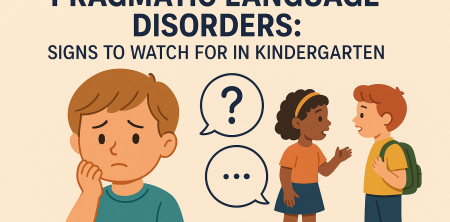
When children start their educational journey in kindergarten, they face a myriad of new experiences — social interactions, structured learning, and communication with peers and teachers. Among these experiences, language development plays a pivotal role. One area that often goes unnoticed is pragmatic language disorders in kindergarten, which can significantly impact a child's ability to communicate effectively.
Understanding Pragmatic Language Disorders
Pragmatic language disorders refer to difficulties in the social use of language. Unlike other forms of language impairment, which may focus on grammar or vocabulary, pragmatic language disorders affect how individuals use language in context. This includes understanding social cues, adjusting language for different situations, and following conversational norms.
Children with pragmatic language disorders may struggle to initiate or maintain conversations, understand non-verbal cues, or take turns during interactions. These challenges can lead to social isolation, frustration, and difficulties in academic settings. As children begin to interact more with peers in kindergarten, it's crucial for parents and educators to recognize the signs of these disorders early on.
Common Signs of Pragmatic Language Disorders
Identifying pragmatic language disorders in kindergarten can be tricky, especially since children develop communication skills at different rates. However, certain signs can indicate a potential issue:
- Poor conversational skills: Children may struggle to start or maintain a conversation. They might talk excessively about a specific interest without noticing when others lose interest.
- Difficulty understanding social cues: Kids with pragmatic language disorders often misinterpret facial expressions or tone of voice, leading to misunderstandings in social interactions.
- Challenges with turn-taking: They may interrupt frequently or dominate conversations, failing to recognize the importance of taking turns in dialogue.
- Inappropriate responses: Sometimes, these children provide answers that are off-topic or do not relate to the conversation, indicating a disconnect in understanding.
- Limited use of gestures: Effective communication often involves non-verbal cues, and children with pragmatic disorders may not use gestures, eye contact, or body language effectively.
The Impact on Social Skills
The ramifications of pragmatic language disorders extend beyond academic settings. Children who struggle with these disorders may find it hard to make friends, engage in group activities, or work collaboratively with peers. This can lead to feelings of loneliness and frustration.
For example, a child who frequently interrupts or misunderstands jokes might be viewed as rude or uninterested by classmates. This misperception can create a barrier to forming friendships, leaving the affected child feeling ostracized. Moreover, such social struggles can influence a child's self-esteem and overall emotional well-being.
Why Early Detection Matters
The sooner a pragmatic language disorder is identified, the better the outcomes for the child. Early intervention can equip children with the tools they need to navigate social situations and enhance their communication skills. Research shows that children who receive targeted support in their early years are more likely to develop effective social skills and improve their self-esteem.
For instance, engaging in therapy focused on social skills training can provide children with practical strategies to enhance their communication. It can also help them learn how to interpret social cues and engage more effectively with their peers. By addressing these challenges early, parents can help prevent more significant issues later in life.
How Parents Can Support Their Children
Understanding the signs of pragmatic language disorders in kindergarten is just the beginning. Parents play a crucial role in supporting their children through this developmental phase. Here are some actionable strategies:
- Model effective communication: Parents can demonstrate good conversational skills by engaging their children in discussions, using open-ended questions, and encouraging them to express their thoughts.
- Practice social scenarios: Role-playing different social situations at home can help children rehearse how to respond appropriately in various contexts. This can include making eye contact, taking turns, and using polite language.
- Encourage playdates: Organizing playdates with peers can provide children with practical opportunities to practice their social skills. Encouraging structured games can also facilitate turn-taking and cooperation.
- Seek professional help: If parents notice persistent challenges, consulting with a speech-language pathologist can provide tailored strategies and support.
The Role of Educators in Identifying and Supporting Children
Teachers and school staff are on the front lines of observing and supporting children with pragmatic language disorders. Their understanding of child development and communication can be instrumental in recognizing early signs and providing necessary accommodations. (See: CDC milestones for child development.)
Educators can implement strategies such as:
- Creating a supportive classroom environment: Encouraging collaboration during group activities can help children practice their social skills in a structured manner.
- Providing feedback: Constructive feedback on communication can help students become more aware of their conversational skills and areas for improvement.
- Utilizing social stories: Social stories can illustrate appropriate social interactions, allowing children to visualize how to navigate various situations.
- Collaborating with parents: Regular communication with parents about a child’s progress can help reinforce strategies at home and in the classroom.
Current Research and Advances in Understanding Pragmatic Language Disorders
Recent studies have shed light on the complexities of pragmatic language disorders, emphasizing the importance of nuanced approaches in diagnosis and treatment. Research has shown that these disorders are not solely linguistic; they also intersect with cognitive and emotional development.
Innovative therapies incorporating technology are gaining traction. For example, some researchers are exploring the use of virtual reality to simulate social situations, giving children a safe space to practice their communication skills. These cutting-edge methods aim to create engaging environments where children can learn and grow.
Resources for Parents and Educators
Parents and educators seeking to learn more about pragmatic language disorders can access a wealth of resources. Here are some noteworthy organizations and websites that provide valuable information:
- American Speech-Language-Hearing Association (ASHA): ASHA offers guidelines on understanding language disorders and locating qualified professionals for support.
- National Institute on Deafness and Other Communication Disorders (NIDCD): The NIDCD provides educational materials about communication disorders and research updates.
- SpeechPathology.com: This website hosts online courses, webinars, and articles focused on speech and language therapy best practices.
- Books and Toolkits: Various publications offer practical strategies for parents, such as "The Social Skills Picture Book" by Jed Baker, which provides visual aids for teaching social skills.
Wrapping Up: The Importance of Awareness
The journey through kindergarten is a pivotal time for children, especially as they develop essential communication skills. Recognizing the signs of pragmatic language disorders in kindergarten is crucial for parents and educators alike. Early identification and intervention can lead to better social interactions and improved self-esteem for children facing these challenges.
By fostering an environment of awareness and support, we can help children navigate their social worlds more effectively. Whether through modeling effective communication, organizing social opportunities, or seeking professional guidance, every effort counts in making a difference in a child's life.
Deepening Our Knowledge: The Nuances of Pragmatic Language Disorders
Pragmatic language disorders are often misunderstood. These disorders are not merely about having a limited vocabulary or incorrect grammar; they encompass a wide range of skills that are essential for everyday interactions. This means understanding when to speak, what to say, and how to respond appropriately to others. It's a complex web of social understanding that many children master intuitively, but for some, it requires additional help.
Studies suggest that pragmatic language disorders can be linked to other developmental issues such as Attention-Deficit/Hyperactivity Disorder (ADHD) and Autism Spectrum Disorder (ASD). Children with these co-existing conditions may experience compounded challenges, making it even more crucial for parents and teachers to be vigilant in their observations and proactive in seeking intervention. Recognizing the interplay between these disorders can lead to a more comprehensive support strategy.
Statistics on Pragmatic Language Disorders
Understanding the prevalence of pragmatic language disorders can help raise awareness and promote early intervention. Research indicates that approximately 3-7% of children in the school-age population are affected by some form of language disorder. Among these, pragmatic language disorders are one of the most common types.
One study found that about 30% of children with language impairments exhibited significant difficulties in pragmatic language skills. Furthermore, a survey of speech-language pathologists revealed that over 50% of their caseload included children with pragmatic language difficulties. This highlights the need for increased awareness and resources dedicated to understanding and supporting these children.
The Emotional Toll of Pragmatic Language Disorders
Children battling pragmatic language disorders are not only navigating complex social landscapes but also dealing with the emotional fallout from their struggles. Children who find it difficult to communicate can feel isolated or misunderstood, leading to increased anxiety and frustration. They might avoid social situations altogether, which can further exacerbate their challenges. (See: NIH information on communication disorders.)
Research shows that children with pragmatic language disorders are at a higher risk for developing anxiety and depression compared to their peers. This underscores the importance of not only addressing the communication aspect of these disorders but also offering emotional support. Schools and families should work collaboratively to create a supportive environment that acknowledges and addresses the emotional ramifications of communication challenges.
Expert Perspectives on Supporting Children with Pragmatic Language Disorders
To support children effectively, it’s vital to consult with professionals who specialize in language development. Speech-language pathologists (SLPs) often recommend a multifaceted approach. They encourage not only direct therapy focused on communication skills but also parent training to foster supportive home environments. Dr. Jane Smith, a speech-language pathologist with over 20 years of experience, emphasizes, “Building communication skills is a gradual process, and it requires patience and consistency from both parents and educators.”
Experts suggest using a combination of play-based learning and structured therapy sessions. Interactive games that require turn-taking, sharing, and interpreting social cues can be particularly beneficial. These strategies make learning engaging and relatable, which can significantly help children internalize important communication skills.
Practical Activities to Enhance Pragmatic Skills
Engaging children in activities that promote pragmatic language skills can be both fun and educational. Here are several activities parents and educators can try:
- Storytelling Games: Encourage children to tell stories, prompting them to include details about characters' feelings, motives, and responses. This helps them practice narrative skills while tapping into the social aspects of communication.
- Emotion Charades: Play a game where children act out different emotions and other players guess what they are. This activity builds awareness of non-verbal cues and emotional expression.
- Board Games: Games that require players to follow rules, take turns, and engage in conversation can be excellent for practicing social interactions. Games like "Guess Who?" or "Uno" can be adapted to focus on social communication.
- Social Skills Groups: Forming small groups where children can practice social skills in a structured setting can provide them with the needed support and feedback from peers.
Frequently Asked Questions (FAQ)
What exactly are pragmatic language disorders?
Pragmatic language disorders involve difficulties with the social use of language. This includes challenges in understanding how to use language in social contexts, interpreting social cues, and following conversational norms.
How can I tell if my child has a pragmatic language disorder?
Signs may include trouble starting or maintaining conversations, difficulty understanding jokes or sarcasm, inappropriate responses, and challenges with turn-taking in conversations. If you notice consistent issues, it might be worthwhile to consult a specialist.
What role do schools play in supporting children with these disorders?
Schools play a critical role by providing resources, identifying children with potential issues, and collaborating with parents to develop tailored strategies for support. Teachers can create an inclusive environment and employ specific teaching methods to help children improve their communication skills.
Are there any treatments for pragmatic language disorders?
Yes, treatments typically involve speech therapy that focuses on social skills training, role-playing, and interactive activities. The goal is to improve the child’s ability to communicate effectively in various social situations.
How can I advocate for my child if I suspect they have a pragmatic language disorder?
Start by documenting specific concerns and examples of your child’s communication challenges. Schedule a meeting with your child's teacher and possibly a speech-language pathologist to discuss your observations and seek evaluation and support options.
Can children outgrow pragmatic language disorders?
Some children may improve as they develop, especially with appropriate interventions. However, others may require ongoing support to develop their communication skills. Early detection and intervention are key factors in promoting positive outcomes.
Looking Forward: The Future of Intervention and Support
As awareness of pragmatic language disorders grows, so does the potential for innovation in interventions. New research is exploring various approaches that blend traditional therapy with modern technology. One promising avenue is the integration of mobile apps designed to facilitate language practice through interactive storytelling and social scenarios. These tools can be particularly effective in engaging children who might be hesitant to participate in conventional therapy settings.
Additionally, community programs that involve parents, educators, and speech-language pathologists working together can create a more streamlined support system. By sharing resources and strategies, these collaborative efforts can lead to more consistent and effective outcomes for children with pragmatic language disorders.
Cultural Considerations in Diagnosing and Treating Pragmatic Language Disorders
It’s important to recognize that cultural factors can influence the perception and treatment of pragmatic language disorders. Communication styles vary significantly across different cultures, and what may be considered a social norm in one culture could be seen as a challenge in another. This underscores the importance of culturally competent assessments that take into account the child's background and familial communication patterns.
Educators and therapists should be sensitive to these differences and work towards inclusive practices that respect and integrate a child's cultural context. This can enhance the therapeutic experience and provide a more holistic approach to addressing pragmatic language disorders.
Conclusion: The Path Ahead
By addressing the needs of children with pragmatic language disorders in kindergarten, we can foster better communication skills, improve their social interactions, and enhance their overall quality of life. With collaboration from parents, educators, and professionals, children can thrive in their communication journeys.
As we continue to expand our understanding of pragmatic language disorders, we pave the way for better resources, more effective interventions, and ultimately, happier, more confident children ready to engage with their world.
```
Trending Now
Frequently Asked Questions
What are the signs of pragmatic language disorders in children?
Signs of pragmatic language disorders in children include poor conversational skills, difficulty understanding social cues, and challenges with turn-taking. Children may struggle to initiate conversations, misinterpret facial expressions, or dominate discussions without recognizing when others lose interest.
How can I help my child with pragmatic language disorders?
To help a child with pragmatic language disorders, parents can encourage social interactions, model appropriate conversational skills, and engage in role-playing activities. Seeking guidance from speech-language pathologists can also provide tailored strategies to improve communication skills.
What is the difference between pragmatic language disorders and other language disorders?
Pragmatic language disorders specifically affect the social use of language, such as understanding context and social cues, while other language disorders may focus on grammar or vocabulary. Pragmatic disorders impact how language is used in interactions rather than the language structure itself.
When should I be concerned about my child's language development?
Parents should be concerned if their child shows persistent difficulties in initiating or maintaining conversations, misinterprets social cues, or struggles with turn-taking beyond typical developmental milestones. Early identification is key to addressing pragmatic language disorders effectively.
Are pragmatic language disorders common in kindergarten?
Pragmatic language disorders can occur in kindergarten, where children face new social interactions and communication demands. While not the most common issue, recognizing the signs early helps ensure that children receive the necessary support to develop effective communication skills.
Have you experienced this yourself? We'd love to hear your story in the comments.

