```html
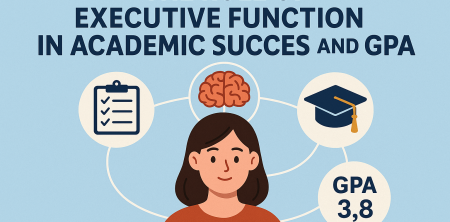
The connection between executive function and academic success is a topic gaining increasing recognition among educators, researchers, and parents. As students navigate their educational journeys, understanding how executive function impacts their ability to achieve higher GPAs can provide valuable insights into fostering a more effective learning environment. In this comprehensive article, we will explore the role of executive function in academic success, how it correlates with GPA, and practical strategies to enhance these skills in students.
What Is Executive Function?
At its core, executive function refers to a set of cognitive processes that enable individuals to plan, focus attention, remember instructions, and juggle multiple tasks. These processes are crucial for goal-directed behavior and are considered essential for academic success. Executive function encompasses three primary components:
- Working Memory: The ability to hold and manipulate information in your mind over short periods. This is vital for following multi-step instructions and problem-solving.
- Inhibitory Control: The capacity to suppress impulsive responses and distractions, allowing for better focus and self-regulation.
- Cognitive Flexibility: The ability to adapt your thinking and behavior in response to changing situations or rules. This is important for adjusting strategies during problem-solving and learning tasks.
Why Executive Function Matters for Academic Success
Executive function skills are vital for managing the demands of schooling. From organizing assignments and staying focused during lectures to adapting to new information and reflecting on one’s performance, these skills play a central role in how effectively students learn and retain knowledge. Research consistently shows a strong correlation between executive function and academic performance, making it a critical area of focus for educators and parents.
For instance, a study published in the journal Child Development found that strong executive function skills in preschoolers predicted better academic outcomes in later years. This trend continues throughout primary and secondary education, emphasizing that developing these skills early on can lead to improved performance in high school and beyond.
How Executive Function Influences GPA
Many students struggle with time management, organization, and prioritization — all of which fall under the umbrella of executive function. These weaknesses can lead to lower GPAs, as students may find it challenging to keep up with homework, study effectively for exams, or complete projects on time. Research indicates that students with higher executive function skills tend to have better grades and GPAs.
A revealing study conducted by researchers at the University of Michigan found that students with well-developed executive function abilities achieved GPAs that were, on average, one letter grade higher than their peers with less developed skills. This gap demonstrates the practical implications of fostering executive function skills in students. Not only do these skills enhance learning and retention, but they also translate into quantifiable academic success.
Identifying Executive Function Challenges in Students
Recognizing executive function challenges is essential for supporting students effectively. Symptoms might include:
- Difficulty with organization, such as consistently losing homework or forgetting about deadlines.
- Struggles with time management, leading to procrastination or last-minute cramming.
- Challenges with focus and attention, resulting in incomplete or careless work.
- Difficulty adjusting to changes in routine or shifting priorities, causing frustration in learning environments.
If you notice these signs in a student, it may indicate a need for interventions that target executive function development.
Strategies to Enhance Executive Function Skills
Developing strong executive function skills can significantly impact a student's academic success and GPA. Here are several practical strategies that educators and parents can implement:
1. Use Visual Aids
Visual supports such as charts, graphs, and color-coded planners can help students organize their thoughts and assignments. Creating a visual schedule allows them to see their tasks laid out, making it easier to prioritize and manage their time effectively. (See: Executive function and learning.)
2. Encourage Goal Setting
Teaching students to set specific, measurable, attainable, relevant, and time-bound (SMART) goals fosters accountability and focus. Regularly revisiting these goals can help them stay on track and recognize their progress.
3. Teach Self-Monitoring Techniques
Encourage students to reflect on their work habits and learning processes. By teaching them to ask questions like, "What strategies worked well for me?" or "Where did I struggle?", students can develop a greater sense of self-awareness that informs future behaviors.
4. Foster a Growth Mindset
Promoting a growth mindset helps students view challenges as opportunities for development rather than obstacles. When students believe they can improve their skills, they are more likely to engage in tasks that require executive function, such as problem-solving or project management.
The Role of Technology in Developing Executive Function
In today’s digital age, technology can play a significant role in enhancing executive function skills among students. Various apps and tools can assist with organization, time management, and focus. For example, tools like Trello or Todoist can help students keep track of tasks and deadlines. Similarly, apps designed to minimize distractions, like Forest or Freedom, can aid students in maintaining focus during study sessions.
However, technology can also be a double-edged sword. While it offers numerous benefits, it can also contribute to distractions. Ensuring that students learn to balance technology use while developing their executive function skills is essential for their overall academic success.
Research on Executive Function Interventions
Several research studies have examined the efficacy of targeted interventions aimed at improving executive function. A notable program, the Tools of the Mind curriculum, focuses on play-based learning to enhance executive function in preschoolers. This program has shown promising results, with participating children demonstrating better self-control and cognitive flexibility, reflecting positively on their academic achievements later on.
Moreover, cognitive training programs designed to enhance executive function have gained traction. A meta-analysis published in Psychological Bulletin found that these programs could lead to significant improvements in working memory and inhibitory control, suggesting that structured training can provide lasting benefits for academic success.
Collaboration Between Home and School
For students to fully develop their executive function skills, collaboration between home and school is crucial. Parents and educators can work together to create consistent strategies and reinforce skills across environments. Regular communication about a student’s progress and sharing techniques that work at home can amplify the effectiveness of interventions.
For example, if a student is using a visual planner at school, encouraging the same practice at home can help solidify the habit. Similarly, discussing goal-setting techniques and self-monitoring strategies in both settings can create a seamless approach to fostering executive function skills.
The Future of Executive Function Research
The field of executive function research is evolving rapidly, with new findings continually shaping our understanding of its role in academic success. As researchers delve deeper into the nuances of executive function, we can expect to see more targeted interventions that cater to diverse learner needs.
Moreover, as schools become increasingly aware of the importance of executive function, there is likely to be a growing emphasis on integrating these concepts into curricula. By prioritizing executive function development, educators can offer students the tools they need to thrive academically and beyond.
Case Studies: Success Stories in Executive Function Implementation
To illustrate the tangible benefits of focusing on executive function, let's look at a few case studies. In one instance, a middle school in California implemented an executive function curriculum focusing on time management and organizational skills. Over the course of a single academic year, students who participated in this program saw an improvement in their average GPA from 2.7 to 3.4. Teachers noted that students were more engaged, turned in homework on time, and even began collaborating on projects more effectively.
Another example comes from a high school in Texas, where they adopted a peer mentoring program that paired students struggling with executive function skills with peers who had developed these skills. The program, designed to promote accountability, resulted in a 40% decrease in late assignments and a noticeable increase in overall student morale. The students reported feeling more supported and connected to their learning environment.
Expert Perspectives on Executive Function and Academic Success
Experts in child development and education share a consensus on the importance of executive function for academic success. Dr. Adele Diamond, a leading researcher in cognitive development, states, "Executive functions are the skills that enable us to manage our thinking and behavior, and they are crucial for success in school and in life." Her research emphasizes that these skills not only impact academic performance but also social interactions and emotional well-being.
Furthermore, educational psychologist Dr. Scott Barry Kaufman highlights the importance of nurturing creativity alongside executive function. He explains that while executive function helps in organizing and planning, fostering creativity allows students to think outside the box, which is equally important for problem-solving and innovation in academic settings. He advocates for a balanced approach that nurtures both cognitive control and creative thinking in educational curricula.
Comparing Executive Function Skills Across Age Groups
It's interesting to note that executive function skills develop differently across age groups. In early childhood, play is a critical avenue for developing these skills. Activities like pretend play and games that require turn-taking foster inhibitory control and cognitive flexibility. As children progress to middle school, they often face more complex academic demands, making strong executive function skills even more essential.
In high school, the need for advanced executive function skills becomes apparent as students prepare for college and careers. They must manage multiple commitments, including academics, extracurricular activities, and social lives. Studies indicate that high school students with well-developed executive function skills are more likely to pursue post-secondary education and achieve higher levels of success.
FAQ: Common Questions About Executive Function and Academic Success
What are the signs of weak executive function in students?
Signs include poor organization, difficulty following multi-step instructions, trouble managing time effectively, lack of focus, and struggles with adapting to changes in routine.
Can executive function skills be improved?
Yes, executive function skills can be developed through targeted interventions, practice, and support. Techniques such as goal setting, visual aids, and self-monitoring can significantly enhance these skills.
How does executive function impact long-term academic success?
Research shows that strong executive function skills correlate with better grades, higher test scores, and improved graduation rates. These skills also support lifelong learning and adaptability in various life situations.
What role do teachers play in supporting executive function?
Teachers can create structured environments that promote executive function development. They can use strategies such as explicit instruction in organization, clear expectations, and regular feedback to support students’ growth in these areas.
Is there a difference in executive function skills between genders?
Research has shown some differences, with girls typically exhibiting stronger inhibitory control and boys often demonstrating greater cognitive flexibility. However, individual differences are significant, and instructional strategies should cater to each student's unique needs.
Bridging the Gap: Executive Function and Learning Disabilities
For students with learning disabilities such as ADHD, the connection between executive function and academic success becomes even more pronounced. These students often face significant challenges in executive function areas like working memory and inhibitory control, which can hinder their academic performance. Understanding how executive function deficits manifest in these students can help educators tailor their approaches. For instance, structured routines and explicit instructions can greatly assist students with ADHD in managing their workload and staying organized.
In fact, studies indicate that targeted interventions aimed at improving executive function can lead to better academic outcomes for students with learning disabilities. Programs designed specifically for these students often include individualized coaching, assistive technology, and specialized training in organizational skills.
The Impact of Socioeconomic Factors on Executive Function Development
Socioeconomic status can also influence the development of executive function skills. Research shows that children from lower socioeconomic backgrounds may experience more stressors that can negatively impact their cognitive development and executive function skills compared to their peers from higher socioeconomic backgrounds. For instance, the lack of access to resources such as books, educational materials, and extracurricular activities can hinder a child's ability to practice and develop these skills.
Moreover, environmental factors such as unstable housing, food insecurity, and limited access to quality education can create barriers that affect a child's executive function skills. Addressing these socioeconomic disparities is crucial for ensuring that all children have the opportunity to develop the executive function skills necessary for academic success.
The Importance of Community Support and Resources
Creating a supportive community around students can significantly bolster their executive function skills. Community programs that focus on after-school activities, mentorship, and parental involvement can provide additional resources for students to practice their executive function in a real-world context. For example, local community centers can offer workshops on time management and organizational skills, providing students with both knowledge and opportunities to apply what they've learned.
Additionally, involving parents in these community efforts is essential. Parental education programs can teach families about the importance of executive function and how to reinforce these skills at home. When schools and communities unite in this effort, the chances of developing robust executive function skills in children increase dramatically.
Conclusion: The Path to Academic Success
Ultimately, the link between executive function and academic success — particularly in relation to GPA — is clear. By understanding and developing these critical skills, students can enhance their learning experiences and outcomes. As parents, educators, and communities rally together to support executive function development, we can unlock the potential of our students and pave the way for their bright futures.
```
Trending Now
- our breakdown of unlocking social skills: how social pragmatics role play transforms middle school learning
- this guide on why students with adhd struggle with pragmatic language skills: 7 key insights
- 7 Pragmatics Challenges English Language Learners…
- 9 Essential Strategies to Boost Pragmatic…
- read the full story
Frequently Asked Questions
What is executive function in education?
Executive function in education refers to a set of cognitive processes that include working memory, inhibitory control, and cognitive flexibility. These skills help students plan, focus, remember instructions, and manage multiple tasks, all of which are essential for academic success.
How does executive function affect academic performance?
Executive function significantly impacts academic performance by enabling students to organize their work, maintain focus during lessons, and adapt to new information. A strong executive function is linked to higher GPAs, highlighting its importance in educational settings.
Why is executive function important for students?
Executive function is crucial for students as it supports goal-directed behavior, self-regulation, and effective learning. Skills like planning and task management are vital for academic success, making executive function an essential focus for educators and parents alike.
What are the main components of executive function?
The main components of executive function include working memory, which allows for holding and manipulating information; inhibitory control, which helps suppress distractions; and cognitive flexibility, enabling adaptation to changing circumstances. Together, these components facilitate effective learning.
How can executive function skills be improved in students?
Executive function skills can be improved through targeted strategies such as setting clear goals, practicing organization techniques, and engaging in activities that promote self-regulation and cognitive flexibility. Educators and parents can implement these strategies to enhance students' academic performance.
Have you experienced this yourself? We'd love to hear your story in the comments.

