```html
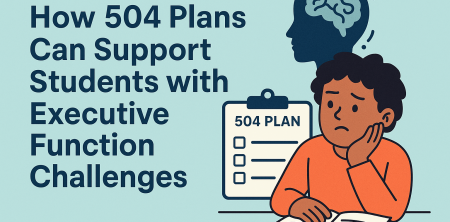
When it comes to education, one size does not fit all. For students grappling with executive function challenges, this reality is even more apparent. These challenges can manifest as difficulties in planning, organizing, time management, and task completion. Fortunately, 504 plans are designed to support these students, enabling them to thrive in academic settings. This article delves into how 504 plans for executive function challenges can provide crucial support, ensuring that every student has the opportunity to succeed.
Understanding Executive Function Challenges
Executive function refers to a set of cognitive processes that help individuals manage their thoughts, actions, and emotions to achieve goals. These processes include skills such as working memory, flexible thinking, and impulse control. For students, strong executive function skills are critical for academic success, affecting everything from homework completion to test-taking strategies.
Students with executive function challenges often struggle with:
- Planning and organizing tasks effectively
- Managing time and meeting deadlines
- Maintaining focus during lectures or activities
- Transitioning between tasks smoothly
- Remembering important information and instructions
These challenges can lead to academic underachievement, increased frustration, and behavioral issues. As such, understanding and addressing these difficulties is paramount for educators, parents, and support staff.
The Role of 504 Plans
A 504 plan is a formalized document developed under Section 504 of the Rehabilitation Act of 1973, which prohibits discrimination against individuals with disabilities in programs receiving federal funding. This plan outlines the specific accommodations and modifications a student requires to access the curriculum effectively. Unlike Individualized Education Programs (IEPs), which are more comprehensive and catered to students who require special education services, 504 plans are designed for students with disabilities who may not need specialized instruction but require support in their learning environment.
For students facing executive function challenges, 504 plans can be transformative. They allow schools to implement tailored strategies that facilitate learning while addressing specific needs. These plans can include accommodations that help students manage their executive function issues, leading to improved academic performance and emotional well-being.
Key Components of 504 Plans for Executive Function Challenges
Crafting a 504 plan requires a collaborative approach involving parents, teachers, school counselors, and other relevant professionals. Each plan is unique, tailored to the individual needs of the student. Here are some essential components that are often included:
- Organizational Aids: Students may receive extra time to organize their materials or use binders, planners, or digital tools to keep track of assignments.
- Extended Time on Tests: Allowing additional time can help alleviate the pressure and give students the opportunity to process information thoroughly.
- Structured Breaks: Scheduled breaks can help students refocus, reducing frustration and allowing them to recharge before tackling new tasks.
- Visual Supports: Teachers can use charts, schedules, and graphic organizers to aid in planning and executing tasks.
- Frequent Check-Ins: Regular touchpoints with teachers or aides can provide students with feedback and guidance, helping them stay on track.
Implementing these components can help students with executive function challenges feel more in control of their learning, ultimately leading to increased confidence and participation.
Legal Considerations and Rights
Understanding the legal rights surrounding 504 plans is essential for parents and educators. The Rehabilitation Act mandates that schools provide reasonable accommodations to students with disabilities. This means that if a student qualifies under Section 504 due to their executive function challenges, schools are legally obligated to create and implement a 504 plan.
Parents have the right to request a 504 evaluation if they believe their child is struggling due to a disability. This evaluation involves gathering data on the student’s performance, behavior, and needs. If the school agrees that the student qualifies for a 504 plan, they must create one that outlines specific accommodations. Parents also have the right to participate in the development of the plan, ensuring that their insights and concerns are addressed. (See: NIH on learning disabilities treatment.)
It's crucial to keep in mind that 504 plans are not static. They should be reviewed and updated regularly to reflect the student's evolving needs or progress. Regular reassessments can help ensure that the accommodations remain effective and relevant.
Collaboration Among Stakeholders
For a 504 plan to be successful, collaboration among all stakeholders is essential. This includes parents, teachers, school administrators, and any other professionals involved in the student’s education. Open communication is crucial, allowing everyone to share insights and strategies for supporting the student.
Parents play a significant role in this collaboration. They can provide valuable information about their child’s strengths, challenges, and any strategies that have worked at home. This insight can inform the accommodations outlined in the 504 plan. Similarly, teachers can share observations about the student’s behavior and performance in the classroom, helping to identify areas where additional support might be needed.
Moreover, involving school counselors or psychologists can provide a more holistic view of the student’s needs, especially if there are underlying emotional or behavioral issues that need to be addressed alongside executive function challenges.
Practical Strategies for Implementing 504 Plans
While 504 plans provide a framework for support, the real challenge lies in effectively implementing those strategies within the classroom. Here are some practical insights on how to make the most of accommodations provided in a 504 plan:
- Consistent Routines: Establishing and maintaining consistent routines can help students with executive function challenges feel more secure and organized. Predictability in their daily schedule can reduce anxiety and improve focus.
- Incorporate Technology: Utilizing educational technology can be beneficial for students with organizational challenges. Tools like digital calendars, reminders, and task management apps can help them keep track of assignments and deadlines.
- Break Tasks into Manageable Steps: Large assignments can be overwhelming, so breaking them down into smaller, more achievable tasks can make them feel more manageable. Teachers can scaffold these tasks and provide checklists to help students stay organized.
- Utilize Peer Support: Encouraging peer collaboration can help students with executive function challenges. Working in pairs or small groups can foster mutual support and enhance learning experiences.
These strategies not only help students with executive function challenges but also create a more inclusive and supportive classroom environment for all learners.
Monitoring Progress and Adjusting Accommodations
Once a 504 plan is in place, it’s essential to monitor the student’s progress regularly. This involves evaluating whether the accommodations are effective and if the student is making strides in their academic performance and executive function skills.
Teachers should document observations and provide feedback on how the student is responding to the accommodations. If certain strategies prove ineffective, it’s vital to make adjustments. This could involve testing new organizational tools, altering the frequency of check-ins, or implementing different strategies altogether.
Frequent communication with the parents is also key during this phase. Parents can provide insights on how the student is managing at home and whether they are using the strategies outlined in the 504 plan. Together, parents and teachers can work to ensure that the accommodations continue to meet the student’s needs.
Current Relevance and Future Outlook
The relevance of 504 plans for executive function challenges has only grown in recent years, especially as educational environments have evolved. With the rise of remote learning and blended classroom settings, students with executive function challenges may face additional hurdles that require tailored support.
Moreover, as more schools recognize the importance of mental health in education, the role of 504 plans is becoming increasingly significant. Schools are now more attuned to the various factors influencing students’ ability to learn, including emotional and psychological aspects. (See: CDC guidelines on ADHD and executive function.)
Looking ahead, it’s crucial for educators to continue advocating for students with executive function challenges. This involves not only implementing effective 504 plans but also fostering a culture of understanding and inclusion within schools. Educators must be equipped with the training and resources to support diverse learners effectively.
Frequently Asked Questions (FAQ)
What is the difference between a 504 plan and an IEP?
While both 504 plans and Individualized Education Programs (IEPs) are designed to support students with disabilities, they differ in scope and requirements. A 504 plan provides accommodations for students who need support but do not require specialized instruction, whereas an IEP is a more comprehensive plan that includes specific educational goals and specialized services for students who need more intensive support.
How do I know if my child qualifies for a 504 plan?
To determine if a child qualifies for a 504 plan, parents can request an evaluation from their school. The evaluation typically involves assessing the child's academic performance, behavior, and any documented challenges they face. If the school identifies that the child has a disability that affects their ability to learn, they may qualify for a 504 plan.
Can 504 plans be used for conditions beyond ADHD?
Yes, 504 plans can support a wide range of conditions beyond ADHD. This includes learning disabilities, anxiety disorders, autism spectrum disorders, and physical disabilities, among others. The key is that the condition must substantially limit one or more major life activities, including learning.
How often should a 504 plan be reviewed?
504 plans should be reviewed at least annually, but they can be revisited more frequently if the student's needs change or if there are concerns about the effectiveness of the accommodations. Regular reviews help ensure that the plan continues to meet the student's evolving needs.
What should I do if I feel my child's 504 plan is not being followed?
If you believe that your child's 504 plan is not being implemented as agreed, it's essential to communicate directly with the school. Start by scheduling a meeting with the teacher or school administrator to discuss your concerns. If necessary, you may also want to escalate the issue to the district level or seek assistance from a special education advocate.
Success Stories: Real-Life Examples of Effective 504 Plans
Understanding the impact of 504 plans can be better appreciated through real-life examples. Here are a few success stories that highlight how tailored accommodations have made a difference for students with executive function challenges:
Case Study 1: Alex's Journey
Alex, a sixth-grade student diagnosed with ADHD, struggled with staying organized and managing deadlines. After his parents requested a 504 evaluation, the school implemented a plan that included the use of a digital planner and extended time for completing assignments. Over the school year, Alex's grades improved significantly, and he reported feeling less anxious about schoolwork. The combination of technology and structured support allowed him to thrive.
Case Study 2: Maria's Transformation
Maria, a high school student with executive function challenges, often found it difficult to transition between subjects and maintain focus during lectures. Her 504 plan included structured breaks and the use of visual schedules. With these accommodations, Maria was able to manage her time more effectively and felt empowered to participate in class discussions. Her teachers noted a marked improvement in her engagement and performance.
Case Study 3: Jordan's Experience
Jordan, a third grader, struggled with working memory, which made it challenging to follow multi-step instructions. His 504 plan incorporated frequent check-ins with a teacher's aide and the use of visual aids. This support helped Jordan break down tasks into manageable steps, leading to increased confidence and success in his studies. His teachers praised his newfound ability to tackle assignments with greater independence.
Looking Ahead: The Future of 504 Plans
As education continues to evolve, so too will the approaches to supporting students with executive function challenges. The future of 504 plans lies in greater awareness and understanding of these challenges among educators, as well as collaboration with parents and specialists. Enhanced training for teachers regarding executive function skills and effective accommodations will help ensure that students receive the support they need to succeed.
Additionally, the integration of technology in education is expected to play a significant role in supporting students with executive function challenges. Innovative tools and applications designed to enhance organization, time management, and task execution will likely become essential components of 504 plans.
Ultimately, fostering a culture of inclusivity within schools will be paramount. By embracing diverse learning styles and challenges, educators can create an environment where every student has the opportunity to thrive, regardless of their individual needs.
Conclusion
Students with executive function challenges face unique obstacles that can hinder their academic success. However, with the right support in place, such as 504 plans, these students can thrive. By offering tailored accommodations and fostering collaboration among educators and parents, schools can create a more inclusive learning environment that empowers all students to achieve their potential. The ongoing commitment to understanding and addressing executive function challenges will ensure that every learner has the tools they need to succeed.
Additional Resources for Parents and Educators
For parents and educators navigating the complexities of 504 plans and executive function challenges, several resources can provide valuable guidance:
- CHADD (Children and Adults with Attention-Deficit/Hyperactivity Disorder): This organization offers a wealth of information on ADHD and executive function, including resources for developing 504 plans and connecting with support groups.
- Understood.org: A platform dedicated to supporting parents of children with learning and attention issues, Understood provides articles, tools, and expert advice to help navigate educational challenges.
- National Center for Learning Disabilities (NCLD): NCLD offers resources focused on advocacy, research, and educational strategies for students with learning disabilities, including guidance on 504 plans.
- Local Parent Advocacy Groups: Many communities have parent advocacy groups that focus on special education rights and resources. These groups can provide support, share experiences, and help connect families to local services.
Tips for Educators: Enhancing Classroom Strategies
Educators can adopt various strategies to enhance support for students with executive function challenges within the framework of a 504 plan. Here are some effective approaches:
- Explicit Instruction: Teaching organizational skills explicitly can help students understand how to structure their assignments, prioritize tasks, and manage their time effectively.
- Use of Timers: Incorporating timers for specific activities can help students develop a sense of urgency and improve their ability to manage transitions between tasks.
- Encourage Self-Advocacy: Empowering students to advocate for their needs and understand their 504 plans can lead to increased ownership of their learning and greater success in implementing strategies independently.
- Foster a Growth Mindset: Encouraging a growth mindset can help students with executive function challenges view obstacles as opportunities for growth, fostering resilience and motivation.
Statistics: The Impact of Executive Function Challenges in Education
Understanding the prevalence and impact of executive function challenges in educational settings is essential for effective interventions. Here are some statistics that highlight the significance of these challenges:
- Approximately 10% of children in the U.S. are diagnosed with ADHD, which is closely associated with executive function difficulties.
- Research indicates that students with executive function challenges are at a higher risk of academic failure, with studies showing that they perform 1-2 grade levels below their peers without these challenges.
- A survey conducted by the National Center for Learning Disabilities revealed that 69% of parents reported that their child’s school did not provide adequate support for their child’s executive function challenges.
- Students with strong executive function skills are more likely to graduate from high school and pursue higher education, highlighting the importance of early interventions and supports.
```
Trending Now
- Unlocking Social Skills: How Social Pragmatics Role Play Transforms Middle School Learning
- this guide on why students with adhd struggle with pragmatic language skills: 7 key insights
- 7 Pragmatics Challenges English Language Learners…
- 9 Essential Strategies to Boost Pragmatic…
- Unlocking Language: The Essential Differences Between…
Frequently Asked Questions
What is a 504 plan for students?
A 504 plan is a formalized document that provides accommodations and modifications for students with disabilities, ensuring they can access the curriculum effectively. It is developed under Section 504 of the Rehabilitation Act of 1973 and is designed to support students who may not qualify for special education services but still require additional assistance.
How can 504 plans help students with executive function challenges?
504 plans can support students with executive function challenges by outlining specific accommodations, such as extended time on tests, organizational aids, and modified assignment deadlines. These adjustments help students manage their planning, time management, and task completion, enabling them to succeed academically.
What are executive function challenges in students?
Executive function challenges in students refer to difficulties in cognitive processes that affect their ability to plan, organize, manage time, and complete tasks. These challenges can lead to issues with focus, transitioning between tasks, and remembering instructions, ultimately impacting academic performance.
What accommodations are typically included in a 504 plan?
Accommodations in a 504 plan may include extended time for tests, preferential seating, use of technology aids, modified homework assignments, and additional support for organization and time management. These adaptations are tailored to meet the specific needs of students with disabilities.
Who qualifies for a 504 plan?
Students who qualify for a 504 plan are those with disabilities that substantially limit one or more major life activities, including learning. This can include various conditions, such as ADHD, anxiety disorders, and other cognitive or physical impairments that affect their educational performance.
Agree or disagree? Drop a comment and tell us what you think.

