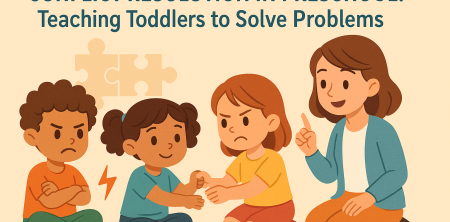
```html
In the vibrant world of preschool, children are not just learning letters and numbers; they’re also mastering the art of social interaction. One crucial skill that emerges in these formative years is conflict resolution. Understanding how to navigate disagreements effectively can set the foundation for healthy relationships throughout life. So, how do teachers and caregivers facilitate conflict resolution in preschool? Let’s explore this essential topic.
Understanding Conflict in Early Childhood
Conflict is a natural part of human interaction, and it's no different for preschoolers. At this age, children are beginning to navigate their social worlds independently, which can lead to misunderstandings and disagreements. Whether it’s over a toy, sharing space, or differing opinions, conflicts arise frequently.
Research indicates that children as young as two can experience conflict. For instance, a study published in the journal Child Development found that toddlers often struggle to share, leading to frequent disputes. This is where conflict resolution becomes vital — teaching children strategies to address and resolve issues independently.
The Importance of Teaching Conflict Resolution Skills
Equipping preschoolers with conflict resolution skills is not just about managing immediate disputes; it’s about fostering emotional intelligence and social competence. Children who learn to resolve conflicts early on are likely to:
- Develop better communication skills
- Build empathy for others
- Increase self-esteem and confidence
- Enhance problem-solving abilities
Research from the Collaborative for Academic, Social, and Emotional Learning (CASEL) highlights that social-emotional learning (SEL) can improve both academic performance and social interactions. Therefore, conflict resolution in preschool shouldn't be seen as a side project but rather as a crucial component of the curriculum.
Key Principles of Conflict Resolution in Preschool
When teaching conflict resolution to young children, several principles remain at the forefront. Understanding these can help educators and parents create supportive environments where conflict resolution can flourish.
1. Encourage Open Communication
Teaching kids to express their feelings is foundational. Educators should encourage children to articulate their feelings using “I” statements, such as “I feel sad when you take my toy.” This simple shift helps children focus on their emotions rather than blaming others, fostering a more constructive dialogue.
2. Model Problem-Solving Behaviors
Children learn a great deal through observation. By modeling effective communication and conflict resolution strategies, adults can provide children with concrete examples. For instance, if a situation arises, a teacher might say, “Let’s talk about how we can solve this together.” This not only demonstrates problem-solving but also reinforces collaboration.
3. Promote Empathy
Understanding others’ feelings is critical in conflict resolution. Activities that promote empathy, such as role-playing or reading stories that explore emotions, can help children recognize that others have feelings too. A child who can empathize with their peers is more likely to seek peaceful resolutions.
4. Foster a Safe Environment
Creating a safe environment is crucial for effective conflict resolution. Children need to feel secure to express their feelings without fear of judgment or hostility. Establishing rules about respect and kindness helps cultivate this atmosphere, allowing children to engage in conflict resolution openly.
Practical Strategies for Implementing Conflict Resolution in the Classroom
With an understanding of the principles, how can educators implement conflict resolution strategies effectively? Here are some practical ways to integrate conflict resolution into daily preschool activities: (See: Strategies for youth violence prevention.)
1. Role-Playing Scenarios
One of the most effective methods for teaching conflict resolution is through role-play. Set up scenarios that children can act out. For example, create a scene where one child wants to play with a toy that another child is using. Guide them through the process of discussing their feelings and negotiating a solution. Role-playing allows children to practice their skills in a safe and structured environment.
2. Conflict Resolution Circles
Establish a routine of conflict resolution circles where children sit together to discuss any issues that arise. This encourages group problem-solving and helps children learn to listen to one another’s perspectives. During these circles, emphasize the importance of respectful listening and expressing feelings.
3. Use of Literature
Books can be powerful tools for teaching conflict resolution. Select stories that involve characters facing conflicts and discuss the resolutions. Ask open-ended questions about what the children think the characters could have done differently. This encourages critical thinking and provides a platform for discussions about feelings and solutions.
4. Teach Problem-Solving Steps
Introduce simple steps for resolving conflicts that children can remember. For example:
- Identify the problem
- Express feelings
- Discuss possible solutions
- Choose a solution together
- Reflect on the outcome
Repetition and reinforcement of these steps during various activities can help solidify these concepts in their minds.
Challenges in Teaching Conflict Resolution
While teaching conflict resolution in preschool is vital, it’s not without its challenges. Children are still developing their communication and emotional regulation skills, and this can lead to frustration and miscommunication during lessons.
1. Varied Developmental Stages
Not all children develop at the same pace. Some may grasp conflict resolution concepts quickly, while others might require more guidance. This disparity can create challenges in group settings, as educators must find ways to support all learners effectively. Tailoring approaches to meet individual needs is essential for success.
2. Emotional Outbursts
Young children are still learning to regulate their emotions. In moments of conflict, they may resort to tantrums or outbursts. Educators need to manage these situations with patience and understanding while reinforcing the importance of discussing feelings and finding solutions.
3. Inconsistent Reinforcement
If conflict resolution strategies are not consistently reinforced at home and school, children may struggle to internalize these lessons. Collaborating with parents and caregivers to create a unified approach can help solidify the importance of conflict resolution skills.
The Role of Parents in Conflict Resolution Education
Parents play a crucial role in supporting the lessons taught in preschool. By reinforcing conflict resolution strategies at home, they can help children develop these skills further. Here are some ways parents can contribute:
1. Model Healthy Conflict Resolution
Just like teachers, parents should model effective conflict resolution behaviors. Children learn by watching their parents navigate conflicts in healthy ways. For instance, demonstrating how to calmly discuss disagreements can set a powerful example.
2. Create Opportunities for Practice
Encourage children to practice their conflict resolution skills at home. Whether it's with siblings, friends, or playdates, provide them with opportunities to engage in dialogue and negotiate solutions. This practice reinforces the importance of these skills in everyday life.
3. Engage in Open Discussions
Regularly discuss feelings and conflicts at home. Encourage children to share their experiences and feelings regarding conflicts they encounter. This can help them process their emotions and understand that it's normal to have disagreements.
Current Relevance and Future Implications
In a world increasingly characterized by division and conflict, the ability to resolve disputes peacefully is more important than ever. As educators and parents prioritize conflict resolution in preschool, they are equipping the next generation with essential skills that can lead to healthier relationships and communities.
Moreover, the increasing emphasis on social-emotional learning in educational settings aligns with the need for conflict resolution training. Currently, many educational institutions are recognizing the importance of integrating SEL into their curricula. This shift signals a growing understanding of how crucial these skills are for overall student well-being and success.
Expanding Conflict Resolution Skills Beyond Preschool
Once children leave preschool, the skills they've developed in conflict resolution need to be nurtured further. As they transition into elementary school and beyond, social dynamics become more complex. This is where continuous reinforcement of conflict resolution skills becomes essential. Children in later stages of development will encounter more nuanced forms of conflict, including bullying, peer pressure, and group dynamics. Therefore, it’s crucial for educators and parents to keep the dialogue about conflict resolution alive.
1. Integration into Daily Life
As children grow, they should be encouraged to apply their conflict resolution skills in everyday situations. Whether it's a disagreement over what game to play during recess or navigating a misunderstanding with a friend, these skills will serve them well. Educators can create environments where students feel safe to express their opinions and work towards resolutions collectively.
2. Building on Empathy and Emotional Intelligence
Emotional intelligence continues to be a critical area of development for children. Educators and parents should focus on building empathy as a core component of conflict resolution. This can be done through discussions about feelings and perspectives in various contexts. Activities like volunteering or community service can help further develop these qualities, as children learn to understand and appreciate diverse viewpoints.
Statistics and Research on Conflict Resolution
Research indicates that strong conflict resolution skills can have a lasting impact on children's futures. According to a study conducted by the University of Delaware, children who engaged in conflict resolution training showed a 25% decrease in aggressive behavior and a 30% increase in positive peer relationships. Furthermore, statistics from the National Institute for Early Education Research (NIEER) show that early childhood programs emphasizing social-emotional learning, including conflict resolution, lead to better academic outcomes as children progress through their education.
Expert Perspectives on Conflict Resolution in Preschool
Experts in child development emphasize the significance of conflict resolution education in early childhood. Dr. Laura Markham, a clinical psychologist and parenting expert, states, "When children learn to resolve conflicts constructively, they not only improve their immediate social interactions but also acquire skills that will benefit them in adulthood, from negotiating with colleagues to managing personal relationships."
Additionally, Dr. Daniel Goleman, author of *Emotional Intelligence*, argues that the ability to navigate emotions and conflicts is fundamental to success throughout life. "Teaching children how to manage their emotions and resolve conflicts can set them up for resilience and achievement in many aspects of life," he notes.
Frequently Asked Questions About Conflict Resolution in Preschool
1. What age should conflict resolution skills begin to be taught?
Conflict resolution skills can be introduced as early as preschool age, around 3-5 years old. Children at this age are beginning to develop social awareness and can understand basic concepts of sharing and cooperation.
2. How can I practice conflict resolution at home?
Parents can create scenarios at home that encourage dialogue and negotiation. For example, during playtime, you can prompt children to verbalize their feelings when disagreements arise and guide them to discuss potential solutions.
3. Are there specific books that help teach conflict resolution?
Yes, there are several children's books that address themes of conflict resolution. Titles like *The Rainbow Fish* by Marcus Pfister and *Should I Share My Ice Cream?* by Mo Willems are great options that emphasize sharing and managing feelings during conflicts.
4. How do I know if my child is struggling with conflict resolution?
Signs that a child may struggle with conflict resolution include frequent tantrums, difficulty sharing, or a tendency to withdraw from social situations. If you observe these behaviors, it may indicate a need for additional support in developing these skills.
5. Can conflict resolution skills impact academic performance?
Absolutely. Studies have shown that children who are equipped with conflict resolution skills tend to have better relationships with peers, leading to a more positive school environment. This, in turn, supports academic success as children feel more comfortable participating in classroom activities.
6. What specific activities can I do with my preschooler to teach conflict resolution?
Engaging in cooperative games where turn-taking is essential can help preschoolers practice conflict resolution. Activities like building a tower with blocks, where they need to share and negotiate space, can lead to natural conflict situations. Afterward, discuss how they felt and what solutions they could come up with.
7. How can educators track the progress of conflict resolution skills in children?
Educators can use observation checklists that focus on children's ability to communicate feelings, identify problems, and propose solutions during conflicts. Regular discussions with children about their experiences can also provide insight into their understanding and application of conflict resolution skills.
Conclusion: A Lifelong Journey
Conflict resolution in preschool is more than just a set of skills; it is a journey that prepares children for future challenges. As they grow, the ability to communicate effectively, empathize with others, and solve problems will be invaluable. By laying a strong foundation in preschool, we empower children not only to handle conflicts but to thrive in their personal and academic lives. Investing in these skills early on ensures that they carry forward the essence of understanding and collaboration throughout their journey into adulthood.
```
Trending Now
Frequently Asked Questions
What are effective strategies for conflict resolution in preschool?
Effective strategies for conflict resolution in preschool include teaching children to communicate their feelings, encouraging active listening, and guiding them to find mutually agreeable solutions. Role-playing scenarios can also help toddlers practice these skills in a safe environment.
Why is conflict resolution important for preschoolers?
Conflict resolution is crucial for preschoolers as it fosters emotional intelligence, enhances communication skills, and builds empathy. Learning to resolve conflicts early helps children develop self-esteem and problem-solving abilities, which are essential for their overall social competence.
At what age do children start experiencing conflict?
Children can start experiencing conflict as early as two years old. At this age, toddlers often struggle with sharing and navigating social interactions, leading to frequent disputes that require guidance in conflict resolution.
How can teachers facilitate conflict resolution among preschoolers?
Teachers can facilitate conflict resolution by creating a supportive environment, modeling appropriate conflict resolution behaviors, and providing structured opportunities for children to express their feelings and negotiate solutions to disagreements.
What role does social-emotional learning play in conflict resolution?
Social-emotional learning (SEL) plays a significant role in conflict resolution by helping children develop skills necessary for managing emotions, building relationships, and making responsible decisions. Integrating SEL into preschool curricula enhances both academic performance and social interactions.
Have you experienced this yourself? We'd love to hear your story in the comments.

