```html
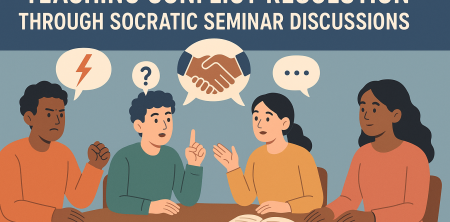
Conflict is an inherent part of human interaction, and learning how to navigate it is a crucial skill. In a world increasingly marked by division and misunderstanding, teaching conflict resolution education is more essential than ever. One effective method for achieving this is through Socratic seminar discussions. This approach not only fosters critical thinking and dialogue but also equips students with the tools they need to resolve disputes amicably. Let’s delve deeper into how Socratic seminars can be leveraged for conflict resolution education.
Understanding Conflict Resolution Education
Conflict resolution education encompasses a range of strategies aimed at equipping individuals with the skills to handle and resolve disagreements constructively. It involves teaching students to recognize underlying issues, communicate effectively, and develop empathy towards different perspectives. With roots in psychology, peace studies, and mediation practices, conflict resolution education is a vital component of social and emotional learning (SEL).
Research indicates that effective conflict resolution education can reduce instances of bullying, enhance student relationships, and foster a positive school climate. By promoting skills such as active listening, emotional regulation, and negotiation, educators can empower students to manage conflicts constructively, which can lead to reduced violence and improved academic performance.
The Socratic Method: A Brief Overview
Named after the ancient Greek philosopher Socrates, the Socratic method is a form of cooperative argumentative dialogue that stimulates critical thinking through questioning. Rather than providing direct answers, educators employing this method encourage students to engage with each other, formulate their own ideas, and arrive at conclusions collaboratively. This dialectical process allows learners to explore complex topics more deeply and develop nuanced views.
Socratic seminars are typically structured discussions that involve open-ended questions and a focus on dialogue rather than debate. The goal is not to reach a consensus but to explore multiple perspectives and foster an environment where differing viewpoints are respected and examined critically. This approach is particularly effective for conflict resolution education, as it models the very skills students need to engage in constructive disagreement.
Key Benefits of Socratic Seminars for Teaching Conflict Resolution
Integrating Socratic seminars into conflict resolution education offers numerous benefits, including:
- Enhanced Critical Thinking: Students learn to analyze their own assumptions and the implications of their viewpoints, leading to more thoughtful and reflective responses.
- Improved Communication Skills: Engaging in dialogue fosters better verbal skills and helps students articulate their thoughts clearly and respectfully.
- Increased Empathy: By hearing diverse perspectives, learners develop a deeper understanding of others’ experiences and feelings.
- Conflict De-escalation: Socratic seminars promote a non-confrontational atmosphere, helping students practice de-escalation techniques in real time.
- Collaborative Problem-Solving: Students learn to work together to explore solutions rather than focusing solely on their individual viewpoints.
Implementing Socratic Seminars in the Classroom
To effectively use Socratic seminars as a tool for conflict resolution education, educators should follow several key steps:
1. Setting the Stage
Before diving into a Socratic seminar, it’s essential to create a safe and inclusive environment. Establish clear norms and expectations, such as treating everyone with respect, listening actively, and allowing each participant to share their thoughts without interruption. Additionally, introducing ground rules can help mitigate potential conflicts that may arise during discussions. (See: CDC on youth violence prevention.)
2. Choosing Thought-Provoking Texts
Selecting relevant texts or topics is crucial for stimulating discussion. These could include literature, historical case studies, or contemporary issues that relate to conflict resolution. The material should be complex enough to allow for multiple interpretations, encouraging students to think critically and engage deeply.
3. Crafting Open-Ended Questions
Effective Socratic discussions rely on open-ended questions that prompt inquiry and reflection. Questions should encourage students to analyze the material, explore various viewpoints, and connect their thoughts to real-world situations. For instance, a question like, “How can differing cultural perspectives on conflict influence resolution strategies?” opens the floor for rich dialogue.
4. Facilitating the Discussion
The role of the facilitator is to guide the discussion without dominating it. This involves asking follow-up questions, redirecting the conversation when necessary, and ensuring that all voices have the opportunity to be heard. Effective facilitators also model active listening, demonstrating how to engage respectfully with differing opinions.
5. Reflecting on the Outcomes
After the Socratic seminar, it’s beneficial to debrief the discussion. Encourage students to reflect on what they learned, how their views may have changed, and what conflict resolution strategies they can apply in their own lives. This reflection reinforces the skills they’ve practiced and helps solidify their understanding.
Real-World Applications of Conflict Resolution Through Socratic Seminars
Integrating Socratic seminars into conflict resolution education provides students with practical skills they can apply beyond the classroom. Here are a few real-world applications:
- Peer Mediation: Students trained in conflict resolution can take on roles as peer mediators, helping to resolve disputes between classmates.
- Community Engagement: Socratic seminars can be adapted for community forums, allowing citizens to discuss local issues and work collaboratively towards solutions.
- Workplace Conflict Resolution: The skills learned through Socratic discussions can translate to professional environments, where collaboration and communication are key to resolving conflicts.
- Global Citizenship: Understanding diverse perspectives prepares students to engage in global conversations and navigate conflicts in an increasingly interconnected world.
Challenges and Considerations
While Socratic seminars offer significant benefits for conflict resolution education, there are challenges that educators must navigate:
- Resistance to Participation: Some students may initially resist engaging in discussions, especially if they are not accustomed to sharing their thoughts openly. Building a culture of trust and encouraging gradual involvement can help mitigate this.
- Time Constraints: Socratic seminars require time for in-depth discussion, which may be challenging in a packed curriculum. Educators might need to prioritize these discussions and integrate them strategically.
- Facilitator Skills: Not all educators may feel comfortable or confident in leading Socratic seminars. Professional development opportunities focusing on facilitation techniques can help build these skills.
Current Relevance and Future Directions
The need for conflict resolution education is more pressing than ever. In an era marked by polarization and divisive rhetoric, equipping students with the skills to engage in constructive dialogue is crucial. Addressing current events through Socratic discussions allows students to connect classroom learning with real-world issues, fostering a sense of agency and responsibility.
Looking ahead, educators can enhance conflict resolution education by incorporating technology into Socratic seminars. Virtual platforms can facilitate discussions among students from diverse backgrounds, expanding their perspectives and enriching the dialogue. Furthermore, interdisciplinary approaches that integrate conflict resolution education with subjects like social studies, literature, and ethics can create a more holistic learning experience.
Statistics and Research Supporting Conflict Resolution Education
To further emphasize the importance of conflict resolution education, let’s explore some compelling statistics and research findings: (See: WHO on violence against children.)
- According to a study by the National Center for School Engagement, schools that implemented conflict resolution programs saw a 20% reduction in disciplinary referrals.
- Research from the University of Colorado indicates that students who receive conflict resolution training demonstrate improved problem-solving skills, leading to a 30% decrease in verbal altercations.
- A report by the Collaborative for Academic, Social, and Emotional Learning (CASEL) found that social-emotional learning programs, which include conflict resolution education, can boost academic performance by 11 percentile points.
- Furthermore, the American Psychological Association highlights that teaching conflict resolution can significantly improve emotional intelligence, which is linked to better relationships both in and out of school.
Expert Perspectives on Conflict Resolution Education
Experts across education and psychology emphasize the significance of teaching conflict resolution skills. Here are some insights from professionals in the field:
Dr. Linda Lantieri, educator and author: “Conflict resolution education is not just about addressing issues as they arise; it’s about creating a culture of understanding and respect where conflicts can be resolved peacefully.”
Dr. Richard Cohen, psychologist: “By teaching young people how to communicate effectively and empathetically, we are not only preparing them for academic success but also for a fulfilling adult life where they can manage personal and professional relationships better.”
Best Practices for Conflict Resolution in Education
To maximize the impact of conflict resolution education, educators can implement several best practices:
- Integrate Role-Playing: Simulating conflict scenarios can help students practice resolution strategies in a safe environment. Role-playing allows them to step into different perspectives and develop empathy.
- Encourage Journaling: Reflective writing can be a powerful tool for students to process their feelings and thoughts about conflicts. By journaling, they can articulate their experiences and identify personal conflict styles.
- Connect with Families: Involving families in conflict resolution education creates a supportive network. Workshops for parents can reinforce these skills at home, creating a consistent approach to conflict management.
- Utilize Technology: Online platforms and apps can provide students with resources and tools for conflict resolution. For instance, students can access interactive modules that teach negotiation and mediation skills.
Integrating Conflict Resolution Education Across the Curriculum
Conflict resolution education shouldn’t be limited to specific sessions but rather integrated into various subjects and activities. This cross-curricular approach can enhance the learning experience and make conflict resolution skills more relevant. Here are some practical ways to achieve this:
- Literature Studies: In English classes, literature can serve as a springboard for discussions about conflict. Analyzing characters' motivations and the consequences of their choices can provide insights into real-life conflict resolution.
- History Lessons: Historical events are often filled with examples of conflict and resolution. Teaching students about peace treaties, negotiations, and the outcomes of conflicts can provide practical applications of conflict resolution theories.
- Social Studies: Engaging students in discussions about community issues, local governance, and social justice promotes awareness and understanding of conflicts at multiple levels, preparing them to contribute positively.
- Arts Integration: Creative projects, such as role-playing, skits, or art displays, can provide students with alternative ways to express their understanding of conflict and resolution, appealing to different learning styles.
Global Perspectives on Conflict Resolution Education
Conflict resolution education is a global concern, with different cultural contexts influencing its implementation. Here are some global perspectives that highlight this diversity:
- Restorative Justice in New Zealand: A Maori approach to conflict emphasizes community involvement in resolving disputes. This model focuses on healing relationships rather than punishments, showcasing an alternative to traditional Western methods.
- Peace Education in Colombia: Following decades of civil conflict, Colombia has integrated peace education into its schools to promote reconciliation and conflict resolution among young people, focusing on empathy and understanding.
- Social Cohesion in South Africa: Post-apartheid, educational initiatives aim to foster social cohesion among diverse groups, teaching students to navigate differences and promote unity through dialogue.
FAQs About Conflict Resolution Education
What age should conflict resolution education begin?
It's beneficial to introduce conflict resolution concepts as early as elementary school. Age-appropriate strategies can help children develop emotional regulation and communication skills that they can build on in later years.
How can teachers assess students' understanding of conflict resolution skills?
Teachers can use a combination of formative assessments, such as reflections, peer feedback, and self-assessments, along with more formal evaluations like quizzes or presentations on conflict resolution scenarios.
Can conflict resolution education be applied in online learning environments?
Absolutely! Educators can adapt Socratic seminars and conflict resolution exercises for virtual classrooms. Discussion boards and video conferencing tools allow for meaningful interactions and discussions among students.
Is conflict resolution education relevant in higher education?
Yes, higher education institutions can greatly benefit from conflict resolution courses. These skills are crucial in diverse college environments, where students encounter differing viewpoints and backgrounds.
How can educators measure the effectiveness of conflict resolution programs?
Educators can measure effectiveness through quantitative methods such as surveys that assess changes in student behavior, as well as qualitative methods like interviews or focus groups that gather insights from participants and educators about their experiences.
What role do parents play in conflict resolution education?
Parents can reinforce conflict resolution skills at home by modeling positive communication, discussing conflict scenarios, and participating in workshops that address conflict management strategies, creating a cohesive approach between school and home.
Conclusion
Teaching conflict resolution through Socratic seminar discussions is a powerful approach that can transform the way students engage with conflict. By fostering critical thinking, empathy, and communication skills, educators equip learners with the tools they need to navigate disagreements constructively. As we continue to face societal challenges marked by division, the role of conflict resolution education will be vital in shaping thoughtful, compassionate leaders for the future. Embracing methods like the Socratic seminar not only enriches the educational experience but also contributes to a more peaceful and collaborative society.
```
Trending Now
Frequently Asked Questions
What is conflict resolution education?
Conflict resolution education involves teaching individuals skills to manage and resolve disagreements constructively. It focuses on recognizing underlying issues, effective communication, and developing empathy, which are crucial for fostering positive relationships and reducing conflict in various settings.
How can Socratic seminars help with conflict resolution?
Socratic seminars encourage critical thinking and dialogue, allowing students to engage in cooperative discussions. This method helps them explore different perspectives, develop their own ideas, and collaboratively find resolutions, making it an effective tool for teaching conflict resolution skills.
What are the benefits of teaching conflict resolution in schools?
Teaching conflict resolution in schools can lead to reduced bullying, improved student relationships, and a more positive school climate. It equips students with essential skills like active listening and emotional regulation, which can enhance their academic performance and overall well-being.
What skills does conflict resolution education teach?
Conflict resolution education teaches essential skills such as active listening, emotional regulation, negotiation, and empathy. These skills enable students to handle disagreements constructively and foster a collaborative environment, ultimately contributing to their personal and academic growth.
Who developed the Socratic method?
The Socratic method was developed by the ancient Greek philosopher Socrates. It is a form of cooperative dialogue that promotes critical thinking through questioning, encouraging participants to explore complex topics and develop their own understanding collaboratively.
What's your take on this? Share your thoughts in the comments below — we read every one.

