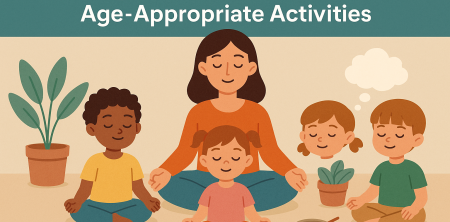
Understanding Mindfulness: What It Means for Preschoolers
Mindfulness is more than just a buzzword; it’s a practice that has gained traction in recent years as a means to improve mental health and emotional well-being. For preschoolers, developing mindfulness can be incredibly beneficial. The concept encourages children to focus on the present moment, fostering a sense of calm and awareness. This can be particularly helpful in a world filled with distractions.
Mindfulness activities for preschoolers are designed to be age-appropriate, taking into account their developmental stages. At this age, children are naturally curious and often live in the moment, making them ideal candidates for mindfulness practices. Teaching them how to harness this innate quality can lay the groundwork for emotional intelligence and resilience as they grow.
The Benefits of Teaching Mindfulness to Young Children
Research highlights numerous benefits of mindfulness for young children. Engaging in mindfulness activities can help preschoolers in various ways:
- Emotional Regulation: Mindfulness equips children with tools to manage their emotions effectively. They learn to recognize feelings and respond rather than react impulsively.
- Improved Attention Span: Activities that encourage mindfulness can enhance focus and concentration, skills that are crucial for learning.
- Stress Reduction: Practicing mindfulness can reduce anxiety and stress, contributing to a positive atmosphere in both home and classroom environments.
- Social Skills: Mindfulness fosters empathy and understanding, helping preschoolers navigate social situations with greater ease.
How Mindfulness Activities for Preschoolers Can Be Incorporated into Daily Life
Integrating mindfulness into everyday routines doesn’t have to be complex. Simple adjustments can provide rich opportunities for learning and growth. Here are a few suggestions:
- Mindful Mornings: Start the day with a brief mindfulness exercise, such as taking deep breaths together or expressing gratitude for the day ahead.
- Mindfulness Breaks: Schedule short mindfulness breaks throughout the day, especially during transitions between activities.
- Mindful Meals: Encourage mindfulness at mealtime by discussing flavors, textures, and the origins of the food.
Engaging Mindfulness Activities for Preschoolers
Now that we understand the significance of mindfulness for young children, let’s explore some age-appropriate activities that parents and educators can implement:
1. Balloon Breathing
This fun activity helps preschoolers control their breathing. Have them imagine they are inflating a balloon. Instruct them to take a deep breath in and then slowly exhale while picturing the balloon getting bigger. You can even use a real balloon to make it get bigger and smaller as they breathe.
2. Nature Walks
Taking a walk outside offers countless opportunities for mindfulness. Encourage children to observe their surroundings, noting the colors, shapes, and textures they encounter. Ask questions like, "What do you hear?" or "What do you feel?" This kind of engagement helps deepen their connection with nature and their immediate environment.
3. Mindful Coloring
Set aside time for coloring using mandalas or intricate designs. As they color, encourage children to focus on their movements and choices of colors. This not only enhances fine motor skills but also allows for a meditative experience.
4. Sensory Bins
Creating a sensory bin filled with various materials like rice, beans, or sand can be a fantastic way for preschoolers to practice mindfulness. As they play, encourage them to describe what they feel and observe, helping them stay present in the moment.
5. Mindful Storytime
Select stories that incorporate themes of mindfulness or emotions. After reading, engage the children in discussions about their feelings related to the story. Encourage them to share how they might feel in similar situations.
6. Gratitude Journals
Introducing the concept of gratitude can be a powerful mindfulness activity. Help preschoolers create simple gratitude journals where they can draw or dictate what they are thankful for each day. This helps them focus on positive aspects of their lives. (See: CDC on mental health in youth.)
7. Yoga for Kids
Integrating yoga into a preschooler’s routine can be an excellent way to promote mindfulness. Simple poses, such as tree pose or downward dog, combined with breathing exercises, can enhance their physical awareness and inner calm.
Creating a Mindfulness-Friendly Environment
To successfully implement mindfulness activities for preschoolers, it’s essential to create an environment that supports these practices. Here are some tips:
- Quiet Space: Designate a quiet corner in your home or classroom where children can go to practice mindfulness whenever needed.
- Visual Aids: Use posters or images that promote mindfulness, such as breathing techniques or affirmations.
- Routine Integration: Make mindfulness a regular part of the daily routine rather than a sporadic activity.
The Role of Parents and Educators in Mindfulness Practice
Parents and educators play a crucial role in modeling mindfulness behaviors for preschoolers. By practicing mindfulness themselves, adults can demonstrate the importance of being present and engaged.
Engaging in discussions about emotions, showing empathy, and using mindful communication can reinforce mindfulness principles. Sharing personal experiences of mindfulness can inspire children and instill curiosity about these practices.
Assessing the Impact of Mindfulness Activities
To understand the effectiveness of mindfulness activities for preschoolers, it’s essential to assess both emotional and behavioral changes. Observations can be made in various ways:
- Behavioral Changes: Monitor changes in behavior, such as improved focus, emotional regulation, and social interactions.
- Self-Reporting: While preschoolers may not articulate their feelings as clearly as older children, simple check-ins can provide insights. Ask questions like, "How did you feel during that activity?"
- Parental Feedback: Encourage parents to share their observations at home, allowing for a comprehensive understanding of the impacts.
Current Relevance and Future Implications of Mindfulness in Education
In today’s fast-paced, technology-driven society, the relevance of mindfulness in education has never been more pronounced. As children face increasing pressures, equipping them with mindfulness skills can serve as a protective factor against stress and anxiety. Research has shown that early exposure to mindfulness can lead to long-lasting benefits, including improved academic performance and emotional stability.
While implementing mindfulness activities for preschoolers may seem challenging, the growing body of research supports its integration into early childhood education. As we gain a deeper understanding of the importance of mental health and well-being, teaching mindfulness becomes not just an option, but a necessity.
Creative Mindfulness Activities to Explore
In addition to the activities already mentioned, there are many other creative ways to engage preschoolers in mindfulness. These activities can be tailored to their interests and developmental levels, making mindfulness both fun and educational.
1. Mindfulness Jars
Creating mindfulness jars can be a sensory experience for children. Fill a clear jar with water, glitter, and a few drops of glue. Shake the jar and watch as the glitter swirls around. This activity can help children visualize their thoughts and feelings—when they’re calm, the glitter settles, just as their minds can when they practice mindfulness.
2. Emotion Charades
Incorporate playful role-playing through emotion charades. Write down different emotions on slips of paper and place them in a hat. Children take turns pulling out a slip and acting out the emotion without speaking while the others guess. This enhances their emotional vocabulary and helps them recognize feelings in themselves and others.
3. Mindful Listening
Mindful listening is a great way to help children develop their attention span. Play a nature sound recording or an instrumental piece and ask the children to close their eyes and focus solely on the sounds. Afterward, they can discuss what they heard, enhancing their listening skills and encouraging them to express their observations.
4. Breathing Buddies
Introduce a breathing buddy, which can be a small stuffed animal. When children take deep breaths, they can place their buddy on their tummy and watch it rise and fall. This visualization helps them connect their breath to their bodies, promoting relaxation and presence. (See: NIH on child development and learning.)
5. Mindful Movement Games
Incorporate movement through games like "Follow the Leader" with a mindful twist. The leader can perform slow, deliberate movements—like stretching or walking on tiptoes—while others follow. This encourages children to move thoughtfully and be aware of their bodies and surroundings.
Statistics and Research on Mindfulness in Early Childhood
Research on mindfulness in early childhood indicates significant benefits and highlights its growing importance in educational settings. Studies show that incorporating mindfulness can lead to:
- A 25% increase in emotional regulation skills among preschoolers after participating in structured mindfulness programs.
- A reduction in aggressive behaviors by up to 30% within classrooms that integrate mindfulness practices.
- Enhanced executive function skills, which are critical for learning, were observed in children who regularly practiced mindfulness.
These statistics illustrate not just the immediate advantages of mindfulness activities for preschoolers but also the potential for long-term positive outcomes in their emotional and academic journeys.
Expert Perspectives on Mindfulness in Early Education
Experts in child psychology and early education emphasize the importance of mindfulness activities for preschoolers. Dr. Lisa McGonigle, a child psychologist, notes, “Mindfulness lays the foundation for emotional intelligence, which is vital for navigating relationships and challenges throughout life.”
Additionally, educators like Mrs. Sarah Thompson, who has integrated mindfulness into her kindergarten class, state, “The difference I’ve seen in my students is incredible. They handle stress better and have improved attention spans. It’s not just about being quiet; it’s about being aware.”
These insights from professionals underscore the transformative power of mindfulness in shaping young minds.
Frequently Asked Questions (FAQ)
1. What age is appropriate for introducing mindfulness activities to children?
Mindfulness activities can start as early as age three. At this age, children can begin to grasp simple concepts of awareness and breathing techniques.
2. How long should mindfulness activities last for preschoolers?
Mindfulness activities should typically last between 5 to 15 minutes, depending on the children's attention spans. Short, engaging sessions are often more effective than longer ones.
3. Can mindfulness help with behavioral issues in preschoolers?
Yes, many studies suggest that mindfulness can significantly reduce behavioral issues. By teaching children to self-regulate their emotions and responses, mindfulness can create a more harmonious classroom and home environment.
4. Are there specific resources or books you recommend for teaching mindfulness to preschoolers?
There are several excellent resources available. Books like “Moody Cow” by Kerry McQuade and “Mindful Monkey, Happy Panda” by Lauren Alderfer are great for introducing mindfulness concepts in a fun and relatable way.
5. How can parents practice mindfulness with their preschoolers at home?
Parents can practice mindfulness by incorporating short activities like deep breathing, mindful walks, or simple yoga poses at home. Making it a routine can help normalize mindfulness as part of their daily lives.
The Importance of Mindfulness Beyond Preschool
While this article focuses on mindfulness activities for preschoolers, it’s essential to recognize that the seeds of mindfulness can grow throughout a child's educational journey. As children transition into elementary school and beyond, the skills they develop during preschool can serve them well. Early mindfulness practices can lead to better stress management, improved social interactions, and greater academic success as they face new challenges in their educational and personal lives.
As children grow older, they can take on more complex mindfulness practices that build on their foundational skills. For instance, they might start engaging in journaling to reflect on their feelings or practice guided meditations tailored to their developmental stage. Schools can further support this growth by integrating mindfulness into their curricula, providing structured programs that offer students a safe space to explore their thoughts and feelings.
Integrating Mindfulness into Group Activities
Mindfulness activities can also be very effective when integrated into group settings. Whether in a classroom or playgroup, collective mindfulness exercises can enhance the sense of community and cooperation among preschoolers.
Consider group exercises such as:
- Team Breathing: Gather in a circle and practice deep breathing together. Count to three as you inhale and count to three again as you exhale. This collective rhythm helps children synchronize their energy.
- Mindful Group Games: Games like "Statues," where children must freeze in place, can be used to encourage mindfulness. While frozen, ask them to notice how their bodies feel and the sounds around them.
- Collaborative Nature Projects: Engage children in community or garden projects, encouraging them to reflect on their surroundings and the role of nature in their lives.
Mindfulness in Multicultural Settings
Understanding mindfulness can also vary across cultures, and embracing these differences can enrich the preschool experience. For example, some cultures may have specific meditation practices or rituals that can be incorporated into mindfulness activities. Learning about and appreciating these variations can foster an inclusive environment where children feel valued and understood.
Incorporating stories, songs, and traditions from diverse backgrounds can help children connect with mindfulness on a more personal level. By exploring how different cultures practice mindfulness, preschoolers can learn to respect and appreciate differences, broadening their understanding of the world around them.
Conclusion: The Journey Towards Mindfulness Begins Early
Teaching preschoolers mindfulness activities is an investment in their future. By incorporating fun and engaging techniques, you can help children cultivate a lifelong practice that enhances their emotional well-being. Whether through simple breathing exercises, nature walks, or mindful storytelling, each activity contributes to building a foundation of mindfulness. As a parent or educator, your role in this journey is crucial, and your commitment to fostering mindfulness will undoubtedly bear fruit as children grow into emotionally intelligent individuals.
Trending Now
Frequently Asked Questions
What are age-appropriate mindfulness activities for preschoolers?
Age-appropriate mindfulness activities for preschoolers include simple breathing exercises, nature walks focusing on sensory experiences, and guided imagery. These activities encourage children to engage their senses and be present in the moment, fostering emotional awareness and calmness.
How does mindfulness benefit preschoolers?
Mindfulness benefits preschoolers by enhancing emotional regulation, improving attention spans, reducing stress, and fostering social skills. By learning to be present, children can better manage their emotions and interact positively with peers.
Can mindfulness help with preschoolers' emotional regulation?
Yes, mindfulness can significantly aid preschoolers in emotional regulation. It provides them with tools to recognize their feelings and respond thoughtfully, rather than reacting impulsively, which is crucial for their emotional development.
How can I incorporate mindfulness into my child's daily routine?
Incorporating mindfulness into your child's daily routine can be simple. Start with mindful mornings, where you engage in deep breathing or gratitude exercises, and include mindful moments during activities like mealtime or playtime to encourage presence and awareness.
What is the best way to teach mindfulness to young children?
The best way to teach mindfulness to young children is through engaging, hands-on activities that are fun and relatable. Use storytelling, games, and sensory experiences to capture their attention and make mindfulness a natural part of their play and learning.
Have you experienced this yourself? We'd love to hear your story in the comments.

