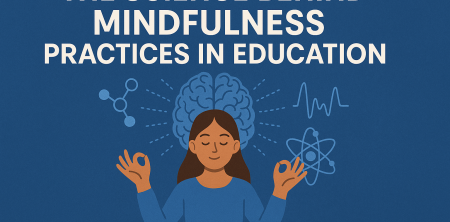
As educators and researchers delve deeper into the realms of student wellness and effective learning processes, one term has emerged at the forefront: mindfulness in education. This practice is increasingly recognized not only for its mental health benefits but also for its significant impact on academic performance and classroom dynamics. In this article, we will explore the science behind mindfulness practices in education, examining their origins, effectiveness, and practical applications, as well as their relevance in today’s academic environments.
Understanding Mindfulness
Mindfulness is often described as the practice of being present and fully engaged in the moment without judgment. Its roots trace back to ancient meditation practices in Buddhism, but its modern interpretation has expanded to encompass a variety of psychological techniques aimed at enhancing mental well-being.
Recent studies reveal that mindfulness can lead to improved emotional regulation, reduced anxiety, and increased focus. With these benefits, the application of mindfulness in educational settings has flourished, aiming to not only support student mental health but also create a more conducive learning environment.
The Rise of Mindfulness in Education
The movement to incorporate mindfulness in education gained momentum in the early 2000s, with various programs being introduced in schools across the globe. Initiatives such as Mindful Schools and the Mindfulness in Schools Project have paved the way for teachers to integrate mindfulness practices into their curricula.
Research by organizations like the Collaborative for Academic, Social, and Emotional Learning (CASEL) has highlighted the importance of social-emotional learning (SEL) in education. Mindfulness practices fit seamlessly into this framework, providing students with tools to manage their emotions and foster resilience.
The Science Behind Mindfulness Practices
A wealth of research has demonstrated the cognitive and emotional benefits of mindfulness. Studies indicate that practicing mindfulness can lead to changes in brain structure and function. For instance, a study conducted by neuroscientists at Harvard University found that eight weeks of mindfulness meditation can increase the grey matter density in brain regions associated with memory, sense of self, empathy, and stress regulation.
Moreover, mindfulness has been shown to activate the default mode network (DMN) in the brain, which is crucial for self-referential thinking and mind-wandering. This activation is essential for creativity and problem-solving skills — factors that are vital in the learning process.
Benefits of Mindfulness in Education
When applied in educational settings, mindfulness has a plethora of benefits for both students and educators. Some of the key advantages include:
- Enhanced Focus and Concentration: Regular mindfulness practices, such as meditation or mindful breathing, help students improve their attention span. Research indicates that even short sessions can lead to improved focus in the classroom.
- Emotional Regulation: Mindfulness teaches students how to observe their emotions without becoming overwhelmed. This skill is particularly beneficial in managing stress and anxiety, leading to a more positive learning environment.
- Improved Academic Performance: Studies have shown that students who engage in mindfulness practices tend to achieve higher academic scores. For instance, a meta-analysis published in the journal Psychological Bulletin revealed a positive correlation between mindfulness and academic performance.
- Promotion of Empathy and Compassion: Mindfulness practices foster a sense of connection among students, encouraging them to be more empathetic towards their peers. This shift can lead to a reduction in bullying and an increase in social cohesion.
- Lower Rates of Behavioral Issues: Implementing mindfulness practices has been linked to a decrease in disciplinary actions within schools, as students learn to manage their impulses and reactions.
Practical Applications of Mindfulness in the Classroom
Integrating mindfulness into educational settings doesn't require a complete overhaul of existing curricula. Instead, it can be seamlessly woven into daily routines. Here are some practical applications:
- Mindful Breathing Exercises: Starting classes with a few minutes of deep breathing can set a calm tone for learning. Teachers can guide students to focus on their breath, helping to create a centered atmosphere.
- Mindfulness Moments: Incorporating short breaks throughout the day for mindfulness activities can enhance overall engagement. These might include stretching, walking mindfully, or brief meditation sessions.
- Mindfulness in Subjects: Teachers can integrate mindfulness into subject-specific lessons. For example, during a literature class, students can practice mindful reading by focusing on their emotional responses to a text.
The flexibility of these practices allows educators to tailor mindfulness activities to their specific classroom needs, making it accessible for all students. (See: Mindfulness in Education: A Review.)
The Role of Educators in Fostering Mindfulness
Teachers play a critical role in cultivating a mindful environment. Their own practice and approach to mindfulness can significantly influence students. Here are some ways educators can embody mindfulness:
- Modeling Mindfulness: When teachers practice mindfulness themselves, they provide a living example for students. This could mean taking a moment to breathe before responding to a challenging question or demonstrating calmness during stressful situations.
- Creating Safe Spaces: Establishing a classroom culture that encourages openness and vulnerability is essential. When students feel safe to express their thoughts and feelings, they're more likely to engage in mindfulness practices.
- Professional Development: Schools should invest in training teachers on mindfulness strategies. Workshops and courses that focus on mindfulness not only equip teachers with the necessary skills but also foster a community of support.
Challenges to Implementing Mindfulness in Education
While the benefits of mindfulness in education are compelling, challenges remain. Some educators may be skeptical about its efficacy or struggle to find time within an already packed curriculum. Misunderstandings about what mindfulness entails can also impede its implementation.
Moreover, the varied backgrounds and experiences of students can affect how mindfulness practices are received. Not all students may feel comfortable with certain mindfulness techniques, and teachers must be sensitive to these differences.
Current Relevance: Mindfulness in a Post-Pandemic World
The COVID-19 pandemic has brought heightened awareness to the importance of mental health in schools. As students and teachers navigate the aftermath of this global crisis, the need for mindfulness in education has never been more pressing. Many students experienced significant disruptions in their learning and emotional well-being. Mindfulness practices can serve as essential tools in helping them cope with these challenges.
Schools around the world are increasingly recognizing the need for social-emotional support. Initiatives to incorporate mindfulness into their programs are becoming more prevalent as stakeholders understand the importance of addressing mental health alongside academic achievement.
Future Directions for Mindfulness in Education
Looking ahead, the integration of mindfulness in education is likely to evolve. As more research highlights its benefits, educational institutions may begin to formalize mindfulness programs within their curricula. Collaborations between mental health professionals and educators can lead to more robust frameworks that support both teacher and student well-being.
Moreover, technology plays a significant role in the future of mindfulness in education. Apps and online resources designed specifically for classrooms are emerging, making mindfulness more accessible than ever.
Ultimately, the goal of incorporating mindfulness in education is to cultivate not just academic excellence but well-rounded individuals who are emotionally resilient and socially responsible. Educators, researchers, and community members must continue to advocate for these practices, ensuring that mindfulness becomes an integral part of education for generations to come.
Conclusion: A New Paradigm for Learning
In summary, mindfulness in education is not merely a passing trend but a foundational approach that addresses the holistic needs of students. As we recognize the importance of mental health and emotional intelligence in the learning process, the integration of mindfulness practices becomes essential. With the right strategies, resources, and commitment, schools can foster environments where students thrive academically and personally.
Mindfulness Techniques for Students
Implementing mindfulness in the classroom can be approached through various techniques that cater to students of different ages and backgrounds. Here are some effective strategies:
- Guided Imagery: This technique involves guiding students through a mental exercise where they visualize a calm and peaceful setting. It helps reduce anxiety and promotes relaxation. Teachers can lead short sessions where students close their eyes and imagine themselves in a serene environment, focusing on sounds, smells, and feelings associated with that place.
- Mindful Listening: In this activity, students practice focusing on sounds around them. They can listen to different sounds in the classroom or outside, helping them develop concentration skills and awareness of their surroundings. Teachers can encourage students to identify specific sounds, describe them, and discuss how these sounds make them feel.
- Journaling: Encouraging students to write about their thoughts and feelings can be a powerful mindfulness practice. Journals can include prompts focusing on gratitude, daily reflections, or emotional check-ins. This can help students articulate their feelings and practice self-reflection, enhancing emotional intelligence.
- Mindfulness in Movement: Activities like yoga or tai chi can be integrated into physical education classes. These practices not only promote physical health but also teach students how to connect their physical movements with their breath and focus, fostering a holistic mindfulness experience.
Statistical Evidence Supporting Mindfulness in Education
To understand the impact of mindfulness in education quantitatively, numerous studies have provided compelling statistics:
- A study published in the journal Psychological Science found that students who engaged in mindfulness practices experienced a 15% improvement in attention and focus compared to those who did not participate.
- Research from the University of California found that mindfulness programs reduced anxiety levels in students by approximately 30%, leading to improved academic performance and classroom behavior.
- Another report by the National Center for Educational Statistics indicated that schools implementing mindfulness programs saw a 25% reduction in suspension rates, showcasing its effectiveness in promoting better behavior.
Expert Perspectives on Mindfulness in Education
To gain further insight into the impact of mindfulness in education, we can look at what experts are saying:
Dr. Jon Kabat-Zinn, the creator of the Mindfulness-Based Stress Reduction program, emphasizes the importance of mindfulness in fostering emotional intelligence. He notes, "In schools, mindfulness can be a powerful tool to help children develop their ability to pay attention and self-regulate their emotions, which are essential skills for success in life."
Similarly, Dr. Patricia C. Broderick, developer of the Learning to Breathe program, highlights the necessity of mindfulness for young people: "Mindfulness is not just about stress reduction; it's about teaching our youth to navigate their lives with greater awareness and intent. These skills are crucial, especially in our fast-paced, technology-driven world."
Comparative Analysis: Mindfulness vs. Traditional Approaches in Education
To appreciate the value of mindfulness, it’s insightful to compare it with traditional educational practices. Typical teaching methods often focus on academic achievement, emphasizing standardized tests and performance metrics. In contrast, mindfulness in education prioritizes emotional well-being and personal development alongside academic success.
While traditional approaches may lead to high test scores, they often overlook the importance of mental health, which can lead to burnout and disengagement. Mindfulness cultivates a holistic educational environment, fostering resilience, empathy, and emotional intelligence — traits that are crucial in today’s complex world.
Frequently Asked Questions (FAQ) About Mindfulness in Education
What age is appropriate for introducing mindfulness in schools?
Mindfulness can be introduced at any age. Research shows even young children can benefit from basic mindfulness techniques like breath awareness. As students grow, these practices can become more complex, adapting to their cognitive and emotional development.
How can mindfulness improve academic performance?
Mindfulness enhances focus, reduces anxiety, and promotes emotional regulation, all of which contribute to a better learning environment. Students who engage in mindfulness are more likely to participate actively, retain information, and perform well academically.
Can mindfulness be taught at home?
Absolutely! Parents can introduce mindfulness practices at home by encouraging mindful breathing, meditation, or even mindful walks. Simple activities like discussing the day's emotions or practicing gratitude can instill mindfulness in daily life.
Are there specific programs that schools should use for mindfulness training?
Several programs are available, including Mindful Schools and the Learning to Breathe program. These curriculums provide structured approaches to teaching mindfulness and have been researched for their effectiveness in school settings.
What if students resist mindfulness practices?
Resistance can be common, especially if students are unfamiliar with mindfulness. Educators can address this by explaining the benefits, incorporating fun and engaging activities, and allowing students to express their feelings about the practices.
How can schools measure the impact of mindfulness programs?
Schools can assess mindfulness programs through surveys, academic performance data, behavioral records, and emotional well-being assessments. Regular feedback from students and teachers can also guide improvements to mindfulness initiatives.
Mindfulness Activities for Different Age Groups
When implementing mindfulness practices in schools, it's important to tailor activities to different age groups. Here’s a breakdown of mindfulness activities suitable for various ages:
Elementary Students
- Bubble Breathing: Children can visualize blowing bubbles as they breathe out slowly. This helps them learn to control their breath while associating it with a fun imagery.
- Mindfulness Nature Walks: Taking students outside to observe nature encourages them to be present. They can focus on what they see, hear, and feel, promoting sensory awareness.
Middle School Students
- Mindfulness and Art: Students can engage in drawing or painting while practicing mindfulness. Encouraging them to focus on colors, shapes, and their emotions while creating can deepen their reflective skills.
- Group Discussions: Facilitating open discussions about mindfulness experiences can help students articulate their feelings and learn from peers, fostering a supportive community.
High School Students
- Mindfulness Workshops: Hosting workshops that combine mindfulness with stress management techniques can empower high school students to use these practices in their daily lives.
- Peer Mentoring: Older students can mentor younger peers in mindfulness practices, enhancing their understanding and developing leadership skills.
Global Perspectives on Mindfulness in Education
Mindfulness in education is gaining traction in various countries, each adapting the practice to fit their educational systems and cultural contexts.
United States
In the U.S., numerous schools have adopted mindfulness programs, resulting in increased funding for mental health services in education. Research from the University of California has shown positive outcomes in schools where mindfulness training is integrated into the curriculum.
United Kingdom
In the UK, the Mindfulness in Schools Project offers programs designed for teachers and students. Schools that have adopted these programs report improved student behavior and emotional well-being.
Asia
Countries like Japan and Thailand have begun incorporating mindfulness in education, recognizing the benefits of emotional regulation and mental health in academic settings. These programs are often combined with traditional practices, such as meditation, to enhance student resilience.
As mindfulness in education continues to grow, understanding its diverse applications and benefits becomes essential for creating supportive learning environments. With ongoing research and advocacy, the integration of mindfulness stands to revolutionize how education is approached, making it more holistic and aligned with the well-being of students and educators alike.
Trending Now
Frequently Asked Questions
What is mindfulness in education?
Mindfulness in education refers to practices that encourage students to be present and fully engaged in the moment, enhancing their emotional regulation and focus. Originating from ancient meditation techniques, it is now integrated into modern educational frameworks to support mental well-being and improve classroom dynamics.
How does mindfulness affect student performance?
Research shows that mindfulness practices can lead to improved emotional regulation, reduced anxiety, and increased focus, all of which contribute to better academic performance. By creating a supportive learning environment, mindfulness helps students manage stress and enhances their overall educational experience.
What are the benefits of mindfulness for students?
Mindfulness offers numerous benefits for students, including improved emotional regulation, reduced anxiety, increased focus, and enhanced resilience. These advantages foster a healthier mental state, which can positively impact their academic performance and classroom interactions.
When did mindfulness become popular in schools?
Mindfulness gained popularity in educational settings in the early 2000s, with programs like Mindful Schools and the Mindfulness in Schools Project emerging to support teachers in integrating mindfulness into their curricula, promoting student wellness and effective learning.
How is mindfulness integrated into educational curricula?
Mindfulness is integrated into educational curricula through structured programs and activities that teach students techniques for emotional regulation and stress management. These practices align with social-emotional learning (SEL) frameworks, equipping students with tools to navigate their emotions and foster resilience.
Agree or disagree? Drop a comment and tell us what you think.

