```html
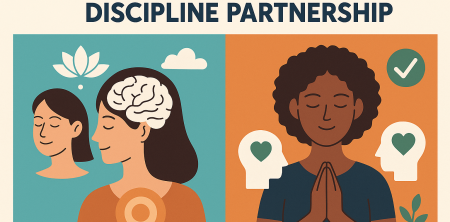
In recent years, the educational landscape has begun to shift, embracing innovative approaches that prioritize the mental and emotional well-being of students. Among these approaches, mindfulness in education and Conscious Discipline have emerged as a powerful duo that promotes not only academic success but also social-emotional development. This partnership addresses the growing need for methods that foster resilience, emotional intelligence, and self-regulation in students. In this article, we'll explore the fundamentals of both mindfulness and Conscious Discipline, how they work together, their practical applications, and their current relevance in today’s education system.
The Foundations of Mindfulness in Education
Let's start by examining what mindfulness in education really entails. Mindfulness is the practice of being present in the moment, intentionally focusing on thoughts and feelings without judgment. In educational settings, mindfulness encourages students to cultivate an awareness of their emotions, thoughts, and physical sensations. This heightened awareness can lead to improved focus, reduced anxiety, and better emotional regulation, all crucial for effective learning.
Schools across the globe have started integrating mindfulness practices into their curricula. Programs often include guided meditation, breathing exercises, and mindful movement activities. For instance, in 2012, a landmark study published in the journal Psychological Science found that mindfulness practices significantly enhanced students’ concentration and cognitive flexibility. As educational institutions recognize these benefits, mindfulness is becoming increasingly prevalent in classrooms.
Understanding Conscious Discipline
Conscious Discipline, developed by Dr. Becky Bailey, is a comprehensive, trauma-informed approach to social-emotional learning, discipline, and self-regulation. It combines social-emotional learning with discipline practices that emphasize safety, connection, and problem-solving. Rather than viewing discipline as punishment, Conscious Discipline teaches that discipline should be an opportunity for teaching and healing.
A core principle of Conscious Discipline is the idea that a child's behavior is a reflection of their emotional state. When students experience stress or trauma, their ability to learn and self-regulate diminishes. Conscious Discipline provides strategies for educators to create a safe and nurturing environment where students can develop the skills necessary to manage their emotions and behaviors. By incorporating these practices, educators can create a classroom atmosphere conducive to learning.
The Intersection of Mindfulness and Conscious Discipline
While mindfulness focuses on present-moment awareness, Conscious Discipline emphasizes emotional regulation and social connections. Together, they create a holistic framework for supporting students’ emotional and social development. Mindfulness practices can enhance the implementation of Conscious Discipline by helping students become more aware of their emotions and reactions, ultimately leading to improved self-regulation.
For instance, when a student feels overwhelmed or anxious, mindfulness techniques such as deep breathing can help them regain focus and calmness. This emotional regulation is essential when applying Conscious Discipline techniques, which may include conflict resolution and communication skills. Thus, integrating mindfulness into Conscious Discipline allows students to respond to challenging situations with greater awareness and intention.
Practical Applications in the Classroom
Implementing mindfulness and Conscious Discipline in the classroom doesn’t have to be daunting. Here are some practical strategies for educators:
- Start the Day with Mindfulness: Begin each class with a short mindfulness exercise. This could be a guided meditation, a few minutes of focused breathing, or a mindfulness walk around the classroom.
- Use Emotion Check-Ins: Incorporate emotional check-ins at the start of the day or after transitions. Encourage students to express how they feel and offer space for discussion if needed.
- Teach Problem-Solving Skills: When conflicts arise, guide students in using Conscious Discipline techniques to address issues constructively. Encourage them to express their feelings and to listen actively.
- Create a Safe Space: Designate a calm corner in the classroom where students can go when they need to regroup. Fill it with mindfulness resources, such as stress balls or calming posters.
- Model Mindfulness: Educators should model mindfulness practices. When teachers remain calm and focused in challenging situations, they set a powerful example for their students.
Benefits of Integrating Mindfulness and Conscious Discipline
The integration of mindfulness and Conscious Discipline offers a wide array of benefits for both students and educators. One significant advantage is the improvement of students' emotional regulation. By practicing mindfulness, students learn to recognize their feelings and develop coping strategies that enable them to manage their emotions effectively.
Another notable benefit is enhanced academic performance. Studies show that students who participate in mindfulness programs demonstrate increased focus and improved memory retention. For example, a study conducted by researchers at the University of Pennsylvania found that mindfulness training can lead to better academic performance, particularly in high-stress environments.
Moreover, creating a positive classroom climate fosters stronger relationships among students and between students and teachers. According to research published in the Journal of Educational Psychology, classrooms that implement social-emotional learning programs have lower instances of bullying and higher levels of student engagement. (See: Mental health in schools.)
Challenges and Considerations
While the benefits are clear, integrating mindfulness and Conscious Discipline into the education system does come with challenges. For one, educators may face time constraints in their already packed schedules. Finding time for mindfulness practices or discussions on social-emotional learning can seem overwhelming.
Furthermore, not all educators feel comfortable facilitating mindfulness exercises or managing emotional discussions. Professional development and training can help bridge this gap. Schools must invest in resources that support teachers in understanding and implementing these practices effectively.
Additionally, resistance from parents or school administrations can pose hurdles. Some may question the importance of mindfulness and social-emotional learning, preferring a more traditional approach. To combat this, educators can share success stories and research findings demonstrating the efficacy of these methods.
Current Trends and Research
The relevance of mindfulness in education and Conscious Discipline has surged in recent years, especially in light of the heightened stress and anxiety caused by the COVID-19 pandemic. Students have faced unprecedented challenges, emphasizing the need for robust emotional support in schools.
Research continues to validate the positive impacts of these practices. A 2021 study published in the journal Mindfulness found that schools implementing mindfulness programs reported reduced stress levels among students and improved teacher-student relationships. This aligns with findings from the Yale Center for Emotional Intelligence, which noted that schools prioritizing emotional intelligence and mindfulness have higher academic achievement rates.
Furthermore, technology is playing a role in the expansion of mindfulness and Conscious Discipline practices. Apps like Headspace and Calm are being adopted by schools as tools for guided mindfulness exercises, making these techniques more accessible to students and educators alike.
Real-Life Success Stories
To better appreciate the impact of mindfulness and Conscious Discipline in education, let’s explore some real-life success stories. One such example is the Mindful Schools program, which has reached over 10,000 children across the U.S. and beyond. Their curriculum, designed for educators, integrates mindfulness practices into daily classroom routines.
Another notable case is the San Francisco Unified School District, which has implemented a district-wide mindfulness initiative. Teachers incorporate mindfulness practices into their lessons, resulting in improved classroom behavior and enhanced student focus. According to the district, incidents of behavioral problems have decreased significantly since the program's inception.
Lastly, the Saugus Union School District in California has successfully integrated Conscious Discipline into their schools. By prioritizing emotional intelligence, the district has noticed a marked improvement in student behavior and overall school climate. Teachers report feeling more connected to their students, fostering a sense of community within the classroom.
Future Directions
As we look to the future, the integration of mindfulness in education and Conscious Discipline will likely continue to evolve. More schools are beginning to recognize the need to prepare students not just academically but also emotionally and socially. This shift aligns with broader educational trends focusing on the whole child approach, which emphasizes the importance of balancing academic learning with the development of interpersonal skills and resilience.
In the coming years, it’s expected that mindfulness training for teachers will become standard practice. Educators equipped with mindfulness techniques can better support their students, leading to a more compassionate and understanding classroom environment. Additionally, the growing body of research supporting these practices may encourage more educational institutions to adopt similar programs.
Another exciting direction is the collaboration between schools and mental health organizations. Partnerships can provide schools with additional resources for implementing mindfulness and Conscious Discipline effectively. These collaborations can enhance teacher training programs and offer workshops for parents, forging a community-wide approach to emotional health. (See: Mindfulness and mental health treatment.)
Mindfulness in Education FAQ
What is mindfulness in education?
Mindfulness in education refers to integrating mindfulness practices into the school curriculum to promote students' mental, emotional, and social well-being. This includes activities that help students focus on the present moment, understand their emotions, and cultivate resilience.
How can mindfulness improve academic performance?
Mindfulness can improve academic performance by enhancing students' focus, memory retention, and emotional regulation. When students are less distracted and better able to manage their stress, they can engage more fully with their learning material.
What is Conscious Discipline?
Conscious Discipline is a comprehensive social-emotional learning and discipline framework that prioritizes safety, connection, and problem-solving over traditional punitive measures. It teaches students how to regulate their emotions and behavior, fostering a nurturing learning environment.
Can mindfulness be practiced in any subject area?
Yes, mindfulness can be incorporated into any subject area. For example, during a science lesson, teachers might include a mindfulness exercise to help students focus before beginning a challenging experiment. In language arts, students can practice mindfulness by reflecting on their emotional responses to different texts.
What are some common mindfulness exercises for students?
Common mindfulness exercises include deep breathing, body scans, guided meditations, mindful walking, and gratitude journaling. These activities help students develop awareness of their thoughts, feelings, and physical sensations.
How can teachers get trained in mindfulness and Conscious Discipline?
Teachers can seek professional development opportunities through workshops, online courses, and conferences focused on mindfulness and Conscious Discipline. Many organizations and educational institutions offer training tailored for educators to implement these practices effectively.
Are there any age restrictions for mindfulness practices in education?
No, mindfulness practices can be adapted for all age groups. Younger children may engage in simpler exercises like breathing techniques or storytelling, while older students can participate in more complex guided meditations or reflective discussions.
Expanding Mindfulness and Conscious Discipline in Education
As the conversation around mindfulness in education continues, educators are discovering innovative ways to expand these practices beyond the classroom. For example, schools are increasingly recognizing the importance of involving parents and the community in mindfulness initiatives. Workshops for parents can teach mindfulness techniques, allowing families to support their children's emotional health at home. This holistic approach creates a consistent environment where mindfulness is not just a school activity but a family value.
Community partnerships can also play a crucial role in enhancing mindfulness education. Local organizations, therapists, and mental health professionals can provide resources and facilitate workshops, training sessions, and mindfulness retreats for educators and students. These collaborations enrich the educational experience, providing a broader support network for both students and teachers.
Statistics Highlighting the Impact of Mindfulness Programs
Research on the efficacy of mindfulness programs in schools has produced some compelling statistics. According to a 2019 review published in the journal Educational Psychology Review, mindfulness interventions in schools led to a significant reduction in anxiety levels among students, with a reported decrease of up to 50% in some cases. Additionally, a meta-analysis encompassing over 100 studies found that mindfulness practices can enhance attention and self-regulation by as much as 30%, showcasing the measurable impact these approaches can have on learning outcomes.
Schools that have implemented mindfulness programs also report notable improvements in classroom behavior. A study conducted by the University of California, Los Angeles (UCLA) revealed that schools with mindfulness programs experienced a 30% reduction in suspensions and office referrals, highlighting mindfulness' potential to foster a positive school climate.
Mindfulness Techniques for Educators
Educators looking to cultivate a culture of mindfulness can incorporate various techniques into their routines. Here are some practical strategies:
- Mindful Transitions: Instead of rushing between activities, take a few moments to pause and engage in a mindfulness practice, such as a quick breathing exercise or a minute of silence.
- Gratitude Journals: Encourage students to keep gratitude journals, where they can regularly reflect on things they are grateful for, promoting a positive mindset and emotional well-being.
- Mindful Storytelling: Incorporate storytelling sessions where students can share personal stories or experiences, fostering emotional connection and empathy among classmates.
- Mindfulness Buddy System: Pair students to practice mindfulness together, providing peer support and accountability in their mindfulness journey.
- Reflection Time: Allocate time at the end of a lesson for students to reflect on what they learned and how they felt, encouraging self-awareness and emotional processing.
Incorporating Mindfulness for Teacher Well-being
It's essential to remember that mindfulness in education is not solely for students. Educators, too, can benefit significantly from mindfulness practices. Teaching is a demanding profession, and educators often experience high levels of stress and burnout. By integrating mindfulness into their routines, teachers can cultivate resilience, reduce stress, and improve their overall well-being.
Simple practices like starting the day with a mindfulness exercise or taking short breaks for deep breathing can help educators maintain a calm and centered presence in the classroom. When teachers model mindfulness, they not only benefit personally but also create a ripple effect, influencing their students to adopt similar practices.
Final Thoughts on Mindfulness in Education
The future of education may very well depend on integrating mindfulness and Conscious Discipline effectively. As more schools recognize the importance of emotional intelligence and mental well-being, these practices will likely become fundamental components of the educational experience.
Ultimately, the partnership between mindfulness and Conscious Discipline embodies a shift toward holistic education. By equipping students with emotional regulation skills and fostering self-awareness, we prepare them not only for academic success but for life beyond the classroom.
As educators, parents, and community members, embracing mindfulness in education and Conscious Discipline is not merely a trend but a necessary evolution of our educational systems. The evidence is clear: when we prioritize emotional well-being alongside academic achievement, we create a nurturing environment where all students can thrive.
```
Trending Now
- Unlocking Social Skills: How Social Pragmatics…
- our breakdown of why students with adhd struggle with pragmatic language skills: 7 key insights
- our breakdown of 7 pragmatics challenges english language learners face that every teacher must understand
- this guide on 9 essential strategies to boost pragmatic language development in preschool
- this guide on unlocking language: the essential differences between pragmatics, semantics, and syntax
Frequently Asked Questions
What is mindfulness in education?
Mindfulness in education involves practices that encourage students to focus on the present moment and cultivate awareness of their thoughts, emotions, and physical sensations. This approach helps improve concentration, reduce anxiety, and enhance emotional regulation, making it a valuable tool for effective learning in schools.
How does Conscious Discipline work?
Conscious Discipline is a trauma-informed approach developed by Dr. Becky Bailey that integrates social-emotional learning with discipline practices. It aims to teach self-regulation and emotional intelligence, providing educators with strategies to foster a safe and supportive learning environment while addressing students' emotional needs.
What are the benefits of combining mindfulness and Conscious Discipline?
Combining mindfulness and Conscious Discipline creates a synergistic effect that promotes emotional intelligence, resilience, and self-regulation in students. This partnership enhances academic success and supports social-emotional development by equipping students with essential skills for managing their emotions and behaviors.
Why is mindfulness becoming popular in schools?
Mindfulness is gaining popularity in schools due to its proven benefits, such as improved focus, reduced anxiety, and better emotional regulation. As educational institutions recognize the importance of mental and emotional well-being, they are increasingly integrating mindfulness practices into their curricula to support student success.
How can schools implement mindfulness practices?
Schools can implement mindfulness practices by incorporating activities such as guided meditation, breathing exercises, and mindful movement into their daily routines. Training for educators and structured programs can also facilitate the integration of mindfulness into the classroom, enhancing students' overall learning experience.
What's your take on this? Share your thoughts in the comments below — we read every one.

