```html
Attention-Deficit/Hyperactivity Disorder (ADHD) affects millions of students across the globe, with significant consequences for their academic journeys. Understanding the impact of ADHD on high school GPA and academic performance is crucial, not just for students diagnosed with this condition, but also for educators, parents, and peers. This article explores the complexities of ADHD and academic performance, examining its implications, challenges, and strategies for success.
Understanding ADHD: What It Is and How It Affects Learning
ADHD is a neurodevelopmental disorder characterized by symptoms of inattention, hyperactivity, and impulsivity. According to the Centers for Disease Control and Prevention (CDC), approximately 6.1 million children aged 2-17 have been diagnosed with ADHD in the United States. Its prevalence emphasizes the importance of understanding how ADHD affects learning and academic success.
Students with ADHD often struggle with organization, time management, and maintaining focus during lectures or while completing assignments. These challenges can manifest in various ways, including difficulty following instructions, procrastination, and underperformance in exams and projects. As a result, ADHD can significantly influence a student's high school GPA and overall academic performance.
The Connection Between ADHD and Academic Performance
Research indicates a strong correlation between ADHD and lower academic achievement, particularly in high school settings. A study published in the journal Learning and Individual Differences revealed that students with ADHD tend to have lower GPAs than their peers without the disorder. This disparity can be attributed to several factors:
- Difficulties with Attention: Students with ADHD may struggle to concentrate during lessons, leading to missed information and a lack of understanding of critical concepts.
- Executive Functioning Challenges: Many students with ADHD face challenges in executive functions, such as planning, organizing tasks, and managing time effectively.
- Impulsivity: Impulsive behaviors can result in hasty decision-making and a lack of thoroughness in completing assignments, which can negatively impact grades.
These elements combine to create an environment where students with ADHD may underperform academically, further exacerbating feelings of frustration and inadequacy.
Statistics: The Impact of ADHD on GPA
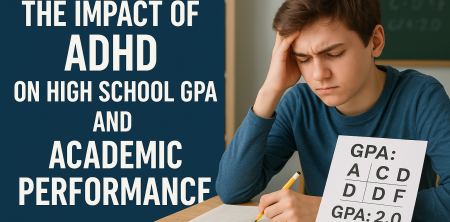
Statistical data sheds light on the extent of ADHD's impact on GPA. A study found that students with ADHD had an average GPA of 2.2, compared to 3.0 for those without ADHD. This GPA disparity reveals a significant gap in academic achievement. Furthermore, students with ADHD are at a higher risk of failing courses and dropping out of high school altogether.
In addition to GPA, ADHD also affects standardized test scores. Research indicates that students with ADHD score lower on assessments such as the SAT and ACT, which are crucial for college admissions. This pattern can limit future educational opportunities and career paths, creating a cycle of academic struggle.
Challenges Faced by Students with ADHD
High school can be particularly challenging for students with ADHD due to the increasing demands of academic rigor, social dynamics, and independence. Some common challenges include:
- Social Interactions: Students may experience difficulty in social situations due to impulsive behaviors or struggles to follow conversations, which can lead to feelings of isolation.
- Increased Workload: As students progress through high school, the academic workload intensifies. Students with ADHD may find it overwhelming to balance multiple assignments, tests, and extracurricular activities.
- Stigma and Misunderstanding: Many students with ADHD face stigma from peers and sometimes even educators who may not fully understand the disorder, leading to feelings of alienation.
These challenges can contribute to a negative feedback loop, where academic struggles lead to lowered self-esteem, further exacerbating academic difficulties.
Support Strategies for Students with ADHD
For students with ADHD, the right support can make a significant difference in academic performance. Here are some effective strategies: (See: CDC ADHD facts and statistics.)
- Individualized Education Plans (IEPs): For eligible students, IEPs can provide tailored accommodations, such as extended time for tests, modified assignments, and access to specialized resources.
- Behavioral Interventions: Techniques such as positive reinforcement and structured routines can help students manage their behavior and enhance focus.
- Technology Aids: Tools such as organizational apps, timers, and reminders can help students stay on track and manage their time effectively.
Implementing these strategies can lead not only to improved academic performance but also boost self-efficacy and motivation among students with ADHD.
The Role of Parents and Educators
Parents and educators play a crucial role in supporting students with ADHD. Open communication between home and school is vital. Here are some effective practices:
- Collaborative Approaches: Parents and teachers should work together to create consistent strategies that support the student across environments.
- Understanding the Disorder: Educators should invest time in learning about ADHD to foster empathy and effectively accommodate students' needs in the classroom.
- Encouraging Self-Advocacy: Teaching students to communicate their needs and seek help can empower them to take charge of their education.
When parents and educators collaborate actively, students with ADHD can thrive academically and socially.
Current Trends in ADHD Research
The landscape of ADHD research is continually evolving, revealing new insights into effective interventions and support strategies. Recent studies are focusing on:
- Neurobiological Insights: Advances in neuroimaging are helping researchers understand the brain differences in individuals with ADHD, paving the way for targeted treatments.
- Longitudinal Studies: Research tracking students with ADHD over time is providing valuable information about their academic trajectories and long-term outcomes.
- Mindfulness and Training Programs: Programs that incorporate mindfulness and cognitive training are showing promise in improving attention and behavior in students with ADHD.
The growing body of research emphasizes the importance of individualized approaches and early intervention, highlighting that understanding ADHD and academic performance is a multifaceted process.
Real-Life Examples of ADHD and Academic Performance
To better illustrate the impact of ADHD on academic performance, consider the stories of two high school students:
Case Study 1: Sarah's Journey
Sarah, a 16-year-old junior, has struggled with ADHD since she was diagnosed in elementary school. Despite her intelligence, she found herself often receiving grades that did not reflect her knowledge. With the help of her school’s counseling department, she received an IEP that included strategies such as extended test time and the use of a quiet room for exams. Additionally, Sarah used organizational apps that helped her keep track of assignments and deadlines. As a result, her GPA increased from 2.5 to 3.4 over two semesters, and she felt more confident in her abilities.
Case Study 2: James' Struggles
James, on the other hand, faced significant challenges without any formal accommodations. He often forgot to turn in assignments and struggled to stay focused in class. With minimal support from his teachers, his GPA hovered around 1.8, leading to frustration and feelings of hopelessness. After speaking with his parents and teachers, James finally received support through an IEP. The changes included regular check-ins with a counselor and strategies to help him manage his workload, which helped him improve his grades significantly.
These contrasting narratives show how vital support systems and understanding can be in helping students with ADHD succeed academically.
Common Misconceptions About ADHD
Misunderstandings about ADHD can hinder support for affected students. Here are a few common myths: (See: National Institute of Child Health and Human Development on ADHD.)
- Myth 1: ADHD is just an excuse for poor behavior or lack of effort.
- Myth 2: All students with ADHD are hyperactive.
- Myth 3: ADHD only affects children and will be outgrown in adulthood.
Clarifying these misconceptions is essential for fostering empathy and support for students with ADHD, ensuring they receive the help they need to succeed.
Creating an ADHD-Friendly Classroom Environment
Classroom settings can be optimized to support students with ADHD. Here are strategies educators can implement:
- Flexible Seating Arrangements: Allowing students to choose seating that works best for their focus can encourage engagement. Options may include standing desks or quiet corners.
- Structured Routines: Establishing consistent daily routines helps students with ADHD know what to expect and reduces anxiety.
- Visual Aids: Incorporating visual schedules and reminders can assist students in understanding tasks and managing their time more effectively.
Creating a supportive environment can transform the academic experience for students with ADHD, making learning more accessible and enjoyable.
Practical Tips for Students with ADHD
Students with ADHD can adopt several strategies to enhance their academic performance:
- Break Tasks into Smaller Steps: Large assignments can feel overwhelming. Breaking them down into manageable chunks can make them more approachable.
- Set Specific Goals: Setting clear, achievable goals helps to maintain focus and motivation.
- Use Timers: Timers can create a sense of urgency and help students remain on task for defined time periods.
Implementing these tips can empower students with ADHD to take control of their learning process and improve their academic outcomes.
FAQs About ADHD and Academic Performance
Q1: Can ADHD affect subjects differently?
A: Yes, students with ADHD may find certain subjects more challenging than others. For example, subjects requiring heavy reading or complex problem-solving might be more difficult due to attention demands.
Q2: Are there specific teaching methods that work best for students with ADHD?
A: Interactive teaching methods, such as hands-on activities, group work, and technology integration, often engage students with ADHD more effectively than traditional lectures.
Q3: How can peers support classmates with ADHD?
A: Peers can support classmates by being understanding, offering help with assignments, and including them in social activities, fostering a sense of community.
Q4: Is medication the only effective treatment for ADHD?
A: No, while medication can be effective for some, many students benefit from behavioral interventions, counseling, and support strategies alongside or instead of medication.
Q5: What role does diet and exercise play in managing ADHD symptoms?
A: A balanced diet and regular physical activity can positively influence attention and mood, helping to manage ADHD symptoms as part of a holistic approach to treatment.
Potential Long-Term Effects of ADHD on Academic Performance
Longitudinal studies indicate that untreated ADHD can have lasting consequences on academic performance. Research shows that individuals with ADHD may face ongoing challenges well into adulthood, affecting their educational attainment and career opportunities. For instance, a report from the National Institutes of Health (NIH) found that adults with ADHD are more likely to change jobs frequently and experience lower job satisfaction, often as a result of difficulties with organization and time management. These factors can stem from the unaddressed ADHD symptoms that originated in childhood.
Innovative Interventions in ADHD Management
Recent research has led to innovative interventions that can significantly enhance the academic performance of students with ADHD. A few noteworthy methods include:
- Virtual Reality (VR) Training: Emerging studies indicate that VR can be used to simulate real-world scenarios that require focus and decision-making, helping students with ADHD improve their attention skills in a controlled and engaging environment.
- Cognitive Behavioral Therapy (CBT): CBT has been shown to help students develop coping strategies for managing ADHD symptoms, improving both their academic performance and emotional well-being.
- Peer Tutoring Programs: Involving peers in tutoring can create a supportive learning environment. Students with ADHD often perform better when a peer explains concepts in relatable terms, enhancing understanding and retention.
Finding the Right Balance: Medication and Lifestyle Changes
Finding the right balance between medication and lifestyle changes is essential for students with ADHD. While medication can be beneficial in managing symptoms, incorporating lifestyle changes such as regular exercise, a healthy diet, and sufficient sleep can significantly improve focus and overall cognitive function. A study published in the Journal of Attention Disorders found that children who engaged in physical activities showed marked improvements in attention and academic performance compared to their sedentary peers. This highlights the need for a holistic approach that includes both pharmacological and non-pharmacological interventions.
Incorporating Parental Involvement: Best Practices for Home and School Collaboration
Parental involvement is critical in supporting a child with ADHD. Best practices for fostering this collaboration include:
- Regular Communication: Establish open lines of communication between parents and teachers to discuss a child's progress, challenges, and strategies that work best.
- Involvement in School Activities: Encouraging parents to participate in school events can create a sense of community and support for their child, reinforcing academic efforts.
- Education on ADHD: Providing parents with resources about ADHD can empower them to advocate effectively for their child's needs.
Conclusion: A Holistic Approach to ADHD and Academic Performance
Addressing the impact of ADHD on high school GPA and academic performance requires a comprehensive approach that involves students, parents, educators, and the broader community. By fostering understanding, implementing supportive strategies, and advocating for individualized education plans, we can create an environment where students with ADHD not only survive but thrive academically.
Ultimately, the goal is to empower these students to harness their unique strengths and talents, enabling them to achieve their fullest potential in their academic journeys and beyond.
```
Trending Now
Frequently Asked Questions
How does ADHD affect academic performance in high school?
ADHD can significantly impact high school academic performance by causing difficulties with attention, organization, and time management. Students may struggle to focus during lessons, leading to misunderstandings of key concepts and ultimately lower GPAs compared to their peers without ADHD.
What are the common challenges faced by students with ADHD?
Students with ADHD commonly face challenges such as inattention, impulsivity, and hyperactivity. These issues can lead to difficulties in following instructions, completing assignments on time, and performing well on exams, thereby affecting their overall academic success.
Is there a link between ADHD and lower GPAs?
Yes, research has shown a strong correlation between ADHD and lower GPAs. Students with ADHD often experience academic challenges that contribute to their underperformance, resulting in GPAs that are typically lower than those of their peers without the disorder.
What strategies can help students with ADHD succeed academically?
To support academic success, students with ADHD can benefit from strategies such as creating structured routines, breaking tasks into smaller steps, using organizational tools, and seeking accommodations like extended time on tests. Collaboration with educators and parents is also essential.
How prevalent is ADHD among high school students?
ADHD affects approximately 6.1 million children aged 2-17 in the U.S., which includes a significant number of high school students. Understanding its prevalence is crucial for addressing the academic challenges these students face and providing appropriate support.
What's your take on this? Share your thoughts in the comments below — we read every one.

