```html
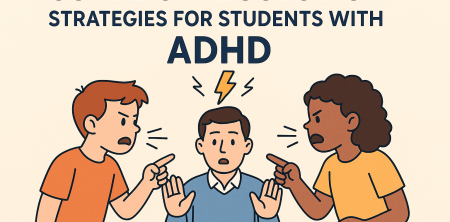
Conflict is a natural part of human interaction, especially in school settings. For students with Attention Deficit Hyperactivity Disorder (ADHD), these conflicts can be more frequent and intense due to their unique challenges in maintaining focus and regulating emotions. It's essential to equip these students with effective ADHD conflict resolution strategies that help them navigate interpersonal disputes constructively. In this article, we will explore comprehensive strategies tailored for students with ADHD, providing practical insights and guidance for parents, educators, and the students themselves.
Understanding ADHD and Its Impact on Conflict
Attention Deficit Hyperactivity Disorder affects millions of children worldwide. According to the CDC, approximately 6.1 million children aged 2-17 have been diagnosed with ADHD at some point in their lives. One of the key characteristics of ADHD is difficulty regulating attention and emotions, which can lead to misunderstandings and conflicts, particularly in social situations. Students with ADHD may struggle with impulsivity, making hasty decisions during disagreements or reacting strongly without considering the consequences.
This impulsivity can exacerbate conflicts, as students may interrupt others or fail to listen fully to opposing viewpoints. Moreover, emotional dysregulation may cause them to feel overwhelmed by anger or frustration, further complicating their ability to resolve conflicts peacefully. Recognizing these challenges is the first step in developing effective ADHD conflict resolution strategies.
Key Elements of Effective Conflict Resolution
Effective conflict resolution involves several key elements that can be particularly beneficial for students with ADHD:
- Active Listening: This means genuinely hearing what the other person is saying and validating their feelings.
- Empathy: Understanding the other person's perspective can help diffuse tension.
- Self-Regulation: Being able to manage one's own emotional responses is crucial for de-escalating conflict.
- Problem-Solving: Collaboratively finding solutions that satisfy everyone involved.
Integrating these elements into the conflict resolution process can empower students with ADHD to handle disputes more effectively.
1. Implementing Active Listening
Active listening is a foundational component of communication that can significantly enhance conflict resolution. For students with ADHD, mastering this skill can take practice, but it's invaluable. Here are some strategies to foster active listening:
- Encourage Eye Contact: Remind students to look at the speaker, which helps focus their attention.
- Summarize What They Hear: Prompt students to repeat back what they understood from the other person. This not only shows they are listening but also helps clarify any misunderstandings.
- Ask Questions: Encourage students to ask open-ended questions that promote deeper understanding.
By practicing active listening, students with ADHD can better appreciate the perspectives of their peers, leading to more constructive conversations and fewer conflicts.
2. Practicing Empathy
Empathy is the ability to understand and share the feelings of others. It plays a crucial role in conflict resolution by fostering connection and understanding. To help students with ADHD develop empathy, consider these strategies:
- Role-Playing: Create scenarios where students can practice putting themselves in someone else's shoes and expressing how they might feel in that situation.
- Discussion of Feelings: Encourage students to talk about their emotions and discuss how others might feel differently in the same situation.
- Storytelling: Use stories, books, or videos that depict various perspectives and emotions to stimulate discussions about empathy.
Through these activities, students can learn to appreciate the nuances of others' feelings, which can ultimately lead to more amicable conflict resolution.
3. Enhancing Self-Regulation Skills
Self-regulation is fundamental in managing emotional responses during conflict. Students with ADHD often find it challenging to control their impulses and emotions, making it essential to teach them effective self-regulation strategies:
- Mindfulness Practices: Techniques such as meditation, deep breathing, or yoga can help students develop awareness of their emotions and learn to respond rather than react.
- Emotion Identification: Teach students to identify and label their emotions. Understanding what they feel can help them manage those feelings more effectively.
- Use of Calm-Down Strategies: Encourage students to develop a personal toolbox of calming techniques they can use when they feel overwhelmed, such as taking a walk, counting to ten, or using a stress ball.
Fostering self-regulation equips students with the tools they need to approach conflicts with a clearer mindset. (See: CDC ADHD statistics and information.)
4. Collaborative Problem-Solving
Once students have developed the skills of active listening, empathy, and self-regulation, they can engage in collaborative problem-solving. This process involves working together to find a mutually agreeable solution:
- Define the Problem: Help students articulate the conflict clearly. What exactly is the issue, and why is it causing a disagreement?
- Explore Solutions: Encourage brainstorming sessions where each party can suggest potential solutions without judgment.
- Agree on a Solution: Once options are identified, guide students in discussing the pros and cons of each solution and reaching a consensus.
This collaborative approach not only resolves the immediate conflict but also builds important teamwork and negotiation skills.
5. Teaching Communication Skills
Effective communication is at the heart of conflict resolution. For students with ADHD, honing these skills can significantly improve their ability to express themselves and understand others. Here are some tips:
- “I” Statements: Teach students to use “I” statements to express their feelings without blaming others, such as “I feel upset when…” instead of “You always…”.
- Practice Non-Verbal Cues: Help students recognize the importance of body language, facial expressions, and tone of voice, both in themselves and in others.
- Encouraging Assertiveness: Teach students to be assertive rather than aggressive when expressing their needs or opinions.
By improving their communication skills, students can better articulate their thoughts and feelings, leading to more successful conflict resolution.
6. Creating a Supportive Environment
Creating an environment that supports conflict resolution is vital for students with ADHD. This environment should promote understanding and patience. Here are some strategies for parents and educators:
- Model Conflict Resolution: Demonstrate healthy conflict resolution techniques in your interactions, showing students how to handle disagreements constructively.
- Establish Clear Expectations: Set clear behavioral expectations for conflict resolution in the classroom or at home, ensuring that students understand acceptable behaviors.
- Provide Positive Reinforcement: Encourage and reward positive conflict resolution behaviors. Acknowledge students when they handle conflicts well.
A supportive environment encourages students to practice their conflict resolution skills without fear of negative consequences.
7. Leveraging Technology for Conflict Resolution
Technology can serve as a powerful tool in teaching and reinforcing ADHD conflict resolution strategies. Here are some innovative ways to leverage technology:
- Apps for Mindfulness: Utilize mindfulness apps like Calm or Headspace to help students practice self-regulation techniques.
- Online Role-Playing Games: These can simulate conflict scenarios, allowing students to practice their skills in a safe environment.
- Video Resources: Use educational videos that depict conflict resolution techniques or showcase scenarios that require resolution.
By integrating technology, educators can make learning about conflict resolution engaging and accessible for students with ADHD.
8. Seeking Professional Support
Sometimes, conflicts can be deeply rooted and require additional support. It's essential for parents and educators to recognize when professional intervention may be beneficial:
- Counseling: A school counselor or therapist can provide individualized support and strategies tailored to a student’s specific needs.
- Educational Workshops: Schools can host workshops focused on emotional intelligence and conflict resolution, engaging both students and parents.
- Peer Mediation Programs: Establishing peer mediation programs offers students a structured way to resolve conflicts with the assistance of trained peers.
Professional support can provide additional resources and perspectives that enrich students' ability to resolve conflicts effectively.
9. Building Conflict Resolution Skills Through Extracurricular Activities
Extracurricular activities can provide students with ADHD opportunities to practice conflict resolution in a structured environment. These activities often involve teamwork and require communication and collaboration, making them ideal for developing conflict resolution skills. Here are a few examples:
- Team Sports: Participation in team sports such as soccer, basketball, or volleyball encourages students to work together toward a common goal. They learn to navigate disagreements on the field, which translates into better conflict resolution skills off the field.
- Theater and Drama: Engaging in theater helps students express emotions and understand different perspectives. Role-playing various characters can enhance empathy and improve their ability to communicate during conflicts.
- Student Government: Being involved in student government allows students to participate in discussions about school policies and initiatives. They learn to voice their opinions while also considering others’ ideas, which is crucial for resolving conflicts.
Encouraging participation in these activities fosters an environment where students can practice conflict resolution skills in real-world situations.
10. Utilizing Mindfulness and Relaxation Techniques
Mindfulness and relaxation techniques can also aid in managing conflicts. By incorporating these practices into their daily routines, students can develop a greater awareness of their thoughts and emotions. Here are some techniques to consider: (See: NIH resources on ADHD.)
- Guided Imagery: Teach students to visualize a peaceful place or a calm situation when they feel overwhelmed. This technique helps them distance themselves from the immediate conflict and lowers their anxiety levels.
- Breathing Exercises: Simple breathing exercises, such as inhaling for a count of four, holding for four, and exhaling for four, can help students regain composure during conflicts.
- Journaling: Encourage students to keep a journal where they can express their thoughts and feelings. Writing can help them process their emotions and reflect on conflicts they face.
These mindfulness practices can significantly improve self-regulation, enabling students to respond more calmly and effectively to conflicts.
11. Family Involvement in Conflict Resolution
Family involvement plays a crucial role in reinforcing conflict resolution strategies at home. Parents and caregivers can create an open dialogue about conflicts and encourage children to express their feelings. Here are some approaches to enhance family involvement:
- Regular Family Meetings: Hold weekly family meetings to discuss any conflicts that may have arisen during the week. This structured setting allows everyone to voice their concerns and come up with solutions together.
- Teach Conflict Resolution at Home: Parents can model conflict resolution strategies in their interactions, showing children how to handle disagreements constructively.
- Encourage Sibling Discussions: If there are siblings, encourage them to resolve their conflicts independently with guidance when necessary. This can promote negotiation and problem-solving skills.
When families work together to resolve conflicts, children learn that disagreements are a normal part of relationships and can be addressed healthily.
12. Monitoring Progress and Celebrating Success
Tracking a student's progress in developing conflict resolution skills can be motivating and beneficial. Here are some ways to monitor and celebrate their achievements:
- Set Goals: Help students set specific, measurable goals related to their conflict resolution skills. This could include practicing active listening or using “I” statements during disagreements.
- Reflect on Experiences: Encourage students to reflect on their conflict resolution experiences. Discuss what worked well and what could improve in future interactions.
- Celebrate Successes: Acknowledge and celebrate when students successfully navigate conflicts using the strategies they’ve learned. This could be through verbal praise, small rewards, or special recognition.
Recognizing progress reinforces the importance of conflict resolution skills and encourages students to continue developing them.
FAQ About ADHD Conflict Resolution Strategies
What are ADHD conflict resolution strategies?
ADHD conflict resolution strategies are tools and techniques specifically designed to help individuals with ADHD effectively manage and resolve interpersonal conflicts. These strategies focus on enhancing communication, empathy, self-regulation, and collaborative problem-solving.
How can active listening help students with ADHD in conflicts?
Active listening helps students with ADHD focus on the speaker and understand their perspective, reducing misunderstandings and promoting effective communication. This skill allows them to respond more thoughtfully rather than react impulsively.
Can mindfulness techniques really improve conflict resolution skills?
Yes, mindfulness techniques can significantly improve conflict resolution skills by helping students become more aware of their emotions and reactions during conflicts. This awareness can prevent impulsive responses and lead to more thoughtful and constructive interactions.
How can parents support their children in developing conflict resolution skills?
Parents can support their children by modeling effective conflict resolution behaviors, discussing conflicts openly, setting up family meetings, and encouraging their children to express their feelings and practice problem-solving skills.
Are there specific activities to practice conflict resolution skills?
Yes, activities such as role-playing, team sports, participating in student government, and engaging in group discussions can provide practical opportunities for students to practice and enhance their conflict resolution skills.
What if a child struggles with self-regulating during conflicts?
If a child struggles with self-regulation, it may be helpful to teach them specific calming techniques, such as deep breathing or using a stress ball. Additionally, working with a counselor or therapist can provide individualized strategies to improve emotional regulation.
How do collaborative problem-solving techniques benefit students with ADHD?
Collaborative problem-solving allows students with ADHD to actively participate in finding solutions to conflicts, which fosters teamwork, enhances communication skills, and provides them with a sense of ownership over the resolution process.
13. The Role of Educators in Conflict Resolution
Educators play a significant role in teaching and reinforcing conflict resolution strategies. By creating a classroom environment that prioritizes understanding and respect, teachers can help students with ADHD learn these essential skills. Here are some ways educators can facilitate conflict resolution:
- Teach Social Skills: Incorporating social skills training into the curriculum can help students learn how to interact positively with peers, reducing the likelihood of conflicts.
- Establish Clear Rules: Setting clear classroom rules regarding behavior and conflict resolution can help students understand expectations and consequences, providing a framework for their interactions.
- Create Opportunities for Teamwork: Group projects and cooperative learning activities can give students a chance to practice conflict resolution skills in a structured setting.
By actively engaging students in conflict resolution lessons, educators can help them build the skills necessary to navigate their social landscapes successfully.
14. Building Strong Peer Relationships
Strong peer relationships are crucial for students with ADHD. Positive friendships not only provide support during conflicts but also serve as a foundation for healthy social interactions. Here are some strategies to foster strong peer relationships:
- Encourage Team Activities: Activities like sports, clubs, or group volunteering can help students bond over shared interests, building friendships that can withstand conflicts.
- Teach Conflict Resolution within Friendships: Encourage students to practice conflict resolution strategies with friends, reinforcing their skills in a supportive environment.
- Promote Inclusion: Create an inclusive atmosphere in the classroom where all students feel valued and accepted. This can reduce feelings of isolation, which often lead to conflicts.
By focusing on building strong peer relationships, students with ADHD will have a solid support network to draw on during challenging times.
15. Encouraging Self-Reflection
Self-reflection is a powerful tool for personal growth and conflict resolution. By encouraging students to reflect on their behaviors and conflicts, they can gain insights into their actions and decision-making processes. Here are some ways to promote self-reflection:
- Journaling: Encourage students to maintain a journal where they document conflicts, their feelings, and the resolutions they reached. This practice can help them identify patterns and areas for improvement.
- Post-Conflict Discussions: After a conflict, take time to discuss what happened, how it was handled, and what could be done differently next time. This helps reinforce the lessons learned.
- Goal Setting: Help students set personal goals related to conflict resolution, encouraging them to assess their progress regularly.
Through self-reflection, students can develop a greater understanding of themselves, leading to more effective conflict resolution in the future.
Conclusion: Empowering Students with ADHD
Conflict resolution is an essential life skill, particularly for students with ADHD who may face unique challenges in this area. By implementing these effective ADHD conflict resolution strategies, educators and parents can empower students with the tools they need to handle disagreements constructively. As students learn to navigate conflicts with empathy, self-regulation, and effective communication, they not only improve their relationships but also foster a more harmonious learning environment. The journey toward mastering conflict resolution will undoubtedly benefit them throughout their lives, equipping them to face challenges with confidence and resilience.
```
Trending Now
Frequently Asked Questions
What are effective conflict resolution strategies for students with ADHD?
Effective conflict resolution strategies for students with ADHD include active listening, empathy, and self-regulation. These strategies help students manage impulsivity and emotional responses, allowing them to navigate conflicts more constructively. Teaching these skills can significantly improve their interactions and reduce misunderstandings.
How does ADHD affect conflict resolution in children?
ADHD can impact conflict resolution in children by making it difficult for them to regulate attention and emotions. Students with ADHD may struggle with impulsivity, leading to hasty decisions during disagreements, which can exacerbate conflicts. Understanding these challenges is crucial for developing effective resolution strategies.
Why is active listening important for students with ADHD?
Active listening is vital for students with ADHD as it helps them genuinely hear and validate others' feelings during conflicts. This practice can reduce misunderstandings and foster empathy, enabling them to respond more thoughtfully rather than impulsively, which is often a challenge for those with ADHD.
What role does empathy play in resolving conflicts for students with ADHD?
Empathy plays a crucial role in resolving conflicts for students with ADHD by allowing them to understand and appreciate others' perspectives. This understanding can help diffuse tension and promote cooperation, making it easier for students to navigate interpersonal disputes effectively.
How can parents help their ADHD children with conflict resolution?
Parents can assist their ADHD children with conflict resolution by teaching them strategies like active listening, empathy, and self-regulation. Role-playing scenarios and providing guidance on managing emotions can also empower children to handle conflicts more constructively, improving their social interactions.
What did we miss? Let us know in the comments and join the conversation.

