```html
The International Baccalaureate (IB) program has gained immense popularity among high school students around the globe. Offering a rigorous curriculum that emphasizes critical thinking, global awareness, and intercultural understanding, the IB program is more than just an academic track; it’s a stepping stone to higher education opportunities and personal growth. As students and parents consider enrollment, one key question emerges: what are the IB program GPA requirements? Understanding these requirements is essential for aspiring IB students and their families.
What is the International Baccalaureate Program?
Founded in 1968, the International Baccalaureate Organization (IBO) has developed a series of educational programs aimed at fostering a global perspective among students. The IB program consists of four main educational offerings:
- Primary Years Program (PYP) for ages 3 to 12
- Middle Years Program (MYP) for ages 11 to 16
- Diploma Program (DP) for ages 16 to 19
- Career-related Program (CP) for ages 16 to 19
This article primarily focuses on the IB Diploma Program, the most widely recognized component of the IB framework. The DP is designed to prepare students for university-level education and beyond by offering a challenging curriculum that includes six subject areas, a core curriculum consisting of the Theory of Knowledge (TOK), the Extended Essay (EE), and Creativity, Activity, Service (CAS).
Understanding GPA in the Context of the IB Program
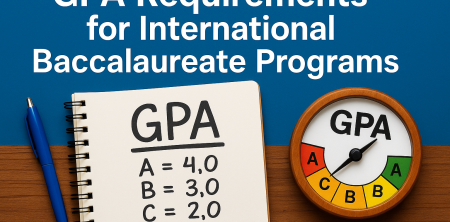
Grade Point Average (GPA) is a standardized measurement used to evaluate a student's academic performance. In many educational systems, it’s expressed as a number on a scale, typically ranging from 0.0 to 4.0. However, the IB program employs a unique grading scale for its courses, influencing how GPAs are calculated for students enrolled in the program.
The IB grading system assigns numerical values from 1 to 7 for each subject, with 7 being the highest. This scale is crucial for students aiming to meet the GPA requirements for IB programs. It’s essential to understand how these grades translate into GPA calculations, as traditional GPA scales may differ significantly from the IB system.
The Importance of GPA in the IB Program
Achieving a strong GPA in the IB program is pivotal for several reasons. First, it significantly impacts college admissions. Many universities consider GPA as a primary criterion for acceptance, especially competitive institutions. Additionally, a higher GPA can influence scholarship opportunities, as many organizations offer financial assistance based on academic performance.
Moreover, a solid GPA can reflect a student’s ability to handle rigorous coursework, which is a hallmark of the IB program. This perception may provide an edge over peers from non-IB backgrounds when applying to universities.
Typical GPA Requirements for IB Programs
While specific GPA requirements can vary by school and region, most IB programs have a general expectation for students to maintain a minimum GPA. The typical range of GPA requirements for entering the IB program often falls between 2.0 to 3.5 on a 4.0 scale, although some programs may set higher thresholds. For instance, schools with a highly competitive IB program may require a GPA of 3.0 or above.
It’s also essential to consider that the GPA expectations may differ based on the student’s grade level. For example, a student entering the DP in their junior year might face different GPA prerequisites than a freshman entering the MYP program. As a rule of thumb, students should consult their specific school's IB coordinator or program handbook for precise requirements.
How to Calculate Your IB GPA
Calculating your GPA in the context of the IB program involves a few steps. First, convert your IB grades into the corresponding numerical values. Each grade from the IB program translates to a specific point value. Then, use the following formula to compute your GPA:
- Add the points from all enrolled subjects.
- Divide the total by the number of subjects taken.
For example, if a student receives grades of 6, 5, 4, 7, 3, and 6 in their six IB courses, the calculation would be: (See: International Baccalaureate overview.)
(6 + 5 + 4 + 7 + 3 + 6) / 6 = 5.2
This means the student has a GPA of 5.2, which is typically considered a solid performance within the IB program framework.
Comparing IB GPAs with Other Programs
When discussing IB program GPA requirements, it’s useful to compare them with other high school programs, such as Advanced Placement (AP) or A-levels. While each program maintains its own grading scale, understanding these differences can help students make informed decisions about their educational paths.
For instance, the AP program uses a 5-point scale, while traditional high school GPAs are calculated on a 4-point scale. The IB program’s 7-point scale allows for a wider range of evaluation, which some argue provides a better representation of a student’s academic capabilities.
Moreover, when applying to colleges, admissions boards often consider IB students as having undertaken a more challenging curriculum than their AP or standard high school counterparts. This perception can sometimes translate into a more favorable evaluation of their GPA, especially if it’s accompanied by additional insights into the student’s commitment to rigorous academic endeavors.
Challenges and Strategies for Maintaining GPA in the IB Program
Maintaining a strong GPA while enrolled in the IB program can be challenging, given the intellectual rigor and time commitments involved. Students must balance coursework, assignments, and extracurricular activities, which can sometimes lead to stress and burnout. Here are some practical strategies to help students succeed:
- Time Management: Developing effective time management skills is crucial. Students should create a schedule that allocates specific times for studying, completing assignments, and participating in CAS activities. Utilizing tools such as planners or digital calendars can help keep track of deadlines.
- Study Groups: Collaborating with peers can enhance understanding of complex subjects. Forming study groups allows students to share knowledge, resources, and support, making the learning process more engaging and effective.
- Seek Support: Don’t hesitate to reach out for help. Whether it’s asking teachers for clarification or utilizing tutoring services, seeking support can provide the necessary assistance to overcome challenging topics.
- Self-Care: Balancing academics with personal well-being is vital. Students should prioritize self-care activities, such as exercise, hobbies, and relaxation, to prevent burnout.
By implementing these strategies, students can enhance their performance and maintain a GPA that meets or exceeds the IB program requirements.
Current Relevance of IB Program GPA Requirements
The significance of GPA requirements in the IB program remains high in the current educational landscape. As universities increasingly emphasize the importance of holistic admissions processes, a student’s GPA continues to play a pivotal role in determining acceptance rates. In addition to GPA, admissions committees also consider extracurricular activities, personal statements, and letters of recommendation, but academic performance remains a foundational component of the application.
Moreover, the global shift towards remote and hybrid learning environments due to the COVID-19 pandemic has led to increased competition among students. With more individuals opting for the IB program, maintaining a strong GPA has become even more critical for standing out in college applications.
Real-World Implications of IB Programs
Enrolling in an IB program can have lasting implications for students, both academically and personally. Research shows that students who complete the IB Diploma Program are often better prepared for the rigors of college coursework. They tend to exhibit stronger time-management skills, critical thinking abilities, and a greater sense of community engagement.
Many universities recognize the challenges inherent in the IB program and may offer college credit for high scores in IB examinations. This can provide a significant financial advantage, allowing students to save on tuition while also reducing their course load in college.
Additionally, the international recognition of the IB program allows students to explore educational opportunities worldwide, making them more attractive candidates for universities both in their home countries and abroad.
Frequently Asked Questions (FAQs)
What is the minimum GPA requirement for the IB Diploma Program?
The minimum GPA requirement for the IB Diploma Program typically ranges from 2.0 to 3.5, depending on the school. However, it’s best to check directly with the specific institution for their exact criteria. (See: Education and health resources.)
How does the IB grading scale affect my GPA?
The IB grading scale ranges from 1 to 7, with 7 being the highest. This scale can yield higher GPAs compared to traditional systems as the highest grades correspond to higher points. Understanding this can alleviate concerns about GPA calculations.
Can I still apply to colleges with a low IB GPA?
Yes, you can still apply to colleges with a lower GPA; however, it may have an impact on your admission chances, especially at competitive universities. It's important to highlight other strengths in your application, such as extracurricular activities and personal statements.
Are there any benefits of having an IB diploma aside from GPA?
Absolutely! The IB diploma is recognized internationally, often giving students an advantage in college admissions. It also helps develop critical thinking, research skills, and a global perspective, which are highly valued in higher education and the workforce.
How can I improve my GPA in the IB program?
Improving your GPA in the IB program can be achieved by managing your time effectively, seeking help when needed, creating a strong study routine, and taking advantage of available resources like study groups and tutoring.
What universities recognize the IB program?
Many universities worldwide recognize the IB program, including prestigious institutions like Harvard, MIT, University of Cambridge, and University of Toronto. Recognition can vary by country, so it's wise to check with the specific universities you’re interested in.
Future Trends in IB Program Admissions
As the education landscape continues to evolve, the relevance of GPA requirements in the IB program is likely to change as well. With universities increasingly adopting holistic admissions processes, we might see a shift where GPA is one of many factors considered. In addition to GPA, admissions committees are focusing on personal growth, resilience, and the ability to overcome challenges — traits that IB students often exemplify.
The integration of technology in education, along with the rise of alternative learning paths such as online platforms and dual enrollment programs, could also influence how GPA is assessed in the future. As more students take control of their learning through diverse avenues, institutions may begin to look beyond traditional GPA scores to assess a student's potential fully.
The IB Program in Different Countries
The IB program is offered globally, but its implementation and the associated GPA requirements can vary significantly from one country to another. For instance, in the United States, the emphasis on GPA in college admissions is very strong, leading many schools to establish higher GPA requirements for IB enrollment. Conversely, in countries like the Netherlands, GPA may not hold as much weight, as universities often consider the totality of the student's profile, including personal statements and interviews.
In some Asian countries, where education systems are traditionally rigorous, the IB program is becoming increasingly popular. Here, schools may set higher GPA benchmarks for IB candidates, reflecting the competitive nature of academic admissions in those regions.
Furthermore, the recognition of IB diplomas can differ; in some European countries, it is highly regarded and may even allow students to bypass certain entry requirements for universities, while in others, it may require additional assessments. Students should be proactive in understanding how the IB program aligns with local educational expectations and college admissions processes.
The Role of Parental Guidance in IB Success
Parental support plays a crucial role in a student's success in the IB program. Parents can help create an environment that promotes academic achievement by encouraging good study habits and providing resources for learning. This might include setting up a quiet study space, minimizing distractions, or even providing access to tutoring services when needed.
Open communication about the challenges and demands of the IB program can also help students feel supported. Parents should actively engage with their children about their coursework, deadlines, and emotional well-being during the program.
Research indicates that students with supportive parents are more likely to perform well academically. Therefore, parental involvement can be a significant factor in meeting those GPA requirements and succeeding in the IB program.
Tips for Teachers to Support IB Students
Teachers have a significant responsibility in helping students navigate the challenges of the IB program. Here are some effective strategies teachers can utilize:
- Interactive Learning: Employ teaching methods that promote engagement through discussions, group projects, and real-world applications of concepts. This can help students retain information better and improve their overall academic performance.
- Regular Feedback: Provide timely and constructive feedback on assignments and assessments. This helps students understand their strengths and areas for improvement, allowing them to adjust their study habits accordingly.
- Encourage Resource Utilization: Direct students to various resources, including online databases, libraries, and tutoring centers. Encouraging the use of these resources can help them grasp difficult concepts and improve their grades.
- Foster a Supportive Classroom Environment: Create a classroom culture where students feel comfortable asking questions and seeking assistance. A supportive atmosphere can enhance student confidence and willingness to strive for higher grades.
Long-term Benefits of Completing the IB Program
Completing the IB program provides numerous long-term benefits beyond immediate GPA implications. Graduates often find that the skills they develop during their studies — such as analytical thinking, effective communication, and research proficiency — serve them well in higher education and their future careers.
Statistics suggest that IB graduates perform better in college than their non-IB peers. Studies indicate that IB students have a higher likelihood of completing their degrees on time and achieving higher GPAs in college. Additionally, the preparation for university-level work that the IB program provides often translates to increased confidence and resilience in facing academic challenges.
Employers also recognize the value of an IB diploma. Many seek candidates who have demonstrated the ability to think critically and work collaboratively, skills that are central to the IB curriculum. Thus, completing the IB program can enhance job prospects and career advancement opportunities.
Conclusion: Navigating the IB Program GPA Requirements
Understanding the GPA requirements for the IB program is crucial for students and families considering this challenging yet rewarding educational pathway. With varying requirements across schools and regions, prospective students must research and familiarize themselves with the specific expectations of their chosen institutions. By maintaining a strong GPA and utilizing effective strategies, students can thrive within the IB program and set themselves up for success in higher education and beyond.
Whether you’re a student, a parent, or an educator, recognizing the importance of GPA in the context of the IB program is key to navigating the academic journey effectively. With careful planning, support, and dedication, you can not only meet the IB program GPA requirements but also excel in this enriching academic experience.
```
Trending Now
Frequently Asked Questions
What is the GPA requirement for the International Baccalaureate program?
The GPA requirements for the International Baccalaureate (IB) program can vary by school, but generally, a GPA of 3.0 or higher on a 4.0 scale is often recommended for admission into the IB Diploma Program. It's essential to check specific school guidelines for exact requirements.
How is GPA calculated in the IB program?
In the IB program, GPA is calculated using a unique grading scale where each subject is assigned a numerical value from 1 to 7. Schools may then convert these scores into a GPA on a 4.0 scale, depending on their policies. This conversion can affect how students' academic performances are evaluated.
What are the benefits of the International Baccalaureate program?
The International Baccalaureate program offers numerous benefits, including a rigorous curriculum that fosters critical thinking and global awareness. It prepares students for university-level education and enhances their college applications by demonstrating a commitment to academic excellence and intercultural understanding.
Is the IB program worth it for high school students?
Yes, the IB program is often considered worth it for high school students due to its challenging curriculum and the potential for university credit. It equips students with valuable skills in research, writing, and critical thinking, which are beneficial for higher education and future careers.
What subjects are included in the IB Diploma Program?
The IB Diploma Program includes six subject areas: one from each of the following categories—Language and Literature, Language Acquisition, Individuals and Societies, Sciences, Mathematics, and The Arts. Additionally, it has a core curriculum that consists of Theory of Knowledge (TOK), the Extended Essay (EE), and Creativity, Activity, Service (CAS).
What did we miss? Let us know in the comments and join the conversation.

