```html
Understanding Mindfulness and Its Importance
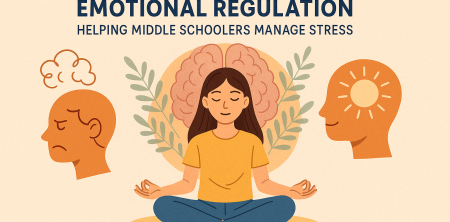
Mindfulness isn’t just a trendy buzzword; it’s a practice rooted in ancient traditions that has gained significant traction in modern psychology. At its core, mindfulness involves paying attention to the present moment without judgment. This practice enhances emotional regulation and helps individuals manage stress effectively. For middle schoolers, a period marked by rapid development and fluctuating emotions, incorporating mindfulness into their routine can be particularly beneficial.
The Unique Stressors Facing Middle Schoolers
Middle school can feel like navigating a minefield for many adolescents. This stage is characterized by numerous challenges, including academic pressure, social dynamics, and the onset of puberty. According to a survey by the National Institute of Mental Health, approximately 31.9% of adolescents aged 13-18 experience anxiety disorders. The emotional turbulence during these years can lead to stress that significantly impacts their academic performance and overall well-being.
Middle schoolers are also grappling with identity formation and peer acceptance. The pressure to fit in can be overwhelming, and any perceived shortcomings can lead to anxiety and low self-esteem. These stressors make it essential for educators and parents to explore effective tools that can help young teens cultivate resilience and emotional regulation.
What Is Emotional Regulation?
Emotional regulation refers to the ability to manage and respond to emotional experiences effectively. It involves recognizing one’s emotions, understanding their causes, and implementing strategies to cope with them. For middle schoolers, mastering emotional regulation is crucial as it allows them to handle stressors in healthier ways.
Research shows that adolescents with strong emotional regulation skills tend to perform better academically and enjoy healthier relationships. In contrast, those lacking these skills may struggle with impulsivity and may resort to maladaptive coping mechanisms, such as substance abuse or withdrawal from social interactions. This highlights the necessity of integrating emotional regulation into their daily lives.
The Connection Between Mindfulness and Emotional Regulation
Mindfulness plays a pivotal role in enhancing emotional regulation. When middle schoolers practice mindfulness techniques, they become more aware of their thoughts and feelings. This awareness fosters a sense of control over their emotional responses. Studies have shown that even brief mindfulness interventions can lead to significant improvements in emotional regulation among adolescents.
For instance, a study published in the journal Child and Adolescent Mental Health found that students who engaged in mindfulness practices reported lower levels of anxiety and increased emotional regulation. These practices not only provide immediate relief from stress but also equip students with lifelong skills for managing their emotions.
Practical Mindfulness Techniques for Middle Schoolers
Incorporating mindfulness into the everyday lives of middle schoolers doesn’t have to be complicated. Here are several effective techniques that educators and parents can introduce:
- Mindful Breathing: Encourage kids to take deep breaths, focusing on the sensation of the air entering and leaving their bodies. This simple practice can help ground them during moments of stress.
- Body Scans: Have students lie down and focus on different parts of their bodies, releasing tension as they go. This technique promotes relaxation and bodily awareness.
- Gratitude Journaling: Encourage them to write down three things they are grateful for each day. This practice can shift their focus from stressors to positive aspects of their lives.
- Mindful Walking: Take walks outdoors, encouraging students to pay attention to their surroundings, including sounds, sights, and smells. This can be a refreshing break from the classroom.
- Guided Imagery: Use visualization techniques to help them imagine a calm, safe place. This can be particularly useful before tests or during stressful situations.
Creating a Mindfulness Routine
Establishing a consistent mindfulness routine can significantly enhance its effectiveness. Here’s how parents and educators can help middle schoolers build this routine:
Start Small: Begin with just a few minutes of mindfulness practice each day, gradually increasing the duration as comfort grows. This could be as simple as a five-minute session at the start or end of the school day.
Incorporate Mindfulness into Daily Activities: Encourage middle schoolers to practice mindfulness during everyday tasks, such as eating or walking, by focusing entirely on the experience at hand. (See: National Institute of Mental Health statistics.)
Utilize Technology: Many apps and online resources are available, offering guided mindfulness sessions tailored for younger audiences. Apps like Headspace and Calm provide age-appropriate exercises.
Be Supportive: Parents and educators should lead by example, practicing mindfulness themselves. This not only shows kids the importance of mindfulness but also provides a support system.
Mindfulness in the Classroom
Integrating mindfulness strategies into the classroom can foster a positive learning environment. Educators can create a culture of mindfulness by incorporating short mindfulness exercises into the daily schedule. For example, starting a class with a minute of silence for mindful breathing can help students transition into a learning mindset.
Some schools have even implemented mindfulness programs as part of their curriculum, recognizing its potential to improve focus and reduce behavioral issues. A study by the University of California found that schools implementing mindfulness programs reported a decrease in stress levels among students and improvements in emotional regulation.
The Role of Parents in Promoting Mindfulness
Parents play a critical role in encouraging mindfulness practices. Engaging in mindfulness activities as a family can create a supportive environment that reinforces these skills. Simple actions like practicing mindful eating at dinner or discussing daily gratitude can foster an atmosphere of mindfulness at home.
Moreover, parents can educate themselves about the benefits of mindfulness and emotional regulation. By understanding how these practices can positively impact their children, they can provide better support and guidance.
Challenges and Solutions
While introducing mindfulness for middle schoolers can be immensely beneficial, it’s not without challenges. Some students may resist mindfulness practices, viewing them as unnecessary or boring. To counter this, it’s essential to make mindfulness engaging. Using fun activities, such as games or creative arts, can capture their interest.
Another challenge is the misconception that mindfulness is a quick fix for stress. In reality, it takes consistent practice to yield significant benefits. Setting realistic expectations and celebrating small victories can help maintain motivation among students.
The Long-Term Benefits of Mindfulness
The long-term benefits of integrating mindfulness for middle schoolers are profound. As students develop these skills, they are better equipped to handle future stressors, whether in high school, college, or their professional lives. They develop resilience, emotional intelligence, and improved interpersonal skills that are invaluable in today’s fast-paced world.
Research indicates that students who practice mindfulness regularly report higher levels of academic achievement, improved relationships with peers, and lower incidences of anxiety and depression. This illustrates that the investment in mindfulness during the middle school years can pay dividends throughout their lives.
Mindfulness Techniques Tailored for Different Learning Styles
One size doesn’t fit all when it comes to mindfulness practices, especially for middle schoolers who may have different learning styles. Here’s how to tailor mindfulness techniques to various preferences:
- Visual Learners: Encourage techniques like guided imagery, where students visualize peaceful places. They can also use coloring books or mandalas as a form of meditative practice.
- Auditory Learners: Use guided meditations or mindfulness podcasts specifically designed for younger audiences. Listening to calming music while practicing deep breathing can also be effective.
- Kinesthetic Learners: Incorporate movement into mindfulness practices, like yoga or mindful walking. These students may benefit from activities that engage their bodies as well as their minds.
- Reading/Writing Learners: Journaling is an excellent way for these students to express their thoughts and feelings. Encourage them to write about their mindfulness experiences or create poems based on their emotions.
The Impact of Mindfulness on Academic Performance
There’s a growing body of research linking mindfulness practices to improved academic performance. Studies indicate that students who engage in mindfulness exercises show enhanced concentration, memory retention, and overall cognitive function. For example, a report from the American Educational Research Association revealed that mindfulness practices led to improved test scores and classroom behavior among middle school students. (See: CDC resources on youth mental health.)
Mindfulness can also help students develop a growth mindset—a belief that their abilities can improve with effort and persistence. This mindset is crucial for academic success, as it encourages resilience in the face of challenges and a willingness to try new strategies when faced with difficulties.
Mindfulness and Social Dynamics
Social interactions can be particularly stressful for middle schoolers, who are often navigating complex peer relationships. Mindfulness can help them develop empathy and compassion, crucial skills for building healthy friendships. When students practice being present and attentive to their emotions and the emotions of others, they’re more likely to respond with kindness and understanding.
Additionally, mindfulness can reduce instances of conflict among peers. By promoting emotional awareness, mindfulness helps students identify triggers and manage their reactions, leading to more constructive conversations and resolutions. Schools that have implemented mindfulness programs have reported a decrease in bullying incidents, showcasing the positive impact of mindfulness on social dynamics.
Implementing Mindfulness Programs in Schools
For schools looking to incorporate mindfulness practices, several strategies can be effective. First, professional development for teachers is crucial. Educators should receive training on mindfulness techniques so they can effectively teach these practices. Workshops or seminars led by mindfulness experts can equip teachers with the necessary skills and knowledge.
Additionally, schools can create a dedicated mindfulness curriculum. This could include weekly sessions where students learn about mindfulness concepts and practice techniques. Incorporating mindfulness into subjects like health education can also foster broader discussions about well-being and mental health.
Collaboration with parents is another vital component. Schools can host informational sessions for parents to explain the benefits of mindfulness and how they can support their children at home. Creating a community around mindfulness can enhance its impact and sustainability.
Research on Mindfulness for Adolescents
Numerous studies have investigated the effects of mindfulness on adolescents, specifically in school settings. A meta-analysis published in Psychological Bulletin found that mindfulness interventions significantly improve mental health outcomes, including reduced anxiety and depression in adolescents. The analysis highlighted that even short, structured mindfulness programs could have lasting psychological benefits.
Another study conducted by researchers at the University of Massachusetts revealed that students participating in a mindfulness program showed significant improvements in emotional regulation and attention span compared to those who did not participate. These findings underline the importance of integrating mindfulness into educational settings to support students' mental health and academic performance.
FAQ: Mindfulness for Middle Schoolers
What age is appropriate to start practicing mindfulness?
While middle school is an excellent time to start, mindfulness can be introduced as early as elementary school. Young children can engage in simple breathing exercises or mindful play.
How long should mindfulness sessions last for middle schoolers?
Short, regular sessions of 5-10 minutes are ideal for middle schoolers. As they become more comfortable, you can gradually increase the duration.
Can mindfulness help with academic performance?
Yes, numerous studies have shown a positive correlation between mindfulness practices and improved academic performance, as they enhance focus, memory, and emotional regulation.
What if my child finds mindfulness boring?
It’s essential to keep mindfulness engaging. Use creative methods, such as mindfulness games or arts, to capture their interest and encourage participation.
Are there any apps you recommend for mindfulness?
Some popular apps include Headspace, Calm, and Smiling Mind, which offer guided sessions suitable for middle schoolers.
How can teachers incorporate mindfulness into their classrooms?
Teachers can incorporate mindfulness by starting classes with a few minutes of focused breathing or creating designated mindfulness breaks throughout the day. Incorporating mindfulness into lessons, such as reflective writing, can also enhance engagement.
Is mindfulness the same as meditation?
While mindfulness and meditation are related, they’re not the same. Mindfulness is about being present and aware in everyday life, while meditation often involves specific practices or techniques designed to cultivate mindfulness.
Can mindfulness help in reducing bullying?
Yes, mindfulness can help reduce bullying by promoting empathy and emotional awareness among students. Schools that implement mindfulness practices often report a decrease in instances of bullying and improved peer relationships.
Conclusion: Mindfulness as a Lifelong Tool
Mindfulness for middle schoolers isn’t just about managing stress in the moment; it’s about equipping them with tools they can use throughout their lives. As they learn to navigate the complexities of adolescence, mindfulness can serve as a reliable companion, helping them develop emotional regulation and resilience. By fostering these practices within schools and homes, we can empower the next generation to handle life’s challenges with grace and confidence.
```
Trending Now
Frequently Asked Questions
What is mindfulness and why is it important for middle schoolers?
Mindfulness is the practice of paying attention to the present moment without judgment. It is important for middle schoolers as it enhances emotional regulation, helping them manage stress effectively during a challenging developmental phase marked by academic pressure and social dynamics.
What are the unique stressors that middle schoolers face?
Middle schoolers face unique stressors such as academic pressure, social dynamics, and identity formation. The period is often marked by emotional turbulence, which can lead to anxiety and low self-esteem, making it essential for them to develop coping strategies.
How does emotional regulation benefit adolescents?
Emotional regulation allows adolescents to manage and respond to their emotional experiences effectively. Those with strong emotional regulation skills tend to perform better academically and maintain healthier relationships, while those lacking these skills may struggle with stress and anxiety.
How can mindfulness help in managing stress for teens?
Mindfulness helps teens manage stress by promoting awareness of their thoughts and feelings, enabling them to respond to challenges more effectively. This practice fosters resilience and emotional regulation, essential for coping with the pressures of adolescence.
What strategies can parents use to teach mindfulness to their children?
Parents can teach mindfulness to their children through simple practices such as guided meditation, breathing exercises, or mindful walks. Encouraging open discussions about emotions and modeling mindfulness in everyday situations can also reinforce these skills.
Agree or disagree? Drop a comment and tell us what you think.

