```html
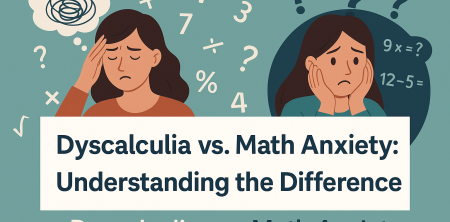
Dyscalculia and math anxiety are terms that often get thrown around interchangeably, but they represent very different challenges students face in the realm of mathematics. Understanding the distinction between these two issues is crucial for educators, parents, and students alike. This article will explore dyscalculia vs math anxiety in depth, examining their definitions, symptoms, causes, and effective strategies for overcoming each challenge.
1. Defining Dyscalculia
Dyscalculia is a specific learning disability that affects an individual’s ability to understand and work with numbers. Often referred to as “math dyslexia,” it is characterized by difficulties with mathematical concepts, such as number sense, memorization of arithmetic facts, and understanding mathematical symbols. According to the National Center for Learning Disabilities, approximately 5-7% of the population is affected by dyscalculia, though this number could be higher since it's often underreported.
Individuals with dyscalculia may struggle to perform basic calculations and often exhibit difficulties in everyday situations involving numbers, such as reading a clock or managing finances. These challenges stem from a neurological difference in processing numerical information, which makes it difficult for those affected to develop math skills, leading to long-term academic and emotional consequences.
2. Understanding Math Anxiety
Math anxiety, on the other hand, is an emotional response that results from the fear or worry associated with performing mathematical tasks. Unlike dyscalculia, math anxiety does not stem from a cognitive incapacity; rather, it arises from psychological factors. A person with math anxiety may have a strong fear of failure, feelings of inadequacy, or have experienced negative math-related experiences in their past.
This anxiety can manifest in various ways, including physical symptoms such as sweating or shaking, as well as cognitive symptoms such as racing thoughts or a blank mind when faced with math-related challenges. Studies estimate that around 25% of students experience significant math anxiety, which can severely hinder their performance in not just mathematics but also other academic areas.
3. Key Differences Between Dyscalculia and Math Anxiety
While both dyscalculia and math anxiety can lead to poor performance in math, the fundamental differences lie in their origins and manifestations. Dyscalculia is a learning disability, meaning it is a neurological condition that impacts a person's ability to learn and process mathematical information. In contrast, math anxiety is a psychological response to stress or fear associated with math tasks.
For example, a student with dyscalculia may struggle with basic number sense or have difficulty understanding concepts such as addition and subtraction. Conversely, a student with math anxiety might understand these concepts but freeze up during tests or experience panic when asked to complete a math problem in front of others. Recognizing these differences is vital for effective intervention strategies.
4. Symptoms of Dyscalculia
Dyscalculia manifests through a variety of symptoms that can vary widely from person to person. Some common indicators include:
- Difficulty understanding number concepts and relationships.
- Inability to perform basic calculations (addition, subtraction, etc.).
- Struggles with telling time or managing money.
- Difficulty following multi-step directions related to math.
Parents and educators should be vigilant for signs of dyscalculia, especially in early education, as early intervention can significantly improve outcomes. Diagnostic assessments by professionals can help confirm the presence of dyscalculia and guide appropriate teaching strategies.
5. Symptoms of Math Anxiety
Math anxiety comes with its own set of symptoms, primarily emotional and physiological. These may include:
- Feelings of panic or dread when faced with math tasks.
- Physical symptoms like rapid heartbeat, sweating, or nausea.
- A tendency to avoid situations involving math, such as withdrawing from math classes.
- Negative self-talk and thoughts about one's ability to succeed in math.
Understanding these symptoms can help teachers and parents create supportive environments that reduce anxiety triggers, allowing students to engage more comfortably with math. (See: Understanding dyscalculia from NIH.)
6. Causes of Dyscalculia
The exact causes of dyscalculia are not entirely understood, but research suggests a combination of genetic and environmental factors. Children with family members who have learning disabilities are more likely to experience dyscalculia themselves. Additionally, brain imaging studies have revealed differences in the structure and function of areas involved in numerical processing.
Other contributing factors can include prenatal complications, early exposure to math concepts, and educational experiences that either support or hinder the development of mathematical skills. Understanding these roots can help in tailoring effective interventions and support for affected individuals.
7. Causes of Math Anxiety
Math anxiety often stems from a variety of experiences and societal factors. Negative experiences in math classes, such as harsh teaching methods, public criticism, or high-stakes testing, can contribute significantly to anxiety. Furthermore, societal stereotypes that associate math skills with gender, ethnicity, or social class can exacerbate feelings of inadequacy, especially in children.
Importantly, parents and teachers play a significant role in shaping a child's attitude towards math. Encouraging a growth mindset and providing a supportive learning environment can help combat math anxiety, allowing students to approach math tasks with more confidence.
8. Strategies for Overcoming Dyscalculia
Addressing dyscalculia requires a multifaceted approach, often involving specialized instruction and interventions. Here are some effective strategies:
- Individualized Education Plans (IEPs): Tailored plans can address specific learning goals and provide accommodations.
- Multisensory Learning: Engaging multiple senses can help reinforce mathematical concepts. For example, using physical objects to teach counting or visual aids to explain abstract concepts.
- Assistive Technology: Tools like calculators, math software, or apps designed for dyscalculia can offer valuable support.
Early identification and intervention are key to helping students with dyscalculia succeed in math. With the right support, many individuals can build their math skills and gain confidence in their abilities.
9. Strategies for Managing Math Anxiety
For students grappling with math anxiety, a supportive and understanding environment is essential. Here are some effective strategies:
- Cognitive Behavioral Therapy (CBT): This technique can help students reframe negative thoughts and develop healthier attitudes towards math.
- Mindfulness Practices: Techniques like deep breathing or visualization can help calm anxiety and improve focus during math tasks.
- Preparation and Practice: Regular practice in a low-stakes environment can help students build confidence and reduce anxiety when facing tests or rigorous evaluations.
Encouraging a culture that celebrates effort rather than perfection can significantly mitigate feelings of anxiety in math. Recognizing that mistakes are part of learning can help students develop resilience.
10. Current Relevance and the Future of Understanding
As educators become more aware of the differences between dyscalculia and math anxiety, the approaches to teaching math are evolving. There's a growing emphasis on creating inclusive classrooms that accommodate diverse learning needs, which is essential for both students with dyscalculia and those experiencing math anxiety.
Future research is needed to improve our understanding of these conditions and refine intervention methods. Collaboration between educators, psychologists, and families will be crucial in developing effective strategies that empower students facing these challenges.
11. Comparative Analysis of Dyscalculia and Math Anxiety
Understanding "dyscalculia vs math anxiety" requires a deeper analysis of how these two issues interact. While dyscalculia is a fundamental cognitive challenge, math anxiety can develop as a secondary response to the struggles associated with dyscalculia. For instance, a student with dyscalculia may face repeated failures in math, leading to increased stress and anxiety surrounding the subject over time.
Research shows that students with learning disabilities, including dyscalculia, often report higher levels of anxiety than their peers. A study conducted by the Journal of Learning Disabilities found that approximately 60% of students with dyscalculia also experience significant math anxiety. This overlap can complicate diagnosis and treatment, as symptoms may interact in ways that exacerbate educational challenges.
Effective educational strategies must acknowledge both conditions to provide comprehensive support. For example, interventions aimed at improving mathematical skills in students with dyscalculia should also address the emotional aspects of learning through techniques that promote a positive attitude toward math. (See: Learning disabilities overview by NIH.)
12. Statistics and Research Insights
Recent studies shed light on the prevalence and impact of dyscalculia and math anxiety. For instance, a study by the American Psychological Association revealed that students with math anxiety performed significantly worse on standardized tests compared to their less anxious peers, regardless of their actual math skills. This gap highlights the importance of addressing emotional barriers to learning.
In terms of demographics, a survey conducted by the National Council of Teachers of Mathematics found that girls are more likely to report feelings of math anxiety than boys, potentially due to societal stereotypes and expectations. Interestingly, students from diverse backgrounds also reported varying experiences with math anxiety, suggesting that interventions may need to be culturally responsive to be effective.
13. Expert Perspectives
Experts in educational psychology emphasize the need for educators to be equipped with knowledge about both dyscalculia and math anxiety. Dr. Susan McGowan, a clinical psychologist specializing in learning disabilities, stresses, "Understanding the emotional impacts of learning disabilities is crucial. Teachers who recognize the signs of both dyscalculia and math anxiety can create more supportive environments that foster learning and confidence."
Similarly, Dr. Mark Thompson, an educational researcher, notes, "The link between anxiety and performance is well-documented. By addressing a student's emotional state alongside their cognitive challenges, we can significantly improve their educational experience." These insights underscore the importance of a holistic approach when addressing math-related challenges.
14. Frequently Asked Questions (FAQ)
What is the difference between dyscalculia and math anxiety?
Dyscalculia is a specific learning disability related to difficulties in understanding numbers and mathematical concepts. Math anxiety, however, is an emotional response characterized by fear or stress when dealing with math tasks. One focuses on cognitive challenges, while the other centers on emotional responses.
Can someone have both dyscalculia and math anxiety?
Yes, it is possible for an individual to experience both dyscalculia and math anxiety. The struggles associated with dyscalculia can lead to feelings of anxiety in math-related situations, creating a cycle that can be challenging to break.
How can I help my child if they have dyscalculia?
Supporting a child with dyscalculia involves understanding their specific challenges and implementing tailored strategies such as using multisensory learning techniques, providing clear instructions, and allowing the use of assistive technology. Collaboration with educators can also facilitate better learning outcomes.
What are effective techniques to reduce math anxiety?
Techniques to reduce math anxiety include creating a positive learning environment, practicing mindfulness, using positive reinforcement, and encouraging a growth mindset. Support from teachers and parents can also play a key role in helping students feel more secure when engaging with math.
Is dyscalculia recognized in educational settings?
Yes, dyscalculia is recognized as a legitimate learning disability within educational settings. Many schools provide resources and accommodations for students diagnosed with dyscalculia to support their learning journeys.
What resources are available for students with math anxiety?
Resources include counseling services, workshops focused on anxiety management, math tutoring with an emphasis on building confidence, and online platforms that offer practice in a low-pressure environment. Many schools and communities also have programs dedicated to supporting students with anxiety related to math.
15. Real-Life Examples and Case Studies
Understanding the practical implications of dyscalculia and math anxiety can be further illuminated through real-life examples. For instance, consider a 10-year-old named Alex, who has been diagnosed with dyscalculia. Despite his aptitude in verbal tasks, he struggles to understand multiplication and often confuses numbers. In a standard classroom, Alex may feel overwhelmed when faced with timed math tests, resulting in frustration and disengagement.
On the other hand, there's Sarah, a bright student who, though capable of performing calculations, experiences intense anxiety when asked to solve math problems in front of her peers. During group work, even when she knows the answer, she often remains silent due to her fear of judgment. Both Alex and Sarah's experiences underline the importance of tailored approaches to meet their unique needs.
16. The Role of Technology in Addressing Dyscalculia and Math Anxiety
Technology plays a crucial role in supporting students with dyscalculia and math anxiety. Educational apps designed specifically for these challenges can provide interactive and engaging ways to practice math skills. For example, apps that employ gamification can make learning math enjoyable, reducing anxiety and boosting confidence. Tools like virtual manipulatives allow students to visualize mathematical concepts, which is especially helpful for those with dyscalculia.
Furthermore, online forums and communities offer students with math anxiety a platform to share experiences, coping strategies, and resources in a non-threatening environment. With the rise of teletherapy, students can also access mental health support remotely, making it easier to find help tailored to their needs.
17. Community Initiatives and Support Networks
Various community initiatives and support networks are emerging to assist students with dyscalculia and math anxiety. Organizations like the Learning Disabilities Association and local education agencies often host workshops and informational sessions for parents and educators. These initiatives focus on raising awareness, sharing resources, and training educators on best practices for supporting affected students.
Support groups for parents can provide a space for sharing experiences, resources, and advice on navigating educational systems. Building a community around these issues fosters resilience and empowerment, allowing families and students to advocate for necessary accommodations and support.
18. The Intersection of Dyscalculia and Math Anxiety in Educational Policy
Policymakers are beginning to recognize the significance of addressing both dyscalculia and math anxiety within educational frameworks. Advocacy for inclusive educational policies that cater to diverse learning needs is gaining momentum. This includes promoting teacher training programs focused on understanding learning disabilities and mental health challenges in the classroom.
Furthermore, implementing screening processes to identify students at risk of dyscalculia and those with math anxiety can lead to early intervention and support. Encouraging a balanced approach to assessment that considers both cognitive abilities and emotional well-being can vastly improve educational outcomes for students facing these challenges.
In summary, dyscalculia vs math anxiety represents two distinct yet sometimes overlapping issues that significantly impact students' math experiences. Recognizing the differences between the two can lead to better support systems, ultimately helping students achieve their full potential in mathematics and beyond.
```
Trending Now
Frequently Asked Questions
What is the difference between dyscalculia and math anxiety?
Dyscalculia is a specific learning disability that impairs an individual's ability to understand numbers and perform calculations, while math anxiety is an emotional response characterized by fear or worry related to math tasks. Dyscalculia is cognitive, whereas math anxiety is psychological.
What are the symptoms of dyscalculia?
Symptoms of dyscalculia include difficulties with basic calculations, problems understanding mathematical concepts, issues with memorizing arithmetic facts, and struggles with everyday numerical tasks, such as telling time or managing finances.
How does math anxiety affect students?
Math anxiety can lead to a range of negative outcomes for students, including avoidance of math-related tasks, decreased performance on tests, physical symptoms like sweating or shaking, and long-term feelings of inadequacy related to their math abilities.
Can dyscalculia be diagnosed?
Yes, dyscalculia can be diagnosed through a comprehensive evaluation by educational professionals or psychologists, who assess an individual's mathematical abilities, cognitive processing, and academic history to determine the presence of this learning disability.
What strategies can help with math anxiety?
Effective strategies for overcoming math anxiety include practicing relaxation techniques, building math skills through gradual exposure, seeking support from educators or tutors, and addressing negative past experiences related to math through positive reinforcement.
What did we miss? Let us know in the comments and join the conversation.

