```html
Emotional regulation is a fundamental skill that shapes how children manage their feelings, express emotions, and interact with others. For preschool and kindergarten students, mastering this skill can pave the way for healthier relationships, academic success, and overall well-being. But how do we effectively teach emotional regulation to our youngest learners? This article explores the importance of emotional regulation in early childhood, practical strategies for educators and parents, and the contemporary relevance of this crucial topic.
Understanding Emotional Regulation
At its core, emotional regulation refers to the ability to recognize, understand, and manage one’s emotions. For preschoolers and kindergarteners, this means learning to express feelings in appropriate ways and coping with emotions such as anger, sadness, or frustration. According to a study published in the Journal of Child Psychology and Psychiatry, children who develop strong emotional regulation skills early on are more likely to exhibit positive behaviors, perform better academically, and have stronger social relationships as they grow.
Emotional regulation isn’t instinctive; it develops over time and is influenced by various factors, including parental guidance, social interactions, and educational environments. In preschool settings, teachers play a vital role in scaffolding children’s emotional skills and providing them with tools to navigate their feelings.
The Importance of Emotional Regulation in Preschool
Why focus on emotional regulation during preschool years? The early childhood stage is when children are still forming their understanding of emotions and social interactions. Research shows that emotional literacy—the ability to identify and articulate feelings—can significantly impact a child's capacity to manage their emotions effectively.
Moreover, emotional regulation is closely tied to social competence. Children who can control their responses to emotions are less likely to engage in aggressive behaviors, leading to more harmonious classroom environments. A 2019 study by the National Institute for Early Education Research highlighted that teaching emotional regulation can reduce incidences of behavioral issues, promoting a more positive learning atmosphere.
Key Components of Emotional Regulation
To effectively teach emotional regulation, it’s crucial to understand its key components. These include:
- Emotional Awareness: Recognizing one's own emotions and those of others.
- Emotion Expression: Sharing feelings in socially acceptable ways.
- Coping Strategies: Developing techniques to manage strong emotions.
- Problem-Solving Skills: Finding constructive solutions to emotional triggers.
Each of these components plays a role in helping preschoolers learn to navigate their emotional landscapes. For instance, by developing emotional awareness, children can better articulate their feelings, making it easier for them to seek help when needed.
Practical Strategies for Teaching Emotional Regulation
Implementing strategies for teaching emotional regulation in the classroom can significantly enhance children's ability to manage their feelings. Here are several practical approaches:
1. Modeling Behavior
Children learn a lot through observation. When teachers and caregivers model emotional regulation skills—like expressing frustration calmly or managing anxiety—they provide a live demonstration of appropriate emotional responses. For instance, a teacher might say, "I feel frustrated when things don’t go as planned. I need to take a deep breath to calm down," which teaches children to articulate their feelings and use coping strategies.
2. Incorporating Storytelling
Storytelling is a powerful tool for teaching emotional regulation. Books that highlight characters experiencing various emotions can help children identify and understand feelings. After reading, teachers can facilitate discussions about how the characters managed their emotions, allowing children to relate to those experiences and consider similar strategies for themselves.
3. Using Emotions Charts
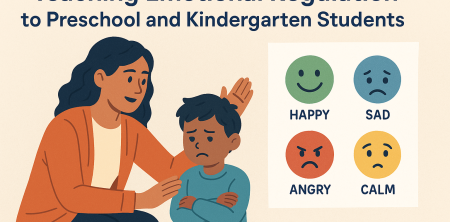
Emotions charts featuring images representing different feelings can be particularly helpful in preschool settings. Children can point to the feelings they are experiencing, facilitating discussions about emotions. This practice encourages emotional awareness and expression, allowing children to articulate their feelings more effectively.
4. Teaching Coping Techniques
Empowering children with coping strategies is vital. Simple breathing exercises, counting to ten, or using a “calm corner” in the classroom where children can retreat when feeling overwhelmed can help. By practicing these techniques regularly, children can learn to manage their emotions more effectively and decrease the likelihood of outbursts.
5. Role-Playing Scenarios
Role-playing can provide children with the opportunity to practice emotional regulation. Educators can create scenarios—like dealing with a disagreement with a peer or feeling left out—that encourage children to explore various emotional responses. This exploration helps children develop problem-solving skills and rehearse appropriate reactions. (See: emotional regulation in children.)
Integrating Emotional Regulation into Daily Activities
For emotional regulation to be effective, it needs to be woven into the fabric of daily classroom activities. Here’s how:
- Circle Time Discussions: Use circle time for open discussions about emotions, allowing children to share their feelings and experiences.
- Art Projects: Encourage artistic expression by having children create art that represents their feelings. This can serve as a launchpad for discussions about emotions.
- Morning Check-Ins: Implement a morning routine where children can express how they feel before starting the day, which sets a tone of emotional awareness.
- Mindfulness Activities: Incorporate short mindfulness activities or yoga sessions to help children learn grounding techniques that promote emotional regulation.
By integrating emotional regulation into everyday practices, educators can create a consistent environment where children feel safe to express their emotions and learn coping strategies.
The Role of Parents in Emotional Regulation
While educators have a crucial role in teaching emotional regulation, parents are equally important in reinforcing these skills at home. Here’s how parents can contribute:
1. Open Conversations
Encouraging open dialogue about emotions at home can help children feel comfortable discussing their feelings. Parents can ask their children about their day and how they felt in different situations, which fosters emotional literacy and expression.
2. Positive Reinforcement
Praising children when they express their feelings or cope effectively reinforces those behaviors. For example, if a child calmly expresses frustration over a toy, parents can acknowledge that behavior, reinforcing the positive action.
3. Creating a Safe Environment
Parents should strive to create a home environment where children feel safe to express their emotions without fear of judgment. This includes validating their feelings and providing comfort when they’re experiencing strong emotions.
4. Consistent Routines
Establishing consistent routines helps children feel secure, which can reduce emotional volatility. Predictability in daily activities can provide a sense of stability that supports emotional regulation.
Challenges in Teaching Emotional Regulation
Despite the benefits, teaching emotional regulation in preschool can present challenges. One significant hurdle is the varied emotional development among children. Some may struggle more than others with identifying and managing their emotions due to individual differences in temperament or past experiences.
Additionally, many educators may feel underprepared or lack resources to effectively teach emotional regulation. Teacher training programs often emphasize academic skills but may not adequately cover social-emotional development. Addressing this gap requires a concerted effort to provide educators with the necessary tools and resources.
Measuring Emotional Regulation Skills
Assessing emotional regulation skills in preschoolers can be complex, but several methods can help educators gauge children’s progress:
1. Observational Assessments
Teachers can observe children during play and social interactions, noting how they handle conflicts and express emotions. These observations can provide insights into each child's emotional development and regulation skills.
2. Parent and Teacher Surveys
Administering surveys to parents and teachers can gather valuable information about a child's emotional regulation skills in different settings. This feedback can help identify areas for improvement and track progress over time.
3. Self-Assessment Tools
Simple self-assessment tools tailored for young children can promote self-reflection. For instance, asking children to rate their feelings on a scale can help them articulate their emotions and recognize patterns in their emotional responses.
The Future of Emotional Regulation in Education
As educators and parents increasingly recognize the significance of emotional regulation, the future looks promising for integrating these skills into early childhood education. Trends indicate a growing emphasis on social-emotional learning (SEL) in preschool curricula, with many organizations advocating for comprehensive programs to develop these skills.
Studies suggest that SEL programs can lead to substantial improvements in academic performance, behavior, and emotional well-being. According to a report by the Collaborative for Academic, Social, and Emotional Learning (CASEL), schools implementing SEL saw a 23% increase in academic performance among students.
The Impact of Cultural Context on Emotional Regulation
Cultural context plays a significant role in how children learn emotional regulation. Different cultures have unique norms and values regarding emotional expression and regulation. For example, some cultures encourage open expression of emotions, while others may prioritize emotional restraint. Understanding these differences is essential for educators and parents, as they shape children's emotional experiences and responses. (See: behavioral strategies for children.)
Research shows that children from cultures that emphasize collectivism may develop emotional regulation skills differently than those from more individualistic cultures. Children in collectivist societies might learn to prioritize group harmony over individual emotional expression, leading to different coping strategies. Recognizing these cultural nuances can help educators tailor their approaches to meet the needs of diverse classrooms effectively.
Incorporating Technology in Emotional Regulation Education
The rise of technology in education offers new opportunities to enhance emotional regulation skills among preschoolers. Various apps and online programs are designed to teach young children about emotions through games and interactive storytelling. These digital tools can engage children in learning emotional regulation in an enjoyable and relatable way.
For instance, apps that feature animated characters experiencing different emotions can help children recognize and label their feelings in a fun context. Moreover, digital platforms can facilitate social interactions with peers, allowing children to practice emotional regulation in a controlled environment.
However, while technology can support emotional learning, it’s essential for educators and parents to balance screen time with real-life interactions. Face-to-face conversations and activities remain crucial for children’s social and emotional development.
Support from Mental Health Professionals
Integrating mental health professionals into preschool settings can offer valuable support for teaching emotional regulation. School counselors and psychologists can provide training for teachers on emotional development and offer resources for classroom strategies. They can also work directly with children who may be struggling with emotional regulation, providing targeted interventions and support.
Having mental health professionals available creates a comprehensive approach to emotional learning, ensuring that children receive the guidance they need to navigate their feelings effectively. Early intervention can prevent more significant issues later in life, making it essential for preschool settings to incorporate mental health resources.
FAQs About Emotional Regulation in Preschool
What age should children start learning emotional regulation?
While children begin to understand and express emotions from a very young age, formal teaching of emotional regulation can start around age 3 to 4 when they enter preschool. At this age, children are more capable of recognizing their feelings and those of others.
How can I help my child with emotional regulation at home?
Parents can help by creating an open dialogue about emotions, using storytelling to discuss feelings, and teaching coping strategies. Encouraging artistic expression and validating your child's emotions can also reinforce their emotional skills.
Can emotional regulation skills be assessed?
Yes, emotional regulation skills can be assessed through observations, parent-teacher surveys, and self-assessment tools. These methods help gauge a child's emotional growth and identify areas for improvement.
What are some common signs that a child struggles with emotional regulation?
Signs may include frequent tantrums, aggressive behavior, difficulty sharing or cooperating, and trouble expressing feelings verbally. Children might also show signs of withdrawal or sadness when overwhelmed by emotions.
How do teachers handle emotional outbursts in the classroom?
Teachers can manage emotional outbursts by first ensuring the child is safe, using calming techniques, and providing a quiet space if necessary. After the situation has calmed down, teachers should engage the child in discussing their feelings and possible coping strategies to avoid similar incidents in the future.
Building a Community Around Emotional Regulation
One effective way to enhance emotional regulation in preschoolers is to establish a community approach. Schools can partner with parents, caregivers, and local organizations to create a supportive network that emphasizes the importance of emotional regulation. This could involve workshops for parents on how to reinforce skills at home, as well as community events centered around emotional well-being.
For example, schools might host family nights featuring activities that teach emotional skills, such as collaborative art projects or interactive storytelling sessions. These events can foster a deeper understanding of emotional regulation among families and provide a platform for sharing experiences and strategies.
Real-Life Examples of Successful Programs
Several preschool programs have successfully integrated emotional regulation into their curricula with notable results. One example is the Conscious Discipline program, which emphasizes social-emotional learning and self-regulation. Schools implementing this program report improvements in children’s ability to manage their emotions and conflicts effectively.
Another successful initiative is the MindUp program, which incorporates mindfulness practices into daily routines. This program has shown promising outcomes in enhancing children’s focus, reducing anxiety, and improving their emotional regulation skills. Programs like these provide valuable models for other educators seeking to implement similar strategies in their classrooms.
Further Research and Development in Emotional Regulation
As the field of early childhood education evolves, research continues to explore the intricacies of emotional regulation. Studies are being conducted to identify the most effective methods for teaching these skills, as well as the long-term impacts of emotional regulation on children’s future success. Emerging research emphasizes the significance of social-emotional learning in shaping positive outcomes in both academic and social realms.
It’s essential for educators and parents to stay informed about new findings and approaches as they develop their strategies for teaching emotional regulation. Participating in workshops, reading recent studies, and joining professional networks can help them remain engaged and equipped to support children’s emotional needs effectively.
FAQs About Emotional Regulation in Preschool (Continued)
What role do emotions play in learning?
Emotions significantly impact learning. Positive emotions can enhance motivation and attention, while negative emotions may hinder a child's ability to focus. Teaching emotional regulation can help children manage their feelings, thereby improving their learning experiences and outcomes.
How can schools involve the community in emotional regulation efforts?
Schools can involve the community by organizing workshops, family engagement nights, and partnerships with local mental health organizations. Creating a community resource network can provide support for both families and educators in fostering emotional regulation skills.
Are there specific programs recommended for teaching emotional regulation?
Yes, programs like Conscious Discipline and MindUp are specifically designed to teach emotional regulation and social-emotional skills. These programs offer structured approaches and resources that educators can use to enhance emotional learning in the classroom.
How important is emotional regulation for later success in life?
Emotional regulation is crucial for overall well-being and success in adulthood. Research shows that individuals with strong emotional regulation skills tend to have better relationships, enhanced coping mechanisms, and improved mental health outcomes throughout their lives.
Conclusion: Cultivating Emotional Regulation Skills
Teaching emotional regulation to preschool and kindergarten students is not just beneficial; it’s essential. By fostering emotional awareness, teaching coping strategies, and integrating these skills into everyday activities, educators and parents can equip children with tools to manage their emotions effectively. As we continue to prioritize emotional intelligence in early childhood education, we pave the way for healthier, happier, and more resilient future generations.
```
Trending Now
Frequently Asked Questions
What is emotional regulation in early childhood?
Emotional regulation in early childhood refers to the ability of young children to recognize, understand, and manage their emotions. It involves learning to express feelings appropriately and cope with emotions like anger, sadness, or frustration, which is crucial for their social interactions and overall well-being.
Why is emotional regulation important for preschoolers?
Emotional regulation is vital for preschoolers as it lays the foundation for healthier relationships, academic success, and emotional well-being. Children who develop these skills early are more likely to exhibit positive behaviors and perform better socially and academically as they grow.
How can teachers help children with emotional regulation?
Teachers can assist children in developing emotional regulation by providing a supportive environment, teaching emotional literacy, and modeling appropriate emotional responses. They can also incorporate activities that encourage children to express and manage their feelings effectively.
What strategies can parents use to teach emotional regulation?
Parents can teach emotional regulation by discussing emotions openly, encouraging children to express their feelings, and providing coping strategies for managing difficult emotions. Engaging in role-playing and using resources like books about emotions can also be beneficial.
When should children start learning emotional regulation skills?
Children should begin learning emotional regulation skills during their early childhood years, particularly in preschool and kindergarten. This is a critical period for developing emotional literacy and social competence, which are essential for managing emotions throughout life.
What's your take on this? Share your thoughts in the comments below — we read every one.

