```html
When we think about learning disabilities, the spotlight often shines on dyslexia. However, dyscalculia, a lesser-known but equally significant condition, can have profound implications for individuals as they navigate both academic and daily life. This article delves into how dyscalculia affects dyscalculia daily life skills, illuminating its impact beyond the math classroom and exploring practical strategies to support those affected.
Understanding Dyscalculia
Dyscalculia is a specific learning disability that affects a person's ability to understand numbers and perform mathematical calculations. Often referred to as 'math dyslexia,' it is characterized by difficulties with number sense, memorization of arithmetic facts, and accurate calculations. Estimates suggest that around 5-7% of the population experiences some form of dyscalculia, making it a significant concern in educational and personal contexts.
Like dyslexia, dyscalculia is considered a neurological condition. Research indicates that it stems from differences in brain structure and function, impacting areas responsible for processing numerical information. Symptoms can range from confusion with numbers and difficulty with basic arithmetic to challenges in managing time and understanding spatial relationships. Recognizing these symptoms is the first step in addressing the challenges faced by those with dyscalculia.
The Broader Impact on Daily Life Skills
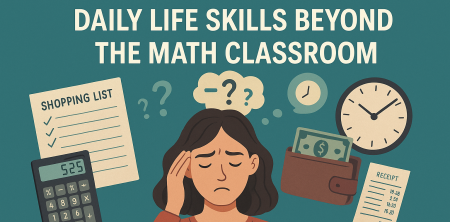
While dyscalculia is often associated with academic performance in math, its effects extend far beyond the classroom. Individuals with dyscalculia may struggle with various dyscalculia daily life skills, including budgeting, cooking, shopping, and even telling time. This broader impact can lead to significant barriers in independence and social interactions.
For example, budgeting requires not only a basic understanding of numbers but also the ability to manage and calculate expenses accurately. Someone with dyscalculia may find themselves overwhelmed when trying to create a budget, causing anxiety and frustration. Similarly, cooking often involves measurements and timing, both of which can be challenging for those who struggle with number sense.
Data Management and Organization
In today's digital age, organizing information is crucial. Whether it's keeping track of appointments, managing tasks, or maintaining files, effective data management skills are essential for success in both personal and professional environments. Individuals with dyscalculia may find themselves at a disadvantage in this area, as they can have difficulty organizing numerical information.
For instance, when handling schedules, individuals might misinterpret dates and times, leading to missed appointments or double bookings. To combat these challenges, employing visual aids like calendars and using technology such as reminders can be extremely beneficial. There are numerous apps designed to assist with organization that can help individuals with dyscalculia manage their daily schedules effectively.
Shopping and Financial Management
Shopping is another everyday activity where dyscalculia can create hurdles. From calculating total costs to managing change, individuals with dyscalculia may feel anxious in retail environments. Many may struggle to estimate costs while shopping, leading to overspending or unintentional errors.
For example, when deciding whether to buy a product, individuals often compare prices and assess discounts. This requires an understanding of percentages and basic arithmetic, areas where those with dyscalculia might face challenges. To ease this burden, using apps to scan barcodes for prices or relying on shopping lists with pre-calculated totals can facilitate smoother shopping experiences.
Time Management Challenges
Managing time effectively is a valuable life skill that many take for granted. However, for individuals with dyscalculia, telling time can be a daunting task. Traditional analog clocks can be particularly confusing, as they require an understanding of both numbers and spatial relationships. (See: National Institute of Child Health and Human Development on dyscalculia.)
Individuals with dyscalculia may struggle with setting alarms, estimating how long tasks will take, or planning daily activities. To address these challenges, it's helpful to use digital clocks and timers that display time in a straightforward manner. Establishing consistent routines can also provide structure, allowing individuals to manage their time more effectively without the added pressure of constant recalculation.
Academic Implications and Coping Strategies
In the academic realm, dyscalculia can hinder performance in not only math-related subjects but also in disciplines that rely heavily on numerical understanding, such as science or economics. The inability to grasp foundational math concepts can lead to a lack of confidence and a fear of participating in class, which can have lasting effects on self-esteem and motivation.
To help students cope with dyscalculia, educators can implement various strategies. Using manipulatives, such as counters and visual aids, can provide a tactile approach to learning. Additionally, integrating technology, such as math-focused apps and computer programs that promote interactive learning, can engage students and enhance their understanding.
Social Interactions and Emotional Well-being
Dyscalculia does not just impact academic and daily life skills; it can also affect social interactions and emotional well-being. Individuals may feel embarrassed or frustrated by their struggles with numbers, leading to social withdrawal or reluctance to engage in activities involving calculations or measurements.
Peer relationships can be strained as a result, especially in group settings where numerical skills are expected. Encouraging open discussions about dyscalculia can help foster understanding among peers. Support groups specifically for individuals with learning disabilities can also provide a sense of community and shared experiences, helping to alleviate feelings of isolation.
Practical Support Strategies for Daily Life
To enhance dyscalculia daily life skills, practical strategies can be implemented across various aspects of life. These range from using technology to employing consistent routines. Here are some effective strategies:
- Visual Aids: Utilize charts, graphs, and pictorial representations to simplify complex numerical information.
- Technology Assistance: Leverage apps designed for budgeting, time management, and shopping that simplify calculations and offer reminders.
- Consistent Routines: Establish predictable daily schedules to minimize anxiety and the cognitive load associated with planning.
- Hands-on Learning: Engage with real-life situations that involve numbers, such as cooking or budgeting, to reinforce skills in practical contexts.
- Peer Support: Encourage collaboration with friends or family during tasks that require numerical skills, promoting a team approach.
The Role of Awareness and Advocacy
Raising awareness about dyscalculia is crucial for fostering an inclusive environment where individuals with this learning disability can thrive. Parents, educators, and peers should be educated about the challenges faced by those with dyscalculia and the importance of patience and support.
Advocacy plays a key role in ensuring access to resources and accommodations in both educational and workplace settings. This might include providing alternative methods of assessment in schools or allowing flexible work options for adults with dyscalculia. By creating an environment where individuals feel understood and supported, we can empower them to develop their dyscalculia daily life skills more effectively.
Understanding the Emotional Dimensions of Dyscalculia
It’s essential to acknowledge the emotional toll dyscalculia can take on individuals. Many people with dyscalculia experience anxiety, particularly in situations where numerical understanding is required. This anxiety can lead to avoidance behaviors, such as skipping classes or social situations that involve math. Studies have shown that individuals with learning disabilities often have higher rates of anxiety and depression compared to their peers. Building resilience through emotional support, therapy, and coping strategies is vital for helping individuals face these challenges head-on.
Building a strong support network can also play a significant role in managing emotional distress. Friends, family members, and educators can provide the encouragement needed to help individuals with dyscalculia confront their fears and anxieties. Group activities focused on building confidence in numerical tasks can also help foster a sense of belonging and acceptance.
Real-Life Examples of Coping with Dyscalculia
Many individuals with dyscalculia have shared their experiences, demonstrating how they navigate daily life. For instance, Sarah, a college student, struggled with budgeting her finances. Initially, she found it challenging to keep track of her expenses. After seeking support, she started using a budgeting app that automatically calculates her spending and sends alerts when she approaches her budget limit. This tool not only helped her manage her finances but also reduced her anxiety around money management. (See: World Health Organization on learning disabilities.)
Another example comes from James, a young professional who faced difficulties with time management. He often missed deadlines because he miscalculated the time required for tasks. To combat this, James began using a digital calendar that allows him to set reminders and allocate time blocks for each task, ensuring he stays on top of his schedule. By incorporating these tools into their lives, both Sarah and James have developed more confidence and competence in managing their daily responsibilities.
Statistics on Dyscalculia and Its Impact
Understanding the prevalence and impact of dyscalculia can shed light on the importance of support and resources. Recent studies indicate that around 5-7% of the population experiences dyscalculia, which translates to millions of people worldwide. In educational settings, students with dyscalculia often perform significantly lower in math compared to their peers, with many receiving special education services. Furthermore, research indicates that about 40% of students with learning disabilities report feelings of low self-esteem related to their academic struggles.
Additionally, it's essential to consider the long-term effects of dyscalculia on career opportunities. Many professions require strong numerical skills, and individuals with dyscalculia may find themselves at a disadvantage when job hunting or advancing in their careers. Promoting awareness and understanding can lead to better support systems that help individuals with dyscalculia reach their full potential.
FAQ About Dyscalculia and Daily Life Skills
What is dyscalculia?
Dyscalculia is a specific learning disability that primarily affects an individual's ability to understand numbers and perform mathematical calculations.
How can dyscalculia impact daily life skills?
Individuals with dyscalculia may face challenges in various daily life skills, including budgeting, shopping, cooking, and time management, making everyday tasks stressful and overwhelming.
What are some coping strategies for individuals with dyscalculia?
Effective strategies include using visual aids, leveraging technology, establishing consistent routines, engaging in hands-on learning, and seeking peer support for tasks involving numerical skills.
Are there resources available for individuals with dyscalculia?
Yes, there are numerous resources, such as specialized apps for budgeting and time management, educational programs designed for learning disabilities, and support groups that provide community and guidance.
How can I support someone with dyscalculia?
Support can be provided by being patient, encouraging open discussions about their challenges, and helping them find tools and strategies that work for them.
Building Independence with Dyscalculia: Techniques and Tools
One of the ultimate goals for individuals with dyscalculia is to foster independence in daily life. There are several techniques and tools that can significantly improve their confidence and ability to manage life effectively.
For budgeting and financial management, using digital banking tools that categorize spending can help individuals visualize their financial habits. Many banks now offer apps that provide insights into spending patterns, helping users recognize areas where they may be overspending. This can reduce the cognitive load associated with manual tracking.
In cooking, using measuring cups that have visual guides or color-coded markings can simplify the process. For example, some measuring spoons and cups have clear visual indications of measurement levels, helping individuals avoid mistakes. Recipe apps that offer step-by-step guidance can also play a significant role in supporting cooking tasks.
When it comes to time management, utilizing tools like time-blocking techniques can be beneficial. This method involves allocating specific blocks of time for different tasks throughout the day, which can help in visualizing the day ahead and managing time more effectively. There are many digital calendar applications that enable users to color-code their tasks, providing visual cues for what needs to be accomplished.
The Importance of Collaboration in Learning
Collaboration with peers, family, and educators can be a game-changer for individuals with dyscalculia. Group learning environments can often provide additional support and varied perspectives that enhance understanding. For instance, study groups can help demystify complex concepts by allowing students to explain material to each other. This peer teaching method reinforces knowledge while alleviating pressure.
Even in family settings, engaging in activities that involve numbers can be a bonding experience. Parents can involve their children in everyday tasks that require numerical skills, such as grocery shopping or cooking, framing these as fun activities rather than chores. This approach not only builds skills but also strengthens family relationships.
Engaging with Professionals: Therapy and Support
Engaging with professionals, such as educational psychologists or therapists who specialize in learning disabilities, can offer tailored support for individuals with dyscalculia. These professionals can help in developing personalized learning plans that address specific challenges faced by the individual.
Therapy can also focus on the emotional aspects of coping with dyscalculia. Cognitive-behavioral therapy (CBT) has been shown to help individuals manage anxiety associated with learning disabilities. By addressing negative thought patterns, individuals can develop a more positive outlook toward their capabilities and learning.
Conclusion: Moving Forward with Understanding
Dyscalculia affects many aspects of daily life beyond the math classroom. By understanding its impact on everyday skills such as budgeting, shopping, and time management, we can better support individuals facing this challenge. Through effective strategies, advocacy, and a culture of understanding, we can help empower those with dyscalculia to navigate their daily lives with confidence and competence.
```
Trending Now
Frequently Asked Questions
What is dyscalculia and how does it affect daily life?
Dyscalculia is a specific learning disability that impairs a person's ability to understand numbers and perform mathematical calculations. Its effects extend beyond the classroom, impacting daily life skills such as budgeting, cooking, shopping, and telling time, leading to challenges in independence and social interactions.
What are the signs and symptoms of dyscalculia?
Symptoms of dyscalculia include confusion with numbers, difficulty memorizing arithmetic facts, challenges in managing time, and issues with spatial relationships. These signs can significantly impact both academic performance and everyday tasks, making recognition and support essential.
How common is dyscalculia among the population?
Dyscalculia affects approximately 5-7% of the population, making it a significant concern in both educational settings and personal life. Despite its prevalence, it is often overshadowed by more recognized learning disabilities like dyslexia.
What practical strategies can help individuals with dyscalculia?
Practical strategies for supporting individuals with dyscalculia include using visual aids, incorporating technology for calculations, breaking tasks into smaller steps, and providing a structured environment. These approaches can help improve their understanding and management of daily life skills.
How does dyscalculia relate to other learning disabilities?
Dyscalculia is often compared to dyslexia, as both are neurological conditions that affect learning. While dyslexia impacts reading and language skills, dyscalculia specifically affects numerical understanding and mathematical abilities, highlighting the diverse nature of learning disabilities.
Agree or disagree? Drop a comment and tell us what you think.

