```html
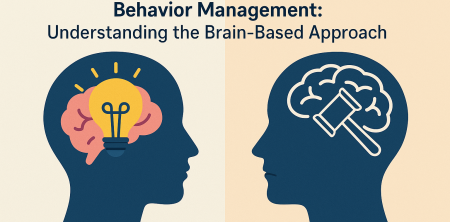
When it comes to managing behavior in educational settings, the debate often centers around traditional behavior management techniques versus more progressive approaches like conscious discipline. While traditional methods focus heavily on compliance and punishment, conscious discipline takes a brain-based view that emphasizes emotional regulation, social-emotional learning, and building a safe environment. This article will explore the nuances of both approaches, helping educators and parents understand which methods might work best for their unique situations.
1. What is Conscious Discipline?
Conscious discipline is an innovative, trauma-informed approach to social-emotional learning and discipline. Developed by Dr. Becky Bailey, the method integrates principles from neuroscience, psychology, and education to foster a nurturing environment conducive to learning. Rather than merely focusing on external behavior control, conscious discipline encourages self-regulation, emotional intelligence, and conflict resolution skills.
At its core, conscious discipline teaches adults and children how to understand and manage their emotions. This framework incorporates a variety of techniques, such as mindfulness practices, positive reinforcement, and relationship-building activities. By prioritizing emotional safety, educators and caregivers can create stronger connections with students, promoting a sense of belonging and acceptance.
2. The Foundations of Traditional Behavior Management
Traditional behavior management relies on a system of rewards and punishments to shape behavior. This approach is often rooted in behaviorism, a psychological perspective that views behavior as a response to external stimuli. In the classroom, traditional methods might include systems like point charts, detentions, or even suspensions for misbehavior, all aimed at maintaining order and compliance.
While these techniques can yield short-term results, many educators and psychologists argue they fail to address the underlying emotional needs of students. Critics of traditional behavior management note that such systems can lead to increased anxiety and resentment among students, particularly those who may already be struggling with emotional or behavioral issues. This disconnect between discipline and emotional understanding often leaves students feeling isolated and misunderstood.
3. The Neuroscience Behind Conscious Discipline
One of the compelling aspects of conscious discipline is its grounding in neuroscience. Understanding how the brain works, particularly in the context of stress and emotional regulation, provides a solid foundation for the techniques used in this method. For instance, the brain’s emotional center, the amygdala, plays a crucial role in how we respond to perceived threats, often triggering fight-or-flight responses.
In stressful situations, students may revert to impulsive behavior rather than rational decision-making. Conscious discipline recognizes this and offers strategies to help calm the nervous system. Techniques such as deep breathing, visualization, and positive affirmations can activate the prefrontal cortex, the part of the brain responsible for executive function and self-control. By training children to manage their emotions, conscious discipline fosters a more conducive learning environment.
4. The Role of Emotional Safety
Emotional safety is a cornerstone of conscious discipline. It emphasizes the importance of creating an environment where students feel secure enough to express themselves without fear of judgment or punishment. Dr. Bailey suggests that emotional safety can significantly reduce behavioral issues by enabling children to focus on learning rather than survival.
Techniques to create emotional safety include actively listening to students, validating their feelings, and engaging in trust-building exercises. When students feel emotionally safe, they’re more likely to participate in classroom activities, take risks in their learning, and develop resilience in the face of challenges. This creates a classroom atmosphere that fosters growth and encourages collaboration among peers.
5. Strategies in Conscious Discipline
Implementing conscious discipline involves various strategies designed to promote self-awareness and emotional intelligence. One notable technique is the calming strategy, which encourages children to recognize when they are upset and provides them with tools to self-soothe. This might include breathing techniques, counting to ten, or using sensory objects to ground themselves.
Another essential aspect is the focus on building relationships. Teachers are encouraged to invest time in understanding their students, knowing their backgrounds, and acknowledging their emotions. This relational approach transforms the teacher-student dynamic from authority-figure to mentor, allowing for a more supportive educational experience.
6. Comparing Effectiveness: Conscious Discipline vs. Traditional Methods
Research indicates that schools implementing conscious discipline often see a marked decrease in behavioral issues, along with improved academic performance. In contrast, traditional behavior management techniques may lead to temporary compliance but often fail to foster long-term behavioral change. For instance, studies have shown that students in conscious discipline environments demonstrate higher levels of empathy, better conflict resolution skills, and increased engagement in learning. (See: CDC on mental health in education.)
Furthermore, fostering a culture of emotional intelligence through conscious discipline has shown to have lasting impacts beyond the classroom. Students equipped with emotional and social skills are better prepared for future challenges, whether in higher education or the workforce. Ultimately, the long-term benefits of conscious discipline may outweigh the immediate compliance that traditional methods offer.
7. Implementation Challenges and Considerations
While conscious discipline presents a valuable framework, it is not without its challenges. One significant barrier to implementation is resistance from educators who are accustomed to traditional methods. Changing mindsets can take time, and without adequate training and support, the shift to conscious discipline can become overwhelming.
Additionally, integrating conscious discipline into an already packed curriculum requires careful planning. Educators must find ways to incorporate these practices without sacrificing academic content. Support from school administration and ongoing professional development are crucial for successful implementation.
8. The Future of Discipline in Education
As schools continue to evolve, the shift towards frameworks like conscious discipline is becoming more prominent. With increasing awareness regarding the importance of mental health and emotional well-being, educators are recognizing the value of approaches that prioritize social-emotional learning.
The ongoing pandemic has also intensified discussions surrounding emotional well-being in schools. Educators are now more aware of the need to address students' mental health needs, leading to a greater emphasis on creating supportive classroom environments. As we look to the future, embracing methods like conscious discipline may be key to shaping a more compassionate and effective educational landscape.
9. Final Thoughts: The Transformative Power of Conscious Discipline
In summary, conscious discipline offers a powerful alternative to traditional behavior management by emphasizing emotional regulation, relationship-building, and brain-based strategies. This approach facilitates a deeper understanding of student behavior and fosters a more supportive educational environment. As educators and parents consider the best ways to guide children in their emotional and social development, conscious discipline stands out as a transformative tool that can help create resilient, empathetic, and engaged learners.
10. Real-World Applications of Conscious Discipline
Conscious discipline is not just theoretical; it has practical applications that can be observed in various educational settings. Schools that have adopted this method report remarkable changes in their climate and culture. For example, the Burns School District in Colorado implemented conscious discipline and saw a significant drop in suspensions and referrals to the principal's office. Teachers reported feeling more connected to their students, enhancing their ability to manage classrooms effectively.
This approach is also making waves beyond K-12 education. Some universities have begun integrating conscious discipline into their teacher training programs, preparing future educators to implement these techniques in their own classrooms. By teaching the principles of conscious discipline to new teachers, institutions are creating a new generation of educators who prioritize emotional safety and student well-being.
11. Case Studies Highlighting Success
Several case studies illustrate the success of conscious discipline in action. One notable example is the Renaissance Academy, a charter school in California. After adopting conscious discipline, the school reported a 50% reduction in behavioral incidents over a single school year. Administrators noted that the students' ability to articulate their feelings improved dramatically, leading to healthier peer interactions and increased cooperation among students.
Another example comes from the Chicago Public Schools. After a pilot program utilizing conscious discipline, the district reported not only decreased disciplinary actions but also improvements in attendance and academic performance. These outcomes suggest that when students feel safe and supported, they are more likely to thrive both socially and academically.
12. Statistics Supporting the Shift to Conscious Discipline
Data supporting the efficacy of conscious discipline is compelling. According to a study conducted by the University of Massachusetts Amherst, schools that implemented conscious discipline saw a 60% decrease in office referrals. Another report from the Collaborative for Academic, Social, and Emotional Learning (CASEL) indicates that schools focusing on social-emotional learning, like those adopting conscious discipline, can expect to see an 11% increase in academic performance.
Furthermore, a survey conducted by the National Education Association found that 79% of teachers reported feeling more effective in managing classroom behavior after receiving training in conscious discipline techniques. This statistic highlights the importance of professional development in the successful implementation of new educational frameworks.
13. Common Misconceptions About Conscious Discipline
Despite its benefits, there are some misconceptions surrounding conscious discipline that can hinder its adoption. One common myth is that conscious discipline means a lack of structure. On the contrary, conscious discipline emphasizes clear expectations and boundaries while prioritizing emotional connections. It's about teaching students the 'why' behind rules, fostering an environment of understanding and respect. (See: NIH on behavior management techniques.)
Another misconception is that conscious discipline is only suitable for younger students. While initial implementations may focus on early childhood education, the principles of conscious discipline can be adapted for all age groups, including high school students. Older students, too, benefit from learning emotional regulation and conflict resolution skills, which are vital for navigating social situations both in and out of school.
14. Frequently Asked Questions About Conscious Discipline
What training is required for educators to implement conscious discipline?
Educators typically undergo professional development workshops that introduce the foundational concepts and strategies of conscious discipline. Continuous support and coaching can enhance the implementation process.
Can conscious discipline be integrated with other educational frameworks?
Yes, conscious discipline can complement other educational approaches, such as restorative practices or trauma-informed care, enhancing their effectiveness by providing a solid emotional and social framework.
How does conscious discipline impact students with special needs?
Students with special needs often respond well to the principles of conscious discipline, as it promotes individualized attention and emotional understanding. The approach allows educators to tailor strategies to meet diverse needs, fostering a more inclusive environment.
Is there evidence of long-term effects of conscious discipline?
Yes, research indicates that students who experience conscious discipline not only show immediate improvements in behavior but also retain skills in emotional regulation and social interaction long after implementation.
How can parents support the principles of conscious discipline at home?
Parents can apply the principles of conscious discipline by fostering open communication, validating their children's feelings, and modeling emotional regulation strategies. Creating a supportive home environment reinforces what children learn at school.
15. The Broader Impact of Conscious Discipline on Society
The impact of conscious discipline extends beyond individual classrooms and schools. As more educators adopt this approach, we may see a cultural shift in how society views discipline and emotional health. These changes could contribute to a generation of individuals who are more empathetic, socially aware, and equipped to handle conflicts constructively.
Moreover, future workplaces are likely to benefit from the emotional intelligence and collaboration skills developed through conscious discipline. Employees who have been taught to value emotional regulation and effective communication are more likely to contribute positively to team dynamics, ultimately benefiting businesses and communities as a whole.
As we broaden our understanding of what discipline means, we invite a more compassionate approach to education that recognizes the crucial role of emotional health in student success. This shift is key to creating not only effective educational environments but also a healthier society overall.
16. Expanding Conscious Discipline: Global Perspectives
While conscious discipline has gained traction largely in the United States, its principles are applicable in diverse educational contexts around the world. Countries like Finland and Canada incorporate similar approaches, emphasizing emotional well-being and holistic education. In Finland, for example, the education system focuses on creating supportive environments that enable students to thrive, aligning closely with the tenets of conscious discipline.
Adopting conscious discipline principles globally can lead to improvements in students' emotional and social skills, regardless of cultural background. Schools that embrace these principles can foster inclusive environments that respect and nurture the emotional well-being of all students, leading to a richer educational experience.
17. Training and Resources for Educators
To effectively implement conscious discipline, educators need access to comprehensive training and resources. Numerous organizations offer workshops, online courses, and training materials that equip educators with the skills necessary for adopting this approach. The Conscious Discipline Institute provides an array of resources, including webinars, instructional videos, and coaching sessions designed to support educators in integrating conscious discipline into their classrooms.
Additionally, collaboration among educators is vital. Creating professional learning communities in schools can facilitate discussion and sharing of best practices regarding conscious discipline implementation. Engaging with fellow educators can provide moral support and enhance skills through shared experiences and insights.
18. Success Stories from Educators
Many educators have shared their success stories after implementing conscious discipline in their classrooms. For instance, a second-grade teacher in a suburban school reported that after introducing calming strategies, her students became more engaged and less prone to outbursts. She noted that the atmosphere in her classroom transformed, allowing for more collaborative learning experiences.
Another educator, working in a high school setting, shared how conscious discipline helped her students develop deeper connections with one another. By fostering emotional safety, her students began to address conflicts amongst themselves rather than resorting to disruptive behaviors, leading to a more harmonious classroom environment.
19. The Role of Families in Conscious Discipline
Families play a critical role in the success of conscious discipline. By reinforcing the principles taught at school, families can help create a seamless emotional learning experience for children. Schools can engage parents through workshops that inform them about the techniques and principles of conscious discipline, equipping them to support their children at home.
Additionally, proactive communication between educators and families can enhance the support system for students. Regular updates on progress in emotional and social skills can empower parents to engage in meaningful conversations about their children’s experiences and encourage the application of conscious discipline techniques outside of the school environment.
20. Conscious Discipline in a Post-Pandemic World
The COVID-19 pandemic has brought mental health and emotional wellness to the forefront of educational discussions. Many students returned to school after extended periods of isolation, facing challenges like anxiety, emotional distress, and disrupted learning. Conscious discipline offers a framework that is particularly relevant in this context, providing tools for emotional regulation and resilience.
As schools navigate the complexities of reintegrating students, the principles of conscious discipline can serve as a foundation for rebuilding relationships and fostering a sense of community. By focusing on emotional safety and connection, educators can help students recover and thrive in a post-pandemic world, ensuring that emotional health remains a priority in educational settings.
```
Trending Now
Frequently Asked Questions
What is the difference between conscious discipline and traditional behavior management?
Conscious discipline focuses on emotional regulation and social-emotional learning, while traditional behavior management relies on compliance and punishment. Conscious discipline fosters a nurturing environment, encouraging self-regulation and emotional intelligence, whereas traditional methods often use rewards and punishments to shape behavior.
How does conscious discipline work in educational settings?
Conscious discipline works by integrating principles from neuroscience and psychology to create a safe learning environment. It emphasizes emotional safety, mindfulness practices, and relationship-building, helping both educators and students understand and manage their emotions effectively.
What are the main principles of conscious discipline?
The main principles of conscious discipline include emotional regulation, self-awareness, and conflict resolution. It encourages the development of emotional intelligence and focuses on creating a supportive and safe environment for learning, fostering stronger connections between educators and students.
Why is emotional safety important in behavior management?
Emotional safety is crucial because it allows students to feel secure and accepted, which enhances their ability to learn and engage. In conscious discipline, prioritizing emotional safety helps build trust and stronger relationships, ultimately leading to better behavioral outcomes.
Can traditional behavior management methods be effective?
While traditional behavior management methods can yield short-term results in maintaining order, they often fail to address the underlying emotional needs of students. This can lead to compliance without true understanding or lasting behavioral change, making more progressive approaches like conscious discipline more beneficial in the long run.
Agree or disagree? Drop a comment and tell us what you think.

