```html
Introduction to Learning Styles Theory
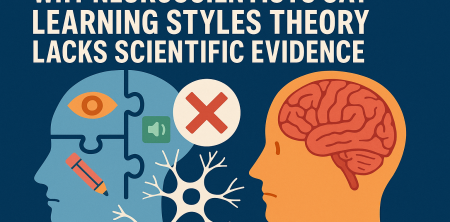
Learning styles theory has long been a popular concept in education, suggesting that individuals learn best when information is presented in a way that aligns with their preferred style. This idea has gained traction among educators, trainers, and learners alike, with various models proposing different types of learners — such as visual, auditory, and kinesthetic. However, recent scrutiny from neuroscientists and educational psychologists raises critical questions about the validity of this theory. As we dive deeper into the evidence (or lack thereof), we will explore why this theory may not hold up against scientific scrutiny.
The Genesis of Learning Styles Theory
The roots of learning styles theory can be traced back to the work of psychologist Howard Gardner in the early 1980s. Gardner introduced the concept of multiple intelligences, which suggested that individuals possess various types of intelligences, such as linguistic, logical-mathematical, and spatial. While Gardner’s work aimed to broaden the understanding of intelligence, it inadvertently laid the groundwork for the learning styles theory that would emerge in the decades that followed.
In the years that followed, various models gained popularity, such as the VARK model, which categorizes learners into four types: Visual, Auditory, Reading/Writing, and Kinesthetic. These categorizations inspired countless educational programs and training methods that promised to tailor learning experiences to individual preferences. Yet, the appeal of learning styles theory often overshadows the scientific rigor behind it.
The Scientific Debate: What Neuroscience Says
In recent years, a growing body of neuroscientific research has cast doubt on the validity of learning styles theory. A 2018 study published in the journal Psychological Science in the Public Interest systematically reviewed the literature surrounding learning styles and concluded that there is little to no empirical support for the idea that aligning instructional methods with students' preferred learning styles leads to improved learning outcomes.
Neuroscientists like Daniel Willingham, a cognitive scientist at the University of Virginia, argue that while individuals may have different preferences for how they receive information, those preferences do not translate into significant differences in how the brain processes that information. In other words, whether you prefer visual aids or lectures may not fundamentally change your ability to learn the material. The brain is remarkably adaptable and capable of processing information in multiple ways.
Key Research Findings Against Learning Styles Theory
Several key studies have contributed to the growing skepticism towards learning styles theory:
- Evidence from Meta-Analyses: Meta-analyses have consistently shown that matching instructional methods to learning styles does not lead to better learning outcomes. A comprehensive analysis of 13 studies found no significant differences in learning gains when materials were tailored to learning styles compared with traditional methods.
- Neuroimaging Studies: Techniques such as functional MRI (fMRI) have shown that the brain engages the same pathways for various types of learning, regardless of an individual’s stated learning style. This suggests that the brain does not segregate learning according to style but rather processes information in a holistic manner.
- Educational Implications: Many educators and institutions have invested time and resources into developing programs based on learning styles. However, the lack of evidence supporting these programs raises ethical concerns about educational practices and funding.
Common Misunderstandings About Learning Styles
Despite the compelling evidence against learning styles theory, misconceptions persist. One common misunderstanding is that individuals are strictly categorized into one learning style, leading to a binary view of learning preferences. In reality, learning preferences exist on a spectrum, and individuals often benefit from various instructional techniques.
Another misconception is that learning styles can be easily assessed through questionnaires and tests. Critics argue that these assessments can be misleading and fail to capture the complexity of individual learning processes. Instead of rigid classifications, a more nuanced understanding of learning preferences, which encompasses a range of strategies and approaches, is necessary.
Alternative Approaches to Understanding Learning
Given the limitations of learning styles theory, educators and researchers are exploring new ways to understand how individuals learn. One promising approach is the concept of learning preferences, which recognizes that while individuals may have preferred methods of engagement, effective teaching should incorporate a variety of strategies to cater to diverse learners. (See: Learning styles on Wikipedia.)
Another approach focuses on the principles of cognitive psychology, emphasizing the role of active engagement, spaced repetition, and retrieval practice in learning. Techniques such as collaborative learning and project-based learning encourage students to interact with content in multiple ways, fostering a more comprehensive understanding.
Practical Insights for Educators
As educators navigate the complexities of teaching in an increasingly diverse classroom, it’s essential to focus on evidence-based practices rather than outdated theories. Here are some practical insights:
- Utilize Active Learning: Engage students with active learning strategies that promote participation and critical thinking. Methods such as group discussions, hands-on activities, and problem-solving exercises can enhance comprehension.
- Diverse Instructional Methods: Incorporate a variety of instructional methods, including visual aids, lectures, and interactive technology. This approach accommodates different preferences while reinforcing learning through multiple modalities.
- Focus on Mastery: Emphasize mastery of the content rather than rigid adherence to learning styles. Encourage students to explore challenging material and develop resilience through practice and feedback.
The Current Relevance of Learning Styles Theory
Despite mounting evidence against learning styles theory, it remains prevalent in educational settings. Many teachers continue to rely on learning styles as a framework for their instruction, often out of habit or familiarity. However, educators must be willing to adapt their practices in light of new research and prioritize evidence-based strategies.
The persistence of learning styles theory also highlights the importance of ongoing professional development for educators. Workshops and training sessions should emphasize current research and best practices to ensure that teachers are equipped with the knowledge to support diverse learners effectively.
A Call for Change in Educational Practices
The conversation surrounding learning styles theory serves as a reminder of the need for continual evaluation of educational practices. As new research emerges, the education sector must be willing to pivot and embrace evidence-based methods that truly enhance learning. Schools and institutions have a responsibility to critically assess the theories they adopt and ensure they are grounded in robust research.
Learning Styles Theory in the Context of Technology
As technology continues to evolve, it influences how we understand and implement learning styles theory. Online learning platforms, educational apps, and interactive tools offer diverse ways for students to engage with content. These technologies can create environments where students can choose how they want to learn, catering to various preferences but not necessarily committing to a specific learning style.
For instance, multimedia presentations can integrate text, audio, and visuals, appealing to multiple senses at once. This blended approach allows educators to move away from rigid learning style categorizations and instead leverage technology to create rich, varied learning experiences. The use of adaptive learning technologies, which adjust content based on real-time feedback from learners, exemplifies how instruction can be personalized while still being research-informed.
Successful Case Studies and Real-World Applications
Several educational institutions and programs have successfully moved beyond learning styles theory to implement more effective teaching methods. For example, the University of California, Berkeley, has adopted a proactive, evidence-based approach to curriculum design that emphasizes pedagogical strategies grounded in research. Their faculty development programs include training on active learning and collaborative teaching methods that promote deeper engagement.
Another notable example comes from the KIPP (Knowledge Is Power Program) schools, which focus on building a growth mindset among students rather than emphasizing fixed learning styles. This approach encourages students to embrace challenges and develop resilience, leading to improved academic outcomes. These successful implementations highlight that focusing on research-based strategies ultimately benefits students more than adhering to unproven theories.
Expert Perspectives on Learning Styles Theory
To better understand the discourse surrounding learning styles theory, several experts have weighed in with their insights: (See: Scientific article on learning styles.)
- Dr. Barbara Oakley: A professor of engineering at Oakland University and author of "A Mind for Numbers," Dr. Oakley emphasizes the importance of learning how to learn. She suggests that students should be taught effective study techniques that foster deep understanding rather than being boxed into specific learning styles.
- Dr. John Hattie: An educational researcher known for his work on visible learning, Dr. Hattie argues that the focus should be on the quality of teaching rather than the learning styles of the students. He advocates for strategies that have been shown to have a significant impact on student achievement, such as feedback, clear goals, and visible learning.
- Dr. David Sousa: An educator and author who researches the intersection of brain research and teaching practices, Dr. Sousa suggests that while students may have preferences, effective instruction should utilize a range of teaching approaches to engage all learners.
Frequently Asked Questions about Learning Styles Theory
1. What are the main types of learning styles?
The most commonly referenced types of learning styles include visual, auditory, reading/writing, and kinesthetic. These categories suggest that individuals have preferred ways of receiving and processing information.
2. Why is learning styles theory still popular?
Learning styles theory remains popular due to its intuitive appeal. Many people resonate with the idea that they have a preferred way of learning and find comfort in having a framework to categorize their learning preferences. Additionally, it has been widely promoted in educational settings, leading to its continued use.
3. What is a more effective alternative to learning styles theory?
A more effective alternative is to emphasize diverse instructional strategies that engage all learners. Approaches that incorporate active learning, collaboration, and evidence-based techniques are more beneficial than rigid adherence to learning styles.
4. How can educators assess student learning preferences?
Instead of focusing on rigid learning styles assessments, educators can observe how students engage with materials and use formative assessments to understand their strengths and areas for growth. This approach allows for a more comprehensive understanding of how to support each student effectively.
5. Can learning styles theory be completely disregarded?
While the theory itself may lack empirical support, the idea that students have preferences for how they engage with material isn't entirely without merit. However, educators should not rely solely on these preferences for instructional design. A balanced approach that incorporates various modalities and strategies is more effective.
Learning Styles Theory: Global Perspectives
The acceptance and application of learning styles theory vary significantly around the world. In some regions, the theory is still deeply embedded in educational practices, while in others, it has been largely abandoned in favor of more evidence-based approaches.
For example, in the United Kingdom, educational institutions have begun advocating for research-informed teaching methods, leading to a decline in the popularity of learning styles theory. In contrast, some countries in Asia continue to incorporate learning styles into their education systems, as traditional teaching practices often favor rote memorization and standardized testing.
This discrepancy raises important questions about how educational policies are influenced by cultural factors and the extent to which educators are trained in contemporary research findings. Understanding these global perspectives can aid in creating a more holistic view of educational practices.
The Impact of COVID-19 on Learning Approaches
The COVID-19 pandemic has significantly affected education worldwide, forcing many institutions to pivot to online and hybrid learning models. This shift has led educators to reassess their teaching strategies and explore new methodologies to engage students in virtual environments.
With the rise of digital learning tools, the focus has shifted from strictly adhering to learning styles to ensuring that content is accessible and engaging for all students. Asynchronous and synchronous learning formats have encouraged educators to implement diverse instructional methods, such as interactive videos, discussion forums, and virtual group projects.
Research indicates that blended learning environments, which combine various teaching methods and technologies, have the potential to improve student engagement and learning outcomes. This change could signal a significant departure from the traditional reliance on learning styles theory, illustrating a more adaptive approach to teaching that accommodates individual preferences while being grounded in effective practices.
Future Directions: Redefining Learning in Education
As we consider the future of learning, it is evident that the focus should shift toward understanding how to create learning environments that promote engagement, collaboration, and critical thinking. This means moving beyond the restrictive framework of learning styles theory and adopting a more flexible, evidence-based approach.
One direction is the emphasis on Universal Design for Learning (UDL), which encourages educators to provide multiple means of engagement, representation, and action/expression. By implementing UDL principles, educators can create inclusive learning experiences that accommodate the diverse needs of students without relying on outdated theories.
Additionally, fostering a culture of continuous professional development for educators is crucial. As new studies and technologies emerge, teachers must be equipped with the skills and knowledge to adapt their practices accordingly. This ongoing learning can ensure that educational practices evolve and that students receive the best possible instruction tailored to their individual needs.
Conclusion: Embracing Evidence Over Tradition
As we reflect on the debate around learning styles theory, it is clear that sticking to outdated notions can hinder effective teaching and learning. The evidence against learning styles theory is compelling, and educators must prioritize practices that are informed by scientific research. By emphasizing active learning, diverse instructional methods, and a focus on mastery, we can create learning environments that truly cater to the needs of all students. In doing so, we not only enhance educational outcomes but also foster a culture of continuous improvement in teaching practices.
```
Trending Now
- the complete explanation
- this guide on “why phonological awareness predicts reading success better than letter knowledge”
- our breakdown of “how transitional kindergarten prepares children for academic success in elementary school”
- “How Gross Motor Development Supports Academic…
- “How to Assess Phonological Awareness Skills…
Frequently Asked Questions
What is the learning styles theory?
The learning styles theory suggests that individuals learn best when information is presented in a manner that aligns with their preferred style, such as visual, auditory, or kinesthetic. This concept has gained popularity in education but faces criticism from neuroscientists regarding its scientific validity.
Who developed the learning styles theory?
The learning styles theory is rooted in the work of psychologist Howard Gardner, who introduced the concept of multiple intelligences in the early 1980s. This idea laid the groundwork for various models categorizing learners into different types, which later evolved into the learning styles theory.
Why do neuroscientists doubt the learning styles theory?
Neuroscientists doubt the learning styles theory due to a lack of supporting scientific evidence. A comprehensive review of the literature, including a 2018 study, found no substantial proof that tailoring education to individual learning styles improves learning outcomes.
What are the different types of learning styles?
Commonly referenced learning styles include visual, auditory, reading/writing, and kinesthetic, as outlined in the VARK model. These categorizations have influenced numerous educational programs, although their scientific basis is increasingly questioned by researchers.
What does research say about learning styles?
Recent research, particularly a systematic review published in 2018, indicates that there is no conclusive evidence supporting the effectiveness of learning styles in enhancing educational outcomes. This has led to a reevaluation of the theory's application in teaching and learning.
What did we miss? Let us know in the comments and join the conversation.

