```html
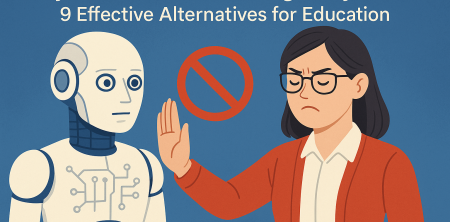
The rise of artificial intelligence (AI) in education has sparked intense debate among educators, parents, and policymakers. While many see AI as a beacon of progress, others argue that it's widening equity gaps and undermining genuine learning experiences. As districts rush to adopt AI tools without adequate governance, the result is not just wasted budgets but also a troubling trend: the compromise of educational integrity. So, what are the AI alternatives for education that can foster real learning and equity among students? Here, we explore nine compelling alternatives that educators and parents can consider.
1. Project-Based Learning: Learning through Real-World Experience
Project-Based Learning (PBL) is a dynamic classroom approach where students gain knowledge and skills by working on projects that investigate and respond to complex questions or challenges. This method emphasizes collaboration, critical thinking, and practical application of knowledge. Unlike AI-driven tools, PBL allows students to engage deeply with the material and develop problem-solving skills, which are essential for the 21st century.
For instance, a PBL unit might involve students working together to create a community garden. They would research the benefits of native plants, learn about environmental science, and collaborate with local organizations. This hands-on experience not only fosters learning but also builds a sense of community and social responsibility, elements often missing in AI-centric education.
2. Experiential Learning: Learning by Doing
Experiential learning is another effective alternative, rooted in the idea that learning occurs through experience. Whether through internships, apprenticeships, or field trips, experiential learning bridges the gap between academic concepts and real-life applications. When students engage in direct experience, they are more likely to retain information and develop essential life skills.
Take the example of students participating in a local food bank initiative. By volunteering, they not only learn about the importance of community service but also gain insights into social justice, nutrition, and teamwork. Such experiences are invaluable, and they promote a balanced and equitable educational experience that AI tools often lack.
3. Collaborative Learning: Empowering Students Through Group Work
Collaborative learning involves students working together to solve problems or complete tasks. This approach nurtures communication skills, camaraderie, and diversity of thought. In contrast to AI, which can sometimes promote individualistic learning paths, collaborative learning creates an inclusive classroom environment where every voice matters.
Imagine a classroom where students are assigned to different roles in a group project about climate change. Each member brings unique insights and strengths, leading to a richer understanding of the topic. This collaborative process not only enhances learning outcomes but also fosters a sense of belonging, which AI tools may fail to provide.
4. Flipped Classroom: Reversing Traditional Learning Models
The flipped classroom model is a pedagogical strategy in which traditional learning environments are inverted. Students learn new content at home—often via videos or readings—and then engage in activities, discussions, and applications in the classroom. This method allows educators to tailor instruction to meet individual student needs, creating a more personalized learning experience.
By leveraging classroom time for interactive and collaborative learning, teachers can address students' questions and reinforce concepts more effectively. This approach contrasts sharply with AI-driven programs that typically offer a one-size-fits-all solution, often ignoring the diverse needs of learners.
5. Peer Teaching: Harnessing the Power of Student Collaboration
Peer teaching is an approach where students take on the role of teacher, helping their classmates understand specific topics or skills. This method not only reinforces the knowledge of the peer teacher but also allows for individualized learning experiences. It encourages students to engage with the material actively rather than passively receiving information from AI tools.
For example, a student who excels in mathematics can tutor peers struggling with the subject. This not only builds confidence in the tutor but also fosters a supportive learning environment. Peer teaching highlights the importance of human interaction in education—something AI alternatives for education often overlook. (See: Project-Based Learning overview.)
6. Service Learning: Merging Community Service and Academic Learning
Service learning integrates community service with academic coursework, allowing students to apply what they learn in the classroom to real-world community needs. This educational approach fosters civic responsibility, empathy, and critical thinking skills. Service learning projects can range from environmental clean-up initiatives to mentoring younger students.
Participating in service learning not only enriches the educational experience but also strengthens communities. As students engage in meaningful projects, they develop a deeper understanding of societal issues, which is often overshadowed by AI's data-driven focus on standardized outcomes. For more context, see best world language learning apps.
7. Mentorship Programs: Building Relationships for Growth
Mentorship programs connect students with mentors—often professionals in their field of interest—enabling them to gain insights and guidance. Unlike AI-driven tools, mentorship fosters personal connections and real-world advice that can significantly impact a student’s educational journey.
For instance, a high school student interested in engineering could be paired with a local engineer who helps them navigate educational choices and career paths. This personalized approach provides students with invaluable resources, networking opportunities, and moral support that AI simply cannot replicate.
8. Creative Arts Integration: Enhancing Learning Through Expression
Integrating creative arts into education allows students to express themselves and understand complex subjects through various mediums. Whether through visual arts, music, or drama, creative arts can enhance engagement and retention of information. Unfortunately, many AI tools do not account for the emotional and expressive aspects of learning.
Consider a history lesson taught through a dramatic reenactment of a significant event. This immersive experience can make history come alive for students, allowing them to connect with the material on a deeper level. By emphasizing creativity, educators can cultivate a richer learning environment where every student thrives.
9. Social-Emotional Learning (SEL): Prioritizing Mental Health and Well-Being
Social-Emotional Learning (SEL) focuses on developing students' skills in managing emotions, setting goals, establishing relationships, and making responsible decisions. Integrating SEL into the curriculum ensures that education is not just about academic achievement but also about nurturing well-rounded individuals.
In contrast to AI, which may prioritize grades and data over emotional intelligence, SEL recognizes the importance of mental health and well-being in students' lives. Programs that teach empathy, resilience, and communication skills are vital in creating a supportive learning atmosphere that benefits all students.
10. Personalized Learning: Tailoring Education to Individual Needs
Personalized learning is all about custom tailoring education to meet the individual needs of each student. Unlike AI-driven systems that might rely on generic algorithms, personalized learning takes into account each learner's strengths, interests, and pace. This approach can involve differentiated instruction strategies, allowing teachers to adapt lessons based on student performance and feedback.
For example, a personalized learning plan could involve allowing students to choose projects based on their interests in a subject, giving them agency and motivation. This kind of flexibility encourages deeper engagement and can lead to better educational outcomes.
11. Hybrid Learning: Blending In-Person and Online Education
Hybrid learning models combine traditional face-to-face instruction with online learning components. This flexibility allows for greater accessibility and can accommodate diverse learning styles. For instance, students may attend physical classes for interactive discussions while completing assignments and assessments online at their own pace.
The hybrid model has gained popularity, particularly since the COVID-19 pandemic, showcasing its potential to adapt to changing circumstances. Schools that implement hybrid learning can provide more inclusive educational experiences, catering to students who might struggle in conventional environments. (See: What is Project-Based Learning?.)
12. Inclusive Education: Making Learning Accessible to All
Inclusive education focuses on ensuring that all students, regardless of their abilities or backgrounds, have access to quality education. This approach not only addresses the needs of students with disabilities but also fosters a culture of acceptance and diversity within the classroom. Teachers can employ various strategies, such as modifying lessons, using assistive technologies, and creating collaborative environments to support all learners.
Research indicates that inclusive classrooms promote higher levels of engagement and academic achievement. This model empowers students to learn from one another and cultivates a sense of belonging that many AI-driven solutions overlook. By prioritizing inclusivity, educators can create a more equitable educational landscape. For more context, see after-school activities for children.
13. Data-Driven Decision Making: Using Data Responsibly
While AI often leverages vast amounts of data to inform educational decisions, it's crucial that data-driven decision-making is approached thoughtfully and ethically. Educators can use assessment data to identify learning gaps and adjust instruction accordingly. However, this should be done with a focus on student well-being, rather than solely on achievement metrics.
For example, schools can analyze performance data to tailor interventions for struggling students, ensuring that support is provided when needed most. This more responsible way of using data emphasizes the human element in education, creating systems that truly serve every student’s needs.
14. Family and Community Engagement: Building Strong Support Networks
Engaging families and communities in the educational process is essential for fostering student success. Schools that actively involve parents and guardians in their child's education can create a supportive network, enhancing student motivation and achievement. Family engagement can take many forms, such as workshops, regular communication about student progress, and events that bring families into the school environment.
Research shows that when families are engaged in their children's education, students are more likely to attend school regularly and perform better academically. By prioritizing family and community involvement, educators can create a holistic approach to learning that AI tools often fail to replicate.
15. Real-World Problem Solving: Connecting Classroom Learning to Global Issues
Addressing real-world issues in the classroom helps students understand the relevance of their education and fosters critical thinking skills. By developing lessons that tackle current events or global challenges, educators can engage students more deeply while also promoting civic awareness.
For example, students might explore topics such as climate change, social inequality, or public health. Through discussions, projects, and simulations, students not only learn content but also develop the ability to analyze complex situations and propose actionable solutions. This integration of real-world problem-solving prepares students to be informed and engaged citizens, a goal that AI technologies cannot fulfill alone.
16. FAQs about AI Alternatives for Education
What are AI alternatives for education?
AI alternatives for education refer to various teaching methods and strategies that focus on enhancing learning without relying heavily on artificial intelligence tools. These include project-based learning, collaborative learning, experiential learning, and more.
How do these alternatives enhance student learning?
These alternatives prioritize personal interaction, critical thinking, and real-world applications. They foster deeper engagement and understanding, which are essential for meaningful learning experiences compared to AI-driven methods. For more context, see support for Title I teachers. (See: Harvard University educational resources.)
Are AI alternatives better for all students?
While these alternatives can benefit many students, each learner has unique needs. It's essential for educators to assess what works best for their students and to combine various approaches to create an inclusive environment.
How can schools implement these alternatives?
Schools can begin by training teachers in these methodologies, seeking community support, and gradually incorporating these strategies into the curriculum. Collaboration among educators can also foster innovation and success in implementing these alternatives.
What role do parents play in supporting AI alternatives for education?
Parents can advocate for these educational methods by engaging with their children's schools, participating in workshops, and encouraging a love for learning at home. Their involvement can significantly enhance the effectiveness of these alternatives.
How do AI alternatives impact educational equity?
AI alternatives often emphasize personalized and inclusive learning experiences, which can help reduce disparities among students. By focusing on community engagement and real-world applications, these methods ensure that education is accessible and relevant to all learners, ultimately promoting equity in educational outcomes.
What challenges are associated with implementing AI alternatives for education?
Some challenges include resistance to change from traditional teaching methods, the need for professional development for educators, and ensuring adequate resources and support for new initiatives. Schools may also face budget constraints that limit their ability to adopt these alternatives comprehensively.
Can technology be integrated into these alternatives?
Absolutely! While these alternatives emphasize human interaction, technology can still play a supportive role. For example, online platforms can facilitate peer collaboration or provide resources for project-based learning. The key is to use technology as a tool that enhances, rather than replaces, the learning experience.
What evidence supports the effectiveness of AI alternatives for education?
Numerous studies indicate that teaching methods centered on collaboration, real-world applications, and emotional learning yield better student engagement and retention. Schools implementing project-based learning, for example, have reported increased motivation and improved academic performance among students compared to traditional methods.
Ultimately, while AI has its place in education, many alternatives focus on fostering real learning, equity, and human connection—elements that are crucial for meaningful educational experiences. As educators and parents seek effective solutions, considering these AI alternatives for education is essential for promoting genuine learning outcomes.
```
Trending Now
Frequently Asked Questions
Why are educators moving away from AI in the classroom?
Educators are concerned that AI tools can widen equity gaps and undermine genuine learning experiences. The rush to adopt AI without proper governance has led to wasted budgets and compromised educational integrity, prompting a search for more effective teaching alternatives.
What are some alternatives to AI in education?
Nine compelling alternatives to AI in education include Project-Based Learning, Experiential Learning, and others that foster real learning and equity among students. These methods emphasize collaboration, critical thinking, and practical applications, ensuring a more holistic educational experience.
How does Project-Based Learning benefit students?
Project-Based Learning (PBL) allows students to engage deeply with material through hands-on projects that address real-world challenges. This approach promotes collaboration, critical thinking, and problem-solving skills, essential for preparing students for the complexities of the 21st century.
What is Experiential Learning and how does it work?
Experiential Learning is a teaching approach where students learn through direct experience, such as internships or field trips. This method bridges the gap between theory and practice, enhancing information retention and equipping students with essential life skills.
Are AI tools effective for learning in schools?
While AI tools offer some benefits, many educators argue they can compromise educational integrity and fail to address equity issues. Alternatives like PBL and Experiential Learning provide more meaningful and engaging educational experiences that better support student development.
What did we miss? Let us know in the comments and join the conversation.

