```html
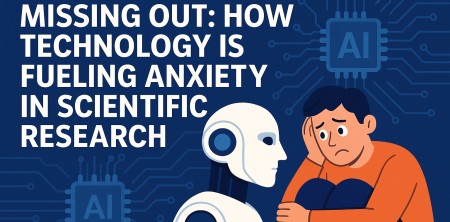
The digital age has brought remarkable advancements, particularly in the realm of artificial intelligence (AI). While these innovations promise to accelerate scientific research and enhance data analysis, a recent study has unveiled an alarming side effect: the AI-driven fear of missing out, or FOMO, which is spreading anxiety among researchers globally. As researchers rely increasingly on AI tools, they find themselves plagued by worries about missing critical data and insights, a phenomenon that could ultimately impact the quality of scientific work and personal well-being.
The Study: A Closer Look
Conducted by a team of experts, the study sheds light on how AI tools designed to analyze semantic similarity in scientific texts have inadvertently fostered an environment of anxiety and insecurity within the research community. Researchers, who once relied on their expertise and intuition, now feel pressured to keep pace with an ever-evolving technological landscape. With AI systems generating insights at an unprecedented speed, many scientists worry that they are falling behind, leading to a profound sense of inadequacy.
This fear is not just a fleeting feeling; it's a long-term emotional burden that can affect productivity, creativity, and overall mental health. The researchers highlighted the fact that this AI-driven FOMO could lead to a vicious cycle, where anxiety prevents scientists from producing their best work, only to further exacerbate their fears of inadequacy.
Understanding AI-Driven FOMO
So, what exactly is AI-driven FOMO? It's a phenomenon where individuals, in this case, researchers, experience anxiety stemming from the belief that they might be missing important developments or data due to the capabilities of AI tools. The study indicates that as AI systems analyze and interpret vast amounts of research content, they can generate insights that are often perceived as more reliable or comprehensive than those derived from traditional methods.
This raises a crucial question: How can one compete with a machine that processes information at lightning speed? The study points out that many researchers report feeling overwhelmed by the sheer volume of data and discoveries made possible by AI, fearing that their work might be seen as outdated or irrelevant. This overwhelming sense of inadequacy can lead to a decline in motivation and self-esteem, seriously impacting their ability to contribute meaningfully to their fields.
The Role of AI Tools in Research
AI tools are lauded for their ability to enhance research efficiency, streamline data analysis, and provide insights that would otherwise take researchers weeks or even months to uncover. Yet, the very same tools that are designed to empower researchers may also be sowing the seeds of anxiety. Researchers now find themselves in a precarious position: while they should be harnessing AI to bolster their work, they also end up competing against it.
This duality creates a paradox where AI tools become both a valuable ally and a formidable competitor. The study reveals that this conflict can lead to self-doubt, as researchers question their own capabilities in light of the advancements facilitated by AI. It begs the need for a paradigm shift in how we view AI's role in research. Rather than being seen solely as tools to surpass human capabilities, AI should be regarded as collaborative partners that augment human intellect, rather than replace it.
Global Implications of AI-Driven FOMO
The implications of AI-driven FOMO extend beyond individual researchers. This anxiety can have a ripple effect throughout the scientific community and society at large. When researchers are overwhelmed by feelings of inadequacy, it can hinder collaboration and knowledge sharing, which are critical components of scientific progress. Fear can stifle innovation as scientists become hesitant to share ideas or embark on new projects.
Furthermore, the global landscape of research is increasingly competitive, with institutions vying for funding, prestige, and recognition. In such an environment, the stakes are high, and those grappling with AI-driven FOMO may find themselves unable to reach their full potential. As a result, critical advancements in fields such as medicine, technology, and environmental science could be delayed or even lost.
The Call for Stricter AI Safeguards
One of the most pressing issues highlighted by the study is the urgent need for stricter AI safeguards. Experts are calling for a re-evaluation of how AI tools are developed and implemented in research environments. If AI is to continue being a valuable asset, it must be designed with user well-being in mind.
Developers and policymakers must prioritize ethical considerations when creating AI systems. This includes ensuring that researchers have the necessary training to effectively utilize AI tools, while also fostering a culture where questions and concerns about AI's role in research can be openly discussed. Transparency in AI algorithms and outputs can help alleviate some of the anxiety researchers feel, as they can better understand how these tools work and what limitations they may have. (See: Nature article on AI in research.)
Addressing Mental Health Concerns
The mental health implications of AI-driven FOMO are profound. Anxiety, stress, and self-doubt are common experiences among researchers grappling with the rapid pace of technological advancement. Institutions and universities have a responsibility to prioritize mental health resources for their academic communities. By providing access to counseling, support groups, and workshops, they can help researchers navigate the emotional challenges posed by AI.
Encouraging open conversations about mental health within the research community can also help reduce stigma. When researchers feel comfortable discussing their struggles, they are less likely to feel isolated in their experiences. Peer-support networks can be instrumental in providing reassurance and understanding, fostering a sense of solidarity among those grappling with similar feelings.
Finding Balance: Collaboration Over Competition
To combat AI-driven FOMO, a shift in mindset is essential. Researchers need to embrace the idea of collaboration over competition. Viewing AI as a partner rather than an adversary can help alleviate feelings of inadequacy. This can be achieved through interdisciplinary approaches that combine human expertise with AI capabilities, leading to more meaningful outcomes.
Furthermore, institutions can promote collaborative research projects that emphasize teamwork and shared knowledge. When researchers come together to tackle complex problems, they're more likely to share insights, support one another, and ultimately produce better results. This collaborative spirit can help diminish the fear of missing out, as researchers recognize that they are part of a larger community working towards common goals.
Encouraging a Healthy Relationship with Technology
As researchers navigate the complexities of AI-driven FOMO, fostering a healthy relationship with technology becomes crucial. This means cultivating a sense of curiosity and exploration rather than dread and competition. Researchers should view AI tools as opportunities for growth and enrichment, rather than threats to their expertise.
Developing critical thinking skills is also essential. Researchers need to critically assess the outputs generated by AI, recognizing that while technology can offer valuable insights, it's not infallible. By balancing AI-generated data with human intuition, creativity, and expertise, researchers can enhance their work while mitigating the anxiety associated with relying solely on AI.
The Future of Research in an AI-Driven World
As AI continues to transform the landscape of scientific research, it's essential to strike a balance between leveraging its capabilities and addressing the emotional toll it can take on researchers. The findings of this groundbreaking study serve as a wake-up call for the scientific community, urging both developers and researchers to work collaboratively in navigating this new territory.
The AI-driven fear of missing out may be a contemporary challenge, but overcoming it is not insurmountable. By promoting ethical AI practices, prioritizing mental health, and encouraging collaboration, the research community can create an environment that fosters innovation, creativity, and well-being. Only then can researchers harness the full potential of AI while maintaining confidence in their invaluable contributions to science.
Exploring Case Studies: The Real-World Impact of AI-Driven FOMO
To get a clearer picture of how AI-driven FOMO manifests in real-world settings, it’s helpful to examine specific case studies from different fields of research. For instance, in the realm of biomedical research, AI tools are increasingly used to analyze genomic data, leading to rapid advancements in personalized medicine. However, researchers working on traditional methods may feel overshadowed by AI-generated breakthroughs, leading to a sense of urgency and fear of obsolescence.
A specific example comes from a team at a leading university that utilized AI to analyze drug interactions. The AI system was able to identify potential new compounds much faster than traditional methods. While this led to groundbreaking findings, some researchers on the team reported feelings of inadequacy, fearing that their skills would become obsolete. This tension between AI advancements and human expertise highlights the need for collaborative methodologies that integrate both AI and human insight.
Comparative Analysis: Traditional Research vs. AI-Augmented Research
When you compare traditional research methods with those enhanced by AI, the contrast becomes striking. Traditional research often relies heavily on manual data collection, hypothesis testing, and peer collaboration, which can be time-consuming and labor-intensive. In contrast, AI tools can sift through vast datasets in seconds, identifying patterns and anomalies that may take human researchers days or weeks to uncover.
However, while AI can generate findings swiftly, it often lacks the contextual understanding that human researchers bring to the table. For example, an AI might pinpoint a correlation between two variables, but a human researcher is likely to understand the implications of those findings more deeply and in the context of existing theories and frameworks. This interplay showcases the importance of collaboration, as researchers can leverage AI’s speed while applying their expertise to interpret and contextualize the results. (See: CDC resources on technology and mental health.)
Statistics That Matter: The Scope of AI-Driven FOMO
Understanding the scale of AI-driven FOMO requires looking at relevant statistics. According to a recent survey conducted among researchers, over 65% reported experiencing anxiety linked to the rapid advancements in AI technologies within their fields. Moreover, nearly 70% expressed concerns that they might miss out on important breakthroughs if they didn’t adapt to using AI tools.
In a related study, researchers who incorporated AI into their work reported a significant increase in productivity. However, this was accompanied by increased stress levels, with 58% indicating that they felt overwhelmed by the pace of change. This dichotomy highlights the complexity of AI's impact on the research community, underscoring the need for strategies that can mitigate the negative aspects while enhancing the positive effects.
Expert Perspectives: Voices from the Research Community
Experts in the field of AI and mental health have been vocal about the implications of AI-driven FOMO. Dr. Jane Thompson, a psychologist specializing in workplace anxiety, emphasizes the importance of addressing the emotional challenges presented by new technology. "It's crucial for researchers to acknowledge that feelings of inadequacy are common when faced with rapid innovation. Open discussions about these feelings can help normalize the experience and foster a healthier work environment,” she states.
On the technological side, Dr. Alan Richards, an AI researcher, advocates for a more integrative approach. "AI should be viewed as a tool to enhance human capabilities, not as a replacement. By fostering a collaborative relationship between AI and researchers, we can leverage the strengths of both," he notes. His insights suggest that creating a culture of collaboration can significantly alleviate the pressures and fears tied to AI advancements.
FAQs: Navigating the AI-Driven Research Landscape
What is AI-driven fear of missing out (FOMO)?
AI-driven FOMO refers to the anxiety researchers experience when they believe they might be missing critical data, insights, or advancements in their field due to the rapid capabilities of AI tools.
How can researchers cope with AI-driven FOMO?
Researchers can cope by fostering collaboration with AI rather than competition, seeking mental health resources, and engaging in open conversations about their experiences with peers.
What role do institutions play in mitigating AI-driven FOMO?
Institutions can provide training on AI tools, promote mental health resources, and create collaborative research environments that facilitate knowledge sharing and teamwork.
Are there specific fields more affected by AI-driven FOMO?
While AI-driven FOMO can impact various fields, areas like biomedical research, data science, and technology development are particularly susceptible due to the speed of advancements and the reliance on data analysis.
How can AI tools be made more user-friendly for researchers?
Developers should focus on transparency, provide training, and ensure that AI outputs are complemented with contextual information to make them more accessible and less intimidating for researchers.
Is there a solution to AI-driven FOMO?
Yes, fostering a culture of collaboration, emphasizing the importance of mental health, and promoting ethical AI practices can help create an environment where researchers feel supported and valued, alleviating feelings of inadequacy.
Future Trends: How AI Will Shape Research Going Forward
As AI technology continues to develop, it's important to anticipate how it will reshape research methodologies and the emotional landscape of those involved. We can expect to see AI tools becoming more intuitive and accessible, reducing the learning curve for researchers unfamiliar with technology. This evolution could diminish feelings of inadequacy as more researchers become proficient in utilizing AI tools effectively.
Moreover, the trend towards interdisciplinary collaboration is likely to grow. Fields such as bioinformatics or environmental data science are already combining expertise from multiple disciplines, fostering innovation. This merging of minds will not only enhance the quality of research but also create a supportive environment where researchers can share both their successes and their struggles with AI tools. Such an environment could reduce the stigma associated with feelings of inadequacy, as it normalizes the learning process and encourages mutual support.
The Importance of Ethical Guidelines in AI Research
As AI continues to permeate research practices, establishing ethical guidelines is critical to safeguard against the potential negative impacts of AI-driven FOMO. Researchers need frameworks that guide the ethical use of AI, ensuring transparency in how data is processed and interpreted. Ethical guidelines should also address the mental well-being of researchers, promoting practices that prioritize emotional health alongside scientific advancement.
For instance, institutions can implement policies that provide researchers with access to training in both AI tools and mental health resources. This training can help researchers develop coping strategies for stress related to AI integration and cultivate a healthier relationship with technology. Encouraging researchers to take breaks and disconnect from AI-driven tools can also reduce anxiety and foster creativity.
Community Initiatives: Fostering Resilience Against AI-Driven FOMO
Some institutions have already begun implementing community initiatives aimed at fostering resilience against AI-driven FOMO. For example, workshops that focus on developing emotional intelligence and resilience can empower researchers to better handle stress and feelings of inadequacy. These workshops can include role-playing scenarios or group discussions where researchers share their experiences, offering strategies to cope with the pressures brought on by AI.
Additionally, mentorship programs can pair early-career researchers with seasoned professionals who have navigated similar challenges. Such relationships can provide guidance, emotional support, and practical advice on integrating AI into research without sacrificing individual expertise.
Conclusion: Embracing the Future of Research
In navigating the complexities of AI-driven FOMO, the research community stands at a pivotal crossroads. By embracing collaboration, promoting mental health, and adhering to ethical guidelines, researchers can foster a culture that mitigates the anxiety associated with rapid technological advancements. The future of research lies not in competing with AI, but in recognizing the unique strengths that both AI and human researchers bring to the table. Together, they can pave the way for groundbreaking discoveries that push the boundaries of what we understand about our world.
```
Trending Now
- this guide on unlock your potential as an ios developer: join nooro’s mission to revolutionize pain management
- our breakdown of unlock your students’ potential: 20 essential phonemic awareness activities for kindergarten teachers
- our breakdown of recognizing pragmatic language disorders in kindergarten: key signs and strategies for parents and educators
- our breakdown of unlocking the power of language: how pragmatics shapes conflict resolution skills in children
Frequently Asked Questions
What is AI-driven fear of missing out?
AI-driven fear of missing out, or FOMO, refers to the anxiety researchers experience when they believe they may be missing critical data or insights due to the rapid advancements of AI tools. This phenomenon can lead to feelings of inadequacy and pressure to keep up with technological changes in scientific research.
How does AI contribute to anxiety among researchers?
AI contributes to anxiety among researchers by generating insights at an unprecedented speed, creating pressure to stay updated. As researchers increasingly rely on AI tools, they may feel overwhelmed by the fear of falling behind, which can negatively impact their productivity and mental health.
What are the effects of AI-driven FOMO on scientific work?
AI-driven FOMO can significantly affect scientific work by diminishing productivity and creativity. The anxiety stemming from the fear of missing out can prevent researchers from producing their best work, creating a vicious cycle that exacerbates feelings of inadequacy and insecurity.
Can AI tools improve scientific research?
Yes, AI tools can enhance scientific research by accelerating data analysis and providing valuable insights. However, the reliance on these tools can also lead to the AI-driven fear of missing out, where researchers feel pressured and anxious about keeping up with rapid technological advancements.
What should researchers do to cope with AI-driven anxiety?
To cope with AI-driven anxiety, researchers can focus on developing a balanced approach to technology use, prioritize self-care, and foster collaborative environments that encourage sharing knowledge. Engaging in discussions about AI's role in research can also help alleviate feelings of inadequacy and enhance overall well-being.
What's your take on this? Share your thoughts in the comments below — we read every one.

