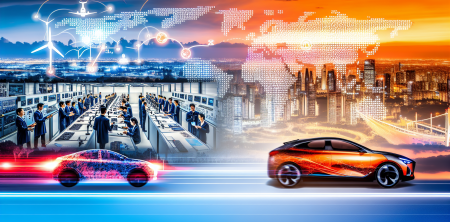
The automotive landscape is undergoing significant transformations as major players adapt to market demands and technological advancements. Recent announcements from Stellantis, Rivian, and Hyundai highlight a proactive approach to growth and innovation within the industry.
Stellantis Expands Workforce by 10,000 Jobs
Stellantis, the multinational automotive manufacturer formed by the merger of Fiat Chrysler Automobiles and PSA Group, has announced plans to add 10,000 new jobs across its various operations. This decision comes as part of the company's strategic expansion efforts aimed at enhancing production capabilities and meeting the increasing demand for both traditional and electric vehicles.
According to Stellantis executives, this workforce expansion will not only bolster manufacturing but also enable the company to invest in advanced technologies and sustainable practices. The move is expected to create new positions in engineering, production, and electric vehicle development.
“We are making significant investments to ensure Stellantis remains a leader in the automotive industry,” said Carlos Tavares, CEO of Stellantis. “This job creation is a testament to our commitment to innovation and sustainability.”
Focus on Electrification and Sustainability
The recruitment drive aligns with Stellantis's broader strategy to pivot towards electrification, aiming to sell a majority of its vehicles as electric or hybrid by the end of the decade. This shift is crucial as global markets increasingly demand greener transportation solutions.
- Investment in EV Development: Stellantis plans to invest heavily in electric vehicle technology, including battery production and charging infrastructure.
- Environmental Goals: The company aims to reduce its carbon footprint significantly through sustainable manufacturing processes.
- Global Reach: The new jobs will be distributed across various regions, reflecting Stellantis's commitment to its diverse markets.
Rivian Secures Direct-Sales Approval in Washington
In a significant victory for direct-to-consumer sales in the electric vehicle sector, Rivian has received approval to sell its vehicles directly to customers in Washington State. This regulatory change permits Rivian to bypass traditional dealership models, allowing for a more streamlined purchasing process.
The approval is part of a growing trend where states are recognizing the need to adapt their laws to accommodate the unique business models of electric vehicle manufacturers. Rivian's approach emphasizes customer experience and ease of access, which are crucial in an increasingly competitive market.
Implications for Consumers and the Market
The direct-sales model presents several benefits:
- Enhanced Customer Experience: Consumers can engage directly with the manufacturer, leading to a more personalized buying experience.
- Price Transparency: Eliminating the dealership middleman can help ensure more straightforward pricing structures.
- Increased Availability: Rivian’s strategy allows for greater control over inventory and availability of its electric trucks and SUVs.
Rivian has positioned itself as a leader in the electric adventure vehicle segment, launching models like the R1T pickup and R1S SUV, which have garnered significant interest. With this new approval, Rivian is poised to enhance its market presence and connect more directly with its customer base.
Hyundai's Ambitious Plans for Diverse Models
Meanwhile, Hyundai is setting ambitious goals for the future with plans to launch 36 new models by the year 2030. This initiative reflects the company’s commitment to electrification and diversification within its vehicle offerings.
The forthcoming models will encompass a range of electric, hybrid, and fuel-cell vehicles, aimed at catering to diverse consumer preferences and addressing evolving market needs.
Strategic Focus Areas
Hyundai’s strategy is multifaceted, focusing on various aspects of vehicle development:
- Electrification: A significant portion of the new models will be electric, contributing to Hyundai's goal of achieving carbon neutrality by 2045.
- Diverse Segments: The lineup will include vehicles across different segments, ensuring that Hyundai appeals to a wide range of consumers.
- Advanced Technology: Hyundai plans to incorporate cutting-edge technologies, enhancing safety, connectivity, and autonomous driving features.
“Our goal is to lead the automotive industry in sustainability and innovation,” stated José Muñoz, CEO of Hyundai Motor North America. “With our new models, we aim to meet the diverse needs of our customers while contributing to a cleaner environment.”
Conclusion
The announcements from Stellantis, Rivian, and Hyundai signify a pivotal moment in the automotive industry as manufacturers adapt to the demands of the modern consumer and the urgent need for sustainable practices. As these companies expand their workforce, streamline their sales processes, and diversify their model offerings, they are not just responding to current trends but are also shaping the future of transportation.

