```html
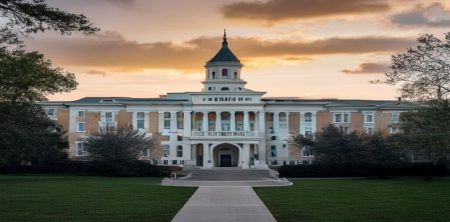
Historically Black Colleges and Universities (HBCUs) hold a significant place in American education, offering not only academic excellence but also a unique cultural experience. With a rich history dating back to the 19th century, HBCUs have been pivotal in providing African American students access to higher education. In this article, we will explore the best HBCU campuses, highlighting their distinctive features, academic offerings, campus culture, and the sense of community they foster. Let's dive into the top nine HBCU campuses that stand out for their commitment to education, diversity, and student support.
1. Howard University: A Legacy of Excellence
Located in Washington, D.C., Howard University is one of the most prestigious HBCUs in the United States. Founded in 1867, it has a storied legacy of producing influential alumni, including civil rights leader Thurgood Marshall and actress Chadwick Boseman. The campus itself is a vibrant hub of cultural and academic activity, featuring a mix of historical buildings and modern facilities.
Howard offers over 120 degree programs across various disciplines, with notable strengths in law, business, and health sciences. Its College of Medicine is particularly renowned, attracting students from around the globe. The university also emphasizes research, providing numerous opportunities for students to engage in groundbreaking projects.
Additionally, Howard University is home to a diverse array of student organizations and cultural events. The homecoming celebration attracts thousands of alumni and guests, showcasing the university's rich traditions. Whether it’s the annual Howard University Homecoming or various cultural showcases, students experience a sense of pride in their institution and community.
2. Spelman College: Empowering Women of Color
Spelman College, located in Atlanta, Georgia, is the leading HBCU for women. Since its founding in 1881, Spelman has focused on empowering African American women through education. The campus is known for its stunning Gothic architecture, beautiful gardens, and a strong sense of community among students.
The college offers a comprehensive liberal arts education with a strong emphasis on leadership and social justice. Spelman graduates are known for their impactful careers in various fields, and the college consistently ranks among the best liberal arts colleges in the nation. It also hosts numerous events and programs aimed at fostering a sense of belonging and support for its students.
A highlight of Spelman's commitment to its students is the Spelman Leadership Institute, which prepares young women for leadership roles in their careers and communities. The college's dedication to women's empowerment is further reflected in its strong network of alumnae, many of whom take active roles in mentoring current students and supporting initiatives that promote women's leadership and education.
3. Florida A&M University: A Cultural Mecca
Florida A&M University (FAMU) in Tallahassee, Florida, is celebrated for its vibrant campus culture and commitment to academic success. Established in 1887, FAMU has a diverse student body and offers a wide array of undergraduate and graduate programs. The campus is known for its historic buildings and lush green spaces, creating an inviting environment for learning. See also student readiness report.
FAMU's School of Business and Industry is acclaimed for its rigorous programs and emphasis on real-world experience, while the College of Pharmacy and Pharmaceutical Sciences is recognized for its cutting-edge research. The university also boasts an active student life with over 300 student organizations, making it easy for students to connect and engage.
FAMU's commitment to cultural heritage is prominent as well. The university hosts events such as the annual FAMU Homecoming and the Florida A&M University Gospel Choir, which enrich the community's cultural landscape. These experiences provide students with opportunities to express themselves artistically and connect with their roots, creating a strong sense of identity and pride.
4. Texas Southern University: A Hub of Innovation
Texas Southern University (TSU) in Houston, Texas, is known for its commitment to academic excellence and innovation. Founded in 1927, TSU offers a variety of programs in fields such as law, business, and the arts. The campus has a contemporary feel, with state-of-the-art facilities that support student learning and growth.
TSU's Thurgood Marshall School of Law is one of the top HBCU law schools in the country, emphasizing social justice and public service. Additionally, the university hosts the TSU Global Institute for African American Studies, which promotes research and scholarship related to the African diaspora. This dedication to advancing knowledge and community engagement makes TSU a standout choice.
Moreover, TSU's dedication to innovation is reflected in its partnerships with local businesses and organizations, allowing students to gain practical experience through internships and collaborative projects. The university also emphasizes entrepreneurship, encouraging students to develop their business ideas and prepare for the modern workforce. (See: Historically Black Colleges and Universities.)
5. North Carolina A&T State University: Engineering a Bright Future
North Carolina A&T State University in Greensboro is recognized as one of the leading HBCUs specializing in STEM (science, technology, engineering, and mathematics) education. Established in 1891, A&T offers a wide range of degree programs and is particularly known for its engineering and agricultural programs.
The university's College of Engineering consistently ranks among the best in the nation for African American students. A&T is also home to the renowned Blue and Gold Marching Machine band, which showcases the vibrant spirit of the campus community. With a strong focus on research and innovation, A&T empowers students to excel in their chosen fields.
A&T has made significant strides in not just education, but also outreach. The university's partnerships with local schools promote STEM education among younger students, fostering interest in these critical fields. The Aggie Entrepreneurship Initiative also equips students with the skills needed to launch their own startups, further enhancing their career prospects after graduation.
6. Hampton University: A Beacon of Tradition
Hampton University, located in Hampton, Virginia, has a rich history dating back to 1868. The campus is known for its stunning waterfront views and a strong commitment to academic excellence. Hampton offers a diverse range of undergraduate and graduate programs, with notable strengths in business, education, and the arts.
The university emphasizes leadership development and community service, encouraging students to engage with the world around them. Hampton's emphasis on cultural heritage is reflected in its many programs, including the annual Hampton University Museum's exhibitions celebrating African American art and history. This commitment to tradition and innovation makes Hampton a unique HBCU campus.
Hampton's commitment to service extends beyond the classroom, as students are encouraged to participate in community service projects that address local and global issues. The university also hosts numerous cultural events that celebrate African American history, allowing students to connect with their heritage and develop a sense of responsibility to serve their communities.
7. Tuskegee University: Innovating for a Better Tomorrow
Tuskegee University in Alabama is recognized for its historical significance and commitment to agricultural research and education. Founded in 1881 by Booker T. Washington, Tuskegee has a legacy of producing leaders in agriculture, engineering, and health sciences.
The university's College of Agriculture, Environment, and Nutrition Sciences is known for its pioneering research and programs focused on sustainability and food systems. Tuskegee also emphasizes character development and community engagement, reflecting the core values of its founder. The beautiful campus, combined with its strong academic offerings, makes Tuskegee one of the best HBCU campuses.
In addition to its academic strengths, Tuskegee focuses on hands-on learning through its many outreach programs, which connect students with farmers and agricultural businesses to develop sustainable practices. The university also emphasizes the importance of social responsibility, encouraging students to think critically about the impact of their work on communities and the environment.
8. Clark Atlanta University: A Catalyst for Change
Clark Atlanta University (CAU) in Atlanta, Georgia, is known for its commitment to social justice and academic excellence. Established in 1988 through the merger of two historic institutions, CAU has a strong focus on graduate education, particularly in public policy, social work, and business.
The university actively encourages students to engage with social issues, fostering a campus culture of activism and advocacy. CAU's location in Atlanta, a city rich in civil rights history, further enhances its mission to prepare students to be change agents. With a diverse student body and engaging programs, Clark Atlanta University is a key player among the best HBCU campuses. cultivating change agents offers useful background here.
CAU's commitment to social justice is further exemplified through initiatives like the CAU Community Development Corporation, which provides resources and support for local communities. The institute also hosts forums and events that address social issues, allowing students to engage in meaningful discussions and develop actionable solutions.
9. Morehouse College: The Only All-Male HBCU
Morehouse College, also in Atlanta, Georgia, is the only all-male HBCU and has produced some of the most notable African American leaders, including Dr. Martin Luther King Jr. and filmmaker Spike Lee. Since its founding in 1867, Morehouse has emphasized academic rigor, leadership development, and the importance of a strong moral compass.
The college offers a range of undergraduate programs, with strong concentrations in business and the sciences. Morehouse encourages its students to embrace their identities and engage in community service, promoting a lifelong commitment to social justice and equity. This unique focus on the development of young Black men sets Morehouse apart as one of the best HBCU campuses. (See: Social Determinants of Health.)
Morehouse also emphasizes the creation of a brotherhood and support system among its students. The Morehouse Men program provides mentorship and guidance, helping students navigate academic and personal challenges. This nurturing environment fosters lifelong friendships and connections that extend well beyond graduation.
The Impact of HBCUs on Society
HBCUs play an essential role in the broader context of American society. They not only educate students but also serve as cultural and social hubs for African American communities. By emphasizing the importance of heritage, social justice, and community service, these institutions contribute to the development of leaders who are committed to making a difference.
Statistics reveal that HBCUs produce a significant percentage of African American professionals in fields such as education, engineering, and health. For example, HBCUs are responsible for nearly 30% of all African American graduates with bachelor's degrees in STEM fields. This statistic emphasizes the essential role HBCUs play in addressing the educational disparities that exist in the United States.
Moreover, HBCUs are often at the forefront of social movements. Many prominent leaders who have emerged from these institutions have made substantial contributions to civil rights, politics, and social reform. Their influence continues to inspire current students to engage in activism and advocacy, ensuring that the legacy of change endures.
Campus Life at HBCUs
Campus life at HBCUs is vibrant and unique, emphasizing community and cultural engagement. Students often describe their experiences as family-like, where they can find support and encouragement among peers and faculty. This sense of belonging is crucial for academic success and personal growth.
Many HBCUs host cultural events, lectures, and performances that showcase African American history and contributions. For example, events like the Soul Food Festival at FAMU and Spelman's annual Arts and Ideas Festival provide students with opportunities to celebrate their culture and heritage. These events not only highlight academic pursuits but also foster community and camaraderie.
Additionally, student organizations play a vital role in promoting campus involvement. From Greek organizations to multicultural clubs, HBCUs provide a diverse range of extracurricular activities. These groups enable students to pursue their interests, build leadership skills, and cultivate lifelong friendships.
Investment in the Future
HBCUs are increasingly becoming vital players in the higher education landscape due to their commitment to innovation and adaptability. With the rise of online learning and changing job market needs, many HBCUs are investing in technology and infrastructure to ensure their students are well-prepared for the future. This builds on top HBCU ranking.
For instance, North Carolina A&T State University recently invested in expanding their engineering programs to include more hands-on learning experiences and state-of-the-art labs. This not only enhances the education for current students but also attracts prospective students who are eager to engage in advanced technical fields.
Moreover, many HBCUs are forming partnerships with tech companies and other industries to provide students with internship opportunities and real-world experience. This proactive approach helps students to develop networks that can bolster their career prospects after graduation. For example, Howard University has collaborated with various tech companies to create internship programs that focus on diversity in technology fields.
Frequently Asked Questions (FAQ)
What are HBCUs?
Historically Black Colleges and Universities (HBCUs) are institutions of higher education established before 1964 with the goal of providing education to African Americans. They play a crucial role in promoting academic excellence and cultural awareness.
Why are HBCUs important?
HBCUs are vital for providing access to education for African American students, fostering a sense of community, and promoting cultural heritage. They have produced many influential leaders and professionals across various fields. (See: Associated Press News.)
How do HBCUs differ from other universities?
HBCUs focus on the unique educational needs and cultural experiences of African American students. They often emphasize community engagement, leadership development, and social justice, providing a supportive environment that promotes success.
Can anyone attend an HBCU?
Yes! While HBCUs were founded to serve African American students, they are open to students of all races and ethnicities. The diverse environment enriches the educational experience for everyone.
What kinds of programs do HBCUs offer?
HBCUs offer a wide range of undergraduate and graduate programs across various disciplines, including arts and humanities, sciences, engineering, business, and education. They are known for their strong programs in fields like health sciences and law.
What is the significance of HBCUs in STEM fields?
HBCUs are significant in STEM fields as they produce a substantial percentage of African American graduates in these areas. They work to address the underrepresentation of minorities in these critical sectors, fostering a new generation of scientists, engineers, and technologists through targeted programs and partnerships.
How do HBCUs support their students academically?
HBCUs support their students through various academic resources, including tutoring programs, mentoring, and dedicated faculty who prioritize student success. Many HBCUs also have academic support centers that offer workshops and individualized assistance to help students navigate their academic journeys.
What role do alumni play in HBCU communities?
Alumni play a crucial role in HBCU communities by providing mentorship, networking opportunities, and financial support. They often return to campus to share their experiences, offer internships, and contribute to scholarship funds, ensuring that the next generation has the resources they need to succeed.
The Future of HBCUs
The future of HBCUs looks bright as they continue to adapt to changing educational landscapes and societal needs. With increasing recognition of their value in promoting diversity and inclusion, many institutions are receiving more funding and support from both government and private entities. This shift enables HBCUs to expand their programs, enhance facilities, and improve resources for students. There's a fuller look at NFL partnerships for students.
As we look ahead, HBCUs are also focusing on global engagement. Many institutions are establishing partnerships with universities abroad, offering students unique opportunities for study abroad programs and international research. This global perspective prepares students to thrive in a diverse world and meet the challenges of a globalized economy.
In summary, the best HBCU campuses provide students with exceptional educational opportunities, a rich cultural experience, and a supportive community. Each of these institutions not only excels academically but also plays a vital role in shaping the future of their students. From historical legacies to innovative programs, HBCUs continue to be a cornerstone of higher education for African Americans and a beacon of hope for future generations.
```
Trending Now
Frequently Asked Questions
What is the best HBCU campus?
Howard University is often regarded as one of the best HBCU campuses due to its prestigious history, diverse academic offerings, and vibrant campus culture. It boasts over 120 degree programs and has produced influential alumni, contributing significantly to its reputation.
What makes HBCUs unique?
HBCUs are unique because they provide not only academic excellence but also a rich cultural experience rooted in African American history. They foster a strong sense of community and support, emphasizing diversity and empowerment among their students.
What programs are offered at Howard University?
Howard University offers a wide range of over 120 degree programs, with notable strengths in law, business, and health sciences. Its College of Medicine is particularly renowned, attracting students from around the world for its research opportunities.
Why is Spelman College significant?
Spelman College is significant as the leading HBCU for women, focusing on empowering African American women through education. Founded in 1881, it has a long-standing commitment to fostering academic excellence and leadership among its students.
What events are celebrated at HBCUs?
HBCUs celebrate various cultural events, with homecoming being a major highlight. For instance, Howard University's homecoming attracts thousands of alumni and guests, showcasing the university's traditions and fostering a sense of pride within the community.
Have you experienced this yourself? We'd love to hear your story in the comments.

