```html
Whether you're a budding musician or a seasoned performer, having the right tools can significantly enhance your practice sessions. Among these tools, a metronome plays a crucial role. It keeps you in time and helps establish a solid rhythmic foundation for your playing. In this article, we’ll explore the best metronomes available today to help you find the right one for your practice routine.
1. What is a Metronome?
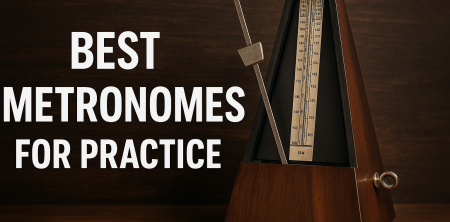
A metronome is a device that produces a steady beat, typically used to help musicians maintain a consistent tempo during practice. It can be mechanical or digital, and the sound it produces varies from a ticking noise to a more sophisticated series of beeps or clicks. Metronomes are available in various forms, from simple pendulum types to advanced digital models with a range of features.
The origins of the metronome date back to the early 19th century, primarily attributed to Johann Nepomuk Mälzel, who patented the device in 1815. It has since become an indispensable tool for musicians across all genres and skill levels, ensuring that rhythm is mastered in practice before being applied in performances.
2. Why Use a Metronome?
The benefits of using a metronome are numerous. For starters, it helps develop your sense of timing, which is essential for any musician. Without a strong internal clock, even the most technically proficient player can struggle to stay in sync with other musicians during ensemble performances.
Additionally, practicing with a metronome encourages discipline. By pushing yourself to play at various tempos, you can gradually improve your speed and accuracy. Many musicians find that practicing scales, arpeggios, or challenging pieces with a metronome leads to more efficient practice sessions and better overall performance.
3. Types of Metronomes
Metronomes come in various types, each with unique features that cater to different needs. Here are the most common types:
- Mechanical Metronomes: These traditional devices use a pendulum mechanism to produce a ticking sound. They're simple and reliable but can be less precise than digital options.
- Digital Metronomes: These electronic devices offer various features, including adjustable tempo ranges, different sound options, and sometimes even built-in rhythms. They can be more versatile than mechanical ones, making them popular among modern musicians.
- Apps: With the rise of smartphones, many musicians now use metronome apps that can be downloaded easily. These apps often come with additional features such as visual cues, customizable beats, and even practice reminders.
4. Top 8 Best Metronomes for Practice
Now that we've covered the basics, let’s take a closer look at eight of the best metronomes available today:
4.1 Korg MA-2
The Korg MA-2 is a compact and easy-to-use digital metronome with a clear LCD display. It allows you to adjust the tempo from 30 to 252 BPM, catering to various musical styles. This metronome also features a built-in speaker and headphone jack for personal practice. One notable aspect is its ability to provide beat variations like 2/4, 3/4, and 4/4, which adds versatility to your practice sessions.
4.2 Boss DB-90
The Boss DB-90 is known for its comprehensive features, making it a favorite among serious musicians. This metronome offers advanced rhythm features and can store up to 50 user-defined settings. With a tempo range of 40 to 208 BPM and various rhythms, it caters to both beginners and advanced players. The DB-90 also supports a visual metronome function, which is helpful for those who prefer seeing the beat.
4.3 Seiko SQ50-V
The Seiko SQ50-V is a mechanical and digital hybrid metronome. Its classic design appeals to traditionalists, while it features an easy-to-read LCD and a range of tempos from 40 to 208 BPM. The SQ50-V is compact, making it portable for musicians on the go. Its unique design allows users to switch between a mechanical ticking sound and digital beeps, which adds an element of customization to your practice.
4.4 Wittner 836T
If you prefer a mechanical option, the Wittner 836T is a top choice. This classic pendulum metronome is known for its precision and durability. The winding mechanism is simple, and it produces a clear, audible tick. While it lacks the advanced features of digital models, its reliability and traditional aesthetic make it a beloved choice for many musicians. (See: Wikipedia article on metronomes.)
4.5 Soundbrenner Pulse
The Soundbrenner Pulse is a unique metronome that differentiates itself with a wearable design. It vibrates to provide a tactile beat, which is especially useful for musicians who struggle to hear traditional metronomes over their instrument. The Pulse also connects to your smartphone via Bluetooth, allowing you to customize your tempo, subdivisions, and even practice sessions through an app.
4.6 Free Metronome Apps
For those on a budget, numerous free metronome apps cater to all platforms. Apps like Metronome Beats and Soundbrenner's Metronome provide a wealth of features without the price tag. These apps often allow for tempo adjustments, beat variations, and even rhythmic patterns, making them excellent options for beginners and pros alike.
4.7 Tama Rhythm Watch RW200
The Tama Rhythm Watch RW200 is a powerful digital metronome that offers an impressive range of features. It has a tempo range of 30 to 250 BPM and includes a variety of sounds to choose from. The RW200 also integrates a visual metronome function, which is perfect for situations where sound may not be an option, such as quiet practice or ensemble rehearsals.
4.8 Matrix M2 Metronome
Lastly, the Matrix M2 is a compact digital metronome that offers essential features without overwhelming complexity. With a tempo range of 30 to 250 BPM and a clear display, it’s perfect for beginner musicians looking to develop their timing skills. Its simple design and ease of use make it a reliable choice for any practice session.
5. How to Choose the Right Metronome
Choosing the right metronome depends on several factors, including your musical style, skill level, and personal preferences. Here are some considerations to keep in mind:
- Type of Music: Consider the genre you primarily play. If you often switch between styles, a versatile metronome with multiple time signatures and rhythms might be beneficial.
- Portability: If you travel frequently or perform in various locations, a compact and lightweight metronome or app could make your practice sessions easier.
- Features: Decide what features are essential for your practice. Do you need advanced rhythms, visual aids, or simply a reliable ticking sound? Choose accordingly.
6. Tips for Practicing with a Metronome
Practicing with a metronome can be a game-changer, but it's essential to use it effectively. Here are some tips to maximize your practice time:
- Start Slow: Begin practicing at a slower tempo where you feel comfortable. Gradually increase the speed as your skills improve.
- Use Subdivisions: Divide beats into smaller subdivisions, like eighth notes or triplets. This will help you develop a stronger sense of timing.
- Mix It Up: Don’t just stick with one tempo. Try different tempos and rhythms to challenge yourself and enhance your versatility.
7. The Future of Metronomes: Digital Advancements
As technology continues to evolve, so does the world of metronomes. Digital advancements have introduced features like interactive beat visualization, AI-generated rhythms, and even integration with practice software. These innovations can provide a more engaging practice experience.
Additionally, the rise of AI-driven applications allows users to receive personalized feedback based on their playing. For instance, some apps can analyze your timing and offer suggestions on areas for improvement, making your practice sessions even more productive.
8. Common Features of the Best Metronomes
When selecting the best metronomes, there are several features you may want to consider to find the model that best suits your needs. Here’s a breakdown of some of the most common features to look for:
- Tempo Range: The ability to adjust the tempo to a wide range, typically between 30 and 250 BPM. This allows you to practice at different speeds.
- Time Signatures: The capability to set different time signatures like 4/4, 3/4, 6/8, etc., which is crucial for practicing various styles of music.
- Sound Options: Different sound settings help cater to personal preferences. Some musicians prefer a click sound, while others may opt for a more melodic tone.
- Visual Cues: Many digital metronomes provide visual indicators of the beat, which can be particularly useful for visual learners.
- Memory Function: The ability to save settings for quick access in future practice sessions can be a huge time saver.
- Battery Life: For portable devices, long battery life is essential to avoid interruptions during practice.
- Durability: A robust build quality ensures that your metronome can withstand regular use, especially for traveling musicians.
9. Expert Perspectives on the Use of Metronomes
Many musicians and educators emphasize the importance of metronomes in music education and performance. Renowned music instructors often advocate for the consistent use of metronomes during practice sessions. For example, jazz pianist and educator Dr. Dan Haerle advises students to practice with a metronome regularly to develop their internal sense of timing. He believes that this skill is essential for improvisation and ensemble performance.
In interviews, professional musicians from various genres have shared their experiences with metronomes. Classical violinist Joshua Bell has mentioned using a metronome to refine his technique during practice. In contrast, rock guitarist Joe Satriani has discussed how he utilizes a metronome to push his speed and accuracy while playing complex solos. Their insights underline the metronome's versatility and relevance across different musical styles.
10. Frequently Asked Questions (FAQ) About Metronomes
10.1 What is the best metronome for beginners?
For beginners, a simple digital metronome like the Korg MA-2 or free metronome apps are great starting points. They offer essential features without overwhelming complexity. (See: CDC resources on music education.)
10.2 How do I use a metronome effectively?
Start by setting the metronome to a slow tempo where you feel comfortable. Play along and gradually increase the tempo as you improve. It’s also beneficial to practice with subdivisions to improve your timing further.
10.3 Can I use a metronome for any instrument?
Yes! Metronomes can be used with virtually any instrument, including piano, guitar, drums, and even vocal practice. They assist in developing timing regardless of the instrument.
10.4 Do professional musicians use metronomes?
Absolutely! Many professional musicians use metronomes to develop their timing and play accurately, especially when practicing complex pieces or preparing for performances.
10.5 Are there any downsides to using a metronome?
While metronomes are incredibly helpful, some musicians feel that relying too heavily on them can hinder the development of an internal sense of timing. It’s essential to balance metronome practice with playing without one to cultivate a natural rhythm.
11. The Role of Metronomes in Music Theory
Understanding music theory can significantly enhance your ability to use a metronome effectively. Time signatures, for instance, play a crucial role in how you set your metronome. Knowing the difference between 4/4 and 3/4 time can help you choose the right pattern for your practice. This knowledge allows you to practice with a more profound understanding of the music you play, making the process more meaningful and productive.
Additionally, exploring rhythmic patterns helps deepen your appreciation for music. For example, using a metronome to practice syncopation can clarify how off-beat rhythms fit within a structured tempo. By engaging with these concepts, you're not just practicing mechanically; you're developing a more holistic musicality.
12. Final Thoughts on the Best Metronomes
In the end, mastering timing is fundamental to becoming a proficient musician. The best metronomes serve as invaluable tools in this journey, helping you develop your rhythm and maintain a consistent tempo. Whether you go for a classic mechanical metronome or opt for a state-of-the-art digital version, the right metronome can make all the difference in your practice sessions.
So invest in a metronome that suits your needs, and watch as your musical skills flourish. Remember, rhythm is the backbone of music; with the right tools, you can ensure you're on the right track!
13. Choosing the Best Metronome for Specific Needs
When browsing through the myriad of metronomes available, it’s important to consider your specific needs and preferences. For instance, if you’re a drummer, you might lean towards metronomes that offer a strong visual component, allowing you to see the beat while playing. On the other hand, a guitarist focusing on intricate solos may benefit from a metronome with a broader tempo range and more varied sound options to find their ideal practice setting.
For those who play in bands or orchestras, having a metronome with a headphone jack can be incredibly beneficial. This allows you to practice without disturbing others and helps you stay in sync with the group during rehearsals. Alternatively, musicians who often perform live might prefer a compact, durable metronome that can withstand the rigors of travel and performance environments. (See: Associated Press news on music practices.)
14. Statistics on Music Practice and Time Management
Time management is a crucial aspect of effective music practice. Studies show that musicians who incorporate metronomes into their practice routine often see improvement in their timing and overall performance. For example, a survey conducted with over 1,000 musicians revealed that 78% of respondents believed practicing with a metronome improved their rhythm skills significantly.
Additionally, research shows that structured practice sessions using tools like metronomes can lead to faster skill acquisition. A study by the University of Southern California found that musicians who implemented a metronome into their routines practiced for an average of 30% longer than those who didn’t, ultimately leading to improved proficiency in their instruments.
15. Comparing Mechanical vs. Digital Metronomes
When it comes to metronomes, a common debate arises between mechanical and digital varieties. Each type has its own set of advantages and disadvantages. Mechanical metronomes, for instance, are often favored for their simplicity and traditional feel. They don’t require batteries and can be more reliable in various settings, especially in environments where electronic devices might be susceptible to interference.
On the flip side, digital metronomes typically offer a wider range of features, such as the ability to adjust time signatures, change sounds, and store settings. They can be more versatile and often come with more advanced functionalities, like visual and vibrating cues. However, they rely on batteries or charging, which can be a downside for some users.
Ultimately, the choice between mechanical and digital comes down to personal preference and specific practice needs. Some musicians prefer to use both styles depending on the context of their practice or performance.
16. Tips for Overcoming Challenges When Using a Metronome
Using a metronome can sometimes present challenges, especially for beginners. Here are some tips to overcome common obstacles:
- Feeling Overwhelmed: If the metronome's beat feels too fast or distracting, start with slower tempos. Gradually work your way up as you gain confidence.
- Syncing with Other Musicians: When playing with others, try to align your playing with the metronome's beat instead of relying solely on it. This will help cultivate a natural sense of timing within a group.
- Distraction: If you find yourself losing focus while playing with a metronome, take short breaks and reassess your goals. Practicing in short bursts can help maintain concentration.
17. Final Recommendations on the Best Metronomes
As you explore the best metronomes for your practice needs, consider your musical style, practice habits, and personal preferences. Whether you choose a traditional mechanical model or a high-tech digital metronome, remember that consistency is key. Regular practice with a metronome can help instill a strong sense of timing and rhythm, which is indispensable for any musician.
Ultimately, the best metronome is one that fits seamlessly into your practice routine, supports your goals, and helps you grow as a musician. Make your choice wisely, and enjoy the journey of musical improvement!
```
Trending Now
- this guide on why parents are choosing stem adventures over traditional summer camps for their kids
- this guide on discover the top 5 summer ai camps for kids that combine fun and learning
- read the full story
- our breakdown of the future is now: 7 best ai learning platforms for higher education in 2026
Frequently Asked Questions
What is a metronome used for?
A metronome is used by musicians to maintain a consistent tempo during practice. It produces a steady beat, helping players develop their timing and rhythm, which is essential for playing in sync with others.
Why should beginners use a metronome?
Beginners should use a metronome to develop a strong sense of timing and discipline. It encourages regular practice at various tempos, which helps improve speed and accuracy in playing, leading to better overall performance.
What are the different types of metronomes?
Metronomes come in several types, including mechanical and digital models. Mechanical metronomes produce a ticking sound, while digital ones may offer various features like tempo adjustments, sound options, and visual aids to enhance practice.
How can a metronome improve my playing?
Using a metronome can significantly improve your playing by helping you establish a solid rhythmic foundation. It trains your internal clock, making it easier to stay in sync with other musicians and enhancing your overall musicality.
Can I use a metronome for any instrument?
Yes, a metronome can be used for any musical instrument. It is beneficial for all musicians, regardless of their instrument, as it helps develop timing, rhythm, and disciplined practice habits.
What did we miss? Let us know in the comments and join the conversation.


0 Responses