```html
A New Dawn for Family Travel: The End of a 'Rip-Off' Era
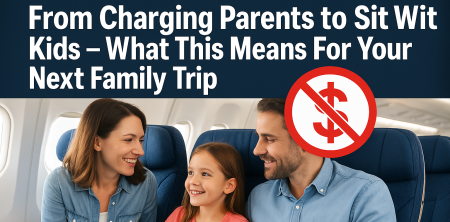
It’s a scenario many parents know all too well: you’ve booked your family holiday, meticulously planned every detail, only to get to the seat selection screen and be hit with a fresh wave of anxiety. Do you pay extra, sometimes exorbitant fees, to ensure your young child sits with you, or do you risk being separated on a potentially stressful flight? For years, this has been the uncomfortable reality of air travel for families, with airlines charging parents sit next to children becoming a common, and deeply resented, practice. But as of October 2, 2026, a significant shift is on the horizon, promising to transform the flying experience for families across the UK. Transport Secretary Heidi Alexander has announced a proposed new law that will finally ban airlines from charging parents to sit with their children under 14, free of charge. This isn't just a minor policy tweak; it's a monumental win for consumer rights and a much-needed intervention against what many have rightly called a 'rip-off.'
The frustration has been palpable, simmering for years as these 'little charges that add up' chipped away at family travel budgets and peace of mind. Every parent understands the inherent need for a young child to be seated with an accompanying adult, not just for comfort, but for safety and well-being. Imagine a six-year-old flying alone, separated from their parents, on a crowded plane. It’s a recipe for distress, not just for the child and parents, but potentially for the cabin crew and other passengers. This new legislation acknowledges that fundamental need, recognizing that family seating isn't a premium extra; it's a basic requirement for responsible travel. The widespread approval from parents isn't surprising – it's a collective sigh of relief from those who have long felt exploited by the system.
The Genesis of a Grievance: How Airlines Started Charging Parents Sit Next to Children
To truly appreciate the significance of this impending ban, it's worth looking back at how we even got to a point where airlines felt it was acceptable to charge for such a basic necessity. The rise of 'unbundling' in the airline industry over the past two decades has been a slow but steady erosion of what was once considered standard service. What started with charges for checked luggage and in-flight meals eventually bled into seat selection. For adult passengers, paying extra for a window seat or more legroom became commonplace, if still annoying. But the extension of these charges to families, specifically compelling parents to pay to sit alongside their young children, crossed a line for many.
Airlines often defended these fees by arguing they were simply offering choice and flexibility, allowing passengers to customize their travel experience. However, for families with young children, this wasn't a choice; it was often a mandatory expense disguised as an option. The 'choice' was effectively between paying up or risking a potentially chaotic and unsafe journey. Ryanair, a prominent low-cost carrier, was one of the airlines that faced particular scrutiny over its family seating policy. While they later adjusted their approach, the initial pushback highlighted a broader industry trend where profit margins seemed to take precedence over fundamental passenger well-being, especially for the most vulnerable travelers.
Consumer advocates, like Andy Burnham, were vocal in their condemnation, accurately labeling these practices as a 'rip-off.' Their arguments resonated deeply because they articulated what so many parents intuitively felt: this wasn't fair, it wasn't right, and it certainly wasn't about enhancing the travel experience. It was about extracting additional revenue from a captive market – families who had no real alternative but to pay to keep their children safe and settled. The public frustration grew, fueled by countless personal anecdotes shared on social media and in news reports, creating an undeniable pressure for regulatory intervention.
Heidi Alexander's Intervention: A Bold Move for Family Rights
The announcement by Transport Secretary Heidi Alexander marks a pivotal moment, signaling a clear governmental stance against exploitative airline practices. Her proposed new law isn't just a recommendation; it's a legislative commitment to protect families. The core of the new regulation is straightforward: children under 14 must be seated next to a parent or accompanying adult, and this must be provided free of charge. This specific age limit of 14 is crucial, as it covers a significant demographic of children who require adult supervision and reassurance during air travel. It moves beyond just infants and toddlers, acknowledging that even pre-teens can find themselves distressed or vulnerable when separated from their guardians in an unfamiliar environment.
What makes this intervention particularly powerful is its directness. It doesn't suggest guidelines or voluntary codes of conduct, which airlines might interpret loosely. Instead, it proposes a legally binding requirement, meaning non-compliance will have consequences. This firm approach reflects a recognition that voluntary measures have failed to adequately address the issue of airlines charging parents sit next to children. For too long, the industry operated under a system where the onus was on the consumer to pay for what should be a given. Alexander's announcement effectively flips that script, placing the responsibility squarely on the airlines to ensure proper family seating arrangements without additional cost.
This move isn't happening in a vacuum; it’s the culmination of years of advocacy, public outcry, and regulatory pressure. It demonstrates that when enough voices speak up, and when consumer protection becomes a priority, meaningful change can indeed happen. For families planning future trips, this proposed law offers a tangible promise of less stress and more financial predictability, allowing them to focus on the joy of travel rather than the anxiety of seat assignments.
The Economic Impact: More Than Just 'Little Charges'
While often dismissed as 'little charges,' the cumulative economic impact of airlines charging parents sit next to children has been anything but small. Consider a family of four – two adults and two children under 14 – flying on a return journey. If each seat selection fee was, say, £15 per person per leg, that's £60 per flight, totaling £120 for the round trip. For many families, especially those on tighter budgets, this extra £120 isn't a negligible sum. It could represent a significant portion of their holiday spending money, or even the difference between affording a trip and having to stay home.
Multiply this by the millions of families who travel by air each year, and you start to see the substantial revenue stream these fees generated for airlines. This wasn't just pocket change; it was a lucrative addition to their bottom line, often presented as optional but, in practice, becoming an unavoidable cost for many. The new ban will undoubtedly impact airline revenue models, forcing them to re-evaluate how they price their services. Some might argue that these costs will simply be absorbed into base fares, leading to a general increase in ticket prices. However, the competitive nature of the airline industry often acts as a check on such drastic increases, and the transparency of a single fare is generally preferred by consumers over hidden add-ons. (See: BBC News on airline seating policies.)
From a household economics perspective, removing these fees offers immediate and tangible relief. Families can now allocate those funds to other aspects of their holiday – an extra meal out, an experience for the children, or simply less financial stress overall. This economic relief, though perhaps modest on an individual flight basis, contributes to a broader sense of fairness and improved consumer confidence in the travel sector. It’s about ensuring that essential aspects of family travel aren't commodified in a way that disproportionately burdens those who need the most support.
The Ripple Effect: Beyond the UK Borders
While this new law is specific to the UK, its implications could extend far beyond its borders. When one major aviation market introduces such a significant consumer protection, it often creates a ripple effect, prompting other nations or regional blocs to consider similar measures. The European Union, for instance, has a strong track record of consumer protection in air travel, and it's not inconceivable that they might look to the UK's example and consider implementing similar regulations across the bloc. Airlines operating internationally often prefer a consistent set of rules, and a patchwork of varying regulations can be complex to manage.
Moreover, the public discourse generated by this ban could empower consumer advocacy groups in other countries to intensify their campaigns against similar charges. The argument that 'if the UK can do it, why can't we?' becomes a powerful rallying cry. Airlines, being global entities, are sensitive to their public image and consumer sentiment across different markets. A policy change in one region, especially one as universally understood as ensuring children sit with parents, can set a new standard for what passengers expect worldwide.
This isn't to say that all airlines globally will immediately cease charging for family seating, but it certainly puts pressure on them. It highlights a growing global awareness that certain charges are not just unpopular, but ethically questionable. The UK's move could very well be a catalyst, sparking a broader international conversation about fundamental passenger rights, particularly for families traveling with young children.
Practical Implications for Families: What to Expect Next
So, what does this actually mean for you, the parent, planning your next family trip? While the proposed law is announced, it will still need to go through the legislative process before becoming fully enforceable. However, the clear intent from the Transport Secretary suggests that this is a matter of 'when,' not 'if.'
- No More Mandatory Fees: The most obvious change will be the elimination of any direct charges for ensuring a child under 14 is seated next to a parent or accompanying adult. This means no more navigating complex seating maps trying to find adjacent seats without an extra cost.
- Airline Responsibility: The onus will shift squarely onto the airlines to implement systems that automatically allocate adjacent seats to families with young children, free of charge. This could involve revised booking systems, updated check-in procedures, or specific protocols for gate agents.
- Clearer Booking Process: Ideally, the booking process for families should become much more transparent and less stressful. You should be able to book your tickets knowing that your family will be seated together without any hidden fees or last-minute surprises.
- Potential for Base Fare Adjustments: While the goal is to eliminate these specific charges, some airlines might adjust their overall pricing strategies. It's possible that a small portion of the lost revenue could be absorbed into slightly higher base fares, though competition typically keeps these increases in check.
- Continued Vigilance: While this is a huge win, parents should remain vigilant. Ensure you understand the specific terms and conditions of your chosen airline once the law is in effect. If you encounter any issues or attempts to charge for this service, know your rights and don't hesitate to challenge them.
The key takeaway is that the anxiety surrounding family seating should significantly diminish. You will no longer be forced into the unenviable position of having to pay a premium for a basic and necessary arrangement.
The Airline Perspective: Challenges and Adaptations
For airlines, this new regulation presents both challenges and opportunities for adaptation. On one hand, there's the immediate impact on revenue from seat selection fees. This will require them to revisit their ancillary revenue strategies and potentially find alternative ways to generate income or adjust their overall fare structures. It’s a significant shift from a model that has been profitable for many years.
On the other hand, it’s an opportunity for airlines to improve their customer service and rebuild trust with family travelers. An airline that proactively seats families together, free of charge, will likely be viewed more favorably. This could lead to increased loyalty and positive word-of-mouth, which are invaluable assets in the highly competitive travel industry. Airlines might also see a reduction in in-flight incidents related to distressed children or parents trying to negotiate seat swaps with other passengers, leading to a smoother experience for everyone.
The operational adjustments will involve IT system updates to ensure automatic adjacent seating for families, training for ground staff and cabin crew, and clear communication with passengers about the new policy. While there might be initial grumbling from some corners of the industry about increased costs or reduced flexibility, the long-term benefit of a happier, less stressed customer base – especially families who often represent repeat business – is undeniable. Airlines that embrace this change and integrate it seamlessly into their operations stand to gain a significant competitive advantage.
Beyond Seating: What This Means for Consumer Rights in Travel
The ban on airlines charging parents sit next to children is more than just about seating; it's a powerful statement about consumer rights in the travel industry. It underscores a growing sentiment that while airlines are businesses, certain fundamental aspects of travel should not be subject to opportunistic charges, especially when they pertain to safety, well-being, and basic human decency. This victory could embolden consumer advocates to tackle other 'hidden fees' or 'optional' charges that feel compulsory.
Think about other aspects of travel where consumers feel pressured or exploited: exorbitant baggage fees for essential items, confusing cancellation policies, or opaque pricing structures. The success of this campaign against family seating charges could pave the way for closer scrutiny of these other areas. It sends a clear message to industries that rely on ancillary revenue: there's a limit to what consumers will tolerate, and when those limits are crossed, regulators are prepared to step in. (See: New York Times coverage of airline fees.)
This isn't about stifling innovation or preventing businesses from being profitable. It's about ensuring fairness, transparency, and protecting consumers from practices that exploit vulnerabilities. For families, who often have less flexibility and more complex needs when traveling, this regulation is particularly impactful, setting a precedent that their specific requirements should be respected and accommodated, not monetized.
Expert Perspectives: The Psychology of Family Seating
Beyond the economic and regulatory aspects, the practice of separating children from parents on flights has a significant psychological impact. Child psychologists and travel experts have long advocated for guaranteed family seating. Dr. Anya Sharma, a child development specialist, notes, "A young child, especially under the age of 14, relies heavily on the proximity of a familiar caregiver for emotional regulation and a sense of security. Being separated in a new, often overwhelming environment like an airplane can trigger significant anxiety, leading to behavioral issues and distress for the child, and immense stress for the parents." This isn't just about comfort; it's about minimizing trauma and ensuring a stable environment for developing minds.
From a safety standpoint, cabin crew also prefer children to be seated with their parents. In an emergency, or even during routine turbulence, an adult can quickly assist their child without needing to navigate aisles or locate them in a different row. This speeds up response times and reduces potential confusion. A former flight attendant, Mark Davies, shared, "We've had situations where parents were trying to get to their kids during unexpected turbulence, causing more chaos. It's much safer and calmer when families are together." The new law acknowledges these critical psychological and safety dimensions, moving beyond a purely transactional view of seating.
Historical Precedent: Similar Consumer Protections
The UK's move isn't entirely without precedent in the broader landscape of consumer protection. Throughout history, governments have stepped in to regulate industries when practices were deemed unfair or exploitative, especially towards vulnerable populations. Think about regulations around food safety, product recalls, or even financial services. These interventions often occur when market forces alone fail to protect consumers adequately. For example, the regulation of telecommunications companies to prevent excessive hidden fees or the setting of standards for car safety features weren't always present; they were the result of public pressure and legislative action.
In air travel specifically, we've seen regulations emerge around tarmac delays, compensation for cancelled flights, and accessibility for passengers with disabilities. Each of these addressed a specific pain point where airlines, left to their own devices, weren't consistently prioritizing passenger welfare. The ban on airlines charging parents sit next to children fits this pattern perfectly: it addresses a clear ethical and practical failing in the industry, aligning with a historical trend of governments stepping in to ensure a baseline of fairness and safety for their citizens.
A Thorough FAQ: Understanding Your New Rights
When does this new law come into effect?
The proposed new law is set to come into effect on October 2, 2026. While it still needs to go through the legislative process, the Transport Secretary's announcement indicates strong governmental intent for its implementation.
Which airlines will this law apply to?
This law will apply to all airlines operating flights to, from, or within the UK. This includes both UK-based carriers and international airlines.
What is the age limit for children to be seated with parents for free?
The law specifies that children under the age of 14 must be seated next to a parent or accompanying adult, free of charge.
Does this mean I get to choose my seats for free?
This law specifically applies to ensuring children under 14 are seated next to an accompanying adult. It doesn't necessarily mean you get to choose *any* specific seat for free (e.g., a window seat or extra legroom seat) if that's typically a paid upgrade. It guarantees adjacent seating for families with young children without an additional fee.
What if the airline claims there are no adjacent seats available?
Under the new law, airlines will be legally obligated to ensure adjacent seating for families with children under 14. If an airline claims no such seats are available, they would be in breach of the regulation. It will be their responsibility to reconfigure seating or find an alternative solution to comply.
What if I've already paid for seats for a flight after October 2, 2026?
This is something that will likely be clarified closer to the implementation date. It's reasonable to expect that if you've paid for family seating for a flight departing after the law takes effect, you should be entitled to a refund. Keep records of your purchase.
What should I do if an airline tries to charge me for family seating after the law is in effect?
If an airline attempts to charge you for seating a child under 14 next to you after October 2, 2026, you should politely but firmly inform them of the new UK law. If they persist, document the interaction (names, dates, times) and file a complaint with the relevant aviation authority in the UK (likely the Civil Aviation Authority, CAA).
Will this make flights more expensive overall?
Airlines might adjust their overall pricing strategies to account for lost revenue from seat selection fees. However, the competitive nature of the airline industry usually limits drastic fare increases. Any adjustments are expected to be modest and spread across all passengers, rather than a direct, equivalent transfer of the old fee onto family tickets.
Does this law apply to international flights originating outside the UK?
The specifics will depend on the exact wording of the legislation, but typically, UK consumer protection laws apply to flights departing from or arriving in the UK, regardless of the airline's origin country. For flights originating outside the UK and arriving in the UK, the law should still apply.
Looking Ahead: A More Family-Friendly Future for Air Travel
The future of air travel, particularly for families, looks considerably brighter with this upcoming ban. The days of dreading the seat selection screen, the fear of being separated from a young child, and the resentment of paying for a basic necessity are, thankfully, drawing to a close. This legislative move by Transport Secretary Heidi Alexander is a testament to the power of public advocacy and a clear commitment to prioritizing passenger peace of mind over dubious profit generation.
As the law comes into effect, we can anticipate a significant reduction in stress for parents, more harmonious flights for everyone onboard, and a stronger, more trusting relationship between airlines and their family customers. This is a moment to celebrate for anyone who believes that travel should be an enjoyable experience, not a gauntlet of hidden fees and anxieties, especially when traveling with the ones who need us most.
```
Trending Now
- Urgent: This New Bill Could Finally Give Parents Power Over Their Kids’ Online Lives
- Revealed: The Astonishing Shift in How…
- our breakdown of the troubling rise of witchtok parenting: what you need to know
- the complete explanation
- France’s Wild Student Protests: What’s Really Fueling the Fire?
Frequently Asked Questions
Why are airlines banning charges for parents to sit with their kids?
Airlines are banning charges for parents to sit with their children under 14 to address consumer rights and safety concerns. This change, announced by Transport Secretary Heidi Alexander, aims to eliminate the financial burden on families and ensure that young children are seated with their accompanying adults during flights.
What does the new law about family seating on flights entail?
The new law, effective from October 2, 2026, prohibits airlines from charging parents for seat selection that ensures they sit next to their children under 14. This legislation recognizes the necessity of family seating for the comfort and safety of young travelers.
When does the ban on charging for family seating take effect?
The ban on airlines charging parents to sit with their children will take effect on October 2, 2026. This policy aims to improve family travel experiences by eliminating additional costs associated with ensuring that young children sit next to their parents.
How have parents reacted to the new airline seating law?
Parents have largely welcomed the new airline seating law, viewing it as a significant victory for consumer rights. Many have expressed relief, feeling that they are no longer being exploited by additional charges that previously added stress and financial strain to family travel.
What prompted the change in airline policies regarding family seating?
The change in airline policies regarding family seating was prompted by years of frustration from parents who faced exorbitant fees to sit with their children. The new legislation acknowledges the need for children to be seated with adults for safety and comfort, addressing a long-standing grievance.
Have you experienced this yourself? We'd love to hear your story in the comments.


0 Responses