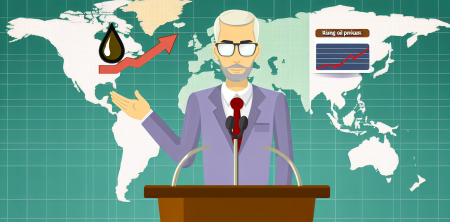
British Prime Minister Keir Starmer made a significant commitment on March 19, 2026, promising to protect the nation’s workers from the economic repercussions of the escalating conflict in the Middle East. This pledge comes in the wake of Iran's recent strikes on Gulf energy targets, which have sent oil prices soaring and disrupted global supply chains.
Context of the Escalating Conflict
The backdrop to Starmer's promise is a backdrop of intensifying violence in the Middle East, particularly between Israel and Iran. The U.S.-Israeli conflict has entered a new phase, prompting fears of wider regional instability. Iran's targeted attacks on energy infrastructure have raised alarms not just in the region but across the globe, with energy markets reacting sharply to the developments.
The Economic Impact on the UK
As the conflict escalates, the economic fallout is becoming increasingly evident in the UK. The surge in oil prices is a pressing concern for working families, who are already grappling with rising living costs. In his statement, Starmer emphasized the importance of safeguarding the livelihoods of working individuals and families, who are most vulnerable to these fluctuations.
Starmer's Assurance to Working People
“I will ensure that working people are not left to bear the brunt of this crisis,” Starmer declared, underscoring his commitment to providing support to those impacted by rising energy costs. The Prime Minister’s remarks reflect growing domestic political pressures as the cost of living crisis continues to affect households across the UK.
Rising Oil Prices and Public Concerns
Oil prices have seen a significant increase, with Brent crude hitting levels not seen in years. This spike can be attributed to the ongoing conflict, compounded by geopolitical tensions that have historically influenced oil markets. As a result, consumers are facing soaring prices at the pump and increased costs for goods and services, which rely heavily on energy.
- Brent Crude Prices: Recent reports indicate prices have surged by over 10% since the conflict escalated.
- Impact on Households: Average household energy bills have seen a steep increase, further straining budgets.
- Future Projections: Economists warn that continued instability could lead to sustained high prices, affecting economic recovery efforts.
Government Response and Support Measures
In response to the economic pressures, Starmer's government is considering various measures aimed at alleviating the burden on working families. These may include:
- Energy Price Caps: Implementing temporary caps on energy prices to protect consumers.
- Financial Assistance: Providing targeted financial support for low-income households facing the worst of the price hikes.
- Incentives for Renewable Energy: Promoting investment in renewable energy sources to reduce reliance on volatile oil markets.
Political Dynamics in the UK
Starmer's commitment also reflects a broader strategy to consolidate support among working-class voters, who have historically been the backbone of the Labour Party. With the next general election approaching, the Prime Minister's focus on economic stability is likely to resonate with constituents who are feeling the pinch from rising costs.
Public Sentiment and Reactions
Public reaction to Starmer's pledge has been mixed, with some praising his proactive stance while others remain skeptical about the government's ability to implement meaningful change. The opposition parties have also been vocal, critiquing the government for its handling of the cost of living crisis.
Looking Forward: The Path Ahead
The situation remains fluid, with further developments in the Middle East likely to impact global markets and, by extension, the UK economy. Starmer's administration will need to navigate these challenges carefully, balancing international relations with domestic economic stability.
As the government prepares to respond to the fallout from the conflict, the Prime Minister's promise to protect working people will be put to the test. The effectiveness of proposed measures will determine not only the government's immediate political fortunes but also the long-term economic wellbeing of millions of British citizens.
Ultimately, as tensions in the Middle East continue to unfold, all eyes will be on how the UK government addresses the economic challenges arising from this crisis, and whether Starmer's assurances translate into tangible relief for working families across the nation.

