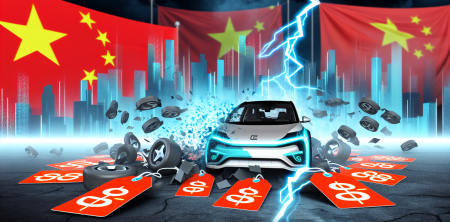
BYD, the world's largest electric vehicle (EV) manufacturer by sales, has reported a significant decline in its net profit for the year 2025. The company experienced a 19% reduction in net profit, marking its first downturn since 2021. The decline highlights the increasing pressures faced by the EV sector, particularly driven by a fierce price war within the Chinese market.
Price Wars Impacting Profit Margins
The automotive industry is no stranger to competition, but the current climate in China has intensified dramatically, leading to aggressive pricing strategies among manufacturers. BYD's sales figures paint a contrasting picture to its profit margins, as the company continues to lead in sales volume. However, the financial ramifications of this price war are becoming evident, as margins are squeezed and profitability is affected.
BYD's Market Position
As a leader in the EV market, BYD has set a benchmark for others in the industry. The company's commitment to innovation and production efficiency has propelled it to the forefront of EV sales globally. According to recent figures, BYD has maintained its position at the top, yet the 19% decline in net profit serves as a critical reminder of the challenges that accompany leadership in a rapidly evolving market.
Factors Contributing to the Decline
Several factors contribute to BYD's profit decline, with the primary issue being the aggressive pricing strategies employed by competitors. Automakers are increasingly offering substantial discounts and promotional deals to capture market share, leading to a decrease in average selling prices across the industry. This trend is particularly pronounced in China, where numerous manufacturers are vying for consumer attention in a crowded marketplace.
- Increased Competition: New entrants into the EV market have intensified competition, with many companies willing to sacrifice margins for market share.
- Consumer Preferences: As consumers become more price-sensitive, automakers are compelled to adjust their pricing strategies to attract buyers.
- Economic Conditions: Broader economic factors, including inflation and supply chain disruptions, have also contributed to the challenges faced by automakers.
Future Outlook for BYD
Despite the current challenges, analysts remain optimistic about BYD's long-term prospects. The company has a robust product lineup and continues to invest in research and development. Furthermore, BYD's vertical integration strategy allows it to control various aspects of its supply chain, providing a competitive edge against rivals.
Strategic Responses to Market Pressures
In response to the ongoing price war, BYD is exploring several strategic initiatives aimed at stabilizing its profit margins:
- Product Diversification: BYD is expanding its offerings beyond electric cars to include commercial vehicles and battery technologies, which may help balance revenue streams.
- Cost Management: The company is focusing on optimizing its operational efficiencies to reduce costs without compromising quality.
- Marketing Strategies: Adjusting marketing approaches to emphasize unique selling propositions, such as technology advancements and sustainability efforts, can help differentiate BYD from competitors.
Global Implications of the Price War
The price war in China does not only affect domestic manufacturers but also has implications for the global EV market. As Chinese automakers increasingly export their vehicles, the pricing strategies adopted in China could influence international markets. This could lead to a ripple effect, prompting global manufacturers to reconsider their pricing and production strategies.
Conclusion
BYD's 19% net profit decline serves as a significant indicator of the challenges facing the EV industry amidst a turbulent competitive landscape. While the company maintains its position as a sales leader, the pressures of a price war in China highlight the delicate balance between volume and profitability. As BYD navigates these challenges, the company's strategic responses will be crucial in determining its ability to sustain growth and profitability in the coming years.

