```html
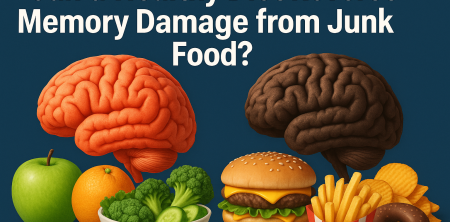
As our understanding of nutrition evolves, new research suggests that what we eat can significantly impact not only our physical health but also our cognitive abilities. The connection between diet and brain health has gained traction, particularly concerning the effects of high-fat, high-sugar diets. Recent findings indicate that adopting a healthy diet may help reverse memory damage associated with a diet rich in ultra-processed foods. This is not merely a revelation; it's a wake-up call for anyone consuming a diet laden with unhealthy options.
The Impact of Diet on Cognitive Function
It’s no secret that our diets influence our overall health, but the extent to which food choices affect brain function is increasingly alarming. Research has consistently shown that diets high in saturated fats and sugars can lead to significant cognitive impairments. But the latest studies raise the question: can changing our eating habits actually restore some of this lost cognitive function?
Research indicates that ultra-processed foods—typically high in fats, sugars, and artificial additives—can lead to long-term memory issues. These findings paired with the alarming rise of cognitive decline in younger populations due to poor dietary choices signal an urgent need to address our eating habits.
Understanding Memory Damage from Poor Diets
Memory damage linked to high-fat, high-sugar diets isn’t just a theoretical concern; it’s a scientifically supported reality. Consuming excessive amounts of unhealthy fats and sugars can lead to inflammation in the brain, reducing its ability to function properly. This inflammation can manifest as memory loss or cognitive decline, contributing to serious conditions like Alzheimer’s disease.
In one study, researchers observed that individuals who consumed diets high in sugar and processed foods exhibited a greater degree of cognitive impairment compared to those who followed a balanced, nutrient-rich diet. These findings suggest a direct correlation between dietary choices and brain health.
The Promising News: Potential for Reversal
Here’s the game-changer: recent studies indicate that not only can a healthy diet prevent cognitive decline, but it may also help reverse some memory damage already incurred. This flips the script on the common belief that dietary damage is irreversible.
When participants in a controlled study switched from an ultra-processed diet to a more balanced one—rich in fruits, vegetables, whole grains, and healthy fats—they exhibited improvements in cognitive function. This suggests that the brain has a remarkable capacity for healing, provided we make the right nutritional choices.
What Constitutes a Healthy Diet?
To reap the benefits of a memory-boosting diet, it’s essential to understand what constitutes a healthy eating pattern. A well-balanced diet should include:
- Fruits and Vegetables: Rich in antioxidants and vitamins that combat oxidative stress, which can damage brain cells.
- Whole Grains: Sources of fiber and nutrients that support overall brain health.
- Healthy Fats: Foods like avocados, nuts, and fatty fish provide omega-3 fatty acids that are crucial for cognitive function.
- Lean Proteins: Essential for repairing and building brain cells.
- Hydration: Drinking enough water is vital for maintaining optimal brain function.
Incorporating these food groups into your daily meals can create a powerful foundation for brain health. The key lies not just in what you eat, but also in cultivating a lifestyle that prioritizes whole, unprocessed foods.
The Role of Nutrients in Brain Health
Specific nutrients play a pivotal role in maintaining cognitive function and preventing memory damage. Among them: (See: impact of diet on cognitive function.)
- Omega-3 Fatty Acids: Found in fish, flaxseeds, and walnuts, omega-3s are known to reduce inflammation and promote the growth of new brain cells.
- Antioxidants: Vitamins C and E, found in fruits and vegetables, help combat oxidative stress and protect against cognitive decline.
- B Vitamins: Important for brain health, B vitamins (like B6, B12, and folate) contribute to the production of neurotransmitters.
- Magnesium: This mineral, found in nuts and leafy greens, is essential for energy production in the brain.
Ensuring that you get a mix of these nutrients can provide your brain with the tools it needs to function optimally, potentially reversing some of the damage inflicted by poor dietary choices.
Practical Steps to Transition to a Healthy Diet
Making dietary changes can be daunting, but taking small steps can lead to sustainable habits. Here are some actionable strategies:
- Start Gradually: If your diet is currently high in processed foods, begin by incorporating more fruits and vegetables into your meals.
- Plan Your Meals: Preparing meals in advance can prevent impulsive decisions to reach for unhealthy snacks.
- Read Labels: Familiarize yourself with food labels to identify hidden sugars and unhealthy fats.
- Experiment with Cooking: Explore new recipes that utilize whole, unprocessed ingredients to make healthy eating enjoyable.
- Seek Support: Share your goals with friends or family members who can encourage you during your transition.
Transitioning to a healthier diet doesn’t happen overnight. By setting realistic goals and maintaining consistent efforts, you can change your eating habits for the better.
The Emotional Connection to Food
Food isn’t just fuel; it’s often tied to our emotions and memories. Many of us turn to comfort foods during tough times, which can lead to a cycle of unhealthy eating habits. Recognizing this connection is essential in breaking the cycle.
Mindful eating is an effective technique to develop a healthier relationship with food. This involves paying attention to the sensory experiences of eating—such as taste, texture, and aroma—while also acknowledging emotional triggers that may lead to unhealthy choices. Engaging in mindfulness practices can help you make more conscious decisions about what and how much you eat.
The Long-Term Benefits of a Healthy Diet
The benefits of adopting a healthy diet extend beyond just reversing memory damage. Long-term adherence to a balanced diet can lead to numerous health advantages:
- Reduced Risk of Chronic Diseases: A healthy diet can lower the risk of conditions like heart disease, obesity, and diabetes.
- Improved Mood: Certain nutrients can positively impact mood, potentially reducing anxiety and depression.
- Increased Energy Levels: A well-nourished body is often more energized and better able to engage in physical activity.
- Enhanced Cognitive Function: A brain-healthy diet supports memory, focus, and overall cognitive abilities.
When you prioritize what you eat, you’re investing in your long-term health and well-being.
Frequently Asked Questions (FAQ)
1. Can a healthy diet really reverse memory damage?
Yes, studies have shown that adopting a healthy diet can improve cognitive function and potentially reverse some memory damage caused by poor dietary choices. A diet rich in antioxidants, healthy fats, and lean proteins can support brain health.
2. What types of foods should I avoid to protect my memory?
Avoid ultra-processed foods that are high in sugars, unhealthy fats, and additives. This includes sugary drinks, fast food, and snacks with excessive artificial ingredients. Instead, focus on whole foods that nourish your brain.
3. How long does it take to see improvements in memory after changing my diet?
Improvement timelines can vary, but many people report noticing changes in cognitive function within a few weeks to a few months of adopting a healthier diet. Consistency in dietary choices is key to seeing long-term benefits. (See: CDC on nutrition and health.)
4. Are there specific diets known to enhance memory?
Yes, diets like the Mediterranean Diet and the DASH Diet have been linked with improved cognitive health. These diets focus on whole grains, fruits, vegetables, fish, and healthy fats, providing essential nutrients for brain function.
5. Can supplements compensate for a poor diet?
While certain supplements can provide beneficial nutrients, they shouldn't be used as a substitute for a healthy diet. Whole foods offer a complex mix of nutrients that work synergistically, and it's best to obtain these from your diet whenever possible.
6. What role does hydration play in memory and cognitive function?
Hydration is crucial for optimal brain function. Even mild dehydration can negatively impact focus, memory, and overall cognitive performance. Aim to drink sufficient water throughout the day to stay hydrated.
7. Is there a link between gut health and brain health?
Yes, emerging research suggests a strong connection between gut health and brain health, known as the gut-brain axis. A healthy diet can promote beneficial gut bacteria, which in turn can support cognitive function and mental well-being.
8. Are there foods that specifically boost brain health?
Foods that are particularly beneficial for brain health include fatty fish (rich in omega-3s), blueberries (high in antioxidants), turmeric (contains curcumin), broccoli (rich in antioxidants and vitamins), and pumpkin seeds (great source of magnesium).
Additional Insights into Healthy Diets and Memory Damage
As we dig deeper into the relationship between diet and memory, it’s important to recognize that our choices are influenced by various factors such as culture, environment, and individual preferences. Understanding these influences can help in crafting personal dietary strategies that promote brain health.
The Role of Lifestyle in Cognitive Health
Diet is just one piece of the puzzle when it comes to cognitive health. Lifestyle factors such as physical activity, sleep quality, and stress management also play significant roles in memory function. Regular exercise, for instance, has been shown to enhance brain health by increasing blood flow, promoting neurogenesis (the creation of new brain cells), and improving overall mood. Aim for at least 150 minutes of moderate aerobic activity each week to maximize these benefits.
Quality sleep is another crucial element. During sleep, the brain consolidates memories and clears out toxins that accumulate during the day. Adults should aim for 7 to 9 hours of quality sleep per night to support optimal cognitive function.
Statistics on Diet and Cognitive Decline
Recent research has painted a stark picture of the correlation between diet and cognitive decline. According to a study published in the journal "Alzheimer's & Dementia," individuals who consume a diet high in processed foods and sugars are 60% more likely to experience cognitive decline compared to those who maintain a diet high in fruits, vegetables, and whole grains. This statistic underscores the importance of dietary choices in maintaining cognitive health. (See: WHO fact sheet on healthy diets.)
Additionally, a study from the American Journal of Clinical Nutrition found that participants adhering to a Mediterranean-style diet had a 48% lower risk of developing Alzheimer's disease compared to those with diets low in fruits, vegetables, and healthy fats. These findings highlight the direct impact that diet can have on long-term cognitive health.
Expert Perspectives on Memory and Diet
Experts in nutrition and neuroscience emphasize the importance of dietary patterns in maintaining cognitive health. Dr. Martha Clare Morris, a nutritional epidemiologist at Rush University, advocates for the MIND diet—a combination of the Mediterranean and DASH diets—as a powerful strategy to protect against memory decline. Her research suggests that adhering to the MIND diet can reduce the risk of Alzheimer's by up to 53% in those who follow it rigorously.
Moreover, Dr. David Perlmutter, a neurologist and author of "Grain Brain," highlights the detrimental effects of sugar on the brain. He argues that reducing sugar intake is essential for preventing memory loss and cognitive decline. His stance reinforces the idea that dietary choices, particularly sugar consumption, can have lasting effects on brain health.
Comparison of Dietary Patterns and Their Effects on Memory
When examining various dietary patterns, it's clear that some are more beneficial for brain health than others. Here’s a comparison of a few well-known diets:
| Diet Type | Main Focus | Benefits for Memory |
|---|---|---|
| Mediterranean Diet | Fruits, vegetables, whole grains, fish, and healthy fats | Reduces risk of cognitive decline and supports overall brain health |
| DASH Diet | Fruits, vegetables, lean proteins, low sodium | Improves cardiovascular health, which is closely linked to brain health |
| Keto Diet | High fat, low carbohydrate | May support cognitive function through ketones but risks include nutrient deficiencies if not balanced |
| Plant-Based Diet | Fruits, vegetables, legumes, nuts | Rich in antioxidants and anti-inflammatory compounds beneficial for brain health |
Strategies for Sustaining a Healthy Diet
Incorporating a healthy diet into your lifestyle is not just about making a few changes; it’s about creating sustainable habits. Here are some strategies to help you maintain a healthy diet over the long term:
- Set Clear Goals: Define what you want to achieve with your diet, whether it’s improving memory, losing weight, or enhancing overall health.
- Track Your Progress: Keeping a food diary can help you stay accountable and recognize patterns in your eating habits.
- Surround Yourself with Support: Join a community or find a diet buddy. Sharing your goals can motivate you and help you stay on track.
- Don’t Be Too Hard on Yourself: It's okay to indulge occasionally. The key is moderation and getting back to your healthy habits afterward.
Final Thoughts on Healthy Diets and Memory Damage
As we continue to unravel the connection between diet and memory health, the evidence points toward a hopeful truth: a healthy diet can not only help prevent cognitive decline but may also reverse some of the damage caused by poor eating habits. By making conscious food choices and embracing a nutrient-rich diet, you can take significant steps toward safeguarding your brain health.
Don’t let your food choices dictate your mental clarity. Shift your focus toward nourishing your brain, and reap the rewards of improved memory and cognitive function. Start today, because every healthy choice brings you one step closer to a sharper mind.
```
Trending Now
- Unlock Your Potential: Become an Online Data Analyst with TELUS Digital – Remote Opportunity for French Speakers in Canada
- 7 Essential Strategies for Teaching Kids Emotional Regulation and Resilience
- How Positive Behavior Support Transforms Struggling Students Into Resilient Learners
- Unlocking the Power of Self-Esteem and Resilience in Adolescents: A Path to Thriving
Frequently Asked Questions
Can a healthy diet improve memory?
Yes, a healthy diet can improve memory. Research suggests that adopting a nutrient-rich diet can help reverse memory damage caused by high-fat and high-sugar diets, potentially restoring cognitive function and reducing the risk of cognitive decline.
What foods are bad for memory?
Foods high in saturated fats, sugars, and artificial additives are detrimental to memory. Ultra-processed foods, in particular, have been linked to inflammation in the brain, which can lead to memory loss and cognitive impairments.
How does diet affect cognitive function?
Diet significantly affects cognitive function. Diets rich in unhealthy fats and sugars can lead to inflammation and cognitive impairments, while balanced, nutrient-rich diets support brain health and may help prevent memory damage.
Can memory loss be reversed?
Recent studies indicate that memory loss associated with poor dietary habits may be reversible. By adopting a healthier diet, individuals may restore some cognitive functions impacted by previous consumption of ultra-processed foods.
What is the link between diet and Alzheimer's?
There is a concerning link between diet and Alzheimer's disease. Diets high in unhealthy fats and sugars can lead to inflammation in the brain, which is associated with cognitive decline and an increased risk of developing Alzheimer's.
Have you experienced this yourself? We'd love to hear your story in the comments.

