```html
Freshman year is often a tumultuous time for high school students. The transition from middle school to high school can be jarring, with increased academic expectations, a new social environment, and the looming pressure of future college admissions. For many students, this can result in a low GPA during their first year. If you're in this situation, you might be wondering: Can you recover from a low GPA in high school? The answer is a resounding yes, and this article will guide you through the steps necessary to turn things around.
The Importance of GPA in High School
Your GPA, or grade point average, is a critical metric used by colleges and universities to assess your academic performance. It reflects your grades across different subjects and can impact your eligibility for scholarships, advanced courses, and even college admissions. A low GPA early on can feel like a significant setback, but understanding its importance can help motivate you to improve.
During high school, your GPA can influence your course load for subsequent years and even limit opportunities if you don’t address it. Colleges often consider the overall trend of your grades; therefore, showing improvement over time can be more critical than where you started.
Understanding the Factors Behind a Low GPA
Before you can recover from a low GPA in high school, it's essential to identify the factors that contributed to your struggles. There are various reasons students might find themselves with lower grades:
- Adjusting to a New Environment: The shift from middle school to high school often comes with increased academic pressure. New teachers, subjects, and a different social environment can be overwhelming.
- Personal Challenges: Life circumstances, such as family issues, mental health struggles, or personal health problems, can significantly impact your academic performance.
- Time Management: Many freshmen struggle with balancing schoolwork, extracurricular activities, and social life. Poor time management can lead to falling behind in assignments and studying.
- Study Habits: If you haven’t developed effective study skills yet, you might find yourself underprepared for exams and assignments.
Recognizing these factors is the first step in creating a plan to recover from low GPA high school.
Creating a Recovery Plan
Once you’ve figured out why your GPA is low, the next step is drafting a recovery plan. A comprehensive recovery plan should include the following components:
- Set Specific Goals: Identify what GPA you aim for by the end of the year and break that down into achievable milestones for each semester or quarter.
- Focus on Core Subjects: Concentrate efforts on subjects that bear the most weight on your GPA. Typically, this includes core classes like math, science, English, and social studies.
- Assess Your Resources: Determine what resources are available to you. These might include tutoring services, after-school study programs, or academic counseling.
- Time Management Strategies: Create a schedule that allows you to dedicate specific time blocks to studying, completing homework, and reviewing material.
- Seek Support: Don’t be afraid to reach out for help. Whether it’s teachers, school counselors, or peers, support can be invaluable.
By developing a structured approach to improve your grades, you can regain control and set your academic trajectory back on course.
Utilizing School Resources
Your high school likely has a variety of resources that can assist you in your recovery journey. Knowing what’s available can make a significant difference:
- Academic Counseling: School counselors can provide guidance on how to improve your GPA and may also help you with college planning.
- Tutoring Services: Look for after-school tutoring programs offered by your school. These services can provide personalized assistance in subjects you find challenging.
- Study Groups: Collaborating with peers can help reinforce your understanding of the material. Forming or joining a study group can create a support system.
- Extra Credit Opportunities: Some teachers may offer extra credit assignments. Don’t hesitate to ask your teachers about these options to boost your grades.
Making the most of these resources not only helps you academically but also shows your teachers and counselors that you are committed to improving.
Developing Effective Study Habits
Good study habits are essential for transforming your academic performance. Here are some strategies to consider: (See: U.S. Department of Education.)
- Create a Study Environment: Designate a specific, distraction-free area for studying. Make sure it's well-lit, quiet, and equipped with all the materials you need.
- Use Active Learning Techniques: Engage with the material through summarizing, questioning, and teaching concepts to someone else. This approach helps reinforce your understanding.
- Regular Review: Instead of cramming, review your notes regularly. This practice strengthens retention and understanding.
- Break Down Large Tasks: If faced with large assignments or projects, break them into smaller, manageable parts to avoid feeling overwhelmed.
Implementing these study habits can not only improve your grades but also boost your confidence as you see the results of your hard work.
Staying Motivated
Recovering from a low GPA isn’t just about improving grades; it’s also a mental game. Staying motivated will be key to your success. Here are some tips to keep your spirits high:
- Find Your 'Why': Reflect on why improving your GPA is essential to you. Whether it’s for college admission, personal satisfaction, or future opportunities, keeping your goals in mind will help.
- Reward Yourself: Set up a system of rewards for when you reach your academic milestones. Celebrating small victories can provide a motivation boost.
- Surround Yourself with Positivity: Spend time with friends and family who encourage and support you. Positive influences can significantly affect your mindset.
- Visualize Success: Take time to visualize where you want to be academically. Imagine walking across the stage at graduation or receiving acceptance letters from colleges.
Keeping the right mindset can make the difference between giving up and forging ahead with determination.
Handling Setbacks
No recovery journey is without its challenges. You may encounter setbacks along the way, whether it’s a poor grade on a test or missing an assignment deadline. It’s essential to handle these moments constructively:
- Learn from Mistakes: Instead of dwelling on setbacks, analyze what went wrong. Was it a lack of preparation? Did you mismanage your time? Understanding the root cause will help you avoid similar pitfalls in the future.
- Seek Help: If you find yourself struggling despite your efforts, don’t hesitate to reach out for assistance. This could be from a teacher, counselor, or tutor who can offer guidance.
- Stay Flexible: Sometimes, a plan needs to change. Be prepared to adjust your strategies if something isn't working. Flexibility is vital in adapting to new challenges.
Remember that setbacks are part of the learning process. It’s how you respond to them that defines your recovery journey.
Building a Strong Academic Record Moving Forward
Once you begin to improve your GPA, it’s crucial to maintain that momentum. Here are some strategies to build a strong academic record in the remaining years of high school:
- Take Challenging Courses: As you progress, consider enrolling in honors or Advanced Placement (AP) courses. These can help boost your GPA and demonstrate your capabilities to colleges.
- Engage in Extracurricular Activities: Involvement in clubs, sports, or volunteer activities can enhance your college applications. These experiences also help you develop skills that are beneficial for academics.
- Maintain Consistent Study Habits: Continue to apply the study techniques you’ve learned. Regularly set aside time for homework and review, even when grades improve.
- Build Relationships with Teachers: Develop rapport with your teachers; this can provide you with academic support and mentorship throughout your high school years.
By focusing on building a strong academic foundation, you will not only recover from a low GPA but also position yourself for future success.
The Bigger Picture: Life Beyond High School
While it might seem like the stress of your GPA is all-consuming now, remember that a single number does not define your worth or potential. Colleges are increasingly taking a holistic approach to admissions, considering extracurricular activities, personal statements, and letters of recommendation.
Additionally, many successful individuals have faced academic challenges yet went on to thrive in their careers. This can serve as a reminder that your GPA is just one part of your story. Focus on growth, resilience, and the skills you develop along the way.
Final Thoughts
Recovering from a low GPA in high school is entirely possible with the right mindset, strategies, and support systems in place. It requires hard work and commitment, but the benefits of improving your academic record are worth the effort. Remember, every step you take toward recovery is a step away from your past struggles and toward a brighter future. Embrace the journey, and don’t hesitate to reach out for help when you need it. You’ve got this!
Frequently Asked Questions (FAQ)
1. How long does it take to recover from a low GPA?
The time it takes to recover from a low GPA varies from student to student. Typically, it can take at least a semester or more to see significant changes, especially if you are implementing new study habits and seeking help. The key is consistency and commitment. (See: New York Times on college admissions.)
2. Can a low GPA affect scholarship opportunities?
Yes, many scholarships consider GPA as a significant factor in their selection process. However, some scholarships also focus on other aspects like extracurricular involvement, leadership skills, and community service. It's essential to look for scholarships that fit your unique profile.
3. What should I do if my school doesn’t offer tutoring or academic support?
If your school lacks tutoring services, consider seeking help from online resources. There are various platforms where you can find tutors, join study groups, or access educational videos. Additionally, don't hesitate to ask teachers for extra help during office hours.
4. How can I improve my time management skills?
Improving time management skills involves creating a structured schedule. Use planners or digital tools to block out study times, breaks, and deadlines. Prioritize tasks according to importance and try to stick to your schedule as closely as possible.
5. Is it possible to raise my GPA significantly in one semester?
While it may be challenging, raising your GPA significantly in one semester is possible, especially if you focus on improving grades in core subjects and take advantage of extra credit opportunities. Your commitment to studying and utilizing resources will be crucial in achieving this goal.
Examples of Successful Recovery Stories
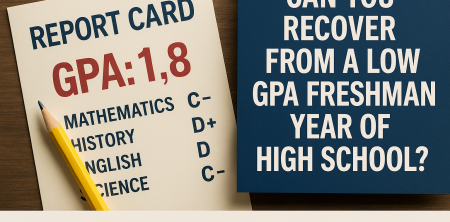
There are countless examples of students who turned their academic struggles around. For instance, consider the story of Sarah, a high school sophomore who struggled during her freshman year and ended up with a GPA of 1.8. Recognizing her need for change, she sought help from her school counselor, who guided her to join a study group and utilize tutoring resources. By focusing on core subjects and developing a structured study routine, Sarah managed to raise her GPA to 3.4 by the end of her junior year.
Another inspiring case is that of James, who faced personal issues that impacted his academics and led to a GPA of 2.0. Through hard work, he learned to manage his time better and even enrolled in summer school to catch up on credits. His determination paid off, and by graduation, he had achieved a GPA of 3.0, earning him a place at a state university.
Understanding the Impact of a Low GPA on College Admissions
While a low GPA can be a hurdle in college admissions, it's essential to understand that it’s not the end of the road. Admissions committees often look at the trajectory of a student’s grades over time. If you demonstrate improvement, it can show resilience and determination. Additionally, personal statements and letters of recommendation can provide context to your academic record, highlighting your strengths outside of GPA.
In fact, many colleges are increasingly adopting a holistic approach to admissions. They consider various factors like extracurricular activities, community service, and personal background. This means that even with a low GPA, you might still have a shot at admission if you present a compelling application.
Strategies for Future Success Beyond Recovery
As you recover from a low GPA, it’s crucial to think about long-term academic success. Here are some strategies to consider:
- Explore Career Interests: Take time to explore different career paths and how they align with your academic strengths. This exploration can help motivate you to maintain good grades.
- Networking: Build relationships with mentors and professionals in your field of interest. Networking can provide opportunities for internships and hands-on experiences that can enhance your resume.
- Stay Informed: Keep abreast of changes in college admissions processes and scholarship opportunities. Being informed can help you make better decisions regarding your academic journey.
- Develop Lifelong Learning Skills: Focus on cultivating a love for learning. This mindset will help you remain resilient and adaptable in the face of challenges throughout your academic and professional life.
By focusing on these strategies, you’ll not only recover from a low GPA but also set yourself up for success in the future. (See: Harvard University resources.)
Additional Resources to Support Your Recovery
In addition to the school resources mentioned earlier, there are various online platforms and tools that can help you in your academic recovery:
- Khan Academy: This free resource offers video tutorials and practice exercises on a wide range of subjects, allowing you to learn at your own pace.
- Quizlet: Use Quizlet to create flashcards and quizzes for study sessions, making it easier to memorize difficult concepts and terminology.
- Coursera and edX: These platforms provide access to online courses from universities worldwide, which can supplement your learning in specific subjects.
- Local Libraries: Don’t forget about your local library, which often offers tutoring programs and resources. Plus, they provide a quiet place to study and access to additional materials.
By leveraging these resources, you can enhance your understanding and improve your academic performance.
The Role of Parents and Guardians
Parents and guardians play a crucial role in supporting students who are struggling with a low GPA. Here are some ways they can help:
- Creating a Positive Environment: Ensure that home is a supportive place where students feel encouraged to share their academic challenges without fear of judgment.
- Assisting with Organization: Help students develop organizational skills by creating a study schedule together or setting up reminders for important deadlines.
- Encouraging Communication: Encourage your child to communicate with teachers and counselors. This can help them feel more empowered and take charge of their academic journey.
- Setting Realistic Expectations: Help set realistic goals based on your child’s abilities. Celebrate small achievements to boost their confidence.
With parental support, students can feel more motivated and capable of turning their academic performance around.
Long-Term Benefits of Academic Improvement
Improving your GPA is not just about enhancing your college applications; it can also have long-term benefits. Here are a few reasons why focusing on academic improvement is valuable:
- Higher Earning Potential: Studies show that individuals with higher education levels and better academic performance tend to have higher earning potential in their careers.
- Self-Discipline and Work Ethic: The effort put into improving your GPA fosters valuable skills such as self-discipline, resilience, and a strong work ethic, which are essential in both academic and professional settings.
- Opportunities for Leadership: As you improve academically, you may find opportunities to take on leadership roles. Participating in clubs, sports, and volunteering can enhance your college applications further.
- Personal Growth: The journey of recovery from a low GPA can lead to significant personal growth. You’ll likely develop a greater understanding of your strengths and weaknesses, which will serve you well in the future.
Focusing on academic recovery is a pathway not just to better grades but also to a more fulfilling and successful future.
Conclusion
Recovering from a low GPA in high school is a challenge, but with commitment and the right strategies, you can successfully navigate this path. Remember to utilize the resources available to you, seek support, and stay motivated. Your GPA does not define you, and every step you take toward improvement contributes to your overall growth and success. Stay focused on your goals, and don't hesitate to reach out for help along the way. You have the power to transform your academic journey and achieve your dreams!
```
Trending Now
Frequently Asked Questions
Can you improve your GPA after freshman year?
Yes, you can improve your GPA after freshman year. By focusing on your studies, seeking help when needed, and gradually improving your grades, you can show a positive trend in your academic performance, which colleges often value more than a low GPA from your first year.
What should I do if I have a low GPA in high school?
If you have a low GPA in high school, start by identifying the factors contributing to your grades. Create a study plan, seek tutoring, improve your time management skills, and communicate with teachers for additional support. Consistent effort can lead to improvement.
How important is GPA for college admissions?
GPA is very important for college admissions as it reflects your academic performance over time. While a low GPA can be a setback, colleges often consider the overall trend of your grades, so demonstrating improvement can enhance your application.
What factors contribute to a low GPA in high school?
Several factors can contribute to a low GPA in high school, including difficulty adjusting to a new academic environment, personal challenges such as mental health issues, and poor time management skills. Identifying these factors is crucial for recovery.
Can a low GPA affect scholarship opportunities?
Yes, a low GPA can affect scholarship opportunities, as many scholarships require a minimum GPA for eligibility. However, showing significant improvement in your grades over time can help demonstrate your commitment and may open up new scholarship options.
What's your take on this? Share your thoughts in the comments below — we read every one.

