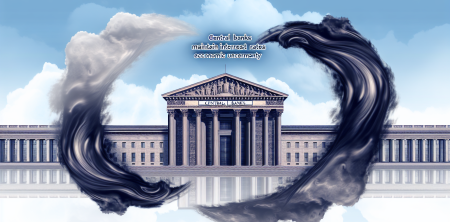
On March 20, 2026, major central banks, including the Federal Reserve, opted to keep interest rates unchanged, reflecting a cautious approach amidst rising economic uncertainty and persistent inflation concerns. This decision mirrors the Fed's ongoing commitment to a steady monetary policy, even as global events continue to shape economic landscapes.
Current Economic Landscape
The decision by central banks to maintain interest rates comes at a time when economic indicators suggest a mixed outlook. While some sectors show signs of recovery, inflation remains a significant concern. The Federal Reserve, under the leadership of its Chair, has been navigating through a complex mandate, balancing the need to support economic growth while also addressing inflationary pressures.
Inflation Woes
Inflation rates have been a hot topic among economists and policymakers alike. Recent data indicates that inflation continues to exceed desired targets, prompting central banks to remain vigilant. The persistence of high inflation has led to a cautious stance among policymakers, who are wary of making moves that could inadvertently stifle economic growth.
- Consumer Prices: The Consumer Price Index (CPI) has shown an upward trend, indicating that consumers are paying more for goods and services.
- Core Inflation: Core inflation, which excludes volatile food and energy prices, has also remained elevated, complicating the central banks' decision-making process.
- Supply Chain Issues: Ongoing disruptions in global supply chains have contributed to rising costs, further exacerbating inflationary pressures.
Global Events and Economic Policy
The decision to hold interest rates steady is also influenced by various global events that have introduced a level of uncertainty into the economic environment. Geopolitical tensions, trade disputes, and the lingering effects of the pandemic have created a complex backdrop for economic recovery.
Central banks are closely monitoring these developments, as they have the potential to impact not only inflation but also overall economic growth. The interplay between domestic policies and international events will play a crucial role in shaping future monetary policies.
Impacts of H-1B Visa Rule Changes
In addition to the decisions made by central banks, there is another significant factor at play: the anticipated changes to H-1B visa regulations. Starting in March 2026, new rules are expected to reshape the labor market, particularly in sectors that rely heavily on skilled foreign workers.
The implications of these changes are profound:
- Labor Market Dynamics: The new visa rules could lead to a tighter labor market as companies may struggle to fill positions that require specialized skills.
- Hiring Strategies: Businesses may need to rethink their hiring practices, potentially leading to increased competition for domestic talent.
- Economic Growth: A shift in labor availability may influence economic growth, particularly in technology and healthcare sectors, where skilled labor is in high demand.
Future Outlook
As central banks maintain their current interest rates, the future remains uncertain. Economists anticipate that the effectiveness of monetary policy will be tested against ongoing inflation and evolving labor market dynamics. The interplay between central bank decisions and external factors such as visa regulations and global economic conditions will be crucial in determining the trajectory of the economy.
In the coming months, central banks will continue to assess economic data and global trends to inform their policies. The challenge lies in navigating through the delicate balance of stimulating growth while keeping inflation in check.
Conclusion
The decision to keep interest rates steady reflects a broader strategy aimed at fostering economic stability. As the world grapples with uncertainty, the actions of central banks will undoubtedly play a pivotal role in shaping the economic landscape. Stakeholders, from policymakers to businesses, will need to remain adaptable and informed as they respond to these evolving challenges.
In summary, the current economic situation underscores the importance of vigilance and strategic planning as central banks and businesses alike brace for the impacts of inflation, global events, and changes in labor market dynamics. The coming months will be critical in determining how these factors will shape the economy moving forward.

