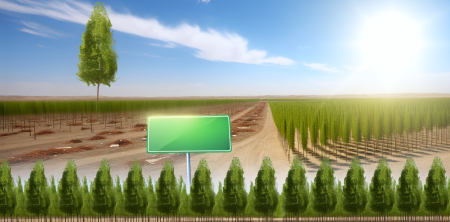
The battle against desertification in China has taken a remarkable turn, as recent satellite images unveil the significant progress of the country’s ambitious Green Wall project. Initiated to combat the relentless spread of deserts, this extensive tree-planting initiative is now being recognized as a potential game-changer for both China and the global environment.
The Green Wall Project Explained
Launched in the 1970s, the Green Wall project, officially known as the “Great Green Wall,” aims to create a barrier of trees across northern China to halt the encroachment of the Gobi Desert. This vast undertaking involves planting trees over millions of hectares, with the goal of not only stopping desertification but also improving air quality, preserving biodiversity, and enhancing rural livelihoods.
Satellite Imagery: A Visual Testament
On March 29, 2026, satellite images released to the public showcased the dramatic transformation of the landscape, underscoring the effectiveness of the Green Wall initiative. The visuals illustrate a stark contrast between areas of thriving greenery and the barren expanses of the desert, highlighting how extensive tree planting has helped stabilize the soil and reduce dust storms.
Impact on Desertification
Desertification poses a significant threat to China’s ecological balance, affecting agriculture, water resources, and the overall health of local communities. The latest images reveal that the Green Wall has successfully halted the advancement of the Gobi Desert in several key areas, providing vital relief to farmers and residents.
- Soil Stabilization: The roots of the trees play a crucial role in holding the soil together, preventing erosion and promoting healthier land.
- Carbon Sequestration: The trees absorb carbon dioxide, contributing to efforts to mitigate climate change and improve air quality.
- Enhanced Biodiversity: By creating new habitats, the project encourages the return of flora and fauna that had previously been displaced by expanding deserts.
- Economic Benefits: The initiative has opened up new avenues for eco-tourism and sustainable forestry, providing economic opportunities for local communities.
Global Implications
The success of China's Green Wall project holds significant implications beyond its borders. As climate change accelerates desertification worldwide, the lessons learned from this initiative could inform similar projects in other countries facing environmental degradation.
Experts argue that the scale of China's efforts sets a precedent for global cooperation in combating desertification, a challenge that affects millions of people and threatens food security in many regions. Collaborative initiatives could lead to the establishment of green belts in various countries, ultimately contributing to a more sustainable planet.
Challenges Ahead
Despite the successes, the Green Wall project is not without its challenges. Critics have raised concerns about monoculture plantations, where a single species of tree is planted extensively. This approach can lead to vulnerabilities in the ecosystem, making it susceptible to pests and diseases.
Furthermore, the long-term sustainability of the project relies on adequate water resources, which are increasingly strained due to climate change. Ensuring that the newly planted trees have access to sufficient water will be crucial for the success of the Green Wall in the years to come.
Community Involvement and Education
A key factor in the ongoing success of the Green Wall initiative is the involvement of local communities. Education and awareness campaigns are essential for fostering a sense of ownership among residents, encouraging them to participate in tree planting and maintenance efforts.
Community-led initiatives can enhance the project's effectiveness by ensuring that the right types of trees are planted in suitable locations, thus promoting biodiversity and resilience against environmental stresses.
A Model for Future Initiatives
The Green Wall project serves as a model for other countries grappling with similar environmental issues. By showcasing the power of large-scale reforestation efforts, China is leading the way in demonstrating how effective environmental policies can yield tangible results.
As the world grapples with the multifaceted challenges of climate change, deforestation, and desertification, initiatives like China’s Green Wall may hold the key to a more sustainable future. The journey towards a greener planet is fraught with challenges, but the progress made so far is a testament to what can be achieved with commitment and collaboration.
Conclusion
The recent satellite images of China’s Green Wall project reveal an inspiring story of resilience and environmental stewardship. As the initiative continues to evolve, its success may offer hope not only for China but for the global community as we strive to confront the pressing environmental crises of our time. The Green Wall is more than just a line of trees; it represents a beacon of hope in the fight against desertification and climate change.

