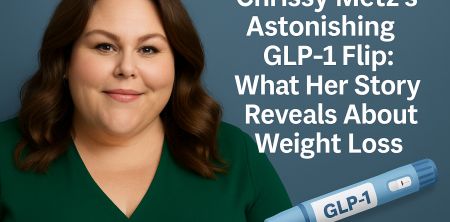
Chrissy Metz, the beloved actress who captured hearts as Kate Pearson in the hit show 'This Is Us,' has always been refreshingly candid about her journey with body image and weight. For years, she's been a vocal advocate for self-acceptance and has openly discussed the challenges of navigating a world often obsessed with thinness. So, when news broke recently that Metz, now 45, had not only decided to try GLP-1 weight loss medications but was also defending her choice, it sent ripples through both Hollywood and the broader health community. After six years of publicly expressing skepticism about such interventions, her pivot is more than just a personal revelation; it's a window into the complex, often fraught, landscape of weight management, especially for women in midlife.
Her decision wasn't made lightly. Metz specifically cited a confluence of factors: the physiological shifts brought on by perimenopause, a significant family history of obesity, and a long, often frustrating, history of unsuccessful attempts with traditional diets. She framed her choice not as a surrender, but as a proactive step to 'take care of' herself, a sentiment many can surely relate to. What’s particularly compelling about her account isn't just the weight loss itself, but an unexpected psychological benefit she described: a profound reduction in 'food noise' and a diminished obsession over meals. This concept of silencing the constant internal chatter about food is something many people struggling with weight and disordered eating patterns yearn for. Her experience adds a powerful, personal dimension to the ongoing public discourse surrounding GLP-1 drugs, their efficacy, and the societal pressures that often drive us to seek new solutions.
The Journey from Skepticism to Acceptance
For someone who spent half a decade wary of pharmaceutical interventions for weight loss, Chrissy Metz's transformation from skeptic to advocate is quite a statement. Her initial reluctance wasn't unique; many people, including medical professionals, harbored reservations about a new class of drugs that promised significant weight reduction. Concerns often centered on potential side effects, the long-term sustainability of the weight loss, and the ethical implications of using medication for something often viewed as a lifestyle issue. Metz herself likely grappled with these very questions, perhaps feeling that relying on medication might undermine the message of self-love and acceptance she had championed.
However, life has a way of presenting new challenges that force us to re-evaluate our preconceived notions. For Metz, the onset of perimenopause appears to have been a significant turning point. This physiological phase, often marked by hormonal fluctuations, can make weight management incredibly difficult, even for those who have always maintained a stable weight. Add to that a strong genetic predisposition to obesity, which Metz has openly acknowledged, and a history of diets that, while perhaps offering temporary results, ultimately didn't provide a sustainable solution. It's a classic scenario many women find themselves in: feeling like their bodies are betraying them despite their best efforts. Her pivot wasn't a sign of weakness, but perhaps a pragmatic recognition that sometimes, our bodies need more than just diet and exercise to find balance.
Perimenopause and the Weight Loss Conundrum
Let's talk about perimenopause for a moment, because it's a critical, often overlooked, piece of Chrissy Metz's story. This transitional period leading up to menopause can begin as early as a woman's late 30s or early 40s and can last for several years. It's characterized by fluctuating hormone levels, particularly estrogen, which can wreak havoc on a woman's body in myriad ways. One of the most common and frustrating symptoms is weight gain, particularly around the abdomen. Many women report that even if their diet and exercise routines haven't changed, the scale starts creeping up, and it becomes incredibly difficult to shed those extra pounds.
The reasons for this are complex. Estrogen plays a role in regulating metabolism and fat distribution. As estrogen levels decline, the body tends to store fat more readily, especially visceral fat around the organs. Compounding this, perimenopause can disrupt sleep patterns, increase stress levels, and lead to a loss of muscle mass, all of which further slow metabolism. For someone like Metz, who already carried a significant amount of weight and had a family history of obesity, perimenopause likely felt like an uphill battle that traditional methods simply couldn't overcome. Her choice to explore GLP-1 drugs in this context isn't a shortcut; it's an attempt to address a biological shift that conventional strategies often struggle to counter effectively.
Understanding GLP-1 Drugs: A Brief Overview
So, what exactly are these GLP-1 drugs that Chrissy Metz and so many others are now turning to? GLP-1 stands for Glucagon-Like Peptide-1, a hormone naturally produced in the gut. These medications, which include popular brand names like Ozempic, Wegovy, Mounjaro, and Zepbound, mimic the action of this natural hormone. Their primary mechanism of action is multifaceted and quite clever.
Firstly, GLP-1 agonists stimulate the release of insulin when blood sugar levels are high, helping to lower glucose. Secondly, they suppress glucagon secretion, another hormone that raises blood sugar. Thirdly, and crucially for weight loss, they slow gastric emptying, meaning food stays in your stomach longer, which helps you feel fuller for extended periods. This delayed emptying also helps to reduce post-meal blood sugar spikes. Finally, and perhaps most relevant to Metz's 'food noise' experience, GLP-1 drugs act on receptors in the brain to reduce appetite and cravings. This comprehensive approach is what makes them so effective for both blood sugar control in type 2 diabetes and significant weight loss in individuals with obesity or overweight with comorbidities. They're not just calorie restriction aids; they're powerful metabolic modulators.
Silencing the 'Food Noise': A Psychological Revelation
Chrissy Metz's description of reduced 'food noise' is arguably one of the most compelling aspects of her GLP-1 experience. For anyone who has struggled with chronic weight issues, the concept of 'food noise' resonates deeply. It's that incessant mental chatter about food: what to eat, when to eat, how much to eat, feeling guilty after eating, planning the next meal, battling cravings, and constantly trying to exert willpower. It's an exhausting, relentless mental burden that can consume a significant portion of a person's day and mental energy. There's a fuller look at The Wild West of weight loss.
Many people who take GLP-1 drugs report a similar phenomenon. They describe a newfound quietness around food, a sense of liberation from the constant preoccupation. This isn't just about feeling full; it's about a fundamental shift in the brain's reward pathways and appetite regulation. The drugs seem to dampen the intense pleasure and reward signals associated with certain foods, making them less alluring. This allows individuals to make more rational, less emotionally driven food choices. Imagine the mental space that opens up when you're not constantly battling your own brain about food. It's a profound psychological benefit that goes beyond mere calorie reduction and speaks to the deeper, often unaddressed, mental components of obesity. (See: GLP-1 receptor agonists and weight loss.)
The Broader Celebrity Influence on GLP-1 Adoption
Chrissy Metz isn't the first celebrity to openly discuss using GLP-1 drugs, and she certainly won't be the last. High-profile endorsements, or even just candid discussions, from figures like Serena Williams and now Metz, play a significant role in shaping public perception and driving adoption. When someone admired and relatable shares their positive experience, it can demystify the treatment and reduce the stigma often associated with weight loss medications. For years, there was a pervasive narrative that 'real' weight loss had to be achieved solely through diet and exercise, often implying a moral failing if one couldn't achieve it. Celebrities openly discussing their use of GLP-1 drugs helps to normalize the idea that obesity is a complex medical condition, not just a matter of willpower.
However, this celebrity effect is a double-edged sword. While it can raise awareness and reduce stigma, it can also create unrealistic expectations or contribute to a 'quick fix' mentality. It often glosses over the significant cost, potential side effects, and the need for ongoing medical supervision. Furthermore, the immense demand fueled by celebrity buzz can exacerbate supply shortages, making it harder for individuals with severe medical needs, such as those with type 2 diabetes, to access their medications. The conversation needs to extend beyond personal anecdotes to a more balanced, medically informed discussion about who these drugs are truly for and what their comprehensive implications are.
Cost, Accessibility, and Ethical Considerations
While the efficacy of GLP-1 drugs for weight loss is increasingly evident, their widespread adoption is fraught with challenges, primarily concerning cost and accessibility. These medications are expensive, often costing upwards of $1,000 to $1,500 per month without insurance. Many insurance plans, particularly in the U.S., do not cover weight loss medications, or they have very stringent criteria for coverage, leaving many individuals unable to afford them. This creates a significant disparity, where access to a potentially life-changing treatment is dictated by socioeconomic status, rather than medical need.
Beyond cost, there are ethical dilemmas. Should these powerful drugs be available to anyone seeking weight loss, or should they be reserved for those with specific medical conditions like obesity-related comorbidities? The 'cosmetic' use of these drugs, where individuals with minimal overweight seek them for aesthetic reasons, raises concerns about resource allocation and potential misuse. We also need to consider the long-term implications. These are not typically short-term treatments; weight regain is common if the medication is stopped. This means a lifelong commitment for many, raising questions about sustainability, healthcare burden, and the impact on pharmaceutical companies' bottom lines. These are complex issues that healthcare systems and policymakers are only just beginning to grapple with.
The Importance of Medical Supervision and Individualized Care
It's crucial to emphasize that GLP-1 drugs, despite their effectiveness, are not a magic bullet and should always be used under strict medical supervision. These are powerful medications with potential side effects, including nausea, vomiting, diarrhea, constipation, and, in rarer cases, more serious issues like pancreatitis or gallbladder problems. A healthcare provider needs to assess a patient's medical history, current health status, and other medications to determine if GLP-1s are appropriate and safe.
Furthermore, taking these medications isn't a substitute for a healthy lifestyle. While they can significantly reduce appetite and food cravings, combining them with nutritional guidance, regular physical activity, and behavioral therapy tends to yield the best and most sustainable results. A comprehensive approach, tailored to the individual's unique needs and circumstances, is always superior to medication alone. Chrissy Metz's journey, while personal, underscores the need for a thoughtful, individualized approach to weight management, one that considers not just the numbers on the scale, but also the underlying biological, psychological, and social factors at play.
Beyond the Scale: Redefining Weight Loss Success
Chrissy Metz's story invites us to think beyond the conventional metrics of weight loss success. While dropping pounds is often the primary goal, her emphasis on the reduction of 'food noise' and a feeling of 'taking care of herself' points to a deeper, more holistic understanding of health. For many, the constant battle with food isn't just about appearance; it's about mental peace, energy levels, mobility, and overall quality of life. If GLP-1 drugs can alleviate that mental burden, improve metabolic health markers like blood sugar and blood pressure, and enhance a person's ability to engage with life more fully, then perhaps their value extends far beyond a simple number on the scale.
This perspective aligns with a growing movement in healthcare that advocates for treating obesity as a chronic disease, rather than a moral failing. Just as someone with high blood pressure might need medication to manage their condition, someone with obesity might benefit from pharmaceutical intervention to regulate complex physiological processes that contribute to weight gain. Metz's honesty helps to destigmatize this approach, reminding us that seeking help for a medical condition is a sign of self-care, not weakness. Her experience adds a powerful voice to the evolving conversation about how we define and achieve true well-being in a world that often oversimplifies the complexities of human health.
The Science Behind GLP-1: A Deeper Dive into Efficacy
The remarkable efficacy of GLP-1 drugs isn't just anecdotal; it's backed by robust scientific research. Clinical trials for medications like semaglutide (Wegovy, Ozempic) and tirzepatide (Zepbound, Mounjaro) have shown impressive results. For instance, in trials for Wegovy, participants achieved an average weight loss of around 15% of their body weight over 68 weeks. Tirzepatide, a dual GIP/GLP-1 agonist, has demonstrated even greater reductions, with some trials showing over 20% average body weight loss. To put that in perspective, this level of weight loss was previously only reliably achievable through bariatric surgery. risks of compounded GLP-1s offers useful background here.
These aren't just minor shifts; they represent significant improvements in health markers. Beyond weight reduction, studies consistently show improvements in blood pressure, cholesterol levels, and blood sugar control. For individuals with type 2 diabetes, these drugs are revolutionary, not only helping manage blood glucose but also often leading to weight loss that traditional diabetes medications rarely achieve. The mechanism of action, by influencing multiple pathways related to appetite, satiety, and metabolism, creates a powerful synergistic effect that goes beyond simple calorie restriction. It's a physiological re-calibration that helps the body work with, rather than against, a person's weight loss efforts. Related reading: study on injection side effects.
Navigating Potential Side Effects and Long-Term Considerations
While the benefits of GLP-1 drugs are substantial, it's important to have a realistic understanding of potential side effects and the long-term commitment. Common side effects, as mentioned, often include gastrointestinal issues like nausea, vomiting, diarrhea, and constipation. These are usually mild to moderate and tend to decrease over time as the body adjusts to the medication, especially when the dose is escalated slowly. However, some individuals experience more persistent or severe side effects that might necessitate discontinuing the drug. (See: Causes of obesity in adults.)
Rarer, but more serious, side effects can include pancreatitis (inflammation of the pancreas), gallbladder problems (like gallstones), and kidney issues. There's also a black box warning for a potential risk of thyroid C-cell tumors (including medullary thyroid carcinoma) in rodents, though it's unclear if this risk applies to humans. This is why careful patient selection and ongoing medical monitoring are absolutely essential. Long-term, many patients will likely need to continue these medications indefinitely to maintain their weight loss, similar to how individuals manage chronic conditions like high blood pressure or high cholesterol. Stopping the medication often leads to weight regain, underscoring the chronic nature of obesity and the need for sustained treatment.
The Role of Lifestyle in Conjunction with GLP-1 Therapy
It's a common misconception that GLP-1 drugs are a 'set it and forget it' solution. While they are powerful tools, their effectiveness is greatly enhanced when integrated into a comprehensive lifestyle plan. Think of them as a powerful assist, not a replacement for healthy habits. Nutritional guidance is paramount. With a reduced appetite, it becomes easier to make healthier food choices, but it's still crucial to ensure adequate protein intake to preserve muscle mass, and to consume nutrient-dense foods. Focusing on whole, unprocessed foods helps maximize the metabolic benefits.
Physical activity is another key component. Exercise not only burns calories but also helps build and maintain muscle, which is vital for metabolism. Even moderate activity, like regular walking, can significantly improve cardiovascular health and overall well-being. Behavioral therapy or counseling can also be incredibly helpful, especially for addressing emotional eating patterns or developing new coping mechanisms that don't revolve around food. Chrissy Metz's experience with reduced 'food noise' creates an ideal window for individuals to reset their relationship with food and establish sustainable healthy routines, something that was much harder when constant cravings dominated their thoughts.
Expert Perspectives: Endocrinologists and Primary Care Physicians Weigh In
Endocrinologists, specialists in hormones and metabolism, are at the forefront of prescribing GLP-1 drugs. Many view these medications as a game-changer for treating obesity and type 2 diabetes. Dr. Fatima Cody Stanford, an obesity medicine physician and associate professor at Harvard Medical School, often emphasizes that obesity is a complex, multifactorial disease, not a personal failing, and that pharmacological interventions are often necessary and appropriate. She highlights the biological underpinnings of obesity, where the body's natural set point for weight is altered, making it incredibly difficult to lose and maintain weight through diet and exercise alone.
Primary care physicians (PCPs) are also increasingly prescribing GLP-1s, though they often face challenges with insurance coverage and managing potential side effects. The American Academy of Family Physicians acknowledges the role of these drugs but stresses the importance of patient education, careful monitoring, and a holistic approach that includes lifestyle modifications. The consensus among medical experts is that GLP-1 drugs offer a powerful, evidence-based treatment option, but they require careful consideration, individualized treatment plans, and ongoing support from a healthcare team to ensure safety and maximize long-term success.
The Future Landscape of GLP-1 Drugs and Obesity Treatment
The field of GLP-1 drugs is rapidly evolving. We're already seeing the emergence of dual agonists like tirzepatide (targeting both GLP-1 and GIP receptors), and triple agonists are in development, aiming to target even more pathways involved in appetite and metabolism. Researchers are also exploring different delivery methods, potentially including oral formulations that could make these medications even more accessible. The long-term impact on public health could be profound, potentially reducing the incidence of obesity-related conditions like heart disease, stroke, and certain cancers.
However, the future also holds challenges. The high cost remains a major barrier, and there's a growing need for healthcare systems to re-evaluate insurance coverage policies to reflect the medical necessity of treating obesity. Addressing supply chain issues and ensuring equitable access will be critical. Furthermore, as more people use these drugs, we'll gain even deeper insights into their long-term safety profile and the best strategies for integrating them into standard medical care. The conversation around obesity is shifting, moving away from blame and towards a recognition of its biological complexity, and GLP-1 drugs are a significant catalyst in that transformation.
Frequently Asked Questions About GLP-1 Drugs
What exactly is GLP-1?
GLP-1 (Glucagon-Like Peptide-1) is a natural hormone produced in your gut. It plays several key roles in regulating blood sugar and appetite. GLP-1 drugs mimic this natural hormone to achieve their effects.
How do GLP-1 drugs cause weight loss?
They work in multiple ways: by slowing down how quickly food leaves your stomach (making you feel full longer), by signaling your brain to reduce appetite and cravings, and by helping regulate blood sugar, which can reduce fat storage.
Are GLP-1 drugs only for people with diabetes?
Not anymore. While initially developed for type 2 diabetes, certain GLP-1 medications (like Wegovy and Zepbound) are specifically approved by the FDA for chronic weight management in individuals with obesity or overweight with at least one weight-related condition. (See: Obesity and overweight fact sheet.)
What are the common side effects?
The most common side effects are gastrointestinal, including nausea, vomiting, diarrhea, and constipation. These are usually mild and tend to improve over time as your body adjusts to the medication.
Are there any serious side effects?
Serious side effects are rare but can include pancreatitis, gallbladder problems, and kidney issues. There's also a potential risk of a specific type of thyroid tumor (medullary thyroid carcinoma), which has been seen in animal studies, so people with a personal or family history of certain thyroid cancers should avoid these drugs.
How long do I need to take GLP-1 drugs?
For chronic weight management, GLP-1 drugs are typically intended for long-term use. If you stop taking the medication, it's common to regain the weight you've lost, as obesity is a chronic condition that often requires ongoing treatment.
How much do GLP-1 drugs cost?
The cost can be high, often ranging from $1,000 to $1,500 per month without insurance. Insurance coverage for weight loss medications varies widely, so it's important to check with your specific plan.
Can I just take GLP-1 drugs and not diet or exercise?
While GLP-1 drugs are very effective, they work best when combined with lifestyle changes like a healthy diet and regular physical activity. These habits help maximize weight loss, improve overall health, and promote muscle mass retention.
Who is a good candidate for GLP-1 drugs?
Generally, good candidates are individuals with a BMI of 30 or higher (obesity), or a BMI of 27 or higher (overweight) with at least one weight-related comorbidity (like high blood pressure, high cholesterol, or sleep apnea). A doctor will assess your full medical history to determine if these medications are right for you.
What is 'food noise' and how do GLP-1 drugs help with it?
'Food noise' refers to the constant thoughts, cravings, and preoccupations about food that many people struggling with weight experience. GLP-1 drugs act on brain receptors to reduce appetite and dampen the reward signals from food, effectively quieting this internal chatter and making it easier to make mindful eating choices. We covered deaths linked to weight loss drugs in more detail.
Trending Now
Frequently Asked Questions
What weight loss medication did Chrissy Metz start using?
Chrissy Metz recently began using GLP-1 weight loss medications, marking a significant shift in her approach to weight management after years of skepticism towards pharmaceutical interventions.
Why did Chrissy Metz change her mind about weight loss drugs?
Metz's decision to try GLP-1 medications stemmed from various factors including physiological changes from perimenopause, a family history of obesity, and past frustrations with traditional dieting methods.
What did Chrissy Metz say about the psychological effects of GLP-1 medication?
In her experience, Metz noted a significant reduction in 'food noise,' which refers to the constant internal chatter about food, leading to a healthier relationship with meals and less obsession over eating.
How has Chrissy Metz advocated for self-acceptance?
Throughout her career, Metz has been a vocal advocate for self-acceptance, openly discussing her struggles with body image and weight, and emphasizing the importance of taking proactive steps for personal health.
What impact has Chrissy Metz's story had on discussions about weight loss?
Metz's journey from skepticism to acceptance of GLP-1 medications adds a personal narrative to the ongoing discourse about weight loss solutions, highlighting the complexities women face, especially during midlife.
What's your take on this? Share your thoughts in the comments below — we read every one.

