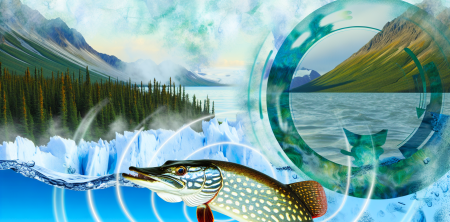
As climate change continues to reshape ecosystems around the globe, new research highlights a troubling trend in Alaska's freshwater environments. Rising river temperatures are not only impacting the habitat but are also enhancing the predatory behavior of invasive northern pike, a species that poses a significant threat to native fish populations.
The Invasive Predator: Northern Pike
Northern pike (Esox lucius) are large, aggressive fish that have made their way into various water systems across Alaska. Originally native to regions of North America, Europe, and Asia, their introduction into new ecosystems has led to the decline of local fish species. They are known for their voracious appetite and ability to adapt to various environmental conditions.
Climate Change and Rising Water Temperatures
The study published on March 29, 2026, details how rising river temperatures are directly linked to increased predation rates among northern pike. As the climate warms, aquatic habitats experience shifts that can lead to higher water temperatures. This warming phenomenon is not just a cosmetic change; it has profound implications for the behavior and survival of aquatic species.
Impact on Native Fish Populations
With northern pike becoming more aggressive and predatory in warmer waters, native fish species are facing unprecedented pressure. Research indicates that these invasive predators tend to consume a larger number of fish in warmer conditions, exacerbating the declines in local populations. Species such as salmon, which are vital to the Alaskan ecosystem and economy, are particularly at risk.
Statistics and Ecological Implications
Statistics from the study provide a stark picture of the ecological impacts resulting from this dynamic. For example, in regions where water temperatures have risen by just a few degrees Celsius, the predation rates of northern pike have increased by nearly 30%. This rise in predation is contributing to a concerning trend: the decline of native fish populations, some of which have already suffered decreases of over 50% in certain areas.
Threats to Biodiversity
The combination of warmer waters and increased predation creates a perfect storm for biodiversity loss in Alaskan aquatic ecosystems. As native species struggle to survive, the ecological balance is disrupted. This not only affects fish populations but also impacts the entire food web, including birds and mammals that rely on these fish for sustenance.
Broader Implications of Invasive Species
The implications extend beyond immediate ecological impacts. The presence of invasive species like northern pike can alter habitats, affect water quality, and lead to a decrease in recreational and commercial fishing opportunities. Local communities that depend on these fish for their livelihoods may find themselves facing economic challenges as fish populations dwindle.
Potential Solutions and Mitigation Strategies
Addressing the surge in northern pike populations and their predation requires a multifaceted approach. Some potential strategies include:
- Monitoring and Management: Regular monitoring of fish populations and water temperatures can help identify trends and inform management decisions.
- Public Awareness: Educating local communities about the impacts of invasive species and promoting responsible fishing practices are crucial.
- Habitat Restoration: Restoring native habitats can help bolster local fish populations and make them more resilient to predation.
- Control Measures: Implementing control measures for northern pike populations, such as targeted fishing initiatives, can help mitigate their impact.
Conclusion: The Need for Urgent Action
The findings from this study underscore the urgent need for action in the face of climate change and invasive species. As water temperatures continue to rise, the predatory behavior of northern pike will likely intensify, posing a significant threat to the biodiversity of Alaskan ecosystems. It is crucial for researchers, conservationists, and policymakers to work together to devise effective strategies to manage this growing problem.
Ultimately, the future of Alaska's native fish populations may depend on our ability to understand the complex interplay between climate change and invasive species, and to take proactive steps to safeguard these vital ecosystems for generations to come.

