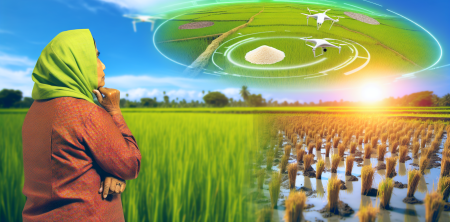
On March 31, 2026, Mars, the global food company known for brands like Ben’s Original, Tasty Bite, and Seeds of Change, published a revealing report that sheds light on the mounting pressures rice farmers face, especially in Asia. The study highlights alarming trends among farmers in India and Pakistan, with a significant percentage expressing reluctance to have their children continue in rice farming due to climate challenges.
Declining Interest in Rice Farming
According to the report, 70% of rice farmers in India and 63% in Pakistan are unwilling to encourage their children to enter the rice farming profession. This reluctance stems from the increasing unpredictability of climate conditions, which has made traditional farming methods increasingly untenable. The findings suggest a growing crisis in the agricultural sector that could have long-term implications for food security in the region.
Consumer Misconceptions About Rice and Climate Change
The report also highlights a disconnect between consumer perceptions and the realities faced by farmers. While 62% of consumers in the U.K. view rice as a dietary staple, 38% deny the impact of climate change on rice production. This gap in understanding poses challenges for the industry as it seeks to implement solutions that address both consumer needs and farmer sustainability.
The Role of Climate Change
Climate change is not just an abstract concept—it has tangible effects on agriculture, especially for crops like rice that require specific growing conditions. Farmers are now facing a range of challenges, including:
- Increased frequency of droughts and floods
- Rising temperatures
- Soil degradation
- Pest and disease pressures
These factors have led to lower yields and greater uncertainty in farming, prompting many farmers to reconsider the viability of their livelihoods.
Industry Support for Sustainable Practices
Chris Sackree, Global Vice President of Supply at Mars Food & Nutrition, emphasizes the critical need for industry support in promoting climate-smart agricultural practices. He advocates for solutions that not only incentivize farmers but also build resilience against the adverse effects of climate change. By investing in sustainable practices, the industry can help mitigate the risks that farmers currently face.
What Are Climate-Smart Agricultural Practices?
Climate-smart agriculture encompasses various strategies aimed at increasing productivity while minimizing environmental impacts. Some of these practices include:
- Crop rotation to improve soil health
- Utilizing drought-resistant rice varieties
- Implementing water-saving irrigation techniques
- Integrating technology for better resource management
These practices not only help in adapting to climate change but also contribute to enhancing food security and the livelihoods of farmers.
The Road Ahead for Rice Farmers
The findings from Mars's report serve as a wake-up call for stakeholders in the food industry, policymakers, and consumers alike. There is a pressing need to bridge the gap between consumer perceptions and the realities faced by rice farmers. Raising awareness about the challenges of climate change is essential to foster a more informed consumer base that understands the complexities of rice production.
Encouraging Future Generations
To ensure a sustainable future for rice farming, it is crucial to encourage young people to consider agriculture as a viable career. This can be achieved through:
- Education and awareness programs about sustainable farming practices
- Financial incentives for adopting climate-smart methods
- Community support networks to share knowledge and resources
By addressing both the challenges and misconceptions surrounding rice farming and climate change, stakeholders can work together to create a more resilient agricultural sector.
Conclusion
The report published by Mars highlights a critical juncture for rice farmers in India and Pakistan. With rising climate pressures and shifting consumer perceptions, it is imperative that the industry, government, and consumers come together to support sustainable practices. Only through collaboration and innovation can we hope to secure the future of rice farming and ensure that it remains a viable livelihood for generations to come.

