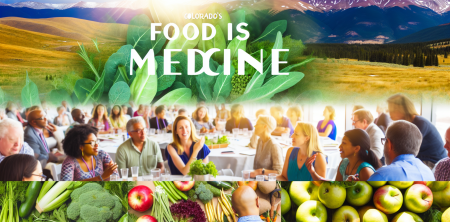
On March 19, 2026, the Food Is Medicine movement in Colorado celebrated a significant milestone with its third annual summit, co-hosted by Kaiser Permanente and Project Angel Heart. The event attracted over 300 attendees, marking a notable increase from the approximately 200 participants at the inaugural summit in 2023. This surge in interest underscores the growing recognition of the critical role that food and nutrition play in public health and chronic disease management.
Understanding the Food Is Medicine Initiative
The Food Is Medicine initiative is centered around the premise that access to healthy, nutritious food can serve as a fundamental component of healthcare, particularly for individuals dealing with diet-related diseases such as heart disease, diabetes, and hypertension. This movement advocates for evidence-based solutions that not only address food insecurity but also aim to improve health outcomes by integrating nutrition into healthcare practices.
Key Issues Addressed at the Summit
During the summit, experts in nutrition, healthcare, and public policy converged to discuss collaborative strategies that can enhance nutrition programs for individuals with chronic health conditions. The discussions highlighted several key areas of focus:
- Collaboration: Emphasis was placed on the need for partnerships at all levels—ranging from local organizations to state and federal entities—to create a robust framework for food access and nutrition education.
- Education: The summit underscored the importance of educating both healthcare providers and patients about the benefits of dietary changes and how to implement them effectively.
- Policy Advocacy: Participants discussed the need for policy changes to support food access initiatives, including funding for community-based programs and improved infrastructure for food distribution.
- Research and Evidence: Sharing data and research findings was a focal point, as evidence-based approaches can significantly strengthen the case for integrating food as a prescription in clinical settings.
Transforming Health through Nutrition
Leaders at the summit emphasized that transforming diet-related diseases requires a multifaceted approach that combines clinical care with community resources. By identifying and addressing the social determinants of health—such as access to healthy food—healthcare providers can better support their patients in managing chronic conditions.
Real-World Impact: Success Stories
Participants shared success stories from various programs around Colorado that exemplify the Food Is Medicine approach. For instance, Project Angel Heart, which has been a key player in this movement, provides medically tailored meals to individuals with serious illnesses. These meals are designed not only to meet dietary needs but also to promote overall health and recovery.
Another program highlighted at the summit was a partnership between local farms and healthcare providers that facilitates the distribution of fresh produce to food-insecure communities. By connecting patients with local food resources, these initiatives not only improve nutritional intake but also foster a sense of community and support.
Future Directions for the Movement
Looking ahead, the Food Is Medicine movement in Colorado aims to expand its reach and deepen its impact. The summit served as a platform for launching new initiatives and exploring innovative ideas that can further integrate nutrition into healthcare systems. Some potential future directions discussed included:
- Enhanced Training for Healthcare Providers: Developing comprehensive training programs to equip healthcare professionals with the knowledge to address nutrition in clinical settings effectively.
- Leveraging Technology: Utilizing digital health tools to monitor dietary habits and provide personalized nutrition advice directly to patients.
- Scaling Successful Models: Identifying and replicating successful food access models across different regions to ensure that more individuals can benefit from these initiatives.
Conclusion
The increasing attendance and engagement at the third annual Food Is Medicine summit in Colorado reflect a broader shift towards recognizing the importance of nutrition in health care. As the movement continues to grow, it promises to pave the way for innovative solutions that address the pressing issues of food insecurity and diet-related diseases. With ongoing collaboration among healthcare providers, community organizations, and policymakers, the vision of a healthier future grounded in nutrition is becoming more achievable.
As this initiative gains traction, it serves as a reminder that food is not just sustenance; it is a powerful tool for health and wellness. The commitment of stakeholders across Colorado to champion this cause is crucial in transforming lives and communities through the lens of nutrition.

