Introduction
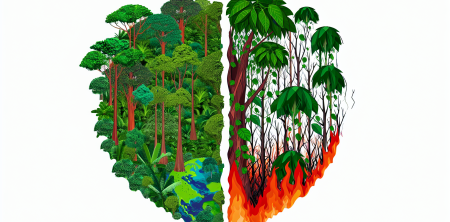
The world’s tropical rainforests, often referred to as the "lungs of the planet," are facing a dire crisis. While recent data from the University of Maryland indicates a significant decrease in tropical rainforest loss for 2025, the overall picture remains troubling. The 36% reduction in forest loss compared to the alarming rates recorded in 2024 provides a glimmer of hope, but it is overshadowed by the persistent threat of wildfires and ongoing deforestation challenges. This article explores the complexities of rainforest conservation, the implications of forest loss, and the urgent need for global action.
The Current State of Tropical Rainforests
As of April 29, 2026, reports from Washington, D.C. reveal that tropical rainforest loss decreased markedly in 2025. This decline is a significant shift from the record high losses reported in the previous year. However, the data also emphasizes that while there has been some progress, the battle against deforestation is far from over.
Statistics and Trends
The University of Maryland’s findings highlight critical statistics regarding tropical rainforest loss:
- 36% decrease in rainforest loss in 2025 compared to 2024.
- Despite the reduction, millions of hectares continue to be lost annually.
- Wildfires have escalated, now posing a significant threat to remaining forest areas.
These figures illustrate a complex narrative. While conservation efforts may be having a positive impact, the specter of wildfires looms large, exacerbating the challenges faced by these vital ecosystems.
Understanding the Causes of Forest Loss
The ongoing loss of tropical rainforests can be attributed to several interrelated factors. Understanding these causes is essential for developing effective strategies for conservation and restoration.
Deforestation Drivers
Key drivers of deforestation include:
- Agricultural Expansion: As global demand for food increases, vast areas of rainforest are cleared for agricultural purposes, particularly for crops like palm oil, soy, and beef.
- Logging: Both legal and illegal logging operations continue to threaten rainforest integrity by removing valuable trees and disrupting ecosystems.
- Infrastructure Development: The construction of roads, urban areas, and other infrastructure projects often leads to significant deforestation as forests are cleared to make way for development.
- Climate Change: Altered weather patterns can make forests more susceptible to disease and pests while also increasing the frequency of wildfires.
Impact of Wildfires
The report underscores the escalating threat of wildfires as a major concern for tropical rainforests. Wildfires can be triggered by a variety of factors, including:
- Human Activity: Land clearing for agriculture often involves burning, which can easily spiral out of control.
- Natural Causes: Drought conditions and lightning strikes can ignite fires in dry forest areas.
Wildfires not only destroy vast areas of forest but also release significant amounts of carbon dioxide into the atmosphere, contributing to climate change and further destabilizing local ecosystems.
The Importance of Biodiversity
Tropical rainforests are home to over half of the world’s plant and animal species, making them critical for global biodiversity. The loss of these forests poses a severe threat to countless species, many of which are already endangered.
Ecological Consequences
The biodiversity within tropical rainforests provides numerous ecological benefits:
- Carbon Sequestration: Trees absorb carbon dioxide, helping to mitigate climate change.
- Water Cycle Regulation: Rainforests play a crucial role in maintaining regional and global water cycles.
- Soil Preservation: Forests help prevent soil erosion and maintain soil health.
The loss of biodiversity can disrupt these ecological functions, leading to a cascade of negative effects on both local and global scales.
Global Efforts and Initiatives
In light of the ongoing crisis, various global initiatives and efforts have been implemented to combat rainforest loss and promote conservation.
International Agreements
Several international agreements aim to address deforestation and promote sustainable land use:
- The Paris Agreement: A legally binding international treaty on climate change that aims to limit global warming and promote sustainable practices.
- REDD+: The United Nations program that aims to reduce emissions from deforestation and forest degradation, providing financial incentives for developing countries to manage their forests sustainably.
These agreements highlight the importance of international cooperation in addressing the multifaceted challenges of rainforest conservation.
Local and Community-Based Initiatives
In addition to global efforts, local initiatives are critical for effective rainforest conservation:
- Community Forestry: Involving local communities in forest management can lead to more sustainable practices and improved livelihoods.
- Education and Awareness: Raising awareness about the importance of rainforests and the consequences of deforestation can drive grassroots conservation efforts.
These initiatives empower local communities and ensure that conservation efforts are culturally sensitive and effective.
Technological Innovations in Conservation
Technology plays a crucial role in modern conservation efforts, providing innovative solutions to combat deforestation and protect biodiversity.
Satellite Monitoring
Satellite technology allows for real-time monitoring of forest cover and changes in land use. This data can help:
- Detect Illegal Logging: Monitoring forest areas can identify illegal logging activities, facilitating timely intervention.
- Assess Deforestation Rates: Accurate data collection helps in understanding the extent and pace of forest loss.
By utilizing satellite technology, conservationists can make informed decisions and strategies to protect tropical rainforests.
Drone Technology
Drones are being increasingly used in conservation efforts for:
- Mapping Forest Areas: Drones can create detailed maps of forest regions, providing insights into changes over time.
- Monitoring Wildlife: Drones can assist in tracking wildlife populations and their habitats, helping to assess the health of ecosystems.
The use of drones enhances the ability to gather critical data, enabling more effective conservation strategies.
Conclusion: A Call to Action
The recent data indicating a decrease in tropical rainforest loss in 2025 is a positive sign, yet the ongoing threats of wildfires and deforestation present formidable challenges. The survival of tropical rainforests is not just a regional concern but a global imperative. Protecting these vital ecosystems requires a multifaceted approach that includes:
- Strengthening Policy Frameworks: Governments must enforce stricter regulations on land use and promote sustainable practices.
- Enhancing International Cooperation: Collaborative efforts between countries can lead to more effective conservation strategies.
- Empowering Local Communities: Engaging communities in conservation can lead to more sustainable outcomes and improved livelihoods.
- Investing in Technology: Embracing technological innovations can enhance monitoring and protection efforts.
The fight against rainforest loss is ongoing, and collective action is crucial for ensuring the survival of these irreplaceable ecosystems. As we move forward, it is imperative that we prioritize the health of our planet’s tropical rainforests for the benefit of future generations.

