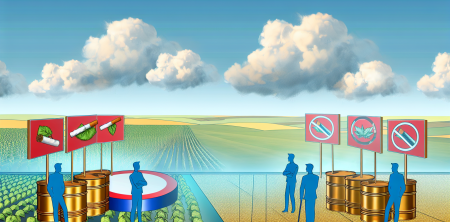
The 2026 Farm Bill has ignited significant controversy among environmental advocates and public health activists due to its provisions that favor tobacco cultivation and pesticide manufacturers. As the MAHA movement, led by Zen Honeycutt of Moms Across America, voices strong opposition, the legislation is viewed as a step backward in the fight for sustainable agriculture and public health.
Provisions of the 2026 Farm Bill
The newly proposed farm bill includes several key provisions that have raised alarms among proponents of organic and regenerative farming. Notably, it offers protection to pesticide manufacturers from health-related lawsuits, which many advocates claim undermines accountability for harmful chemicals used in agriculture. Additionally, the bill seeks to limit state-level warning labels on pesticides, restricting local governments' ability to inform their citizens about potential risks.
Moreover, the bill includes subsidies for tobacco farmers, providing crop insurance and emergency relief, which critics argue perpetuates the cycle of tobacco production despite its well-documented health risks.
The MAHA Movement's Response
The MAHA movement, which stands for Movement Against Harmful Agriculture, has expressed deep dismay over these developments. Zen Honeycutt, the movement's leader, has called for a radical shift away from genetically modified organisms (GMOs) and toxic chemicals prevalent in crops such as soy, corn, and tobacco. Honeycutt advocates for a transition to regenerative organic farming, which emphasizes natural farming practices that promote soil health and biodiversity while reducing reliance on harmful chemicals.
According to Honeycutt, the continued endorsement of high-input agricultural practices threatens public health: "We are poisoning our people and our planet with toxic chemicals. It’s time to invest in sustainable practices that nourish rather than destroy." This sentiment resonates with many who believe that the farm bill fails to address the urgent need for environmental and health reforms.
Environmental Advocates Speak Out
Environmental organizations, including Food & Water Watch, have joined the chorus of criticism aimed at the 2026 Farm Bill. Advocate Lauren Borsheim has pointed out that the bill not only maintains but also expands the use of pesticides that have been linked to serious health issues, including birth defects and various forms of cancer.
- Health Risks: Numerous studies have shown a correlation between pesticide exposure and negative health outcomes, particularly in vulnerable populations such as children and pregnant women.
- Environmental Impact: Pesticides contribute to biodiversity loss, soil degradation, and water contamination, presenting long-term risks to ecosystems.
Borsheim argues that the bill represents a significant setback in the movement toward low-input agricultural practices that could enhance both environmental health and community well-being. Instead of prioritizing sustainable farming methods, the bill appears to endorse a model that favors corporate interests over public health.
The Political Landscape
The contentious nature of the 2026 Farm Bill also highlights a growing rift between the MAHA movement and the Trump administration. Critics assert that the administration's support for the bill aligns with the interests of large agricultural corporations rather than the needs of small farmers and the general population.
As the debate continues, supporters of the bill argue that subsidies for tobacco and protections for pesticide manufacturers are necessary to stabilize farming economies and ensure food security. However, opponents maintain that these provisions ultimately harm public health and do not promote a sustainable agricultural future.
A Call for Change
With the 2026 Farm Bill set to impact farming practices for years to come, advocates are calling for a reevaluation of the legislation's priorities. The focus, they argue, should shift towards supporting organic farming and sustainable practices that prioritize health and environmental conservation.
As the conversation around the farm bill evolves, it becomes increasingly clear that the choices made today will have lasting implications for both human health and environmental sustainability. The MAHA movement and its allies are urging lawmakers to listen to the voices of concerned citizens and prioritize the future of agriculture in a way that nurtures rather than harms.
In conclusion, the 2026 Farm Bill serves as a reflection of the ongoing tensions between traditional agricultural practices and the emerging demand for sustainability and health-conscious farming. The path forward will require a concerted effort from policymakers, farmers, and advocates alike to reshape agricultural policy in a manner that serves the greater good.

