```html
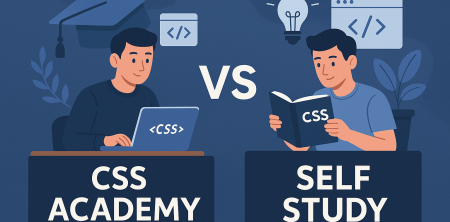
When you're aiming for a career in Pakistan's civil services, the path you choose for your preparation can feel like a make-or-break decision. It's a high-stakes game, and rightly so, considering the prestige, power, and privilege that come with clearing the Central Superior Services (CSS) examination. For many aspiring candidates, the core dilemma boils down to a fundamental question: Should I enroll in a dedicated CSS academy, or can I effectively prepare through self-study? This isn't just about personal preference; it's about strategy, resources, and understanding the unique demands of this notoriously challenging exam. Let's really dig into the merits and demerits of CSS Academy vs Self Study, so you can make an informed choice that aligns with your learning style and ultimate goals.
The CSS exam isn't just another test; it's a marathon that stretches over months, encompassing compulsory subjects, optional subjects, and an interview stage. It demands an incredibly broad knowledge base, sharp analytical skills, and the ability to articulate complex ideas clearly and concisely. There's no single 'right' way to prepare, but understanding what each approach offers can certainly help tilt the odds in your favor. We'll explore eight critical aspects that differentiate these two paths, providing you with a clearer picture of what you're signing up for.
1. Structured Learning Environment vs. Autonomous Planning
One of the most immediate and tangible benefits of a CSS academy is the structured learning environment it provides. Academies typically follow a meticulously designed curriculum, often broken down into modules covering all compulsory and popular optional subjects. They offer a fixed timetable, regular classes, and often, a phased approach that ensures comprehensive coverage of the syllabus. For many students, especially those who struggle with self-discipline or time management, this external structure can be a godsend. It removes the burden of planning 'what to study when' and instead directs their energy towards 'how to study effectively.'
On the flip side, self-study demands an extraordinary level of autonomy and planning. You become your own curriculum designer, timetable manager, and progress monitor. This requires a deep understanding of the CSS syllabus, the ability to prioritize topics, and the discipline to stick to a self-imposed schedule. While it offers unparalleled flexibility – you can study at your own pace, focusing more on areas where you're weak – it also comes with the risk of getting overwhelmed, losing direction, or simply procrastinating. The sheer volume of material can be daunting, and without external guidance, it's easy to feel lost in a sea of information. This is perhaps the most significant divergence in the CSS Academy vs Self Study debate: one offers a clear roadmap, the other requires you to draw your own.
2. Expert Faculty and Mentorship vs. Independent Research
Academies pride themselves on their faculty – often comprising experienced civil servants, subject matter experts, and seasoned educators who have a profound understanding of the CSS exam's nuances. These instructors don't just teach the syllabus; they impart crucial exam techniques, provide insights into examiner expectations, and offer personalized feedback. Their mentorship can be invaluable, guiding students through complex concepts, clarifying doubts, and helping them develop the critical thinking and writing skills essential for success. Moreover, many academies offer one-on-one counseling sessions, mock interviews, and personalized feedback on written assignments, which can significantly enhance a candidate's preparation.
For self-studiers, the role of a mentor is often filled by books, online resources, and perhaps a small network of peers or former CSS qualifiers. While there's a wealth of information available, distinguishing credible sources from unreliable ones can be a challenge. You're essentially relying on your own research skills and critical judgment to piece together the insights that an academy instructor would readily provide. This isn't to say it's impossible; many successful candidates have relied solely on self-study. However, it demands a proactive approach to seeking out quality materials, perhaps joining online forums, and being resourceful in finding answers to your questions. The absence of immediate, expert feedback on your performance is a major difference when considering CSS Academy vs Self Study.
3. Peer Group and Competitive Environment vs. Solitary Endeavor
One often-underestimated benefit of joining a CSS academy is the peer group you become a part of. Studying alongside other highly motivated aspirants creates a naturally competitive yet supportive environment. You can discuss difficult topics, share notes, challenge each other's perspectives, and even form study groups. This collective learning can be incredibly stimulating, pushing you to perform better and providing a sense of camaraderie during a stressful period. Seeing others work hard can also be a powerful motivator, preventing complacency and fostering a healthy competitive spirit.
Self-study, by its very nature, is often a solitary endeavor. While some self-studiers actively seek out online communities or form small, informal study groups, it's rare to replicate the consistent, daily interaction found in an academy. The lack of a direct peer comparison can sometimes make it difficult to gauge your progress relative to others, which can be both a blessing and a curse. Some thrive in this independent space, free from the perceived pressure of peers, while others might find it isolating and struggle to maintain motivation without external benchmarks. The psychological impact of having a dedicated peer group shouldn't be overlooked in the CSS Academy vs Self Study debate.
4. Access to Resources and Study Materials vs. Resource Generation
CSS academies typically provide a comprehensive set of study materials, including their own notes, compiled past papers, recommended reading lists, and access to libraries. This centralized availability of resources saves considerable time and effort that a self-studier would otherwise spend sourcing materials. They often have updated content, aligned with the latest syllabus changes and exam trends, ensuring that students are studying the most relevant information. Some even provide access to online portals with practice tests and video lectures.
Self-studiers, on the other hand, are responsible for generating their own resource base. This involves extensive research to identify the best books, articles, online courses, and past papers. While this process can be empowering and lead to a deeper understanding of where information comes from, it's also time-consuming. You might spend hours sifting through various sources, trying to discern what's genuinely useful and what's merely filler. Moreover, staying updated with syllabus changes or new trends becomes a personal responsibility, requiring constant vigilance. The convenience of ready-made, curated materials offered by academies is a stark contrast to the resource-gathering mission of self-study when weighing CSS Academy vs Self Study. (See: Civil service examination overview.)
5. Regular Assessment and Feedback vs. Self-Evaluation
A crucial component of effective preparation is regular assessment and constructive feedback. Academies excel at this, conducting frequent mock tests, quizzes, and assignments. These assessments are designed to mimic the actual CSS exam, helping students identify their strengths and weaknesses, manage time effectively under exam conditions, and get used to the pressure. The feedback provided by experienced instructors on written answers is invaluable – it highlights areas for improvement in content, structure, language, and argument formation. This iterative process of testing, feedback, and refinement is critical for improving performance.
For self-studiers, obtaining objective and expert feedback is one of the biggest challenges. While you can certainly attempt past papers and evaluate your own answers, it's difficult to be completely objective about your own work. You might miss subtle errors in logic, expression, or adherence to the question's demands. Some self-studiers try to overcome this by exchanging papers with peers or hiring individual tutors for evaluation, but this often lacks the consistency and comprehensive nature of academy-based assessments. The absence of regular, expert-led evaluations is a significant hurdle for those choosing the self-study route, making the CSS Academy vs Self Study comparison particularly sharp here.
6. Cost Implications: Investment vs. Budgeting
Let's talk money, because it's a very real factor for most people. Enrolling in a reputable CSS academy can be a significant financial investment. Fees can range from hundreds of thousands of rupees, sometimes even higher, depending on the academy's reputation, duration of the program, and services offered. This cost covers tuition, study materials, mock tests, and often, interview preparation. For many, this upfront expense is a major deterrent, especially if they're coming from financially constrained backgrounds.
Self-study is undoubtedly the more budget-friendly option, at least in terms of direct expenses. Your costs will primarily involve purchasing books, subscribing to newspapers or magazines, and perhaps occasional online resources or hiring a tutor for specific subjects. However, it's important to consider the 'hidden costs' of self-study: the time spent sourcing materials, the potential for trial and error in finding effective strategies, and the opportunity cost if your preparation takes longer or isn't as efficient without structured guidance. While the initial outlay is lower, you need to budget for quality resources and be prepared to invest your time strategically. The cost factor often plays a decisive role in the CSS Academy vs Self Study decision for many aspirants.
7. Discipline and Motivation: External Pressure vs. Internal Drive
Academies provide a built-in system for discipline and motivation. Regular classes, deadlines for assignments, and the competitive atmosphere all contribute to keeping students on track. The investment of money also acts as a motivator; you've paid for it, so you're more likely to attend and make the most of the resources. The fear of falling behind peers or disappointing instructors can also be a powerful external push, ensuring consistent effort over the long haul.
Self-study, conversely, relies almost entirely on internal drive and self-discipline. You need an iron will to wake up every day, stick to your schedule, and maintain focus without external prodding. There's no one to chase you for assignments, no immediate consequence for missing a study session. This level of self-motivation is not something everyone possesses naturally, and it can be particularly challenging to sustain over the many months required for CSS preparation. For those who can harness it, self-study offers immense satisfaction and builds incredible resilience. But for others, the lack of external accountability can lead to procrastination and inconsistency. When evaluating CSS Academy vs Self Study, honestly assessing your own capacity for self-discipline is paramount. (Group vs Self Study)
8. Interview Preparation: Simulated Experience vs. Ad Hoc Practice
The CSS journey culminates in a crucial interview, which carries significant weight. Academies often offer dedicated interview preparation programs, including mock interviews conducted by panels of retired civil servants, psychologists, and subject matter experts. They provide personalized feedback on communication skills, body language, general knowledge, and critical thinking under pressure. This simulated experience is invaluable for building confidence and refining interview techniques, ensuring candidates are well-prepared for the actual viva voce.
For self-studiers, interview preparation can be a more ad hoc affair. You might practice with friends or family, read books on interview techniques, or seek out individual guidance. However, replicating the formal, high-pressure environment of an academy's mock interview panel is difficult. The nuanced feedback on your demeanor, thought process, and ability to articulate under stress is something that often requires experienced evaluators. While not impossible, securing comprehensive and realistic interview preparation is a definite challenge for those opting for self-study. This final stage of preparation is often where the benefits of an academy become most apparent in the CSS Academy vs Self Study discussion.
9. The Evolving Landscape: Online Resources and Digital Academies
The debate between CSS Academy vs Self Study isn't static; it's constantly evolving with technological advancements. The rise of online learning platforms and digital academies has added a new dimension. Many traditional academies now offer online courses, live lectures, and virtual study groups, blurring the lines between the two approaches. This can be a game-changer for candidates in remote areas who can't access physical academies, or for those who need more flexibility in their schedules.
For self-studiers, the sheer volume of free and paid online resources is unprecedented. From YouTube channels dedicated to CSS topics to specialized websites offering current affairs analysis and past paper solutions, the internet is a treasure trove. However, this abundance comes with its own challenge: curation. Sifting through countless resources to find accurate, relevant, and high-quality content requires significant discernment. While online tools offer unparalleled access, the discipline to use them effectively and avoid digital distractions remains crucial. This digital shift means that even self-studiers can access some forms of structured content and expert insights, though perhaps without the same level of personalized feedback or peer interaction as a physical academy. (See: Understanding evaluation in education.)
10. Psychological Impact: Stress, Burnout, and Mental Health
Preparing for the CSS exam is an intensely demanding process, and the psychological toll can be substantial. Both academy students and self-studiers face immense pressure, but the nature of that pressure can differ. In an academy, the pressure might stem from keeping up with peers, meeting deadlines, and performing well in regular assessments. While this can be motivating, it can also lead to comparison anxiety and burnout if not managed well. The structured environment, however, often provides a support system and opportunities for interaction that can alleviate feelings of isolation.
Self-study, while offering flexibility, can sometimes lead to greater psychological isolation. Without a regular peer group or instructors to check in with, candidates might internalize stress, struggle with self-doubt, and feel overwhelmed by the sheer scale of the task. The lack of external validation or feedback can make it harder to gauge progress, potentially leading to increased anxiety. It's vital for self-studiers to proactively build a support network, whether it's family, friends, or online communities, and to prioritize mental well-being alongside academic preparation. Regardless of the path chosen, incorporating breaks, hobbies, and mindfulness practices is essential to avoid burnout and maintain mental resilience throughout the grueling CSS journey.
Making Your Decision: A Hybrid Approach?
So, after weighing the pros and cons of CSS Academy vs Self Study, what's the verdict? The truth is, there's no universal answer. Your ideal path depends on several factors: your financial situation, your learning style, your level of self-discipline, and your access to quality resources and mentorship.
If you thrive on structure, need external motivation, can afford the fees, and benefit from expert guidance and peer interaction, an academy might be an excellent choice. It streamlines the process and provides a comprehensive ecosystem for preparation. However, choose wisely – not all academies are created equal. Research their faculty, success rates, and student testimonials thoroughly.
If you possess strong self-discipline, are adept at planning and research, have a limited budget, and prefer to learn at your own pace, self-study can absolutely lead to success. Many CSS qualifiers have proven that it's a viable and effective route. But be honest with yourself about your capacity for sustained, independent effort and your ability to find reliable resources and feedback.
The Power of Blended Learning
It's also worth considering a blended approach. Perhaps you enroll in an academy for a few months to get a solid foundation, understand the exam pattern, and develop essential writing skills, then transition to self-study for deeper dives into optional subjects or revision. Alternatively, you could self-study for most of the compulsory subjects and then join an academy specifically for mock tests, interview preparation, or specific optional subjects where you feel you need expert input.
This hybrid model can offer the best of both worlds, leveraging the strengths of each approach while mitigating their weaknesses. For example, a self-studier might invest in a quality test series from an academy to get regular feedback, or join a specialized workshop for essay writing or current affairs. The key is to be strategic and adaptable in your preparation.
Expert Perspectives: Insights from Successful CSS Qualifiers
We've discussed the theoretical aspects, but what do those who've actually cleared the CSS exam say? Many successful qualifiers often emphasize different aspects depending on their personal journey. For instance, some who self-studied passionately advocate for the deep understanding and critical thinking skills developed through independent research, stating it helped them formulate original arguments. They often mention supplementing their self-study with selective expert guidance, like hiring a tutor for specific weak areas or joining a test series for objective evaluation.
Conversely, qualifiers who attended academies frequently highlight the efficiency and focused nature of their preparation. They credit the structured curriculum, consistent feedback, and the competitive push from peers for keeping them on track and helping them refine their exam technique. Many note that the academy environment saved them valuable time in resource gathering and syllabus navigation. The consensus among successful candidates, regardless of their path, is that self-awareness – knowing your own learning style, strengths, and weaknesses – is the most critical factor in choosing the right strategy. (See: Education reform and learning strategies.)
Frequently Asked Questions about CSS Academy vs Self Study
Q1: Is it impossible to clear CSS through self-study alone?
Absolutely not. Many candidates successfully clear the CSS exam through self-study. It requires exceptional self-discipline, strong planning skills, and the ability to source high-quality materials and seek out feedback independently. It's a challenging but entirely viable path.
Q2: How important is the 'reputation' of a CSS academy?
A reputable academy often means experienced faculty, a well-established curriculum, and a proven track record. While reputation isn't the only factor, it generally indicates a higher standard of teaching and resources. Always research faculty credentials, success rates, and read student testimonials before enrolling.
Q3: Can I combine self-study with online academy resources?
Yes, and this is increasingly a popular and effective blended approach. You can leverage online platforms for specific subjects, mock tests, or current affairs updates while managing the bulk of your studies independently. This allows for flexibility and cost-effectiveness.
Q4: What are the key skills needed for successful self-study?
Top skills include self-discipline, time management, critical thinking (for evaluating resources), strong research abilities, and the capacity for consistent motivation without external pressure. You also need to be proactive in seeking feedback and understanding your own progress. Related reading: exam preparation strategies.
Q5: Is it worth investing in an academy if my budget is very tight?
If your budget is extremely tight, self-study might be the more practical option. However, consider the potential long-term benefits of an academy's structure and mentorship. A blended approach, like joining an academy for a short, intensive course or just for mock tests, could be a good compromise to manage costs while getting some expert input.
Q6: How do I get feedback on my written answers if I'm self-studying?
This is a major challenge for self-studiers. You can try exchanging papers with a trusted peer who is also preparing, hiring an individual tutor for specific subject evaluations, or enrolling in an online test series offered by academies that provide detailed feedback. Don't underestimate the importance of objective evaluation.
Final Thoughts on Your CSS Journey
Ultimately, success in the CSS exam hinges on consistent hard work, smart strategy, and a deep understanding of the syllabus and exam demands. Whether you choose a CSS academy or self-study, or a combination of both, the onus is on you to put in the hours, refine your skills, and stay motivated. There's no magic bullet, only diligent effort. Carefully assess your personal circumstances and learning preferences, and then commit fully to the path you choose. The journey will be arduous, but with the right preparation strategy, the rewards are well within reach.
```
Trending Now
Frequently Asked Questions
Is it better to join a CSS academy or study on my own?
The choice between a CSS academy and self-study depends on your personal learning style. Academies offer structured learning and a fixed timetable, which can benefit those needing discipline. In contrast, self-study allows for flexibility and autonomy, appealing to self-motivated learners.
What are the advantages of attending a CSS academy?
CSS academies provide a structured environment, comprehensive coverage of the syllabus, and access to experienced instructors. This can be especially helpful for students who may struggle with time management or require guidance in navigating the extensive content of the CSS exam.
Can I prepare for the CSS exam through self-study?
Yes, self-study is a viable option for CSS exam preparation. It allows you to customize your study plan, focus on your strengths, and pace your learning. However, it requires strong self-discipline and effective time management to succeed without the structure provided by an academy.
What factors should I consider when choosing between CSS academy and self-study?
Consider your learning style, discipline, and resource availability. If you need a structured approach and guidance, an academy might be beneficial. If you are self-motivated and prefer flexibility, self-study could be the better option for you.
How do CSS academies help with exam preparation?
CSS academies assist with exam preparation by offering a well-organized curriculum, expert instructors, and regular assessments. They often provide additional resources like mock exams and feedback, which can help students identify areas for improvement and build confidence.
Have you experienced this yourself? We'd love to hear your story in the comments.

